5 signs your business is facing a bird infestation
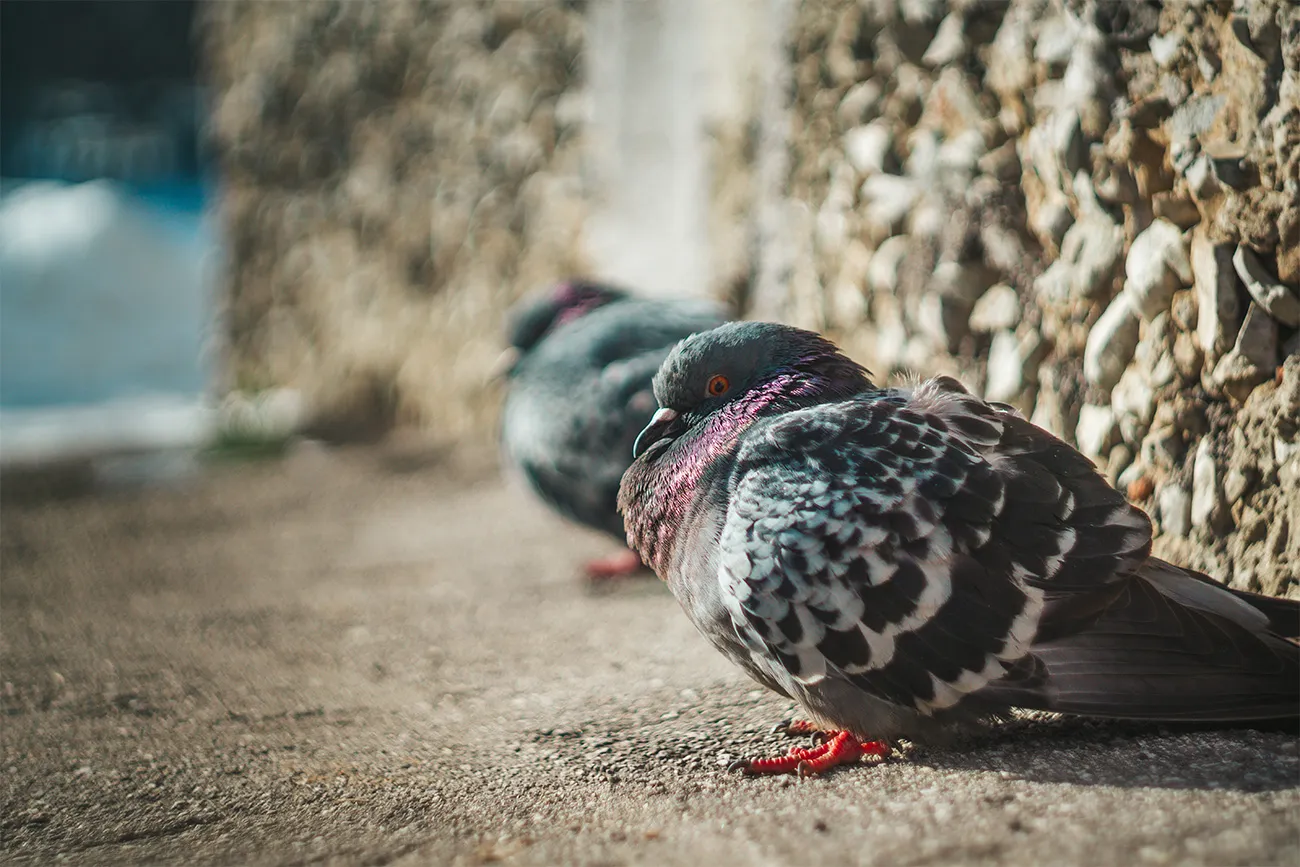
Have you seen pigeons, gulls or starlings lingering on the window ledges of your business premises or site? Perhaps they are nesting in your gutters or under the eaves? Maybe they are flying around your warehouse.
Birds are not a subject to take lightly. They pollinate plants, disperse seeds and help control insect pests, but they are also considered pests in their own right, particularly those that thrive in urban and industrial areas.
Although many bird species pose no threat to humans, pest birds such as gulls, pigeons and starlings can spread disease, damage buildings, create safety hazards and give customers and staff a poor impression of your business.
Bird populations can be difficult to control because birds can reach parts of your building that you or your pest control team may struggle to access. They display a wide range of intelligent behaviours and can quickly adapt to new environments and conditions.
With wildlife laws protecting birds, their nests and their eggs, choosing the right course of action to protect your business is essential. However, this is not always easy, especially if you are unaware of a bird infestation until it is too late.
Proactive management is key to successful bird control, but what are the signs of a bird infestation? If you see any of the following signs, it is a clear indication that your business has a bird infestation and that you should seek professional assistance.
Here are the 5 most common signs of an infestation in businesses:
- Birds settling on your building and hearing bird noises:
Birds settling on roofs, ledges, cables and wires, along with the continuous cries and calls of birds, particularly young chicks, are sure signs of a bird infestation.
Gulls like to nest on flat roofs and can dislodge roof tiles. Pigeons, meanwhile, prefer small spaces beneath roofs, where they can squeeze in and move or damage tiles to gain access. Any gap larger than 25 mm that allows access to your building is a potential entry point for pigeons. Once inside, they can damage insulation, which is costly to repair.
- Bird droppings:
Bird droppings on roofs, ledges, paved areas, vehicles and goods are the second sign of a bird infestation. Unsightly droppings can build up around your site and soil areas directly beneath nesting sites. This can create a slip and fall hazard for your staff or any visitors to your business.
If you have raw materials on site, contamination by bird droppings will make them unfit for consumption, meaning they must be disposed of and causing a financial loss to your business. Bird droppings can contain many types of bacteria, viruses and parasites that can contaminate food, surfaces and goods. Pathogens found in bird droppings include Salmonella, E. coli and Histoplasma, which can then infect people handling the products or eating contaminated food.
It is worth noting that if your premises are audited by a company such as AIB, bird droppings in your facility or on food product packaging will automatically be recorded as a non-conformance.
Bird droppings also corrode stone, metal, paint and other building materials, which are costly to repair.
- Bird nests:
Nests on roofs, ledges, gutters, roof spaces or beams are also signs of a bird infestation. Nests block gutters and drainage pipes, leading to flooding.
This causes 2 further problems: standing water can become a breeding ground for flying insects such as mosquitoes, while flooding can cause internal leaks, rotten wood, corrosion of metal and structural damage to plaster and other wall coverings, as well as floors inside the building. These issues are costly and time-consuming to repair.
- Feathers and nesting debris:
The fourth sign of a bird infestation is finding feathers and nesting debris scattered inside or outside your building. The problem with this debris is that birds carry ticks, fleas, lice and mites. These can infest their nests and, in turn, your building through the debris.
Various beetles, moths, flies and mites also feed on nesting debris and can go on to infest your site. Examples of insects that can infest nests include carpet beetles, fur beetles, clothes moths and mites.
- Stock damaged by bird pecking and fouling:
If you notice pecking damage to stored food such as grain and flour, if you store food products, this is a sure sign of a bird problem. Birds can access grain silos and storage areas through doors, ventilation points and damaged roofs.
Even packaged goods can be damaged by birds pecking at the packaging to get to the food, or the packaging can be contaminated by bird droppings.
Anyone looking to protect their reputation, assets or property should consider keeping birds out of their buildings. But it is not just about dealing with bird infestations when they occur. It is also about protecting your premises to prevent infestations in the first place.
Once you have identified a bird infestation, you need to determine which bird species is causing the problem before taking any action to control it. Birds are protected by wildlife laws in most countries and can only be disturbed, removed or culled in certain circumstances or at certain times of year, so it is always best to consult an expert before taking action.
Recognising the signs of a bird infestation and seeking expert advice straight away can significantly reduce the time needed to control pest birds effectively. Our expert technicians will visit your premises and identify the bird species causing the problem before recommending the right solution for your site. Contact us for more information on how to manage bird-related nuisance.
Een zakelijke vraag aan Rentokil? Get in touch
Companies in this story

Keep following this
Get an email when a new story is published. No account needed.
- ThemeCleaning and protecting facilities
- SubjectFood safety
- CompanyRentokil