Inside the weld: invisible but crucial
Texte & Photos Pivaco
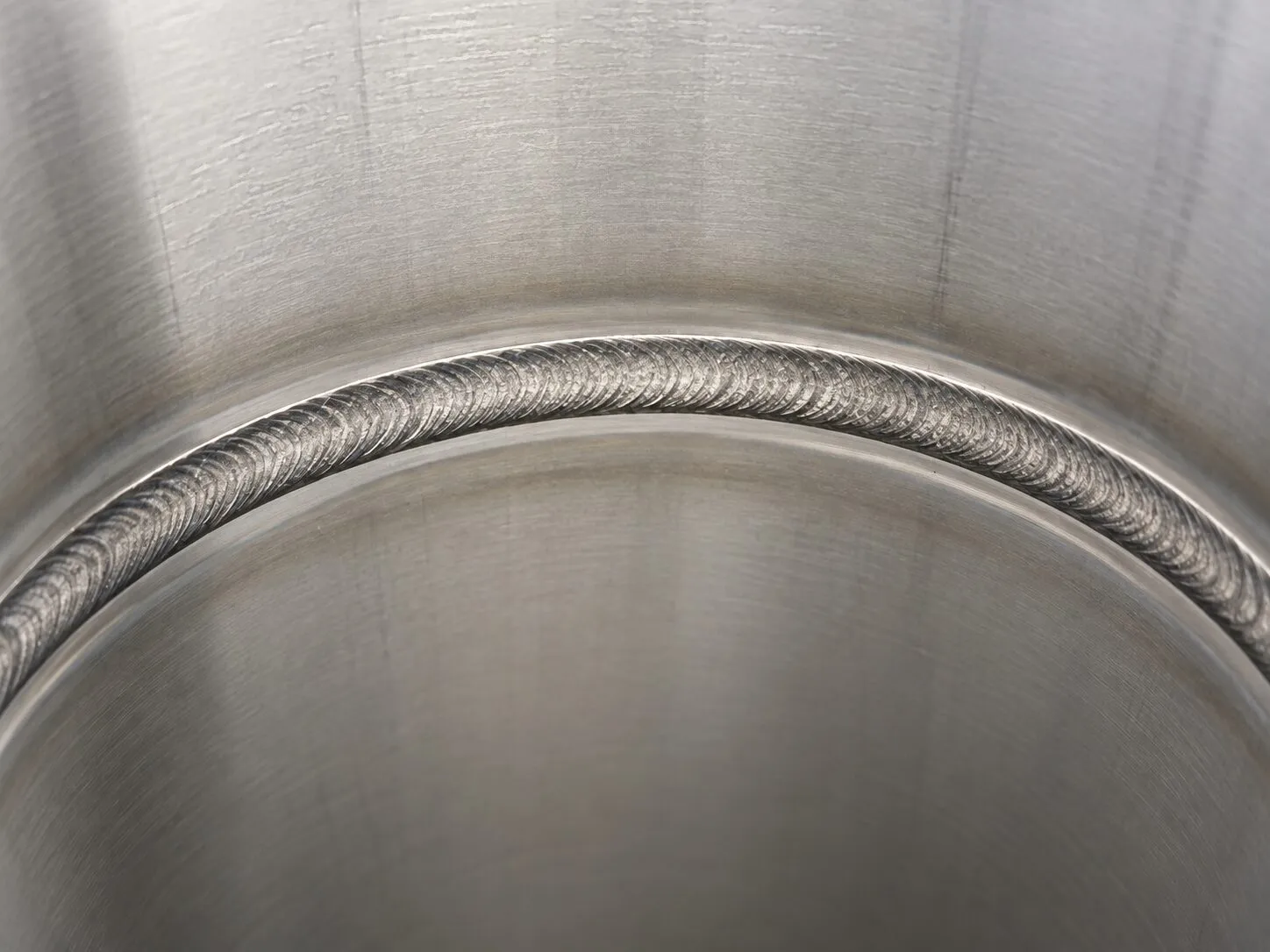
In industrial piping systems, it is usually the visible aspects that are assessed: the finish, the straightness of the lines and the appearance of the weld bead. In the food industry, however, true quality lies inside the pipework, where the product flows. A weld that looks impeccable from the outside may nevertheless pose a hygiene risk on the inside. Pivaco explains why the welding dossier is just as important as the weld itself.
When a new installation is commissioned, only the exterior is visible: a set of gleaming pipes. What remains unseen is what happens in the fraction of a second when two pipe ends fuse together. That precise moment determines whether the installation will still be easy to clean in ten years’ time, or whether residue will build up in places that no one will ever inspect. “For process piping in direct contact with the product, weld quality is often more critical than the quality of the parent material,” explains Jeffrey Nicque, project manager at Pivaco. “Even when the best 316 stainless steel pipes are used, poor weld penetration or oxidation on the inside compromises hygienic performance.”
What happens inside the weld
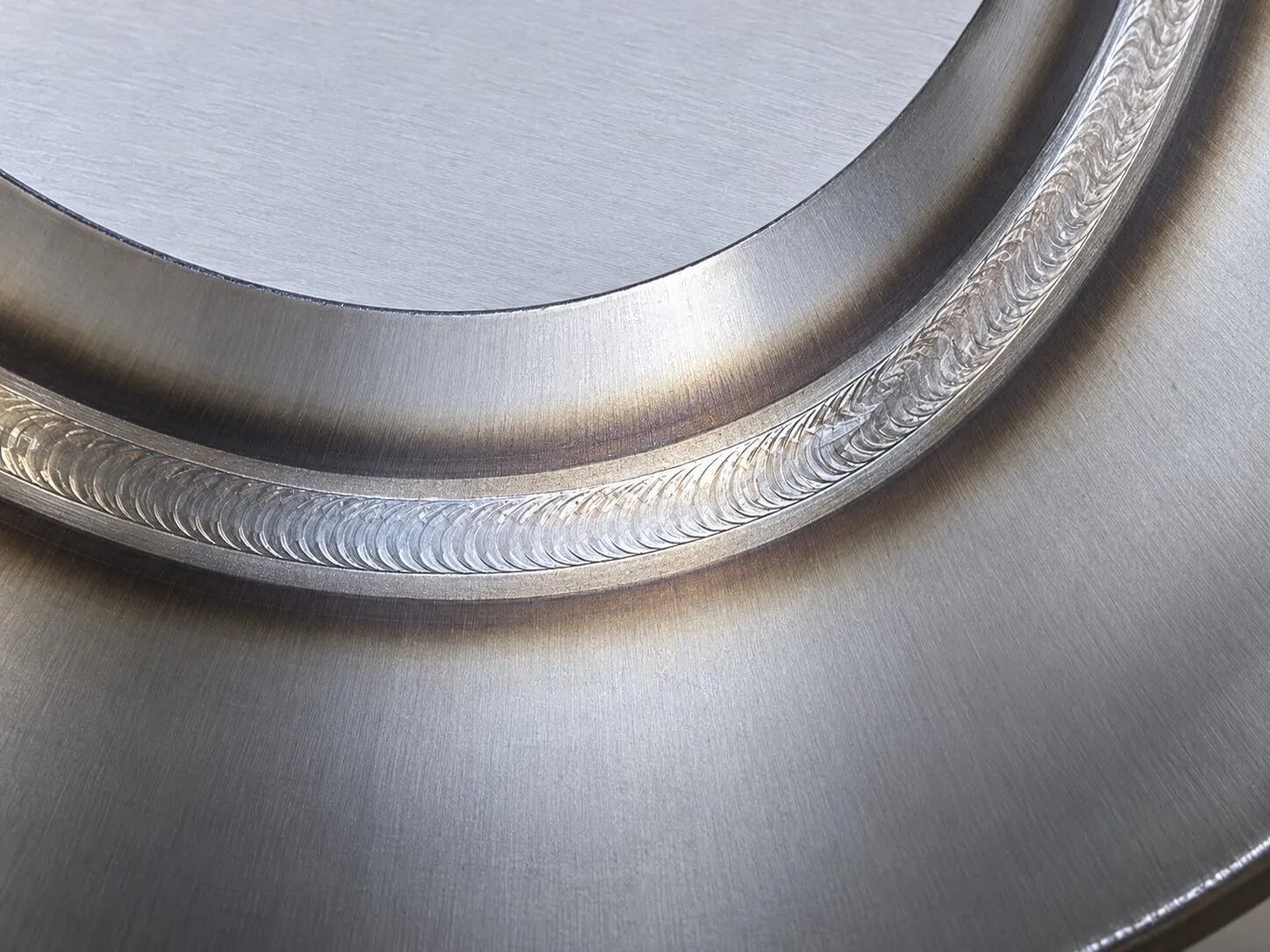
When stainless steel is welded, the root of the weld oxidises as soon as oxygen comes into contact with the heated metal. This discolouration, which ranges from pale yellow to dark blue, is more than just an aesthetic issue. It indicates damage to the chromium oxide layer, which gives the steel its corrosion resistance. To prevent this, purge gas is used to protect the inside of the pipe with argon during welding. “It takes time and involves a certain amount of gas,” admits Jeffrey Nicque. “But if this step is skipped, a weld that looks perfect on the outside creates an environment inside that is conducive to the growth of micro-organisms. On filling lines, that is no mere theoretical risk.”
From procedure to proof
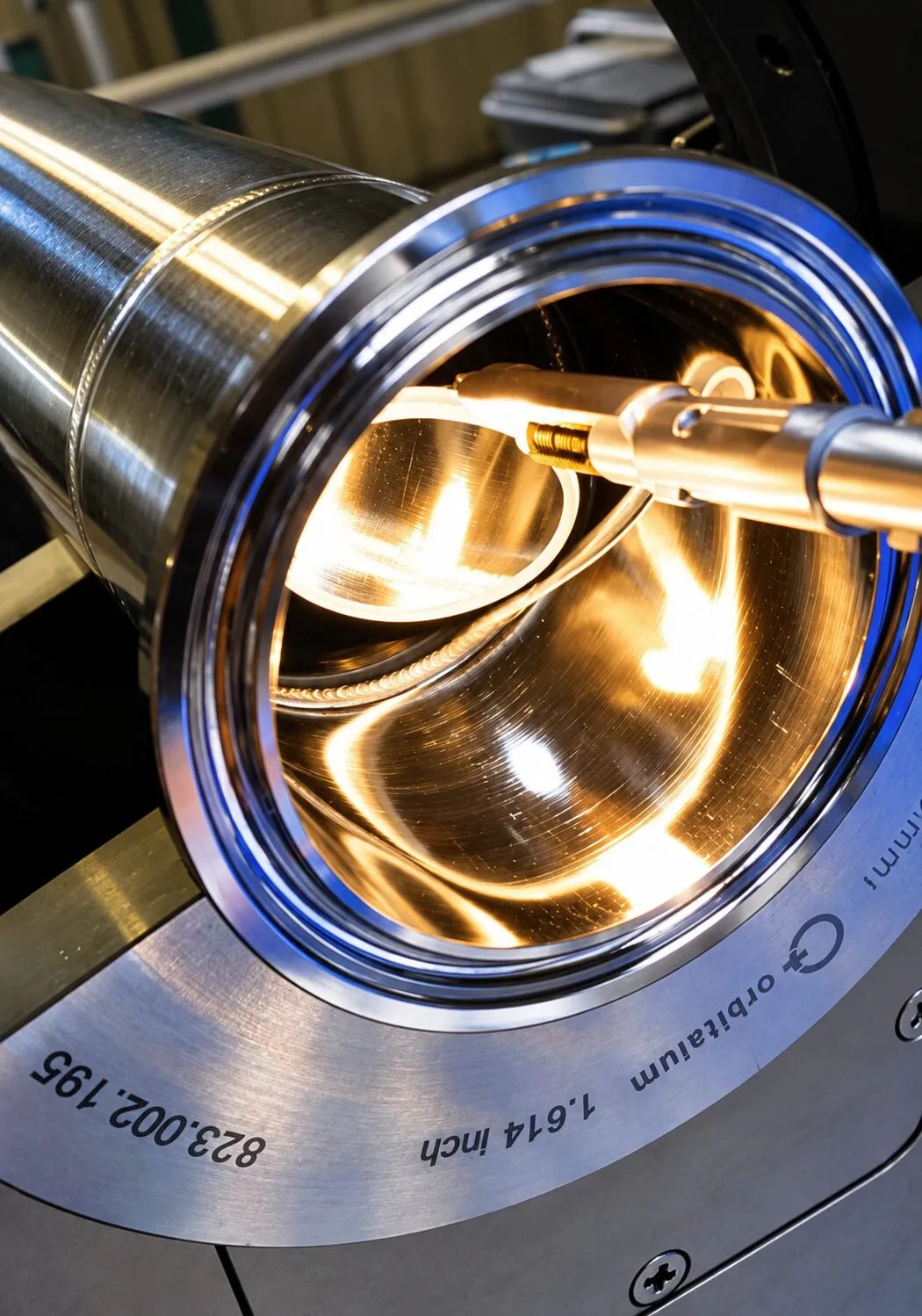
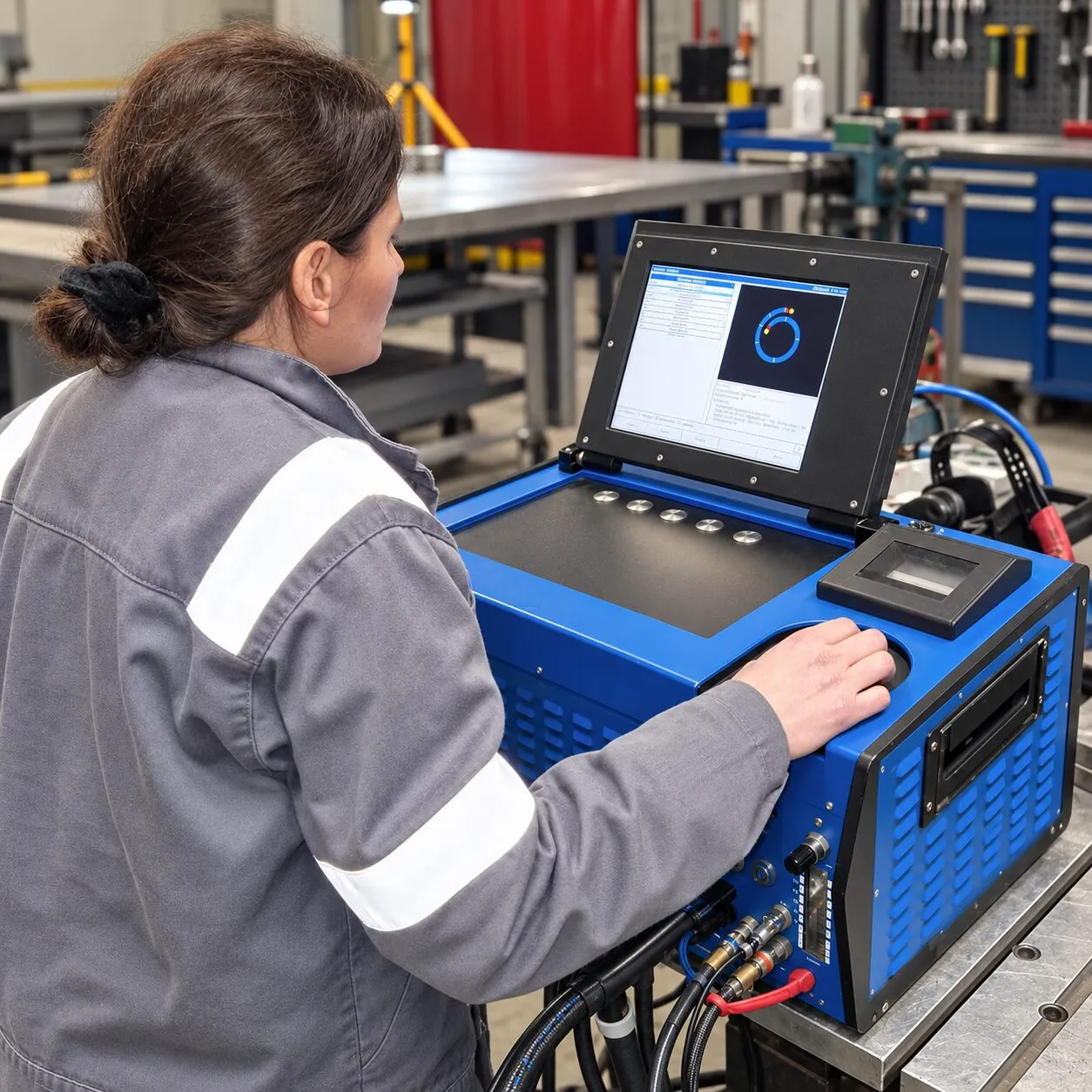
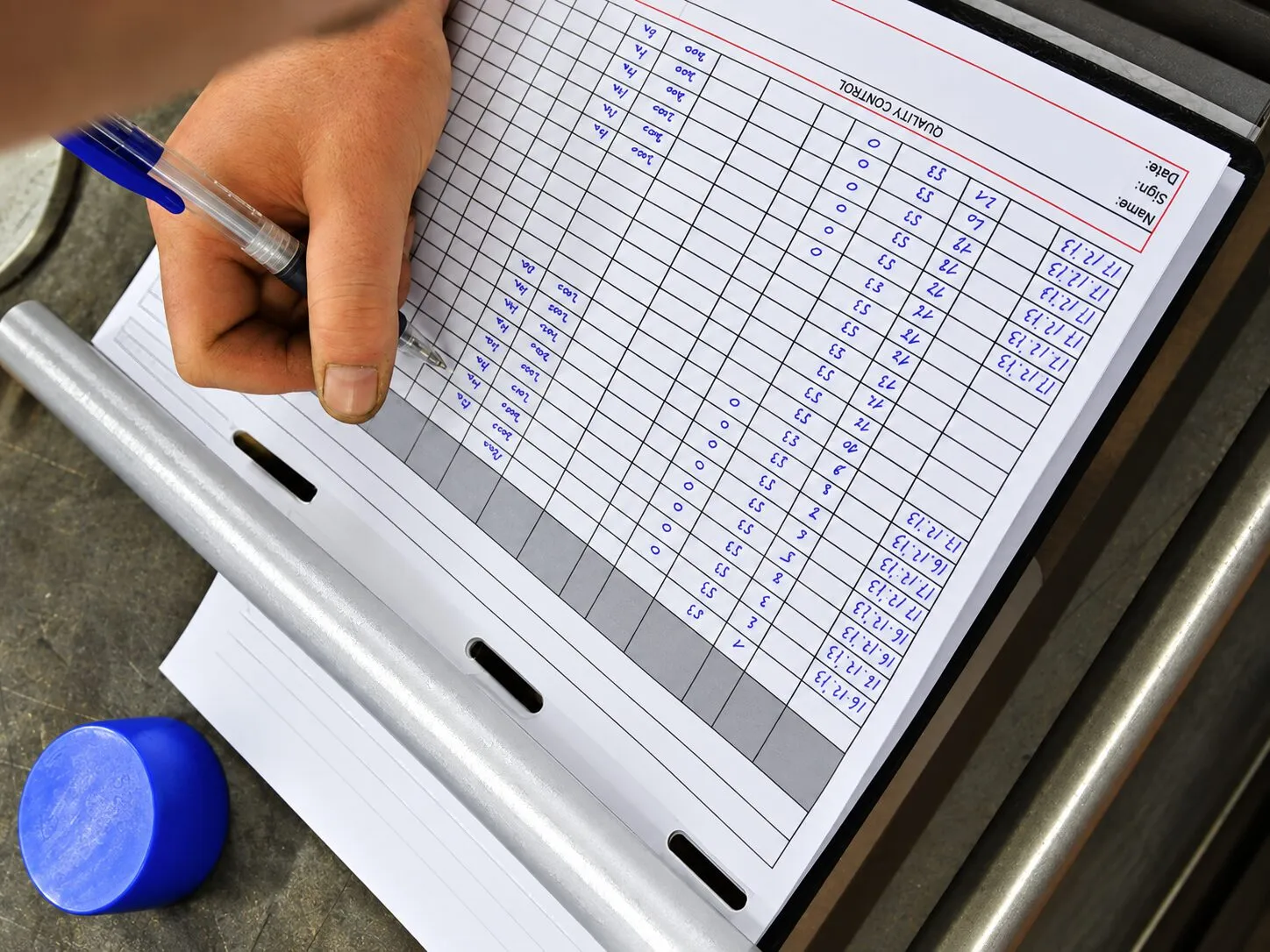
Welding to qualified procedures means that every parameter is specified: current, speed, gas flow rate and heat input. These procedures are tested in advance and documented. Welders are also qualified and can demonstrate this. In orbital welding, the machine also records each weld individually. “This gives us a log of everything that actually happened, not what should have happened,” explains Jeffrey Nicque. “That makes all the difference during an audit, but also if a problem arises three years later. We can trace it back to its source.”
Inspection goes beyond visual checks
In addition to visual inspection, Pivaco also uses endoscopic inspection when necessary, with a camera that makes it possible to view the inside of critical welds. For pipes in direct contact with the product, this is often the only way to check the inside with certainty without having to dismantle the installation. The final step is to apply a finishing treatment. Pickling removes the oxide layer and any impurities, while passivation restores the protective chromium oxide layer. “This is not simply a finishing step, it serves a functional purpose,” stresses Jeffrey Nicque. “If it is neglected, the installation will deteriorate more quickly. The problem is that you don’t see it straight away.”
Why it matters to the client
When comparing quotes, a project manager in the food industry should ask several specific questions: Is the use of purge gas included? Are the welding procedures qualified? Is every weld traceable? Are pickling and passivation carried out, and are they documented? “These requirements increase the price of the quote,” acknowledges Jeffrey Nicque. “But they also make the difference between an installation that lasts twenty years and one that needs repairs after just five. In a sector where health incidents can bring production to a halt, that is no small matter.” More than a mere administrative requirement, the welding dossier is the only tangible proof of a quality that will never be visible to the naked eye.
Question about this story? Ask your question
Keep following this
Get an email when a new story is published. No account needed.
- ThemeDesigning hygienic factories
- SubjectFood safety