Controlling flying insects: Lumnia, a link in IPM
Texte & photos Rentokil
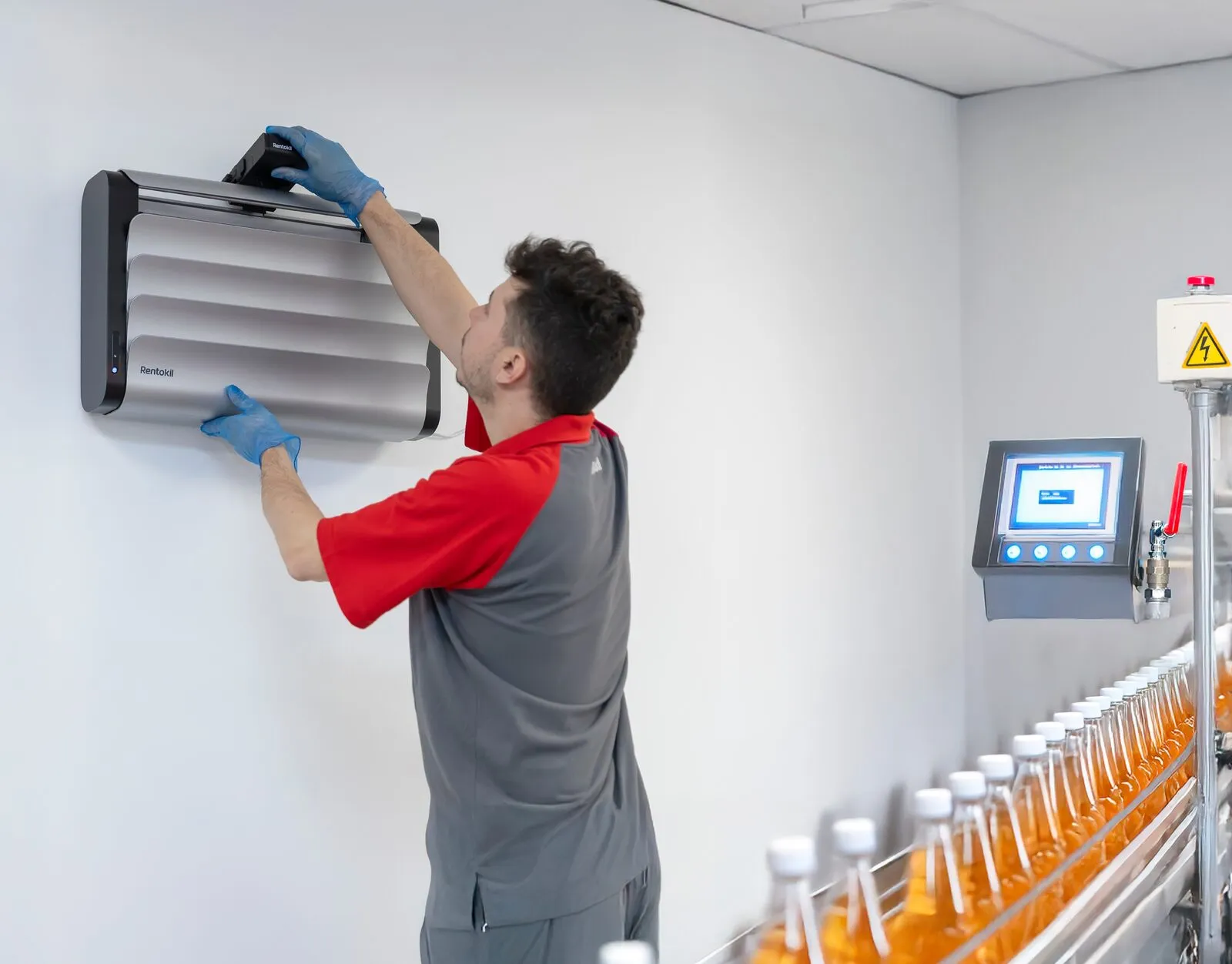
In the food industry, flying insects can cause far more than a minor nuisance in the workplace. They can transmit micro-organisms and contaminate raw materials, products and work surfaces. In a sector where zero tolerance of pests is the rule, this calls for a preventive approach backed by evidence. Rentokil’s Lumnia range combines LED insect light traps with the principles of Integrated Pest Management (IPM): prevent, monitor, target interventions and evaluate.
Prevention does not start with the insect light trap
An insect light trap is an important line of defence, but it does not eliminate the causes of insect activity. Open loading doors, inadequately protected windows, organic residues and damp drains give insects access, food or suitable breeding sites.
Under IPM, these risk factors are examined systematically. Building exclusion measures, rigorous waste management and appropriate cleaning procedures provide the foundation. Employees also play an important role: by reporting insects promptly, they help detect problems at an early stage. Zero tolerance therefore does not require a single device that guarantees absolute protection, but a management programme in which prevention, detection and monitoring reinforce one another.
“An insect light trap is no substitute for prevention. As part of IPM, we also look at how insects get into premises and what conditions encourage them to be there,” explains Ben Ghyselinck, Head of Pest Control Belgium.
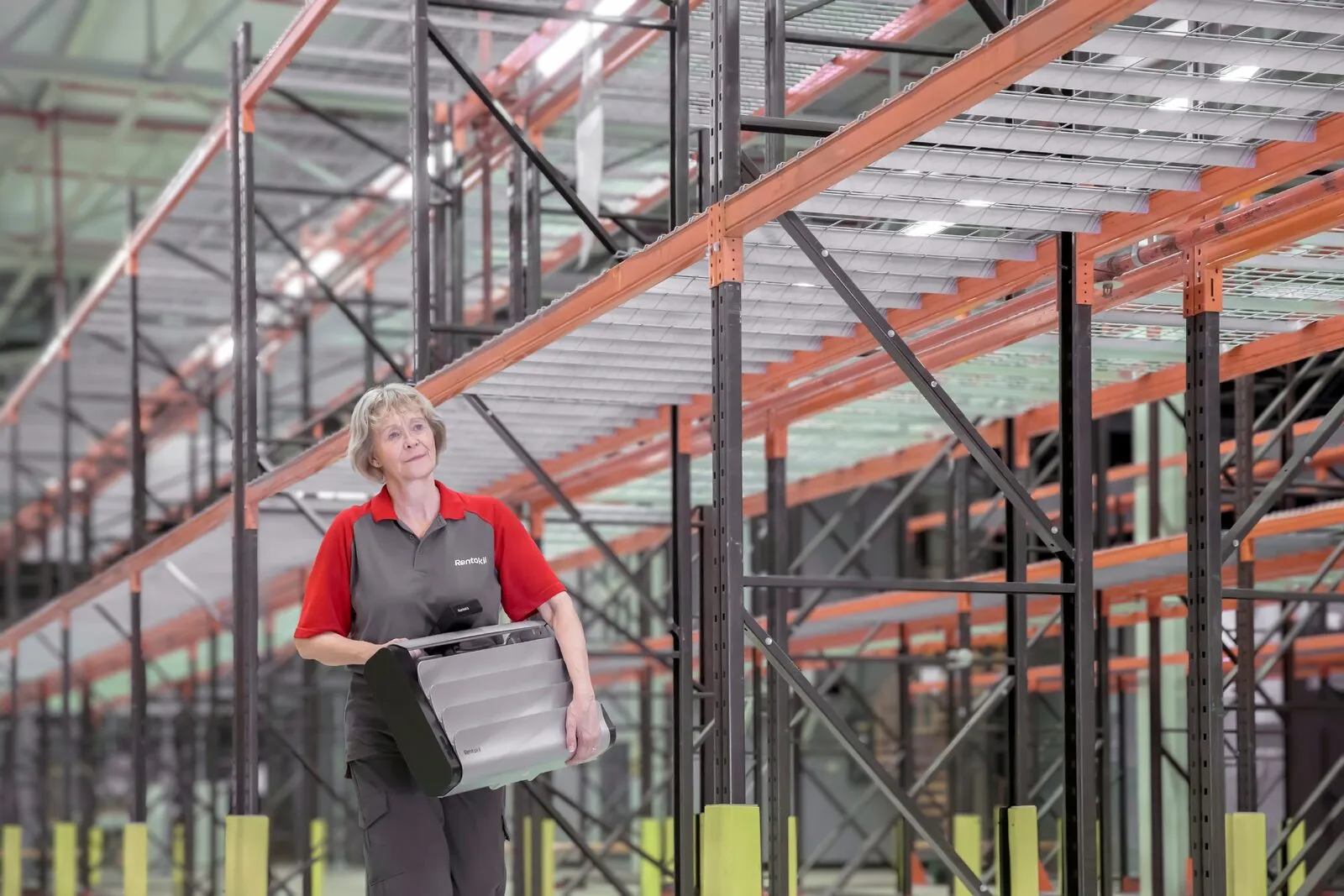
LED technology for hygienic insect capture
Lumnia attracts flying insects using LED light with a specific spectrum and captures them on an adhesive board. In addition, models fitted with an encapsulation module enclose the insects hygienically. This limits the risk of insect fragments becoming dispersed, a key consideration in food processing environments.
The range is available in several versions. The choice of device and its positioning depend not only on the area, but also on the layout, insect pressure, product flows and the sensitivity of operations.
Lumnia Standard is suitable for food processing and warehouses, among other settings. Lumnia Ultimate is designed for environments with particularly high hygiene requirements. For large open spaces, Lumnia Suspended offers a centrally suspended solution, with an attraction zone all around the device.
From capture to insight
As part of IPM, the insect light trap serves a dual purpose: capturing insects and providing information. Regularly checking catches, identifying species and tracking changes by location gives a clear picture of insect activity.
If catches increase, this may warrant a fresh look at access points, waste areas or potential breeding sites. These findings make it possible to adjust measures in a targeted way, rather than simply installing more devices.
In addition, documented inspections, recommendations and actions taken help substantiate pest management during food safety audits. The value lies not only in the number of insects caught, but above all in gathering and analysing the information.
“A catch is also a signal. By tracking trends and investigating the causes, we make insect control targeted and preventive,” says Ben Ghyselinck.
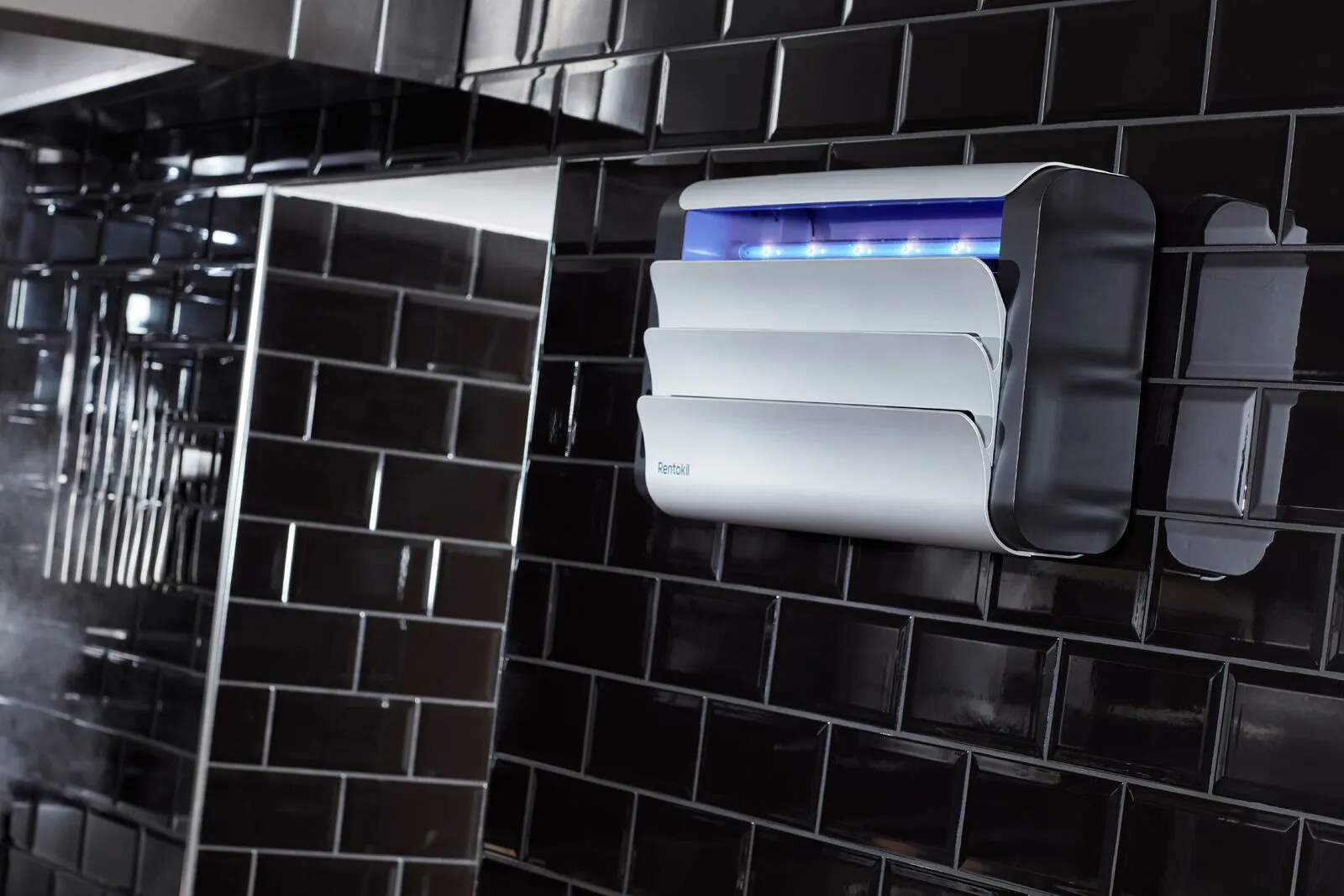
Positioning and maintenance determine the result
Effective installation starts with a risk assessment. Devices must intercept insects without attracting them towards exposed food or sensitive production areas. Regular checks, cleaning and timely replacement of the adhesive board remain essential. Even an energy-efficient device loses its added value if its positioning or maintenance is inadequate.
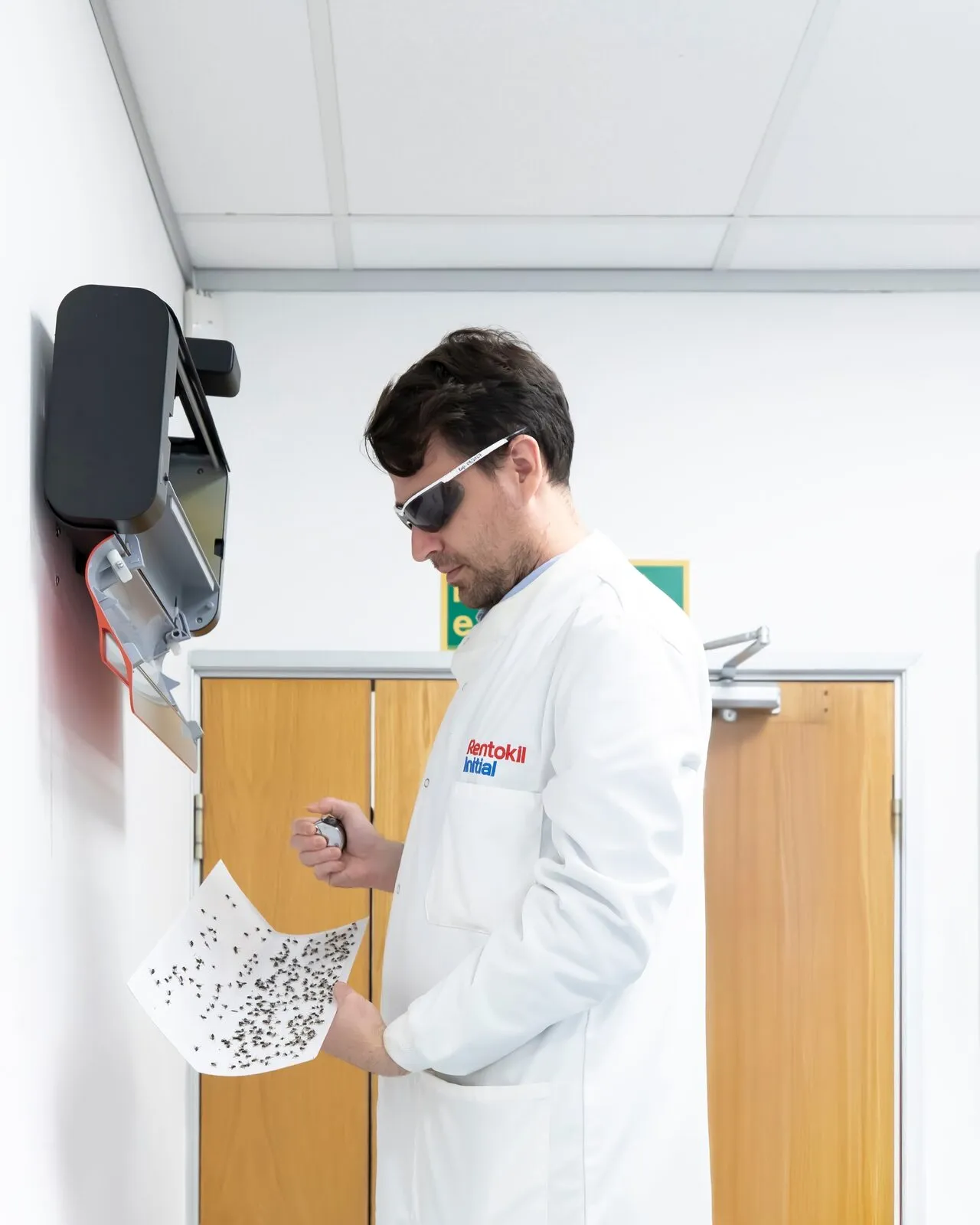
Balancing food safety and energy management
Traditional insect light traps use mercury-containing fluorescent tubes. Lumnia offers an energy-efficient alternative through LED technology. Actual savings depend on the model selected, the existing installation and operating conditions. Some models also feature adaptive energy modes.
Lumnia is therefore part of a broader approach to responsible pest management: not as a standalone solution, but as one element of an IPM programme in which technical protection, prevention and demonstrable monitoring work together to support food safety.
Een zakelijke vraag aan Rentokil? Get in touch
Companies in this story

Keep following this
Get an email when a new story is published. No account needed.
- ThemeCleaning and protecting facilities
- SubjectFood safety
- CompanyRentokil