Supplier audits: from a simple administrative checklist to a strategic decision-making tool
Texte & photos Mérieux NutriSciences Expert Partners

An inbox overflowing with certificates of analysis (CoAs) and completed questionnaires… A familiar sight for many quality managers. Even if everything seems under control on paper, one question remains: “Do we really know what is happening at our suppliers’ sites?” In a context where value chain transparency and a food safety culture are the norm, simply ticking the boxes on a compliance checklist is no longer enough. Supplier audits are back in the spotlight, but their role has changed: they are becoming a strategic tool for protecting the brand.
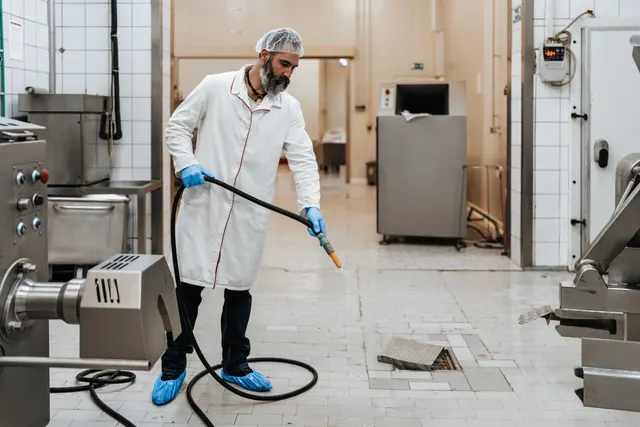
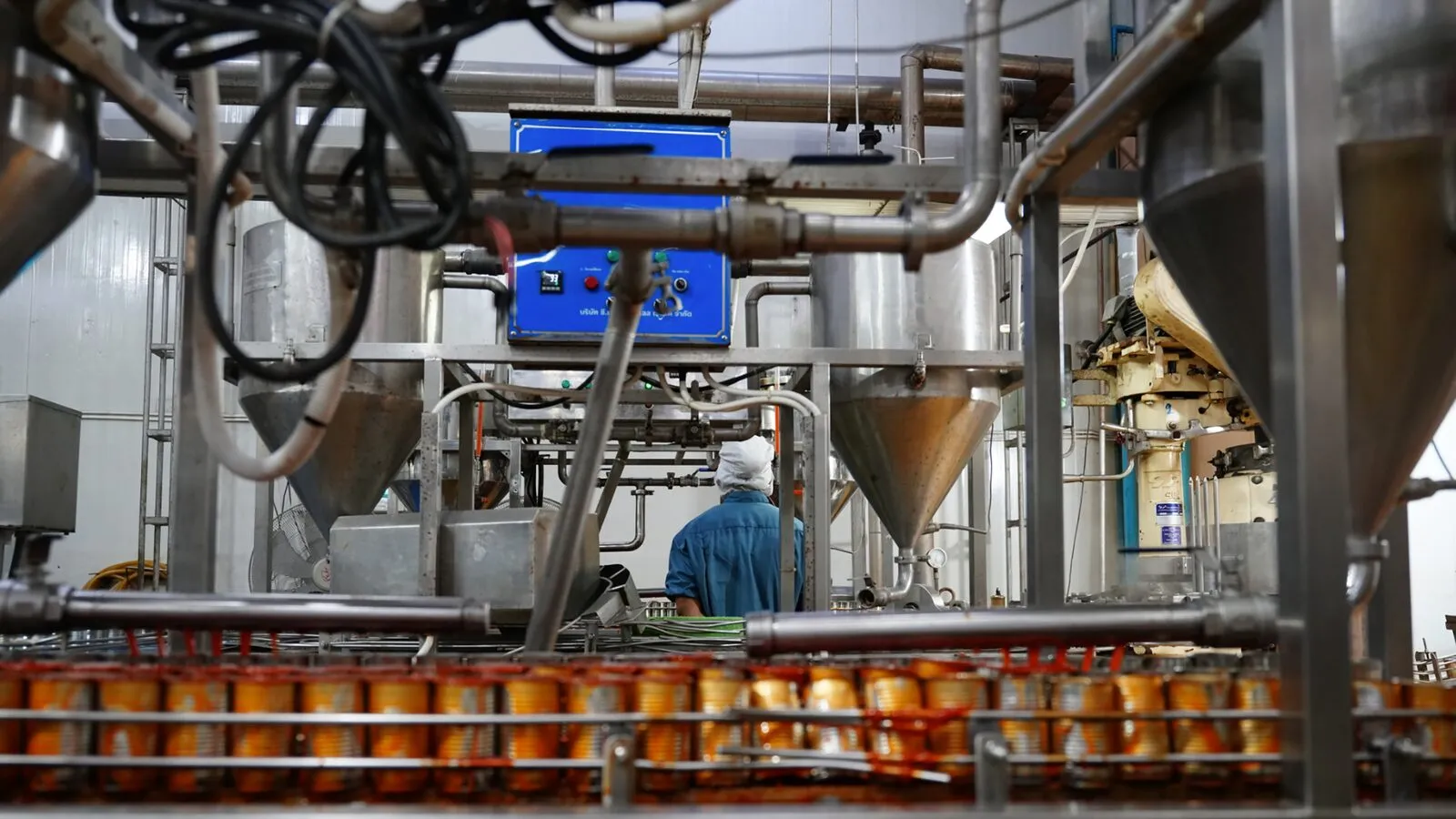
Many companies in the food industry still rely heavily on their suppliers’ written certifications. But while CoAs and GFSI certifications are important prerequisites, they only reflect the situation at a particular point in time. They reveal little about day-to-day discipline, the condition of the premises or staff behaviour when no auditor is present. This is precisely where the strength of an on-site supplier audit lies. It allows you to look beyond the paperwork: what is happening at critical production stations? How does the supplier manage non-conformities? Discussions with production staff provide a clearer picture of the reality of food safety culture on the ground. This is not a luxury, but a necessity if risks in the supply chain are to be eliminated before they affect your own processes.
The ambition: Compliance+
At Mérieux NutriSciences Expert Partners, the concept of “Compliance+” often comes up. This approach means that compliance with legislation, such as the NVWA’s “Informatieblad 64”, is not the goal, but the foundation of the strategy. In the Compliance+ philosophy, an audit is not just a control tool; it can also be constructive. It is a dialogue between partners. An on-site audit often brings to light issues that are rarely discussed by email, such as ambiguities in monitoring plans or complex legislative questions. Direct exchanges help strengthen mutual relationships and trust. This is crucial if an incident occurs despite everything: you know exactly who your contact is and how their systems work.
A guide through a complex supply chain
Thorough audits take time and require specific expertise, two resources that are scarce within QA (quality assurance) teams. Suppliers are also often spread across Europe. Entrusting these audits to an independent strategic partner can be a solution. As well as being objective, an external auditor brings a perspective that extends beyond the boundaries of the sector. The audit report then becomes much more than a list of areas for improvement: it is a risk-based assessment that helps guide purchasing strategy and strengthen quality assurance.

Conclusion
Supplier audits reflect how a company manages its value chain. Investing in an in-depth assessment at source does more than simply ensure compliance with regulatory requirements. It also supports continuity, brand protection and the ability to deliver on promises made to customers. In a world where information comes at you from every direction, an on-site audit helps sift through it all and bring the reality into focus. Looking to give your supplier management a strategic dimension? Our experts will be delighted to help you navigate the complexities of value chain management.
Een zakelijke vraag aan Mérieux NutriSciences | ktba? Get in touch
Companies in this story

Keep following this
Get an email when a new story is published. No account needed.
- ThemeManaging food safety risks
- SubjectFood safety
- CompanyMérieux NutriSciences | ktba