Smarter sensors, better process control
Texte GEMÜ / Kris Vandekerckhove | Photos GEMÜ

The process industry is constantly evolving, and companies are always looking for ways to make their plants more efficient, safer and more sustainable. GEMÜ is taking a major step forward in sensor monitoring and process optimisation with its latest generation of valves and automation modules.
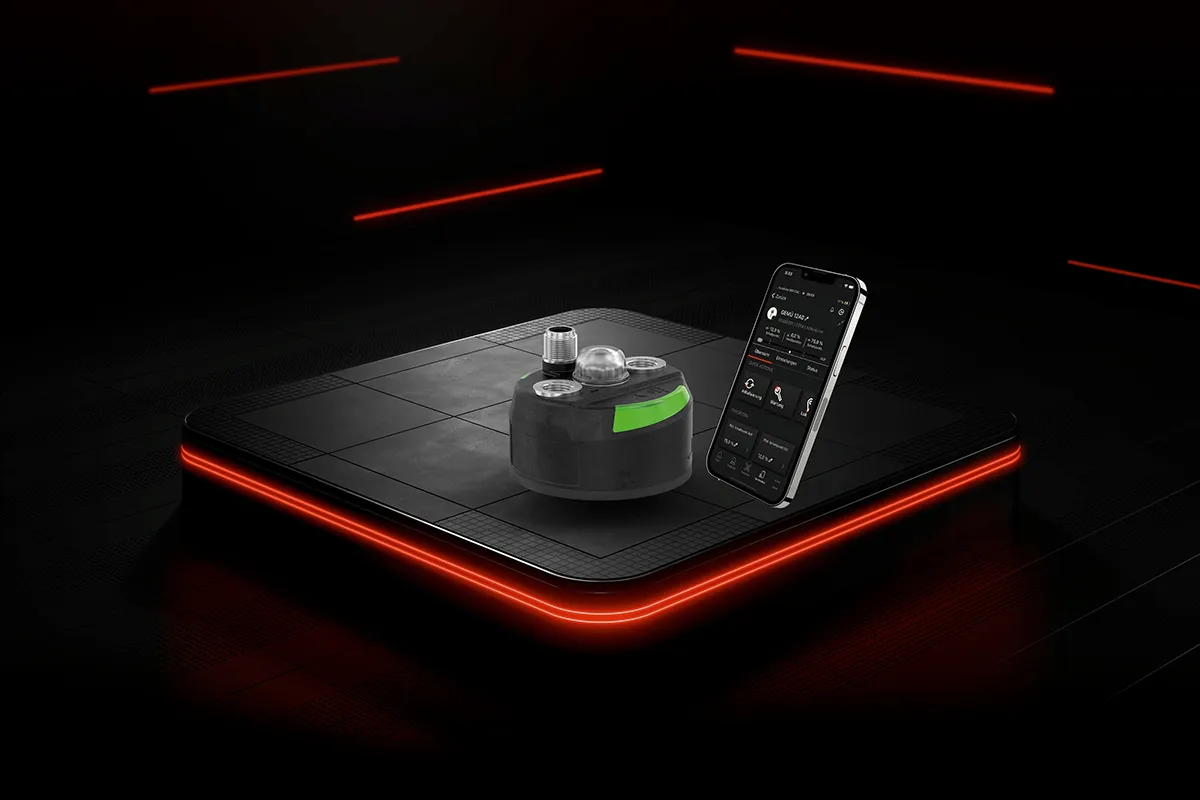
According to Jessie Meuleman, Managing Director of GEMÜ, the new generation of products was developed from the outset with a focus on digitalisation and automation. GEMÜ’s smart valve sensors play a central role in this. They enable much more precise monitoring of valve condition and help improve process optimisation and plant availability. The main values measured and recorded by these sensors are:
- Temperature, air humidity and air pressure, which affect product service life;
- Electrical values such as supply voltage and current consumption, which are essential for optimum operation;
- Monitoring the control air pressure for pneumatically actuated valves, a crucial factor that is often the cause of failures;
- Vibrations and shocks, which can not only damage components but also reveal underlying process issues.
Less downtime, greater efficiency
One of the main benefits of these sensor advances is the ability to implement predictive maintenance. By providing timely alerts about abnormal trends, companies can take proactive measures before actual failures occur. This not only prevents unplanned downtime but also extends the service life of machinery and plant. The sensors transmit their measurement data via the system’s existing interfaces, allowing operators to analyse the data for optimisation purposes. In addition, data can be read in real time via Bluetooth using the GEMÜ app, significantly speeding up troubleshooting and maintenance.
Alert thresholds and safety mechanisms
GEMÜ goes a step further by applying an adjustable alert threshold to each sensor. If a measured value exceeds the permitted limits, the system automatically generates a notification. In critical situations, the device even switches immediately to safe mode, for example by moving a valve to a predefined position. This means that the operator is not only alerted in good time, but an initial protective measure is also taken immediately to minimise damage.
The future of sensors in the process industry
According to Jessie Meuleman, implementing advanced sensor technology is not just a technological improvement, but a necessity for companies looking to make their plants more efficient and reliable. With real-time insight into the condition of their equipment, companies can not only reduce downtime, but also cut costs and optimise energy consumption. With the introduction of these smart valves with integrated sensors, GEMÜ is taking an important step towards the future of process automation. Companies investing in this technology will benefit not only from fewer breakdowns, but also from a more sustainable and efficient production process.
Question about this story? Ask your question
Keep following this
Get an email when a new story is published. No account needed.
- ThemeImproving production process reliability
- SubjectTechnology