ERP software with the widest range of features for the food industry
Texte Johan Debaere | Photos Claerhout Computer Engineering
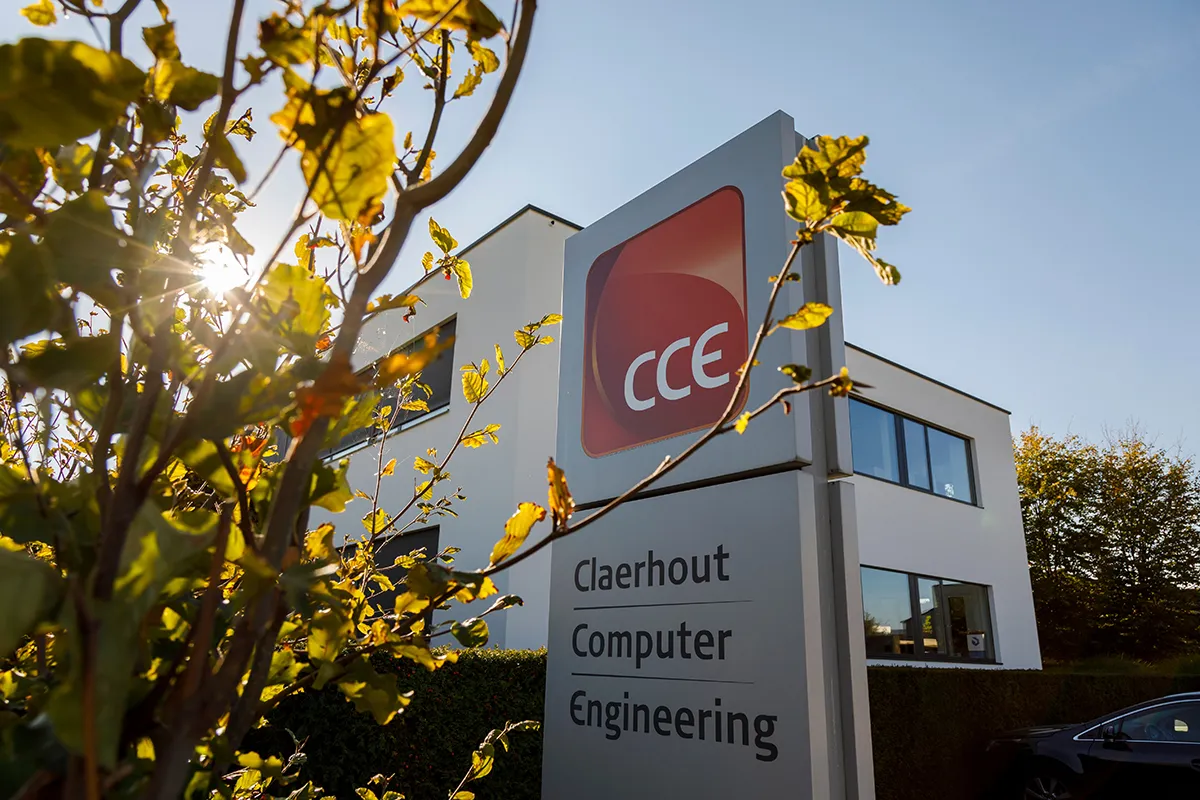
Claerhout Computer Engineering (CCE) has been targeting the food industry with its modular LISA ERP software for around 30 years and now has some 170 customers. The family business in Oosterzele configures the software and implements it right through to its customers’ production floors. Its loyal, experienced team of 52 has in-depth knowledge of the food industry and its projects, and strives to take all the worry off the customer’s shoulders. Through its sister company Alfa Informatic, CCE also provides IT infrastructure for software and hardware, giving customers a single point of contact for all their IT needs.
The integrated LISA ERP software is a tool for making food-industry business processes efficient and transparent. With fully integrated modules for purchasing, sales, stock management, production and accounting, including a wide range of products and multi-branch management, the ability to combine desktop and mobile devices, and easy links to external software packages, this PROGRESS-based software is key to customers’ success.
Finance & ERP
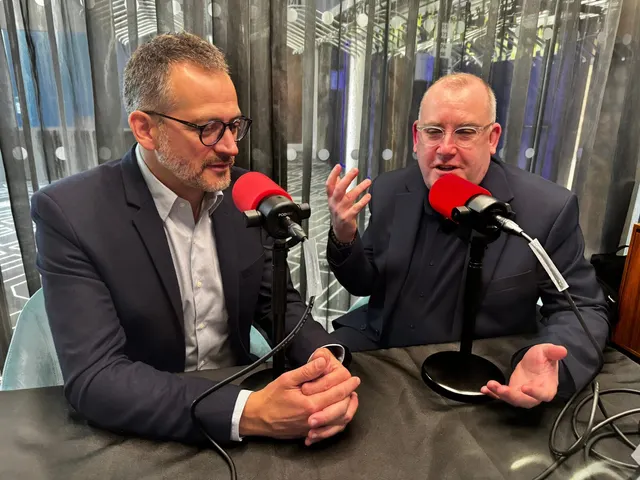
“CCE was founded in 1989 by my parents, Geert Claerhout and Claudine De Seranno. Almost immediately, at the request of the Albert Frère group, they developed the LISA Finance software package, which was subsequently implemented in many other financial organisations over the years,” explains Jan Claerhout. His sister Bo continues: “The first steps towards ERP for the food industry came in the mid-1990s, when our specialists, with the help and advice of the sector, developed a highly generic application with typical features. Following the many additional requirements and regulations introduced after the dioxin crisis in 1999, food companies were looking for applications to computerise and automate all these areas and procedures, including traceability and FASFC requirements. Retailers’ specifications were also extended to include the use of EDI (Electronic Data Interchange), through which producers’ and major retailers’ IT systems communicate and exchange data such as orders, order confirmations, deliveries and invoices, all fully automatically. Better working procedures not only lead to more satisfied LISA users, but also enable demanding users to meet all the requirements set by government and their customers.”
Generic solution, modular concept
CCE has deliberately chosen to focus on the food industry, and particularly on working with SMEs, because they too have a highly pragmatic culture, with short communication and decision-making lines. ERP software with essential features tailored specifically to the food sector, available as standard, is indispensable. It boosts efficiency and reduces the risk of errors. LISA ERP is also modular, enabling CCE to tailor the software package precisely to its customers’ needs and requirements.
Customer focus and service
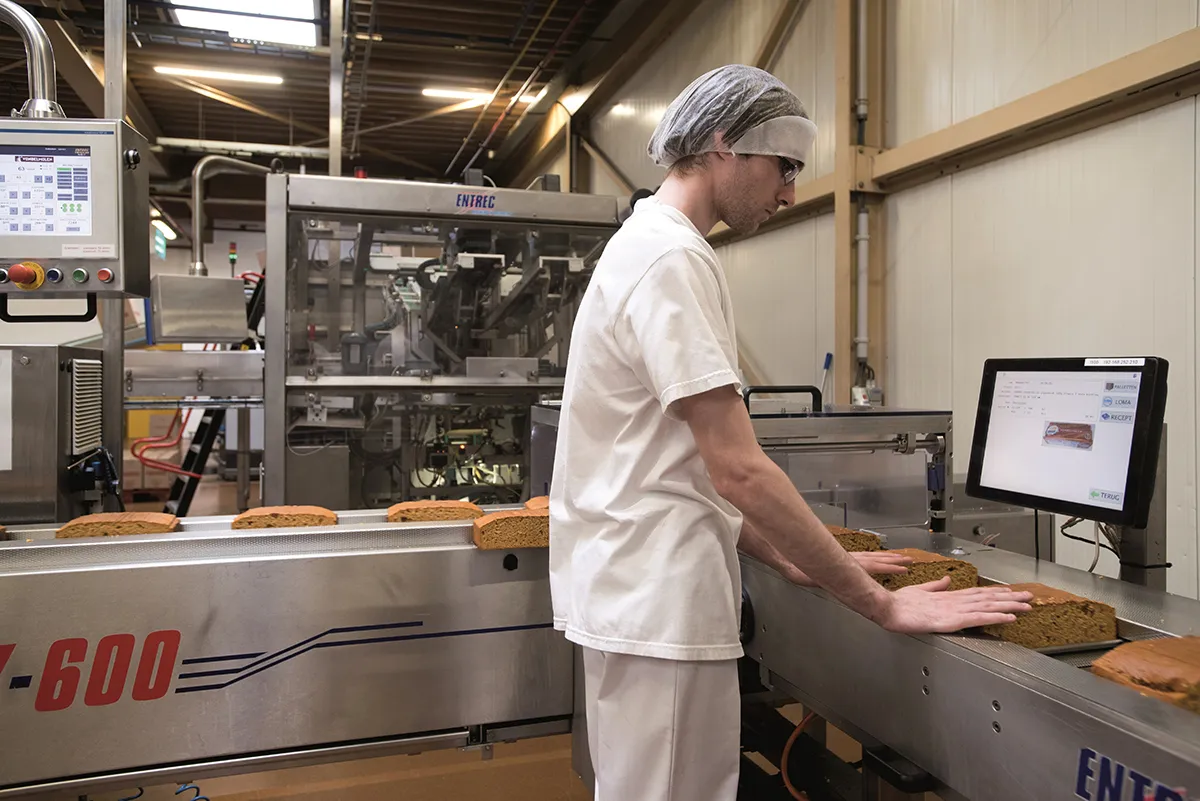
“We are very pleased to have a loyal and motivated team of employees who know their business inside out. They speak the customer’s language, allowing us to work efficiently and deliver a service-focused approach. New customers are often impressed by our staff’s experience in the sector. The implementation team visits a wide range of food businesses. This gives its members the opportunity to build up knowledge that can then be used to advise other companies on how to optimise their operations. Naturally, this is always done without breaching any rules of professional conduct. Customers really appreciate it,” says Jan. “This also enables CCE to incorporate all the features that matter to the sector into the LISA ERP software. These include variable weight, unit conversion, route management, DUV, quality monitoring, the nutritional, allergen and microbiological properties of products, EDI, relationships with retailers, different product or recipe bills of materials, MRP and CRP, and links to scales, labelling machines and packaging machines, to name just a few. Our team of certified systems engineers also ensures that the IT infrastructure runs perfectly. We support our customers from A to Z, enabling them to focus solely on their core business.”
Constant development and innovation
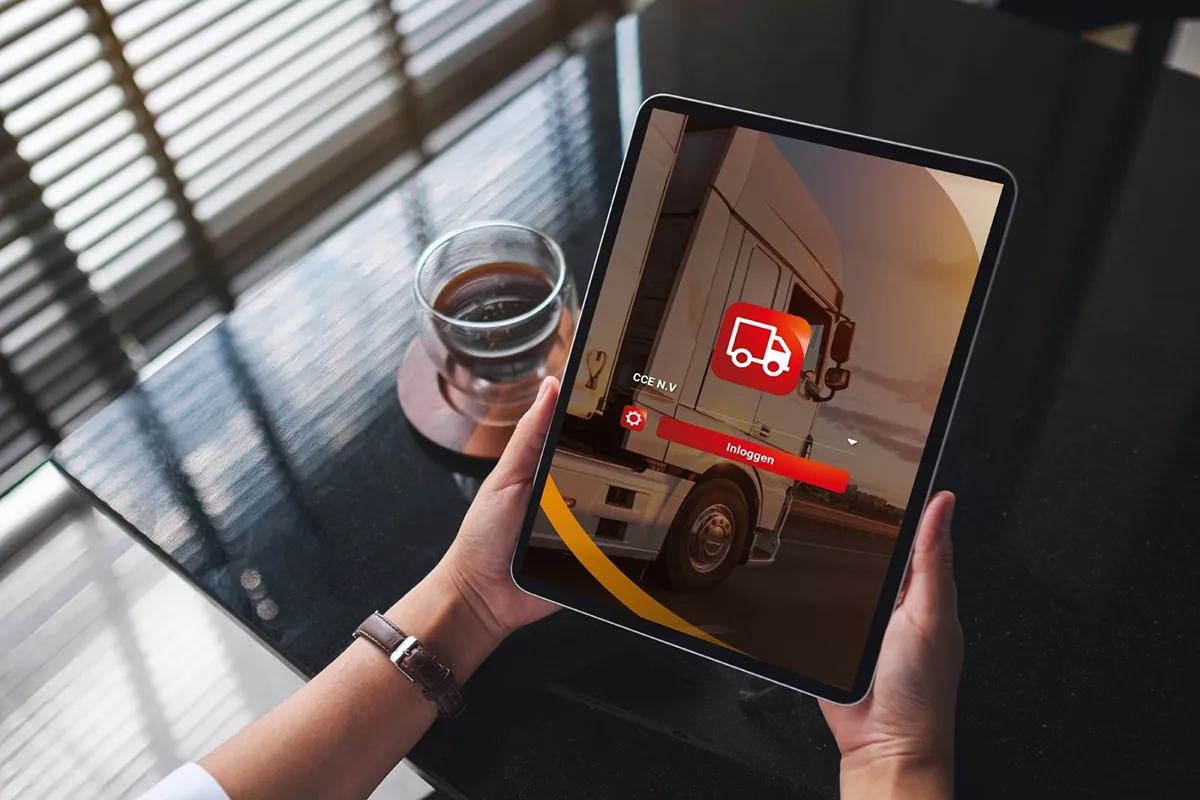
CCE, and particularly LISA ERP, has built a strong reputation in the market. The software developer is also constantly working to extend and optimise the package. The latest innovations are two new, practical mobile apps: LISA Truck and LISA Workflow. They make it more efficient and convenient to carry out tasks remotely or on the move using, for example, a tablet or smartphone. LISA Truck provides all the information users need, from routes and the return of empty containers to delivery notes, and connects directly to LISA ERP. With LISA Workflow, authorised users can quickly approve or reject documents such as purchase invoices, purchase orders or orders, helping to optimise and speed up workflow within the company with minimal effort.
A strong partner for long-term continuity
LISA ERP is now well established with customers in various sectors, including processing (meat, fish, potatoes, vegetables, fruit, etc.), distribution, refrigeration and freezing, and baking. An overview of the many references is available at www.cce.be. “Continuity is a key word in our business and in our partnerships with customers and suppliers. That is how we build long-term relationships that allow us to take care of everything for our customers. Around a quarter of our turnover is reinvested in developing the LISA ERP application. CCE has worked with PROGRESS technology from day one,” says Jan. “Another asset is our highly experienced, loyal team, which gives customers a familiar point of contact for years. These are our ambassadors, who work with customers to find the right ERP software package, made up of different modules. A partnership built to last for many years!”
Qfor quality label and SME grants
“In 2022, CCE received the Qfor label for service companies for the eighth time in a row. The label is similar to audits such as BRC or IFS in the food industry. Qfor assesses customer satisfaction, project management and quality policy. According to the report, customers particularly value the expertise available, the open communication structure and the company’s knowledge of the products and services it provides,” concludes Bo. “This is not only recognition for our company and the way we work, but also an advantage for our customers. The label gives them access to SME portfolio grants when they use our services.”
Question about this story? Ask your question
Keep following this
Get an email when a new story is published. No account needed.
- ThemeAutomating and connecting production
- SubjectTechnology