Expertise in BELAC-accredited calibrations
Texte Luc Ophals | Photos Thermibel
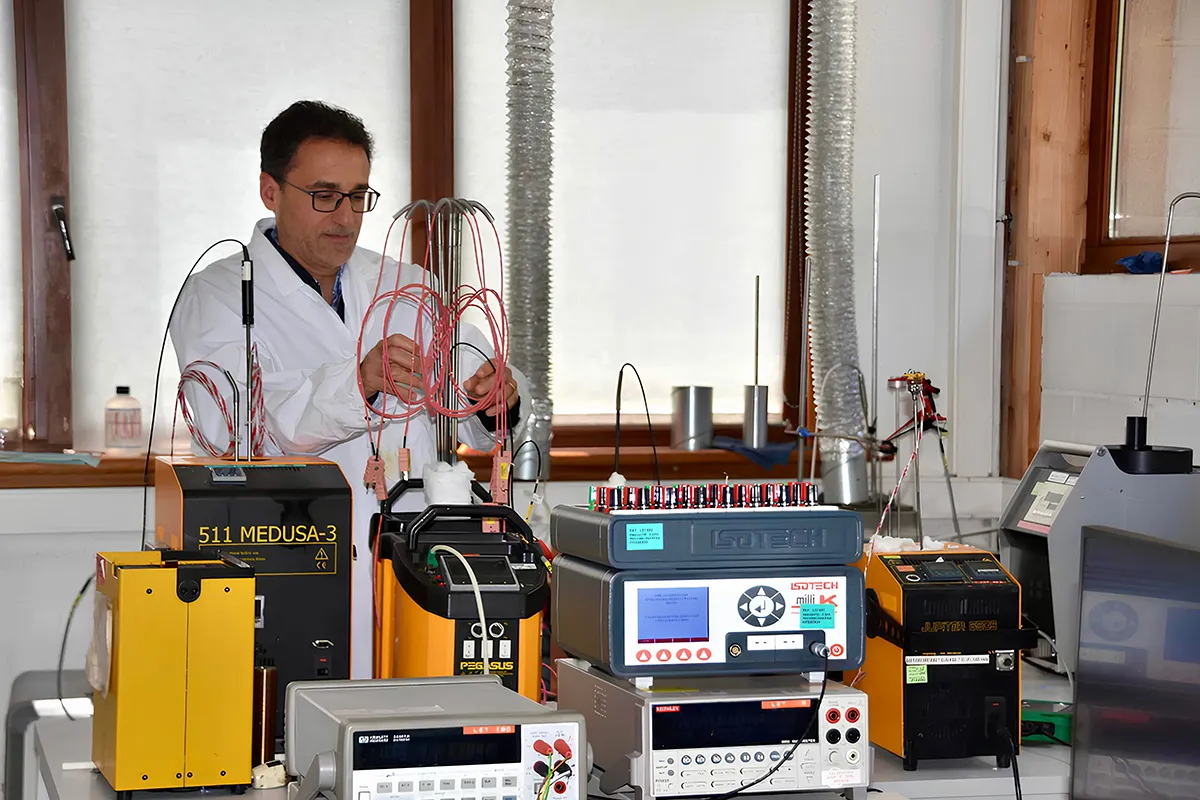
Thermibel has been manufacturing temperature sensors since 1981 and has built up recognised expertise in the field. To support manufacturers and laboratories in validating their measurement and test equipment, Thermibel has also established a BELAC-accredited laboratory for in-house calibrations. Its technicians also carry out on-site work that is not accredited.
The Thermibel laboratory has been BELAC-accredited for temperature since 1996, recognising the competence of its staff, equipment and methods. Thermibel holds ISO 9001 and ATEX certifications and ISO/IEC 17025 accreditation.
Laboratory services
The first area of laboratory services covers all accredited calibrations over a temperature range of –100 to +1,300 degrees. The methods used are comparison calibration of temperature probes, calibration of temperature measurement chains and calibration at the triple point of water (providing the lowest measurement uncertainties). Calibration under accreditation has the advantage of being suited to the instruments being calibrated, with measurement uncertainties guaranteed for accreditation committee experts and traceability to national standards demonstrated. The BELAC calibration certificate issued at the end of the procedure specifies the calibration method and the traceability of the calibration equipment used, and includes a results table with the uncertainties associated with the calibration equipment. Romuald Pistis, Managing Director: “Our laboratory is accredited and must therefore act with complete impartiality.”
The laboratory also offers other, non-accredited services, such as calibration by electrical simulation of resistance, voltage and current. It also characterises temperature-controlled chambers and calibrates pressure gauges.
On-site services
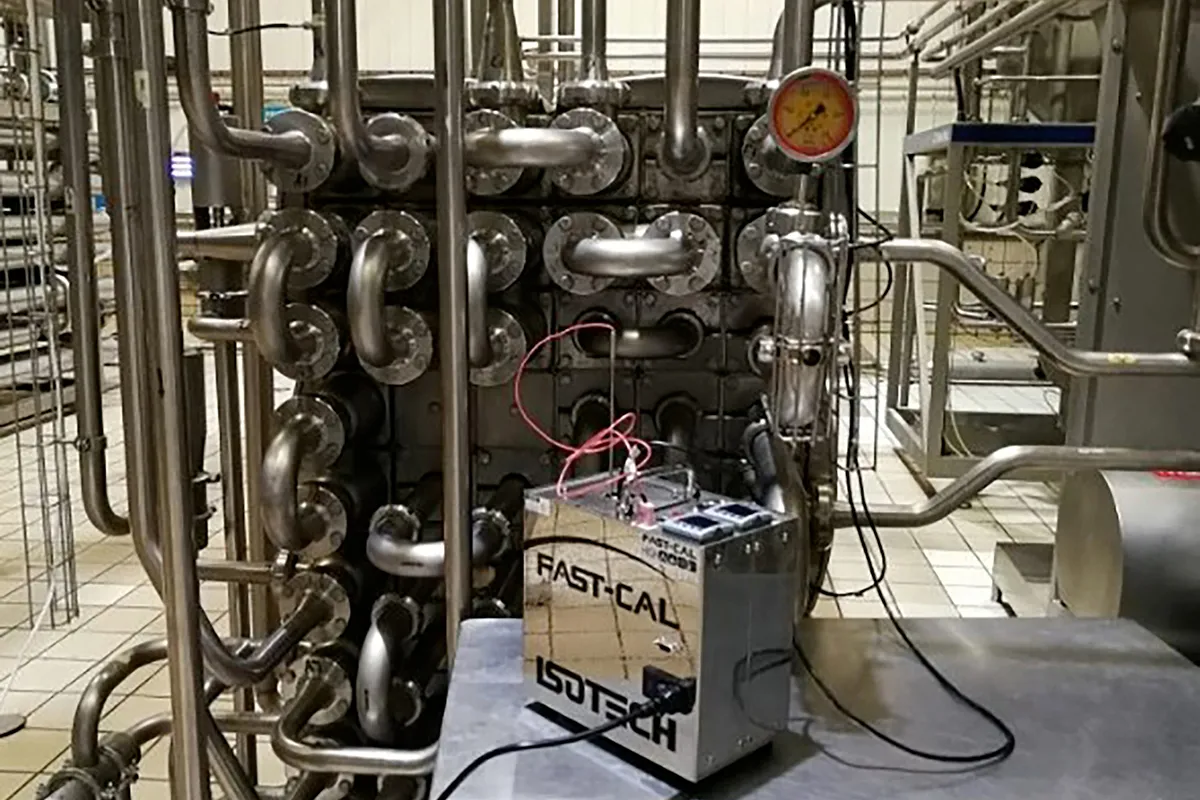
Thermibel can also calibrate temperature sensors on site. This approach takes installation conditions into account, reduces downtime and makes it possible to check any type of sensor that cannot be removed on site. “Our on-site work is often carried out at the client’s request, for example as part of an audit. We remove the probes and check that they are working properly and within the specified tolerances. If we identify a fault, we recommend either replacing the defective probe or considering an alternative that can ensure operation within the tolerance limits. In all cases, however, it is up to the client to analyse the results, decide on follow-up action and take the appropriate measures,” explains Romuald Pistis.
In practice
Whether the work is carried out in the laboratory or on site, interventions are planned well in advance. These are periodic checks scheduled throughout the year in consultation with the client. This does not rule out urgent call-outs, however, as Thermibel can also respond quickly when an unforeseen problem requires a prompt solution.
As for technical developments, the laboratory’s equipment needs to keep pace with current and future requirements on the ground, that is, in production companies. Romuald Pistis puts this into perspective: “The technology behind sensors has not fundamentally changed. However, we are seeing a shift towards digitalisation. Our clients are increasingly installing probes with digital communications, allowing each one to be identified individually and improving traceability. This more comprehensive monitoring helps prevent configuration errors.”
Question about this story? Ask your question
Keep following this
Get an email when a new story is published. No account needed.
- ThemeManaging food safety risks
- SubjectSolutions