How can water consumption be reduced?
Texte Valérie Couplez | Photos iStock
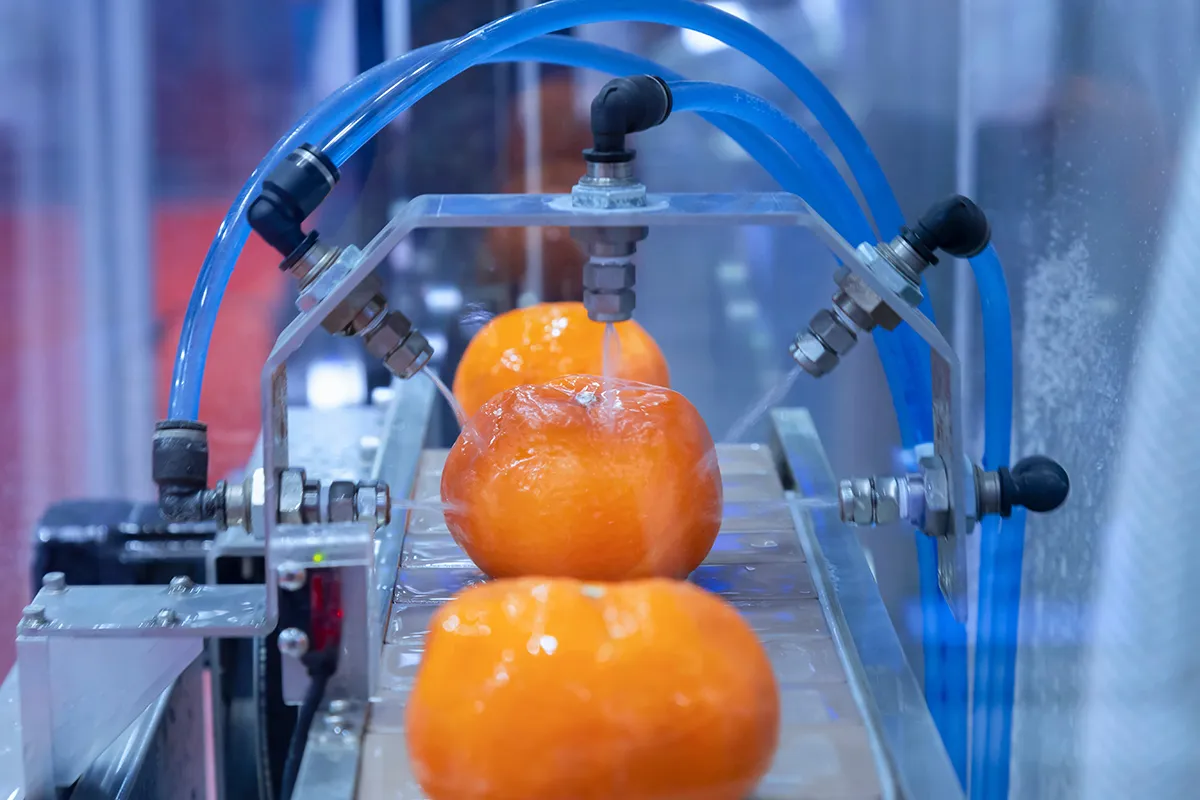
Water is essential in the F&B sector, whether it is used as an ingredient or plays a central role in production or cleaning processes. However, it is important to try to reduce water consumption wherever possible without compromising hygiene or quality. This helps lower operating costs by using raw materials more efficiently, while also bringing significant environmental benefits, as reducing water consumption can help replenish natural water reserves and contribute to a less water-wasteful world.
It takes 170 to 310 litres of water to produce 0.5 litres of soft drink, 300 litres of water to produce 1 litre of beer and 140 litres to make a cup of coffee. In other words, the food industry has a particularly great responsibility when it comes to protecting water as a resource. If we carry on as we do today, the United Nations estimates that the world will face a 40% water shortfall by 2030. It is therefore high time to consider how we, as an industry, can use water more efficiently.
Wastewater treatment
As with any industrial process, significant quantities of wastewater are generated. To complicate matters further, the best way to treat wastewater varies according to what is being produced and where the plant is located. Whatever your facility produces, however, investing in wastewater treatment can help reduce its environmental impact while lowering operating costs. The key is to find the most effective technology and solutions for your specific production process, while having a clear idea of where and how to use the treated water and any by-products.
Precise control
Reducing water consumption can be as simple as using the right technology at the right time. Greater automation can make a real difference, as systems calculate the exact quantities needed for specific processes and use only those amounts, reducing the risk of overconsumption. This can apply at different stages of production, whether water is used as an ingredient, in cleaning processes or as a coolant. Automation is just one aspect of modern technology that enables better control over the use of raw materials. Sensors and meters can also be installed to give operators and technicians the data they need to optimise processes. CIP units are also precise and can often store and recycle the water used for cleaning, as well as cleaning products.
Modern designs
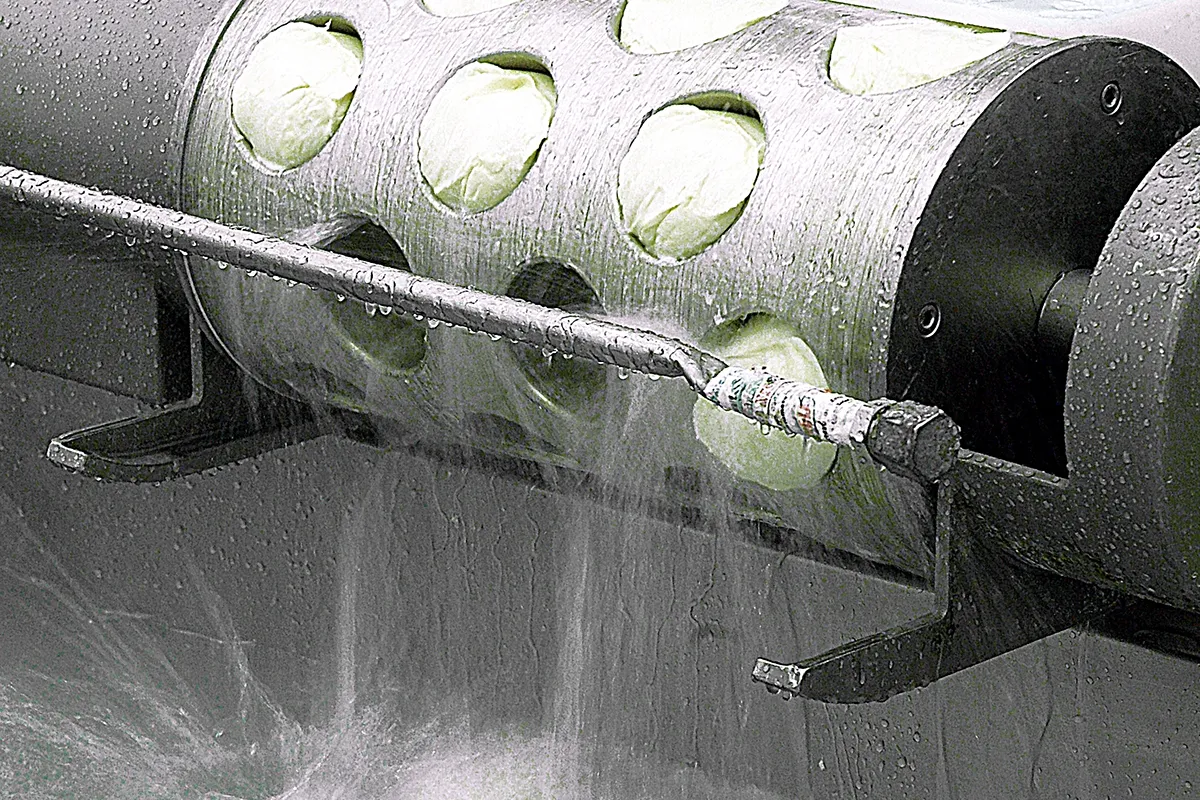
Even the smallest parts of a machine can have a significant impact on water consumption, including seemingly simple components such as nozzles and spray heads. By analysing large volumes of data and making it easier to test prototypes, designers can develop new technologies more quickly and efficiently than before. This enables continuous improvements in efficiency. For components that control water flow and distribution, this often means performing the same task with less water. This is often the case with cleaning equipment, as new nozzles and distribution components deliver greater power and coverage while using less water.
Consider your consumables
Equipment on food and beverage production lines not only needs regular cleaning and maintenance, but also relies on consumables such as oils and lubricants to ensure consistent, optimal operation. Some lubricants can eliminate the need for water entirely in certain parts of the production process, while also extending equipment life. The benefits are wide-ranging, from lower maintenance, water and operating costs to optimised equipment uptime.
Take action at every level
The ways in which the food industry can reduce water consumption range from major technology investments to small everyday actions or process changes that can make a significant difference over time. Even taking a proactive approach by learning how to reduce water consumption in day-to-day operations can help. After all, every ml saved makes a positive difference.
Question about this story? Ask your question
Keep following this
Get an email when a new story is published. No account needed.
- ThemeCleaning and protecting facilities
- SubjectSustainability