A new coffee pad line brings production up to speed
Texte & photos Colruyt Group
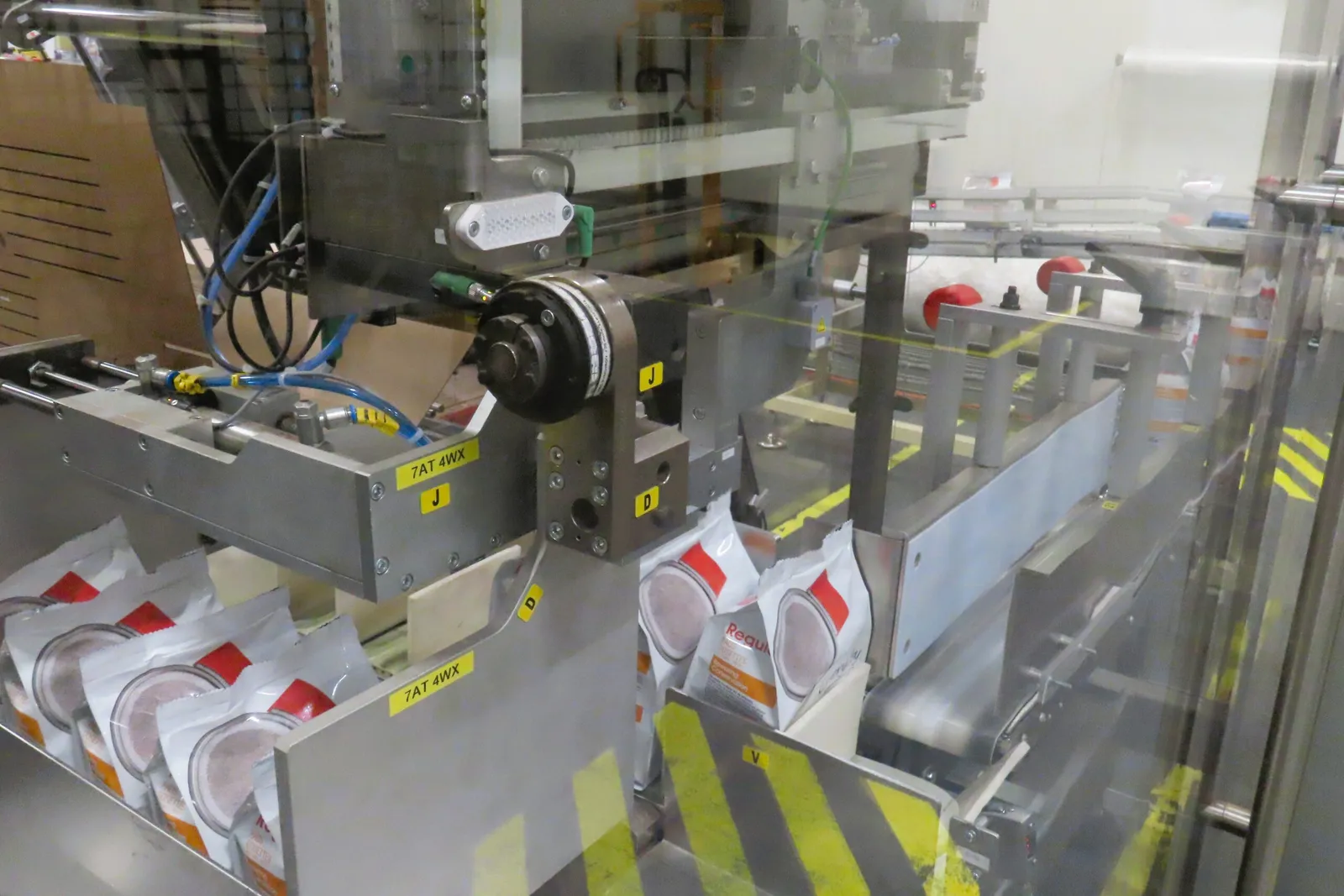
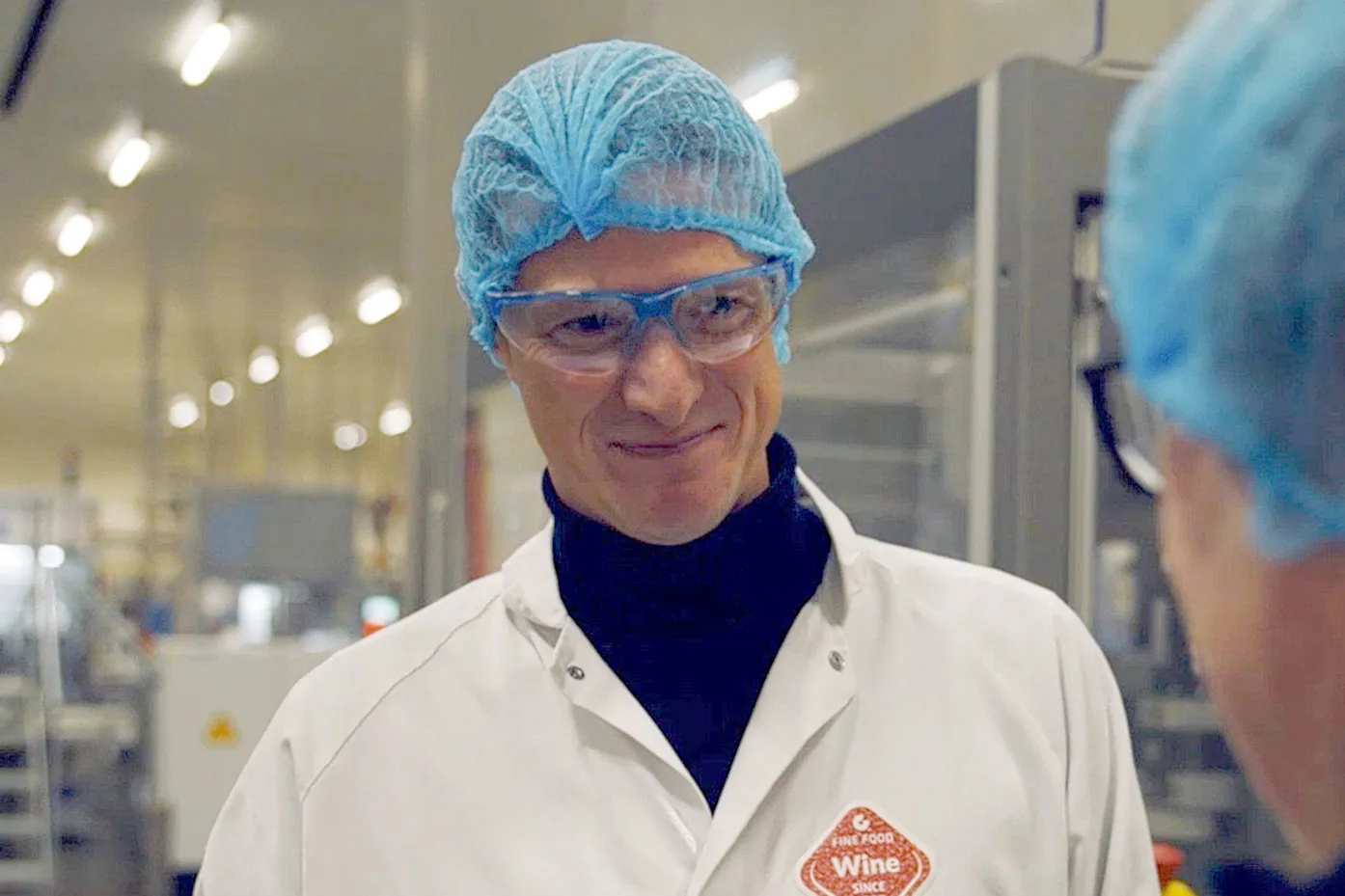
One year after commissioning, Colruyt Group Fine Food Coffee’s new pad line is running at full capacity. Start-up issues have been resolved, the process has stabilised and the results are clear: high throughput, less waste, reduced downtime and greater operational safety, while meeting requirements for safety, ergonomics and sustainability. “A year on, we can see that the line is doing exactly what we expect of it: running steadily, with predictable production and far fewer fluctuations. That gives us confidence,” explains Björn De Schinckel, Head of Machine Fleet at Colruyt Group Fine Food Coffee & Wine.
The decision to invest in a new pad line was driven by more than the need for greater speed. Three key factors came together:
- Capacity and continuity: The old line had more intermediate stages, including weighing on a conveyor. This configuration could no longer guarantee the required volumes or robust production planning.
- Sustainability and regulation: The move to sustainable papers and thinner, recyclable films requires highly precise forming and sealing technologies.
- Ergonomics and safety: The new system reduces manual handling and incorporates guards, interconnected emergency stops and a fully enclosed process.
Roasting, grinding and degassing
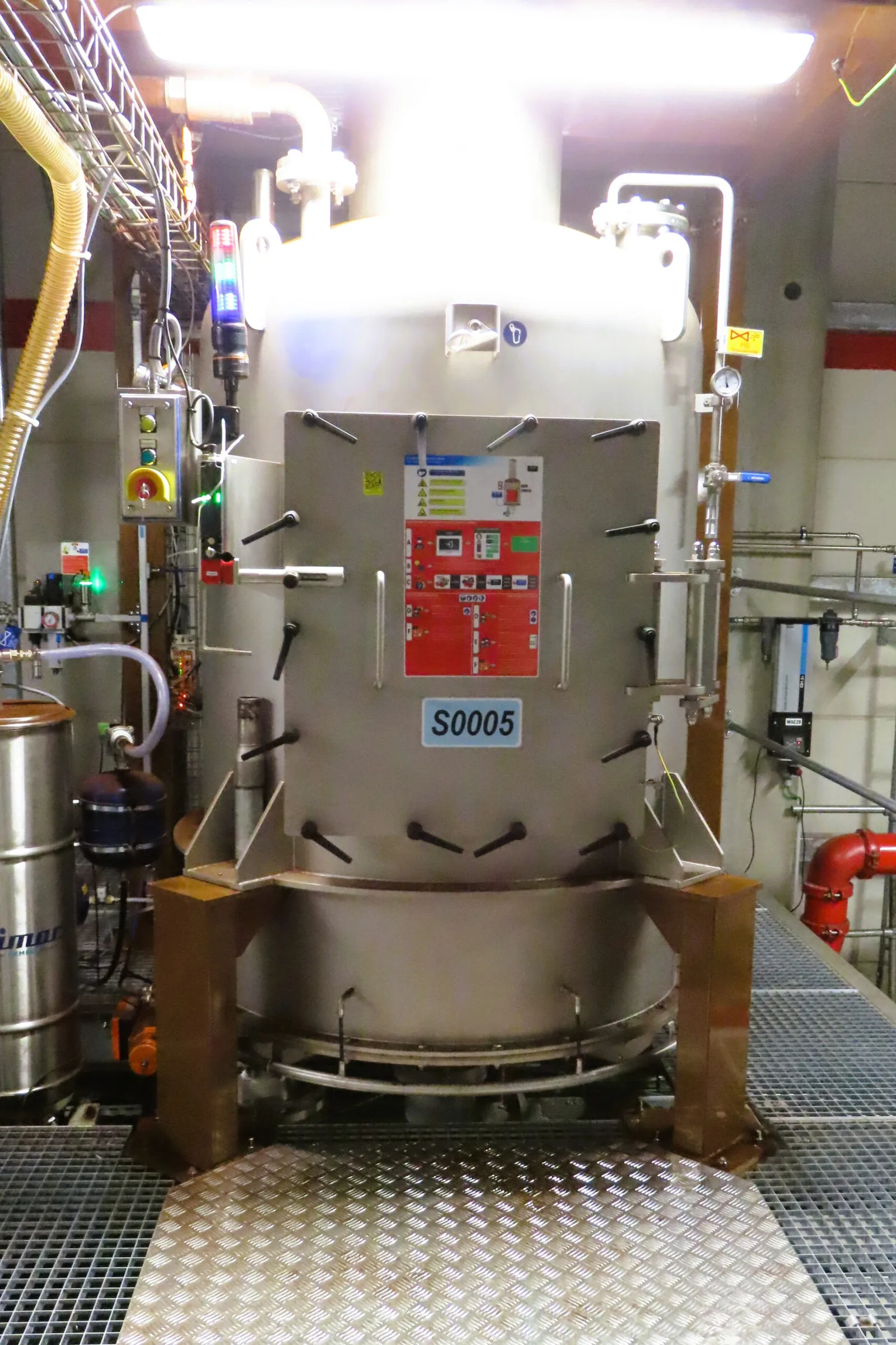
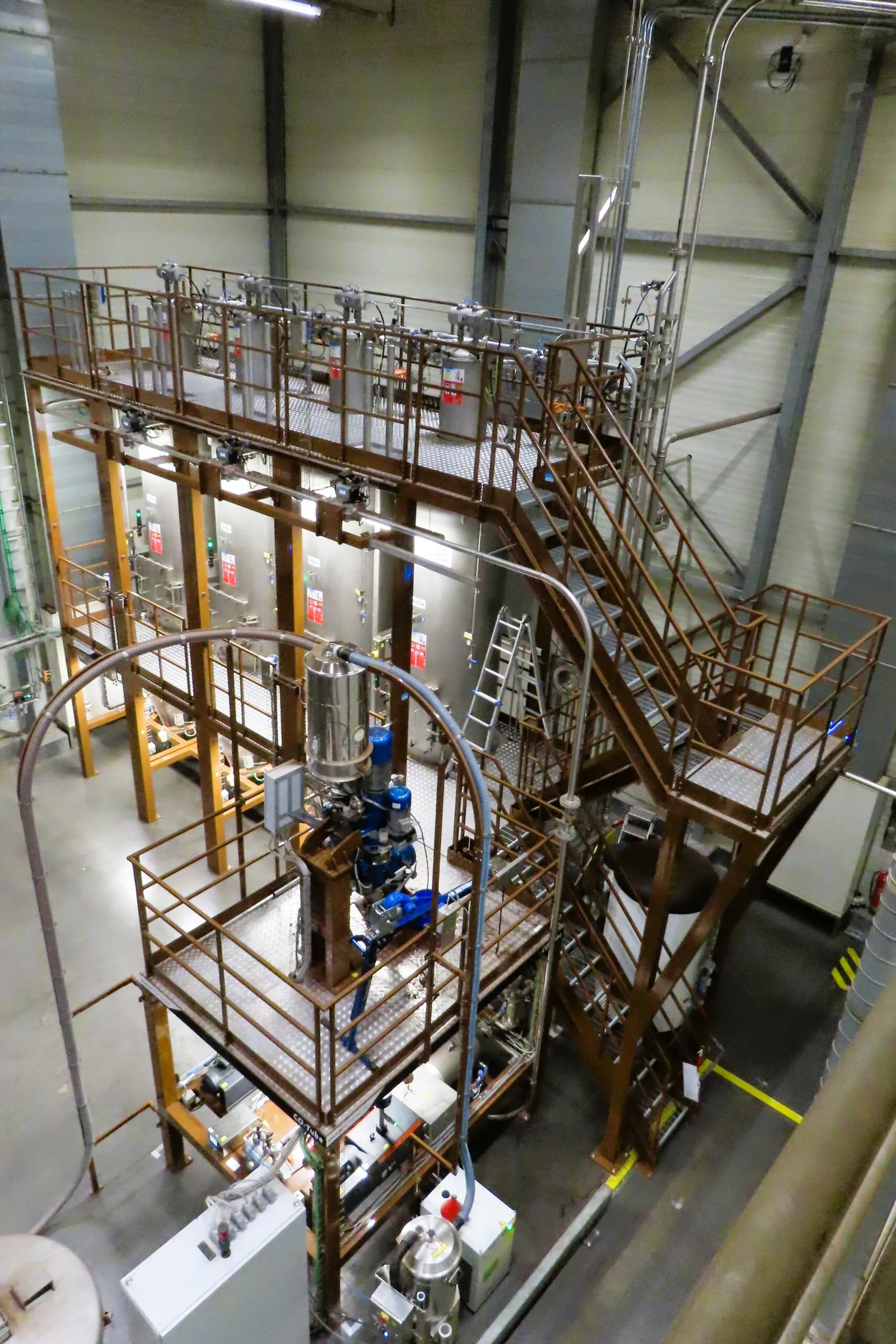
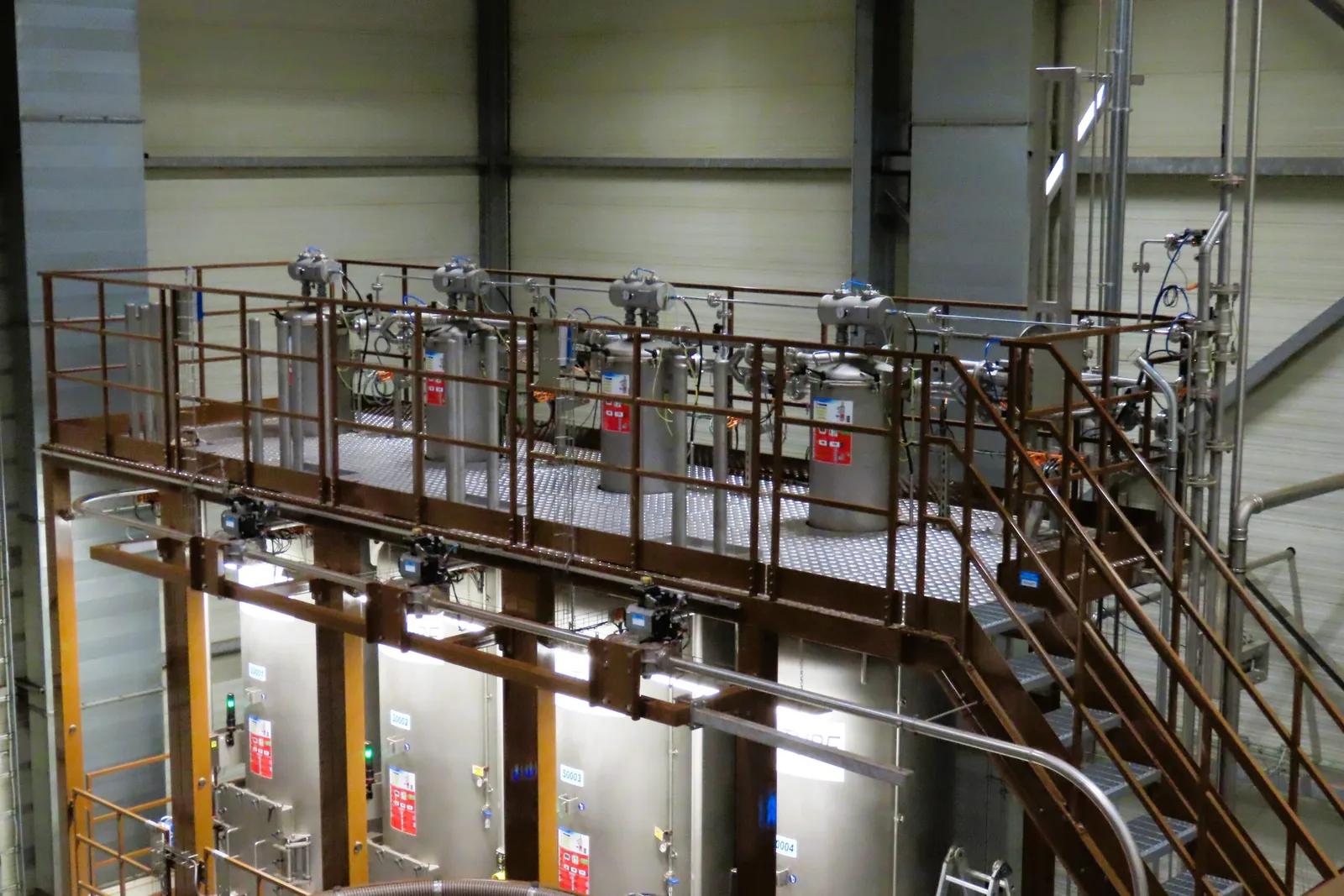
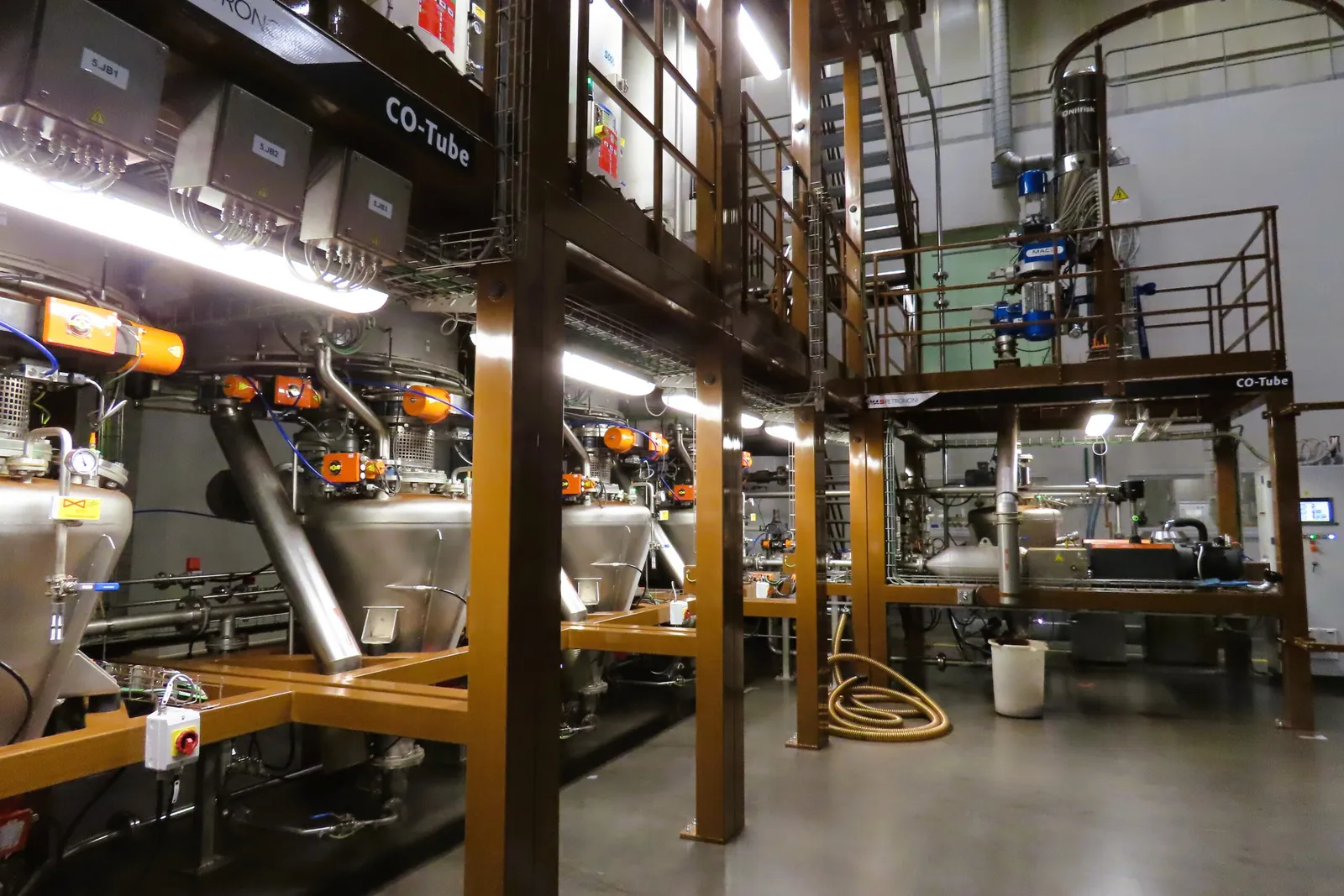
The new line is designed as a continuous, coordinated process, with raw materials, process control and packaging flowing seamlessly from one stage to the next. After roasting, the coffee is ground and transferred to four buffer silos for controlled degassing, typically for 7 to 8 hours, depending on the recipe and bean quality. This step eliminates the need for a degassing valve in the packaging.
Previously, every pack had a valve, requiring additional components and creating a risk of malfunction. The process is now fully enclosed and stable. “The degassing system has completely replaced the valve system. Fewer components, fewer risks and a cleaner line,” says Björn De Schinckel.
Smart dosing and forming
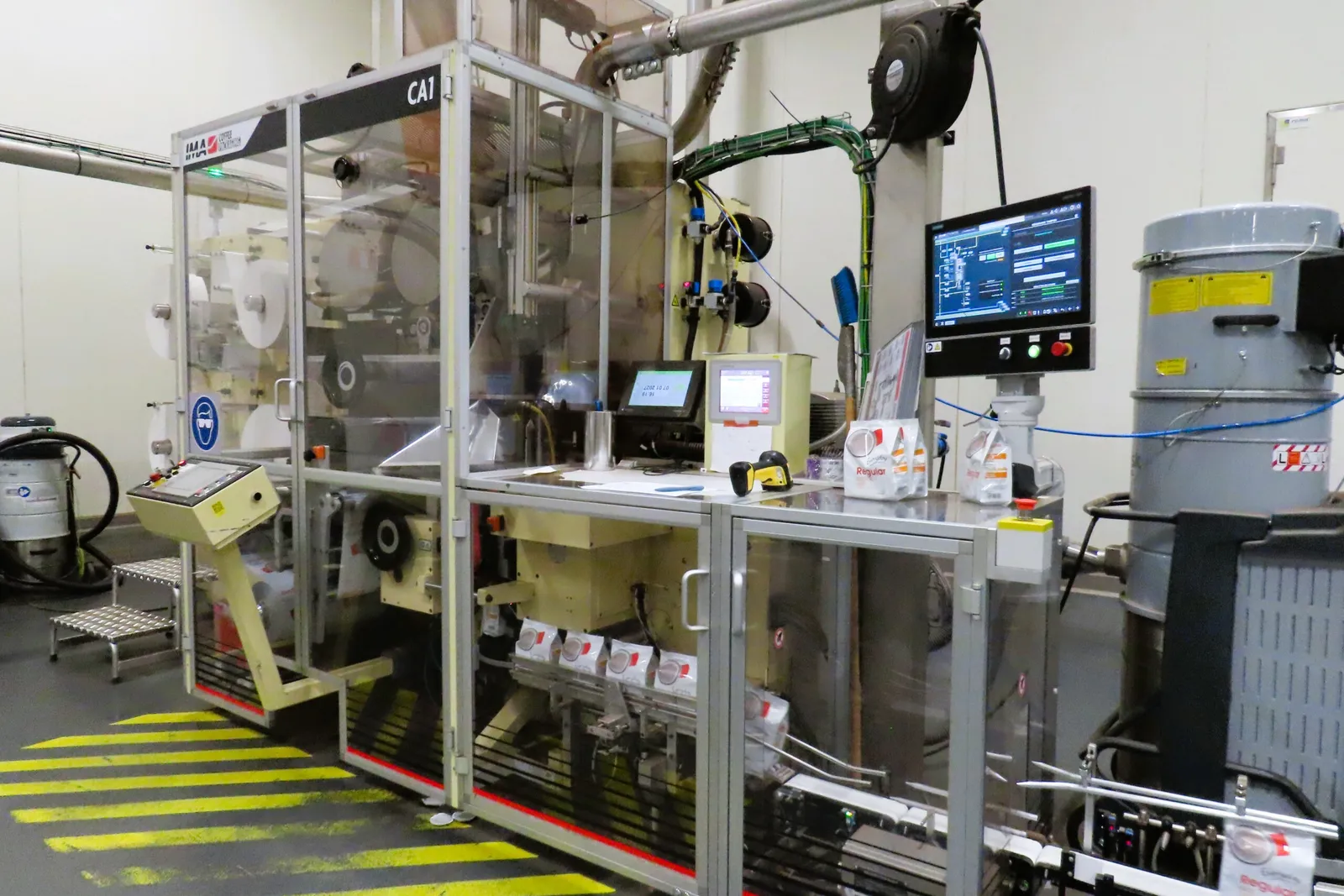
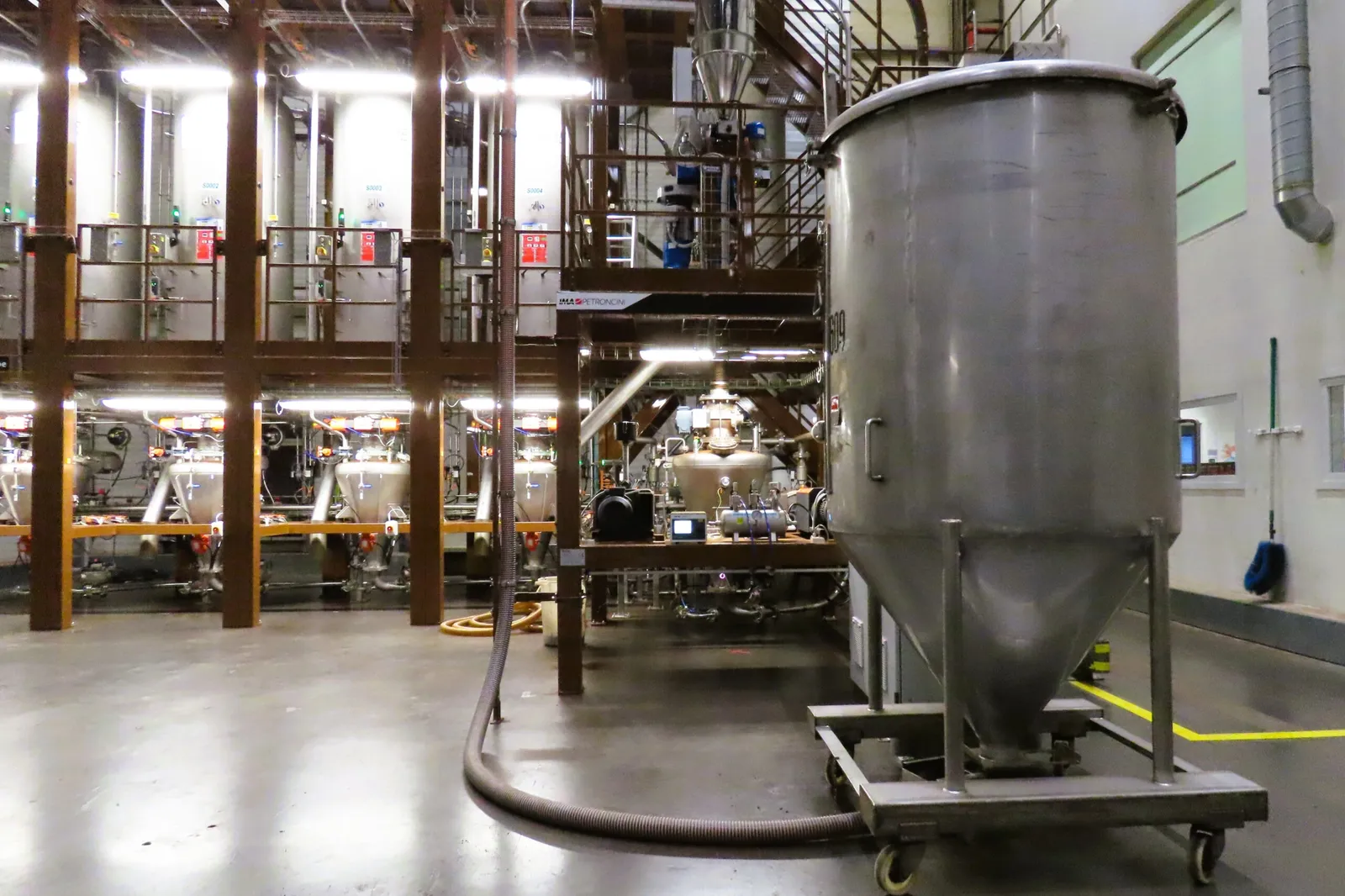
From the buffer silos, the coffee is conveyed through a closed circuit to a hopper fitted with sensors that monitor flow rate and feed, preventing compaction and ensuring a constant mass flow. Dosing units deposit the precise quantity required onto the bottom paper, after which a rotary preformer shapes the pad and seals it with the top paper.
A key requirement is to achieve a clean sealing area, free of coffee residues. This reduces product waste and ensures uniform pads.
Cutting, stacking and packaging
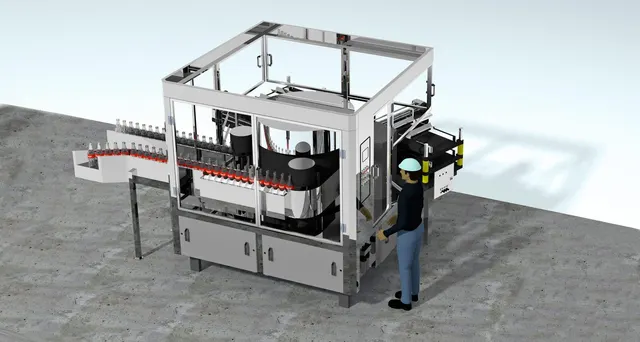
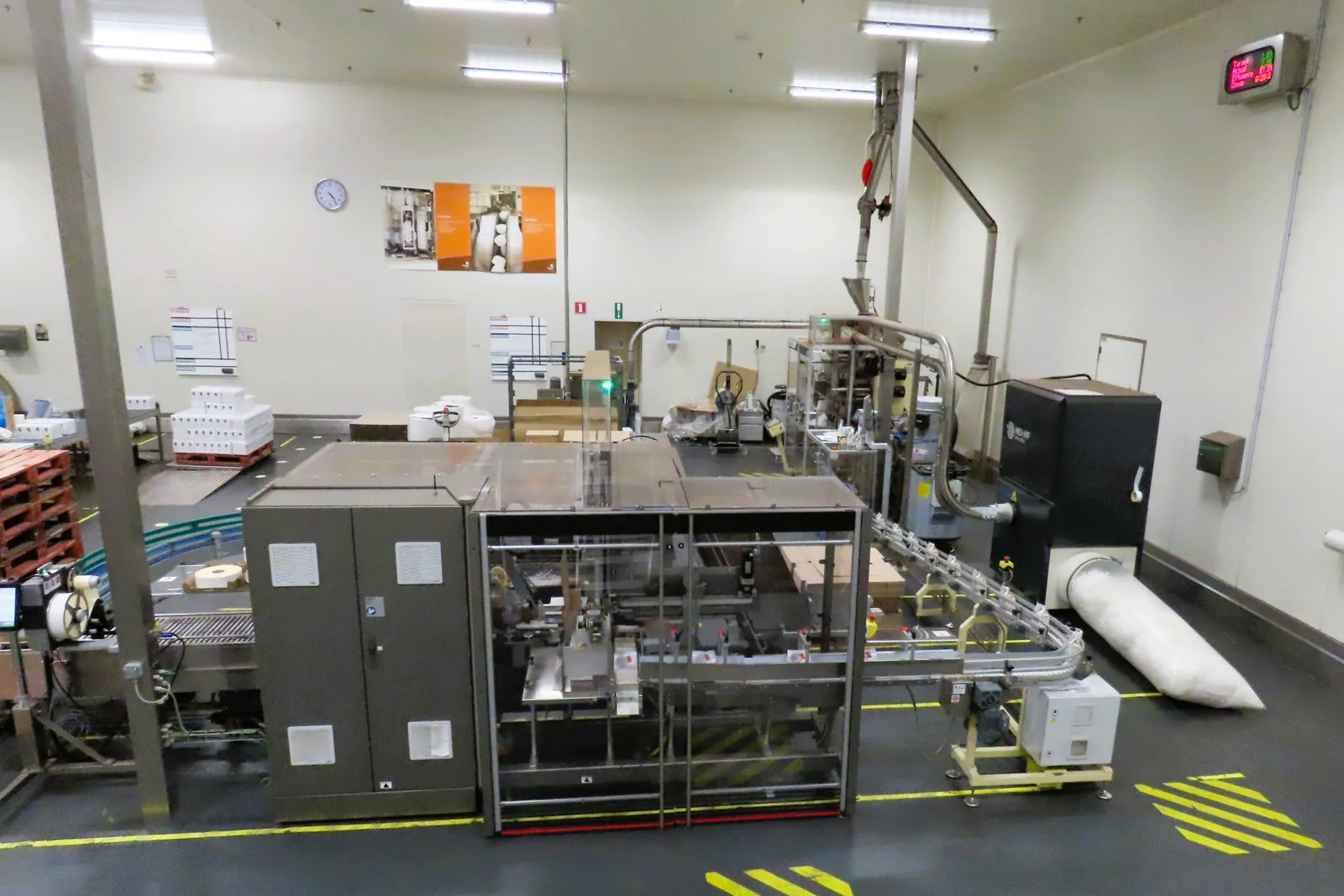
Once sealed, precision knives cut each pad cleanly. The pads are then stacked in cassettes (2 × 18, or 36 units) and conveyed to a vertical flow-wrapper. The corner and edge seals are made at temperatures set by zone, allowing very thin, smooth films to be sealed perfectly.
The finished product then passes over a checkweigher before being conveyed to a carton former, which erects, fills and closes the boxes.
Speed and stability in figures
- Throughput: ~800 pads/min, stable in production;
- Output: ~8,000 packs per shift as the standard target (range of 7,500 to 9,000 depending on the recipe and conditions);
- Downtime: reduced to ~6 to 7% (unplanned stoppages, excluding scheduled maintenance);
- Staffing: 1 operator on the line + 1 dedicated technician per shift (trained by the supplier, with secure remote support);
- Materials: transition to thinner, smoother films; precise sealing reduces rejects and clean seals limit product waste.
Production now runs at a steady pace, with fewer fluctuations. The line is predictable, making planning and supply easier.
Safety, ergonomics and control
Whereas the old line still had exposed mechanical components, the new installation is fully guarded, with interlocked emergency stops and programmable safety logic. Operators work via an HMI that restricts access to parameters according to user permissions (operator, expert, manufacturer), preventing uncontrolled changes or adjustments.
Machine operation is fully standardised: settings are controlled through recipes rather than adjusted individually. This reduces errors and ensures process reliability.
Other benefits:
- Ergonomics: heavy handling between roasting and the line has been eliminated; material flow is automated;
- Operation: recipe-based HMI, limited variables and consistent settings;
- Safe maintenance: standardised interventions, with no work carried out on a moving machine;
- Process monitoring: from cut quality to root cause analysis.
In the cutting and forming area, high-speed cameras provide visual monitoring of the process. This monitoring has a clear engineering purpose: to detect deviations more quickly (paper tracking, knife position, preformer synchronisation), avoid unnecessary stoppages and target the root causes.
“The cameras let us monitor the cutting and forming stages at high speed. We can identify the source of deviations more quickly and take targeted action,” explains Björn De Schinckel.
Maintenance as a driver of stability
High throughput and precision mechanics call for rigorous cleaning and inspection. Colruyt Group dedicates a full 8-hour shift each week to planned maintenance: cleaning drums and vacuum circuits, checking precision components, overhauling knives and sealing units, cleaning micro-apertures and replacing wear parts in advance.
This maintenance is intensive, but it keeps the line stable. Planned stoppages mean fewer unexpected ones. Each shift has a dedicated technician, trained in depth by the supplier, with remote support available.
Sustainability and material choices
The new line supports material reduction and recyclability:
- Paper & film: suitable for mono-materials and thinner films, with specific conveying and sealing technologies;
- Reduced product waste thanks to clean seals and precise cuts;
- Degassing valve eliminated through pre-degassing: fewer components and simplified waste streams.
Collaboration and implementation
Colruyt Group worked with a key machine builder in Italy, supported by specialist subsidiaries for the submodules. Together, they developed safety cascades (interconnected emergency stops) and conveyors adapted for thin films.
Knowledge is also shared with other industry players on wear patterns and critical components.
Impact on the team and organisation
Over the past twelve months, initial problems have been resolved through OEE sprints involving maintenance staff, engineers and operators. Together, they analyse the data, prioritise problems and implement actions.
Operators are closely involved and contribute observations that feed directly into improvement plans. This has had a positive impact on several areas:
- Engagement: operators actively participate in OEE sessions;
- Stability: recipes and restricted access to parameters reduce variation between shifts;
- Comfort: ergonomic improvements (roll changes, side visibility) make day-to-day work easier.
Looking ahead
Palletising is still manual. One option under consideration is integrating a cobot to reduce the ergonomic burden on operators. The team also sees potential in predictive maintenance: correlating sensor and HMI data could help detect wear earlier and optimise replacement schedules.
The result: faster, more efficient, more reliable, and proven in practice
After a year of intensive use, the pad line in Ghislenghien is a stable production platform that meets the market’s volume and quality requirements:
- High throughput with little variation in production;
- Significantly reduced downtime;
- Faster fault analysis;
- Strong focus on ergonomics and safety;
- Reduced material use and recyclable packaging choices;
- Process governed through recipes and role-based access.
Question about this story? Ask your question
Keep following this
Get an email when a new story is published. No account needed.
- SubjectSolutions