HACCP requires continuous critical reflection
Texte Roeland Van Den Driessche | Photos DNV
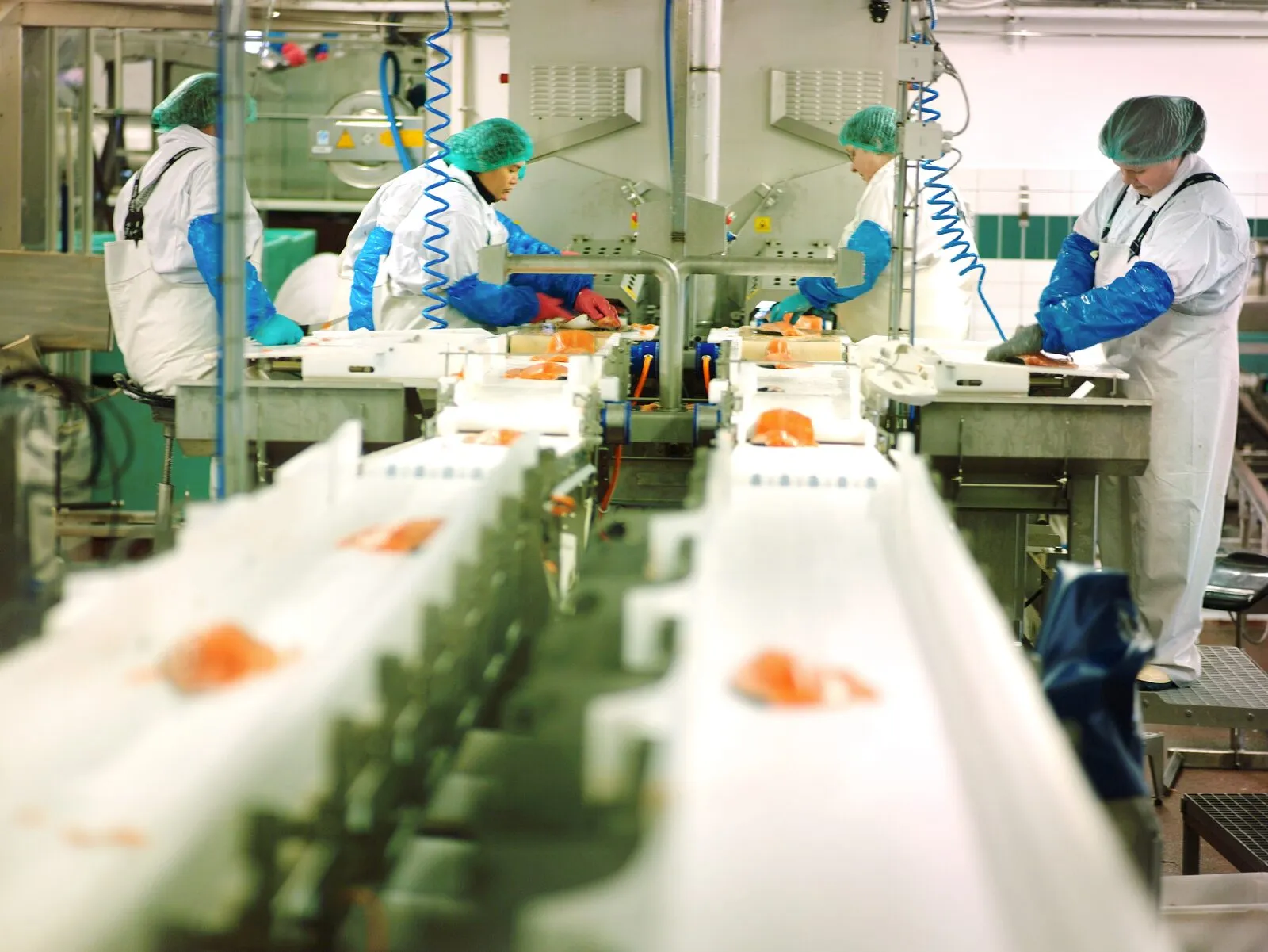
Over recent decades, the food chain has become considerably more complex. Technology helps manage this complexity and detect risks more quickly. But the human factor is still very much present. HACCP food safety systems therefore remain an essential guide for food businesses, even though their effectiveness depends entirely on how they are implemented in practice. “The system aims to limit risks, but they can never be eliminated completely,” explains Hans Pijpelink of DNV.
The HACCP method, or Hazard Analysis and Critical Control Points, was developed in the 1960s as part of the US space programme. The aim was to improve the management of food safety risks and reduce the risk of astronauts becoming ill during their missions. The tool was later developed further and remains the basis of food safety in many food businesses today. “The system identifies potential biological, chemical and physical hazards, determines critical control points and sets out monitoring, corrective actions, verification and record-keeping, step by step,” explains Hans Pijpelink.
Ground reality as the benchmark
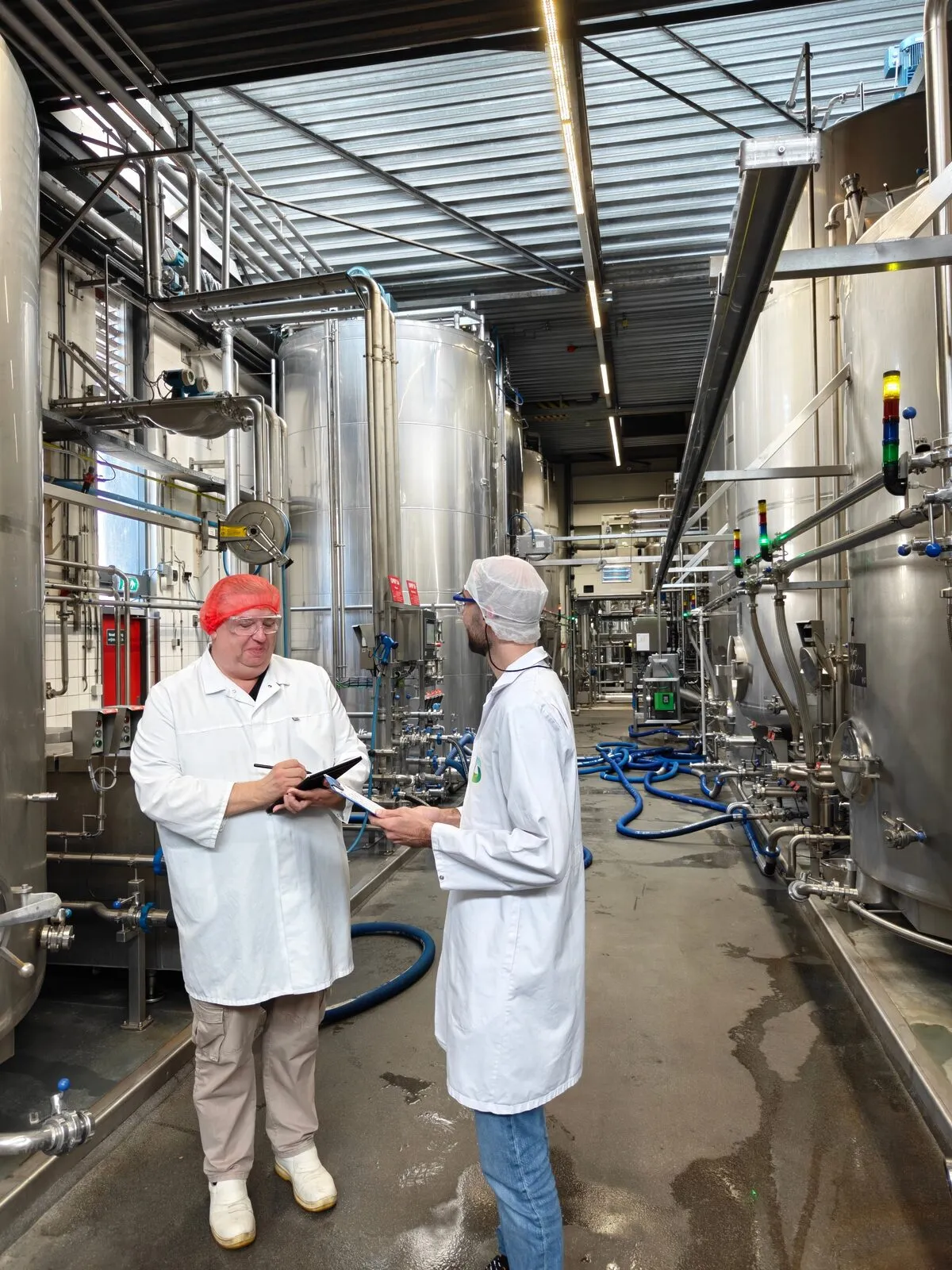
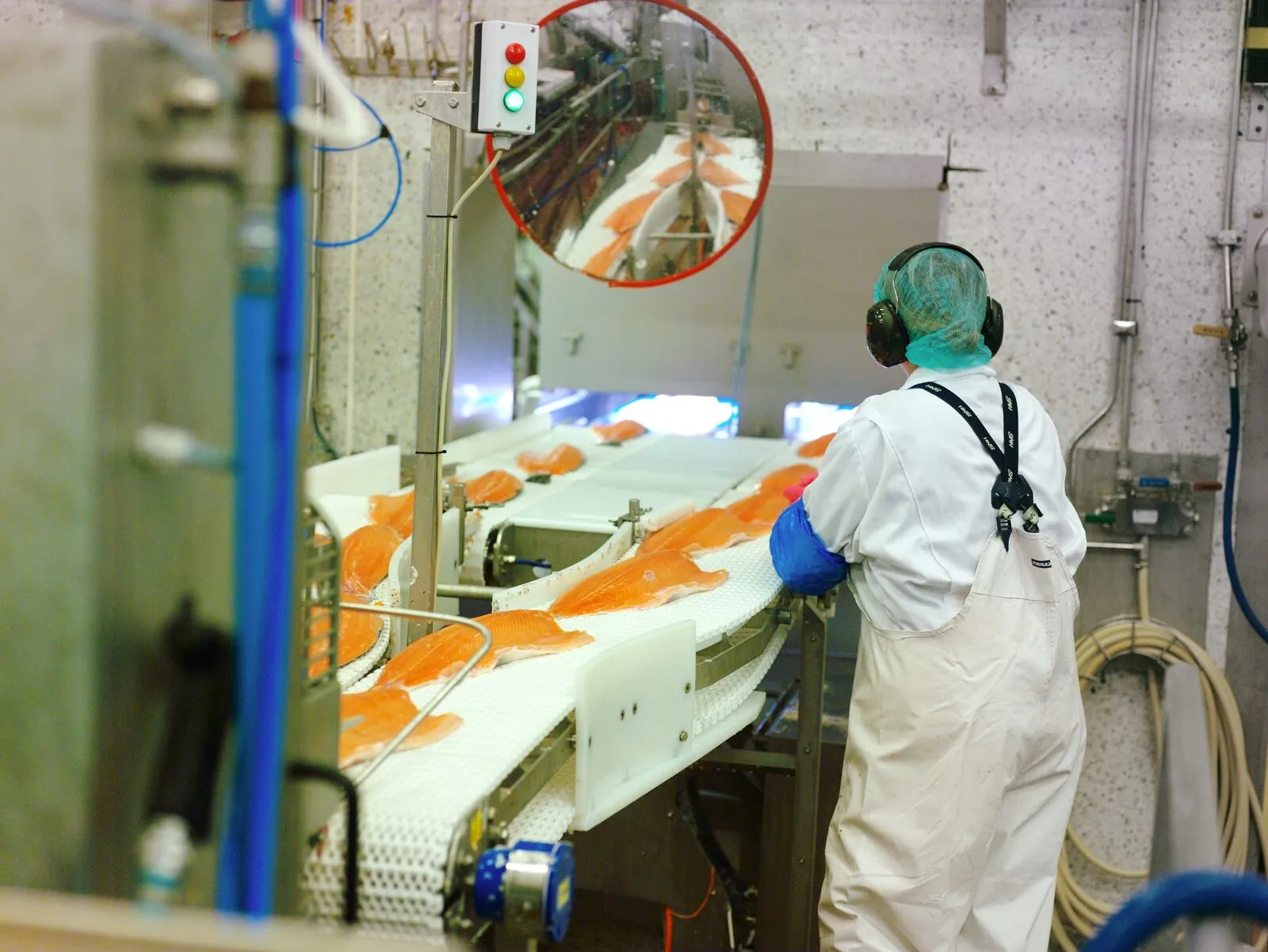
These principles remain relevant today, provided they are applied correctly. And that is where the problem lies. “Even if businesses have a well-developed HACCP plan, it is sometimes not put into practice on the shop floor,” says Hans Pijpelink. It is therefore essential to continually feed the risk analysis with day-to-day observations recorded in the workplace. “That is the only way to assess processes properly and adapt them where necessary. HACCP is therefore much more than a simple administrative exercise: it is a process of continuous adaptation and optimisation.” As supply chains become more international and complex, this principle becomes even more important. “Today, raw materials come from regions with different production conditions and standards, so it is important to carefully assess the reliability of suppliers, the conditions under which products are made and the associated risks.” Proper application of HACCP principles helps limit these risks, although they can never be eliminated completely. “It is important to recognise this too. That is the only way to identify areas for improvement and make targeted changes.” Technology can help implement the following steps. Sensors, automated records and ERP software are already making processes more transparent, while AI analyses larger volumes of data more quickly, helping to detect risks at an early stage. “However, there is no such thing as zero risk, and human error is always possible,” acknowledges Hans Pijpelink. Training therefore remains vital. “Repeat, repeat and repeat again: that is the key. Even when workers know their processes inside out, you need to keep explaining why certain checks are necessary and why accurate record-keeping is so important.”
Keep observing and adapting
Management also has an important role to play. It must ensure that staff receive adequate training, but it must also lead by example and keep food safety among the company’s priorities. “At the same time, businesses must continue to take a critical look at how they operate. One useful exercise, for example, is to ask a new employee to walk around the business and check whether the reality on the ground still matches the plans. They will often notice things that a colleague who has worked there for years no longer sees.” According to Hans Pijpelink, this is precisely the key to a system that truly delivers in practice. “So don’t assume that everything is fine. Keep observing, checking and questioning processes,” concludes Hans Pijpelink.
Would you like to find out more about HACCP training and certification? Visit www.dnv.be/food for more information.
Question about this story? Ask your question
Keep following this
Get an email when a new story is published. No account needed.
- ThemeManaging food safety risks
- SubjectFood safety