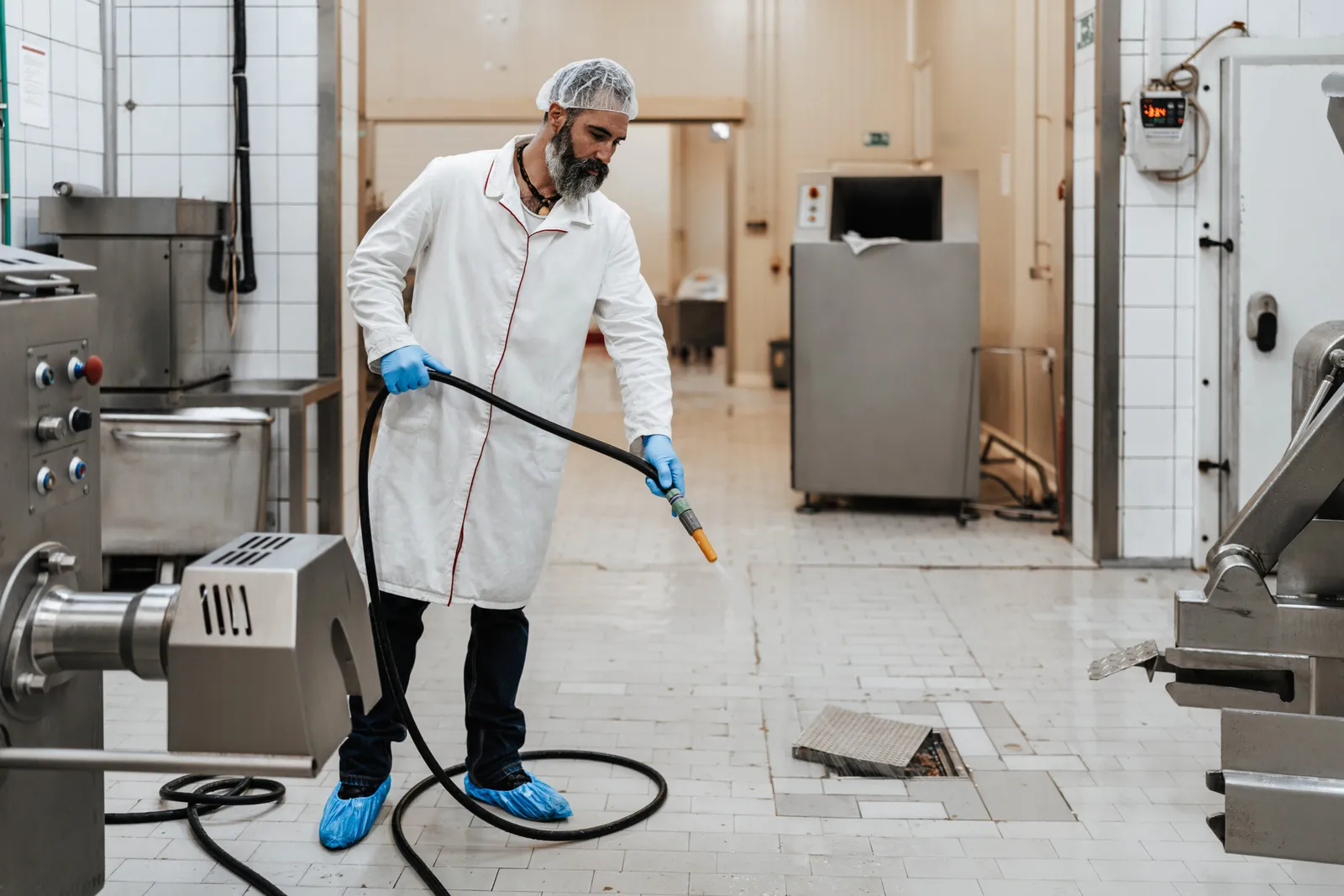
Dehumidification is the final key step in the cleaning cycle
Texte Valérie Couplez | Photos Munters
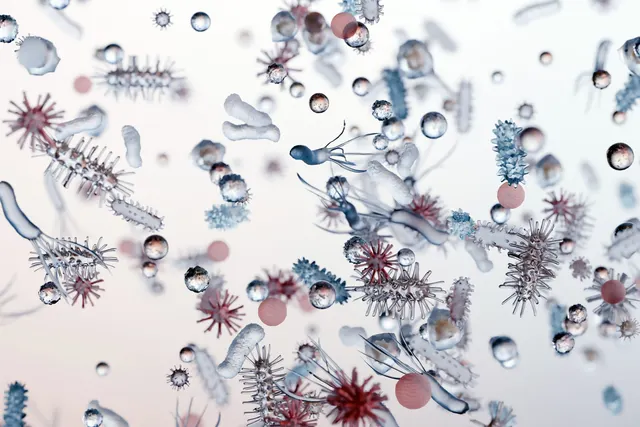
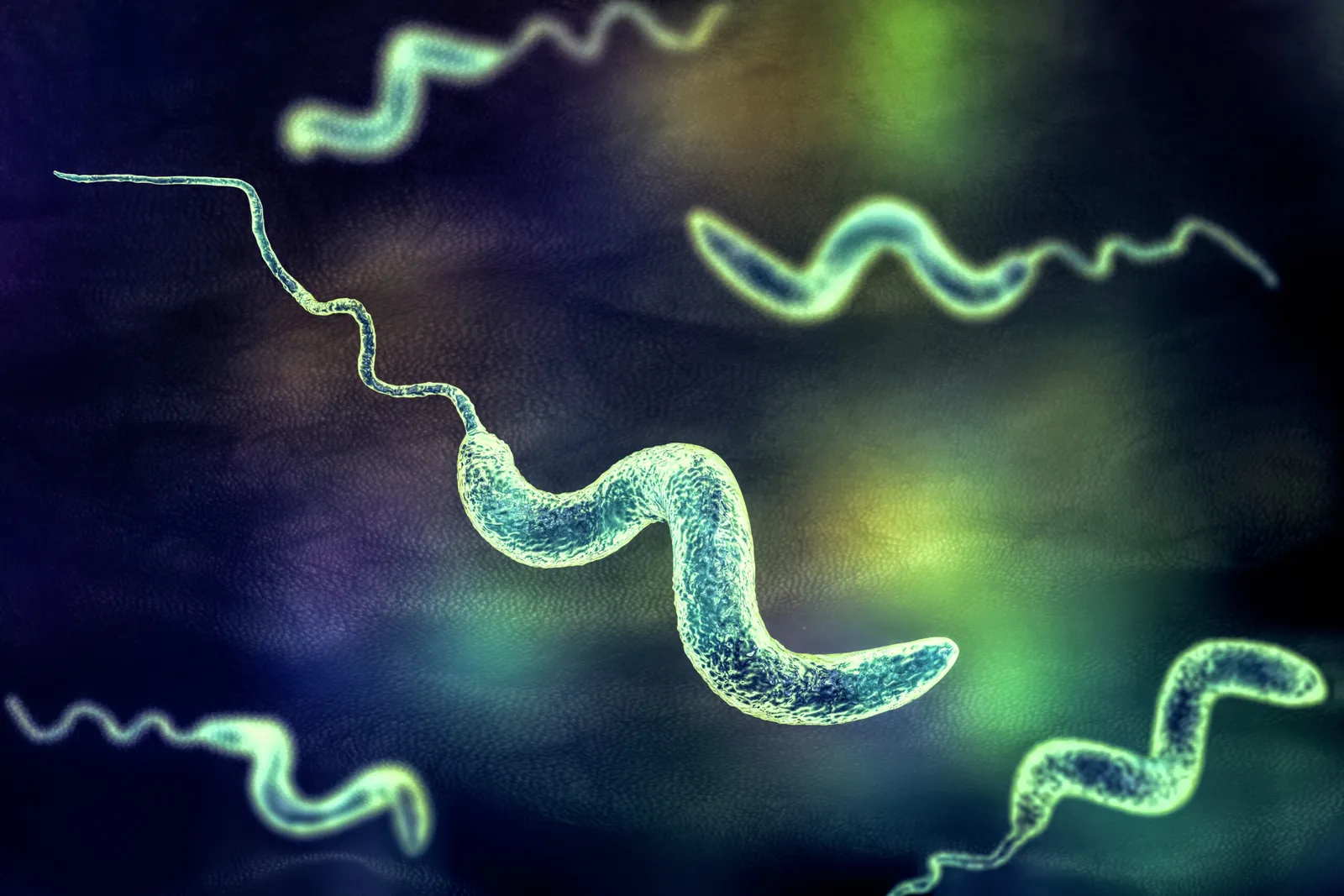
Are you already using dehumidification in your food production? Even a tiny amount of Campylobacter or Listeria monocytogenes bacteria can have disastrous consequences. Scientific studies show that the more humid the air, the more likely bacteria are to spread. This is because they need water to support their cellular processes. Good control of humidity levels in your production facility is therefore essential to ensure the food safety of your products. That is why many companies have already made dehumidification the final step in their cleaning cycle and rely on Munters technology to ensure food safety in their production. The figures show that it works.
The importance of dehumidification is undeniable. The figures clearly demonstrate the impact it can have on bacteria and, consequently, on food safety in your production. A study (Qiu et al., 2022) shows that bacterial growth at a relative humidity of 70% is 22.3 times higher than at a humidity of 50%. This means that reducing water activity has a considerable effect on microbial growth. For example, it can extend the lag phase and reduce the growth rate and cell production.
Rapid drying leads to a sharp reduction in Listeria monocytogenes
Research published in the International Journal of Food Microbiology highlights the crucial importance of humidity control and shock drying in the fight against Listeria monocytogenes. This bacterium, which can grow even at refrigeration temperatures and form resistant biofilms, presents particular challenges for the food industry. Both intensive drying and controlled rehydration are essential to reduce the bacterium’s viability and damage its cell membranes. This helps improve hygiene conditions in food production areas. Shock drying and rehydration create dryness and water stress, weakening the bacterium’s cell membrane and making it permeable. Combining cleaning, disinfection and rapid drying has proved particularly effective in reducing microbial growth in just four days (see graph).
Marked reduction in total germ count for Campylobacter
Another study (Dzieciolowski et al., 2022) also provides compelling evidence that Munters dehumidifiers can significantly reduce Campylobacter contamination on transport crates. Treating the crates for two hours with warm, dry air using a Munters dehumidification system resulted in a remarkable decrease in the total bacterial load, which indicates the presence of Campylobacter. This reduction, equivalent to an average decrease of 3.4 log, illustrates the profound impact of Munters technology in tackling microbial threats. The total number of Enterobacteriaceae also fell substantially after treatment with Munters dehumidifiers, by 3.8 log.
Effective use of Munters dehumidifiers can therefore reduce the number of infections.
The difference between cooling and desiccant drying
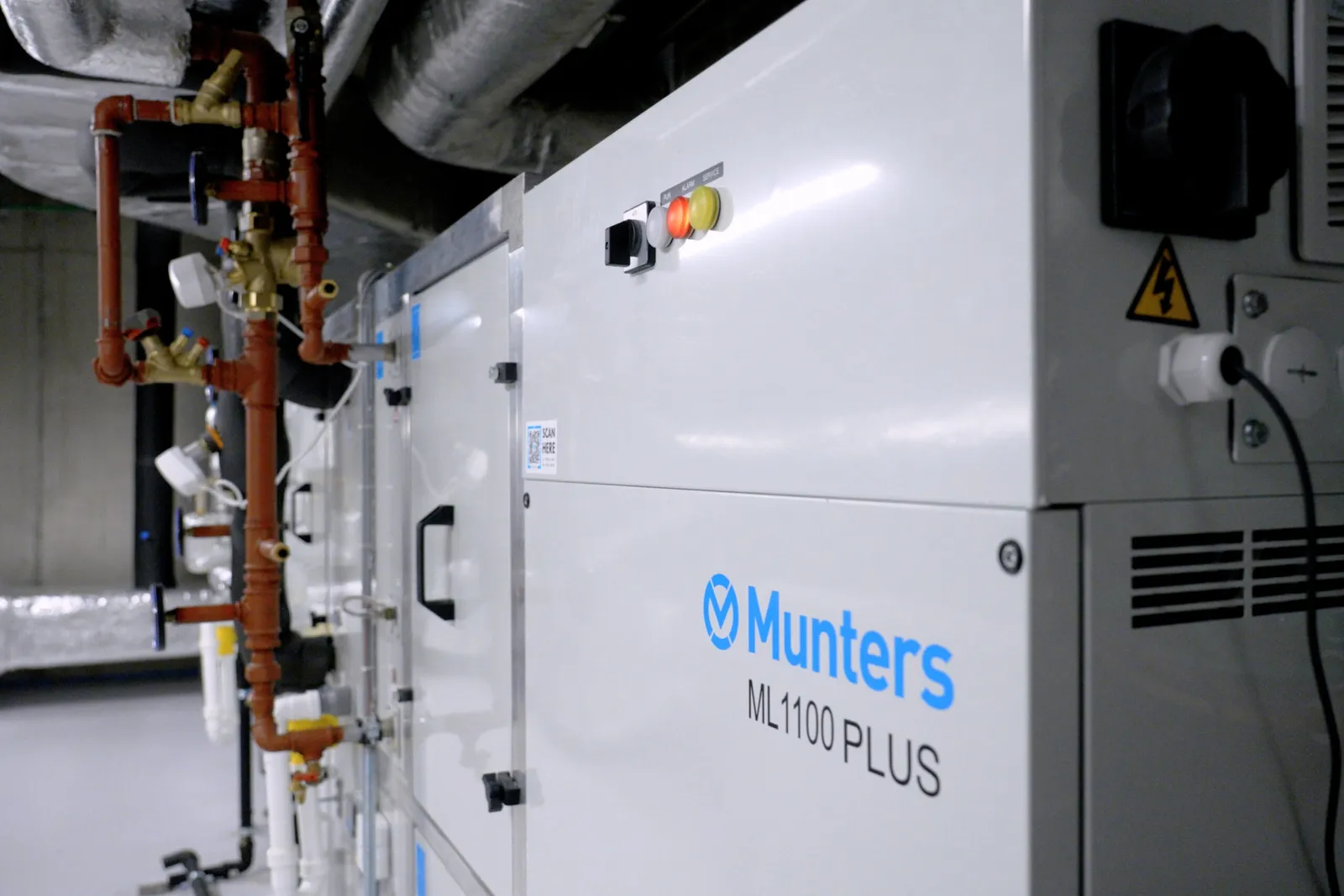
Air can be dried in several ways. Cooling and desiccant drying are the most common techniques. Cooling uses a closed refrigeration system and a fan. Air is passed over a cold evaporator coil, causing water vapour to condense as a result of the intense cooling. The condensed water vapour is collected in a drip tray and drained through a pipe to a collection tank or the sewer. Desiccant drying, invented by Carl Munters, uses highly effective desiccants, such as silica gel, which absorb moisture in vapour form. These substances are impregnated into a rotating ceramic wheel. Humid air is blown through the wheel, leaving its moisture behind. The dried air then exits the desiccant dryer. The saturated part of the rotor is regenerated by adding heat to a smaller airflow. This heat can come from electricity, gas or steam, but waste heat can also be used to regenerate a large part of the rotor. The hot, humid air is then exhausted outside. In the food industry, desiccant drying is essential. Technologies such as the Munters rotor prevent condensation without the need for a drip tray. The rotor has an antibacterial effect and is heated every 8 minutes to temperatures above 60 °C, maximising the drying effect. Find out how Munters can help improve your cleaning cycle.
Why choose Munters dehumidification technology?
- Drying at all temperatures, even below 0 °C;
- Low relative humidity (RH), even at low temperatures;
- Faster evaporation of water thanks to a low dew point (low RH);
- Shorter drying times after cleaning;
- Maximum disinfectant effect;
- No condensation forming in or behind evaporators (preventing cross-contamination);
- Reduced energy consumption by cooling systems.
Question about this story? Ask your question
Keep following this
Get an email when a new story is published. No account needed.
- ThemeCleaning and protecting facilities
- SubjectFood safety