Biofilm, the invisible enemy in the food industry
Texte & photos Christeyns NV
Imagine this: your production environment is spotless, thanks to a skilled, experienced cleaning team. You also use effective cleaning and disinfection products. Yet your finished-product analyses keep revealing microbiological irregularities. This could be a sign of biofilm… How can you eliminate biofilms and prevent product recalls?
Biofilms form when small amounts of organic soil, invisible to the naked eye, remain on surfaces in the production environment. These residues provide fertile ground for bacteria, which develop in several stages to form a biofilm. A protective polymer layer forms around the bacteria, isolating them from their surroundings. As long as the bacteria remain within this biofilm, they cannot be detected by standard microbiological tests. But as soon as the biofilm breaks down, the bacteria spread rapidly. This can lead to a sudden increase in the presence of microorganisms and, ultimately, contamination of the production process.
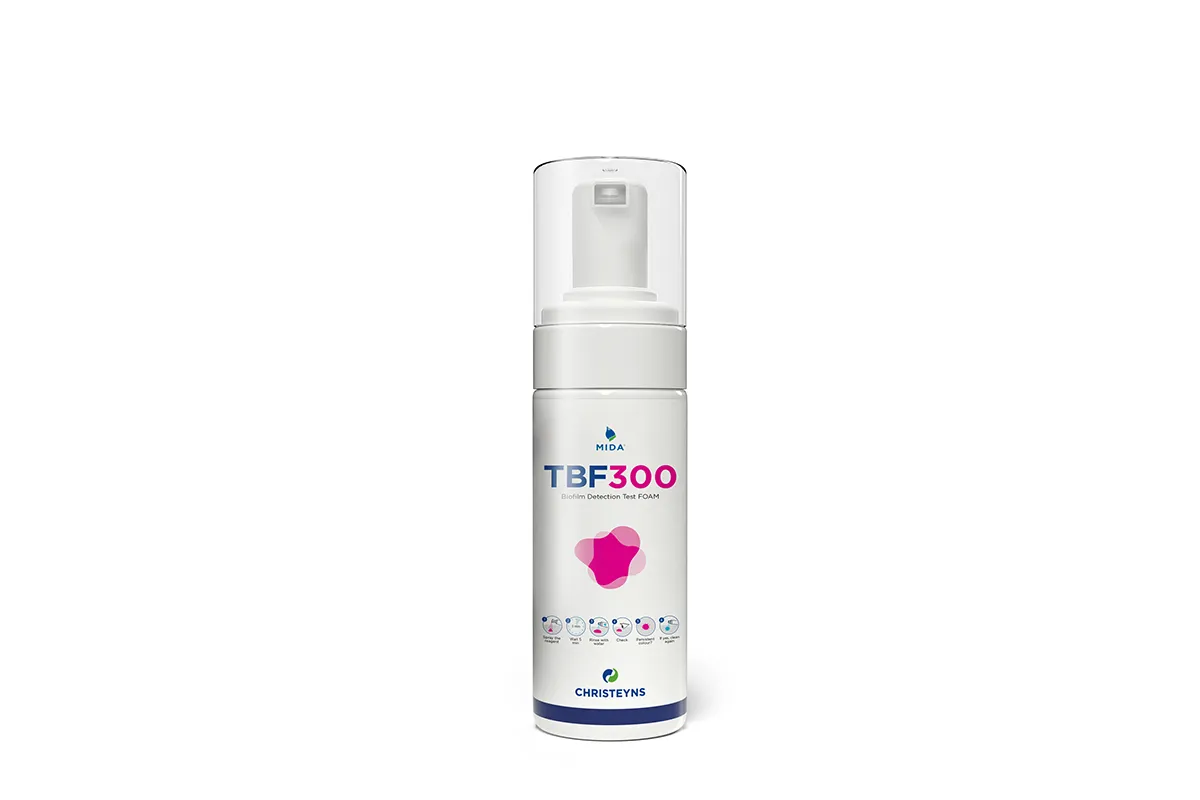
Rapid test: TBF 300
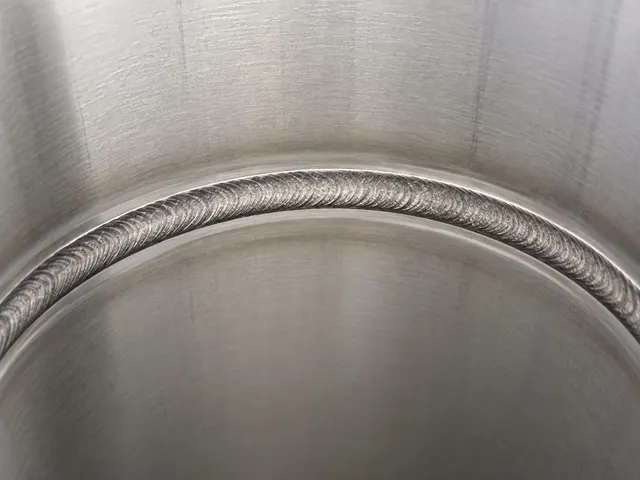
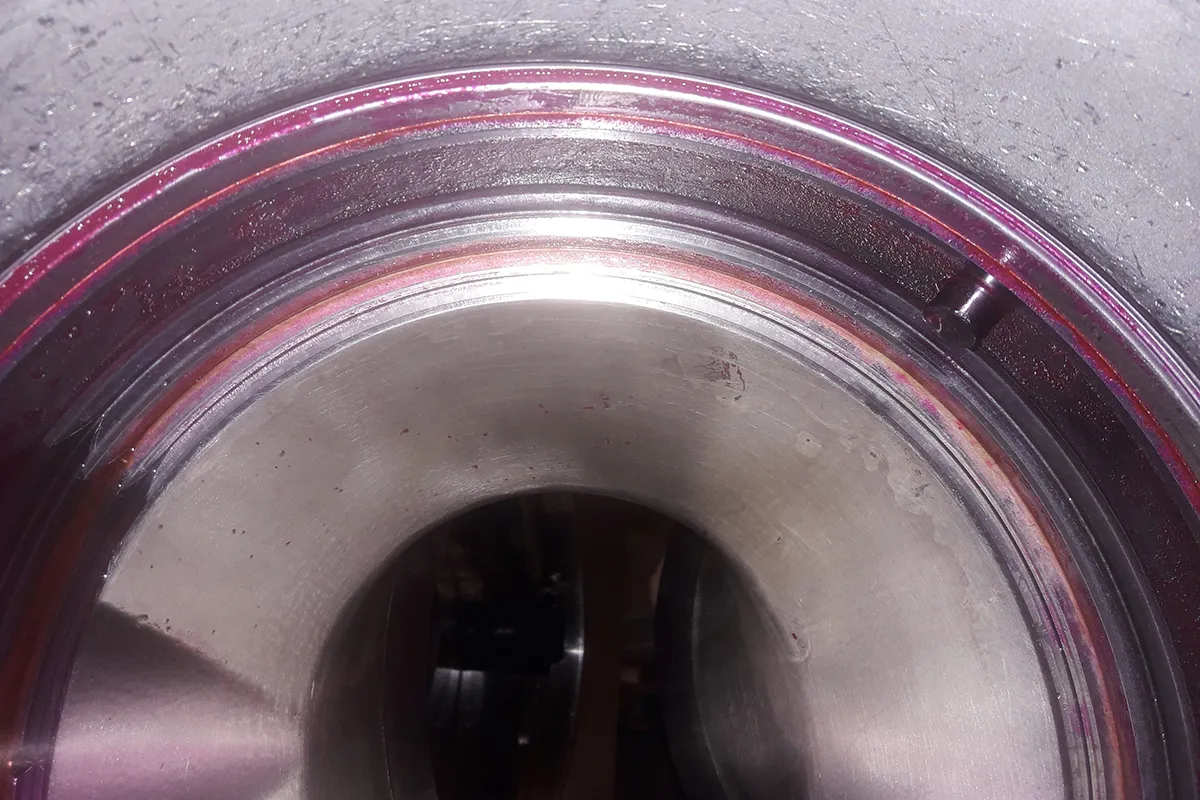
How can you be sure it is a biofilm? Christeyns has developed a rapid test to detect biofilm: the TBF 300. The product binds to the biofilm’s polymer layer within minutes. Hugues Legrand, Food Hygiene Consultant at Christeyns, explains how the TBF 300 works: « Before a biofilm audit can be carried out, the stainless steel surface must be perfectly clean. This requires a thorough cleaning process, starting with an alkaline treatment, followed by acid cleaning and finishing with disinfection. The audit can only be carried out once the surface is completely free of organic and inorganic soil and microorganisms. We then apply the TBF 300 to exposed stainless steel food contact points, leave it to work for five minutes, then rinse. A pink colour appears only where biofilm is present. »
A biofilm-free protocol
As soon as Christeyns detects a biofilm, a client-specific, two-phase plan is put into action. The first phase consists of a curative enzyme-based cleaning programme. Hugues explains: « To eliminate biofilm, we use enzymatic cleaning products. These are natural proteins that break down the polymer layer into water-soluble particles. Disinfectants can then eliminate the bacteria in the biofilm. After cleaning, the same contact points are checked again using the TBF 300. »
« Biofilm can always form again. That is why we recommend a second phase, a preventive protocol. This cleaning programme incorporates enzymatic products once a week to prevent any new biofilm from forming. »
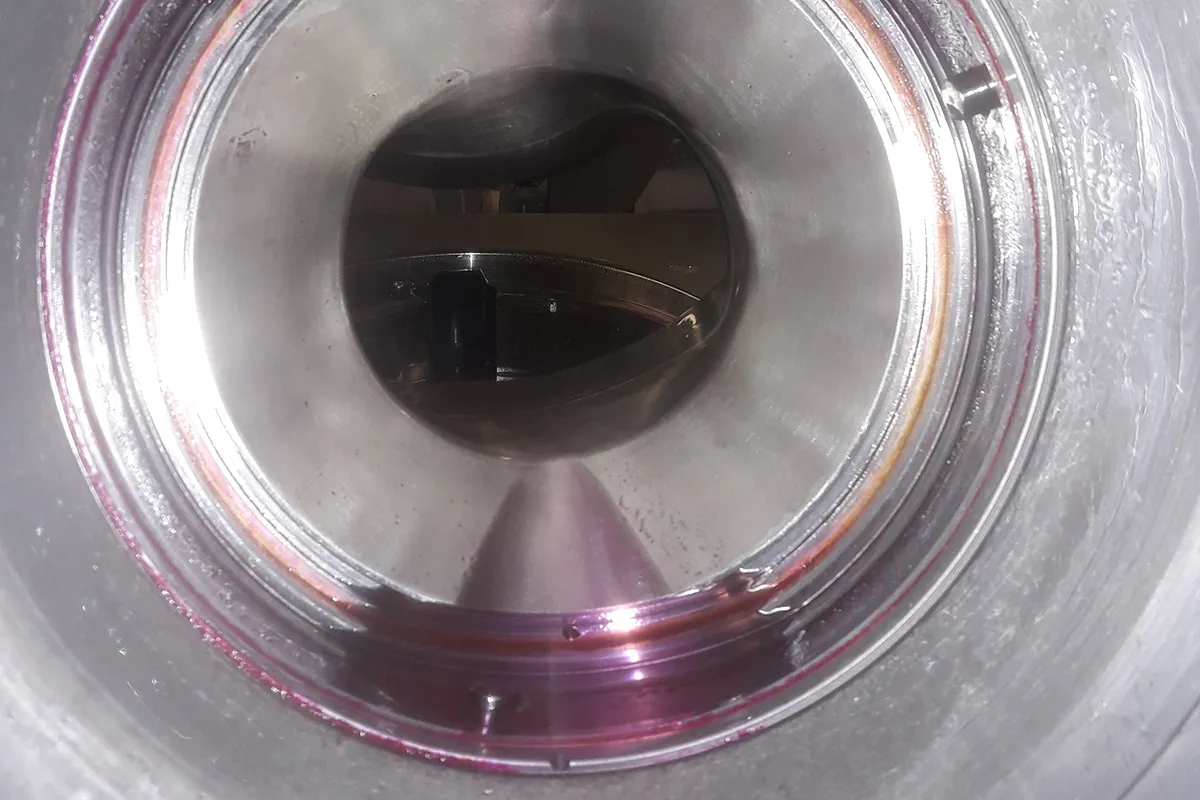
An effective solution
In practice, combining rapid detection with the TBF 300 and implementing the biofilm protocol offers an effective solution to the complex problem of biofilms. Taking prompt action considerably reduces the risk of recontamination, resulting in better quality and a longer shelf life for finished products in your production environment.
Een zakelijke vraag aan Christeyns NV? Get in touch
Companies in this story
Keep following this
Get an email when a new story is published. No account needed.
- ThemeManaging food safety risks
- SubjectFood safety
- CompanyChristeyns NV