Efficient and hygienic process water drainage

10 tips for wastewater drainage in the food industry
Hygienic wastewater drainage is extremely important when designing production areas and industrial kitchens. Floor gullies, as well as grated and slot channels, have been specially designed for specific applications. Stainless steel, the most hygienic material after glass, is used as the raw material. That is the first rule. Here are 10 tips on wastewater drainage to help you with construction or renovation projects.
1) Floor gullies with cylindrical drain bodies
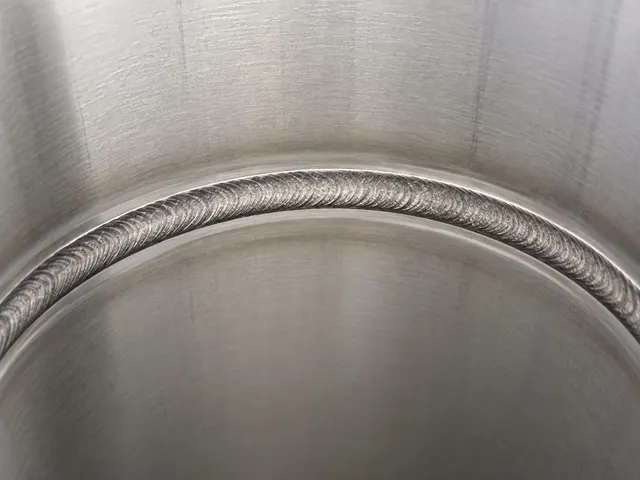
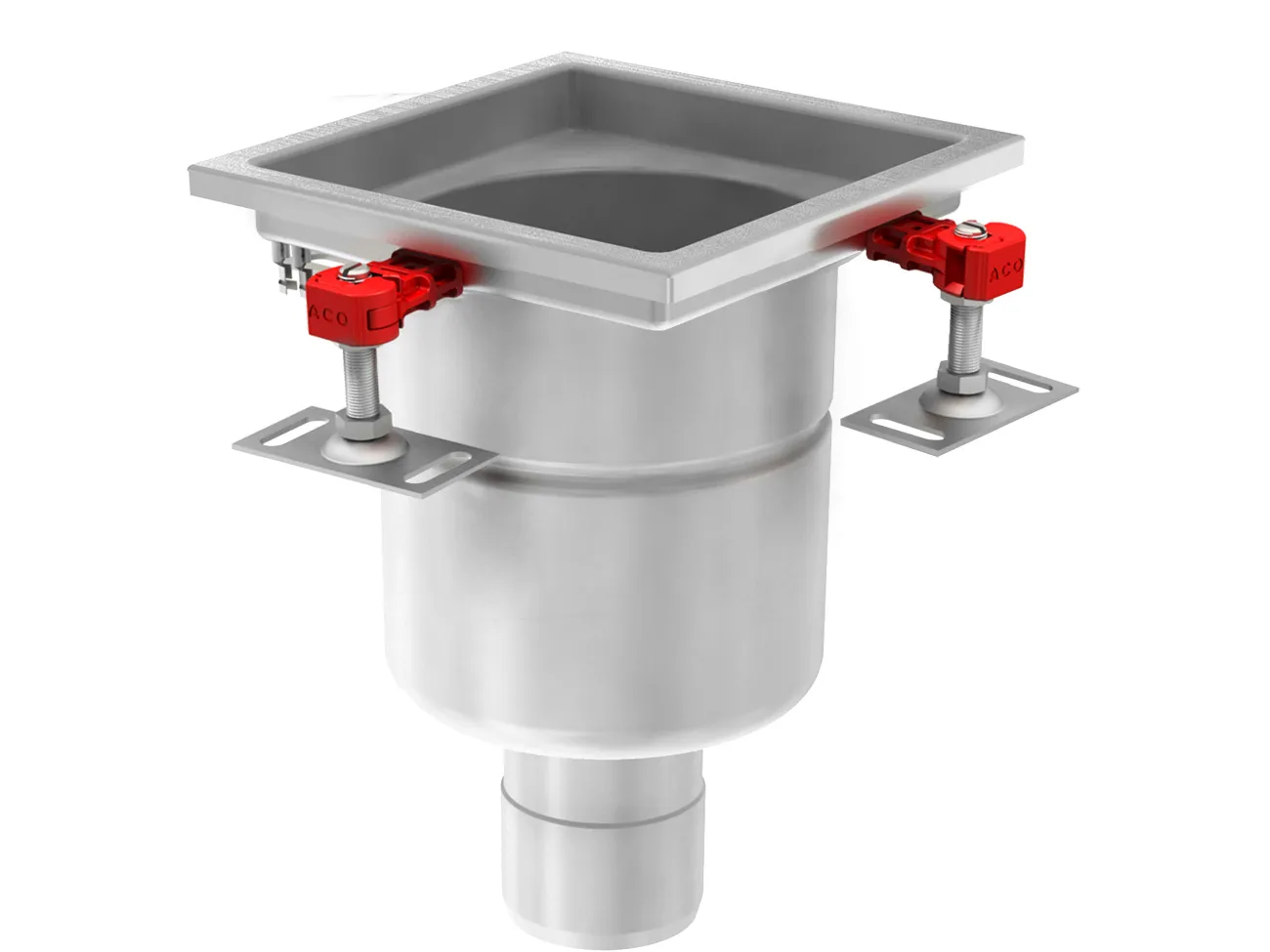
Choose floor gullies with a seamless, pressed cylindrical body. Square or rectangular welded gullies encourage bacterial growth. Dirt accumulates in the corners, around the welds. Also check whether the connection to the sewer below slot or grated channels will be made via this type of drain body. Hygienic grated channels must also meet strict hygiene requirements to prevent bacterial contamination. Grated channels must be manufactured in accordance with the principles for the hygienic design of food-processing equipment set out in standards EN 1672, EN ISO 14159 and EHEDG.
2) Well-designed waste baskets remove impurities
Always specify floor gullies with a waste basket or strainer. Did you know that you can also fit one in the channel? They collect all impurities and prevent drainage pipes from becoming blocked. If your production process involves working with low-consistency food products or small accessories, such as sticks that could fall onto the floor, make sure the mesh size of the waste baskets is appropriate. It is not just dirt, the obvious culprit, that can cause blockages. Do not use waste baskets that also act as traps, as removing them for cleaning will leave the gully without a trap. Hygiene requirements are different in a production environment!
3) Trap/odour seal
The water seal should also be removable for cleaning, preferably when production is stopped. It is very important to choose a floor gully that drains away all the water apart from the water in the odour seal. These floor gullies can be cleaned thoroughly, as stagnant water is a source of contamination.

4) Floor gullies, slot channels or grated channels?
When installing floor gullies, opt for a floor with a diamond-shaped layout, meaning it slopes evenly in 4 directions towards each drainage point. Linear drainage using slot or grated channels is also an excellent alternative, as it is easier to install with just 1 or 2 slopes towards the channel. Where large volumes of water need to be drained, it is virtually essential. The right choice will, of course, depend on the conditions on site. If, for example, you work with large tilting kettles, it is best to install wide, deep channels underneath them. This ensures that process water is drained away efficiently. Slot channels, with only a narrow slot and no grating, are generally used to separate wet and dry areas, for example, between the production area and offices or corridors. This prevents these areas from becoming flooded if a problem occurs in the production area. Slot channels are generally connected to the sewer via a floor gully. An inspection and maintenance grating can be fitted here.
5) Drainage via the channel’s built-in gradient
If channels are required, it is best to choose models with a built-in gradient towards the sewer, especially when drainage has to cover a long distance. Surface water reaching slot or grated channels is then drained directly into the sewer instead of collecting in the channel. Where possible, it is preferable to position the outlet in the centre of the channel. This provides the best guarantee of efficient drainage. Of course, channels with an outlet at the end of the line, and therefore just one gradient, are also frequently installed. The drainage pipe is often already in place before the exact location of the drainage modules has been discussed. It is therefore important to make sure that drainage is clearly included in the project design from the outset.
6) Protective cover
When installing channels, fit a cover plate over them to prevent dirt, waste or debris from getting inside. This makes the channel much easier to clean after installation. For slot channels, it is sufficient to cover the slot with adhesive tape. Some manufacturers already supply a cover plate and/or protective tape for their channels as standard.
7) Non-slip gratings
Where large volumes of surface water flow, it is best to specify channels and floor gullies with non-slip gratings. This is the best way to prevent workplace accidents. Here too, rounded corners are strongly recommended, both on the gratings and on the support frame.
8) Load class
The choice of a floor gully, slot channel or grated channel depends on its application. Also take account of the load class and the loads to which the drainage systems may be exposed. Think about the future too: just because heavy trolleys do not currently travel over the grated channel does not mean they will not do so in future.
Channel and floor-gully frames have a special finish. The type of grating is selected according to the loads it will have to bear, expressed in kN (kilonewtons).
9) Finish between the floor and the drainage system
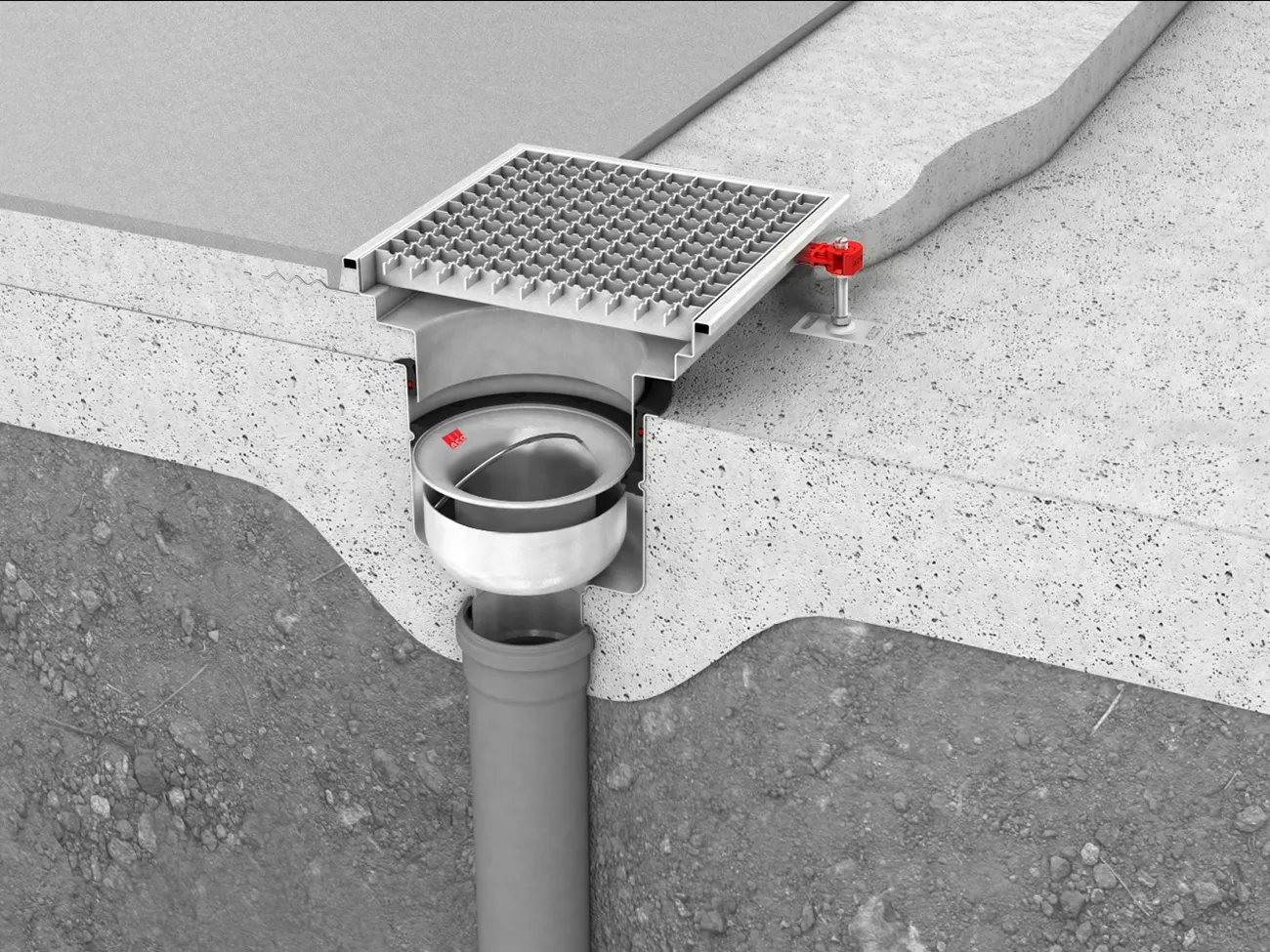
Special frame finishes are also available to provide the best connection to the floor gully or drainage channel, depending on the type of floor chosen (tiles, concrete, epoxy or vinyl). This prevents the finished floor from sitting a few millimetres lower than the frame of the drainage unit. The formation of puddles must be avoided.
There are also versions with a bonding frame and clamping flange to ensure a watertight seal at the waterproofing membrane beneath the screed. This is particularly important on upper floors to prevent water ingress.
10) Bespoke or standard solution?
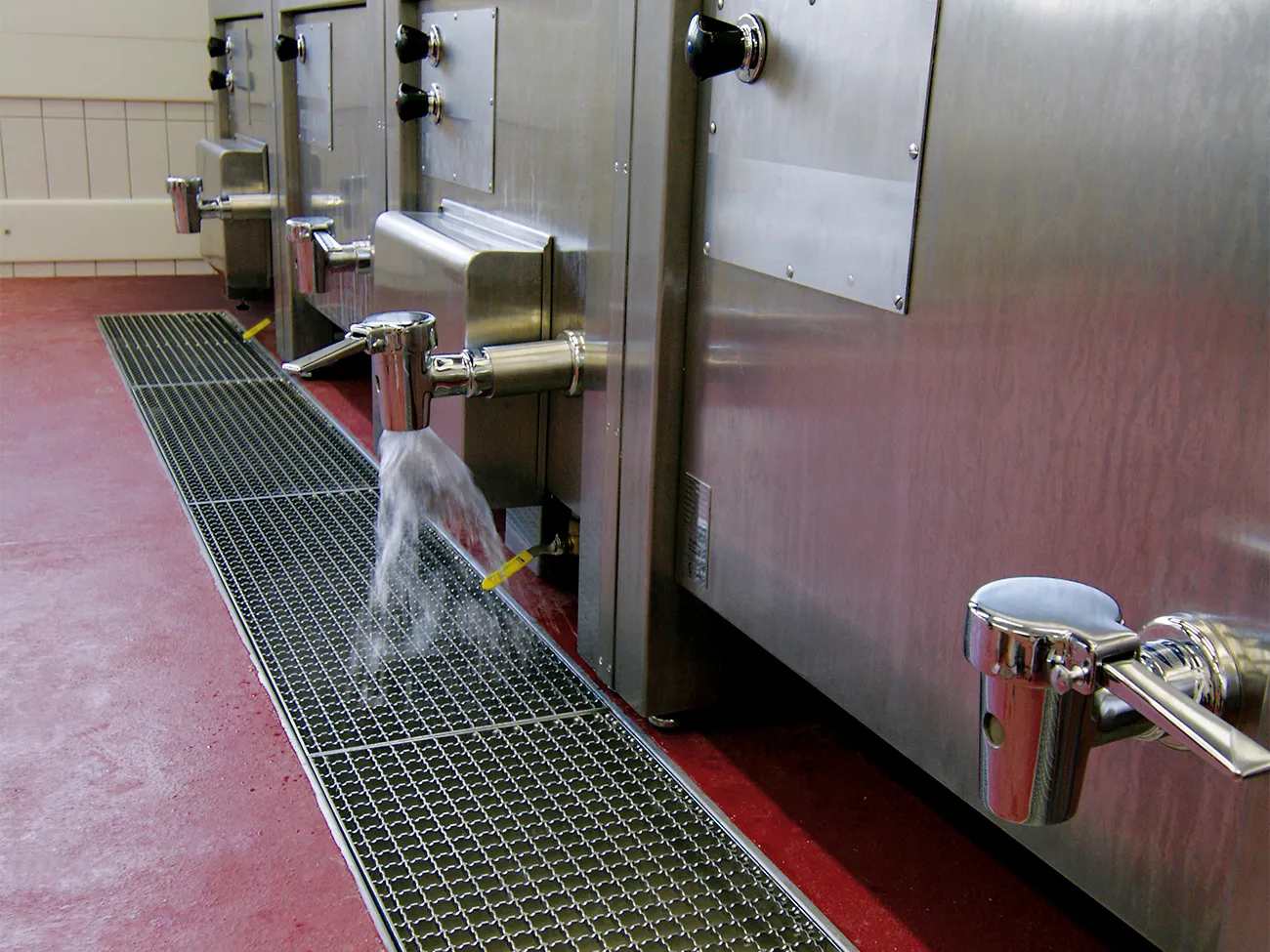
Bespoke solutions are very common in the food industry. They offer the most hygienic option, as the channels for the project in question are made in a single piece. No connecting pieces are needed to join the channel sections together. If you want a bespoke solution, you should consider drainage at an early stage. Discuss it with the design office, installer, flooring contractor or any other internal or external partners involved in the project.
Question about this story? Ask your question
Keep following this
Get an email when a new story is published. No account needed.
- ThemeDesigning hygienic factories
- SubjectFood safety