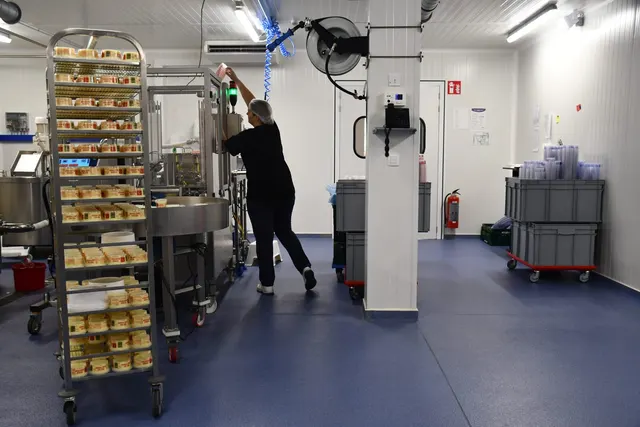
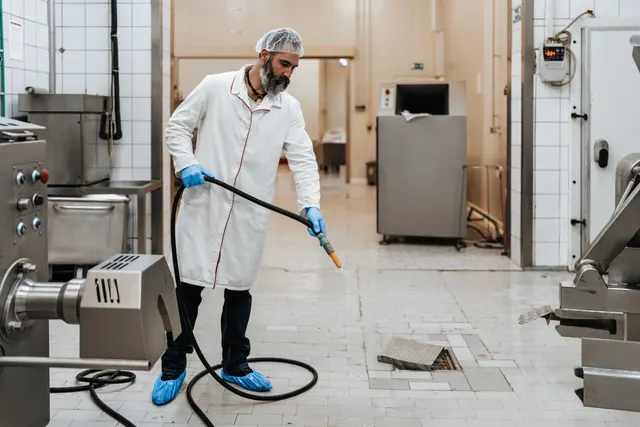
How can you ensure sufficient drainage capacity in production?
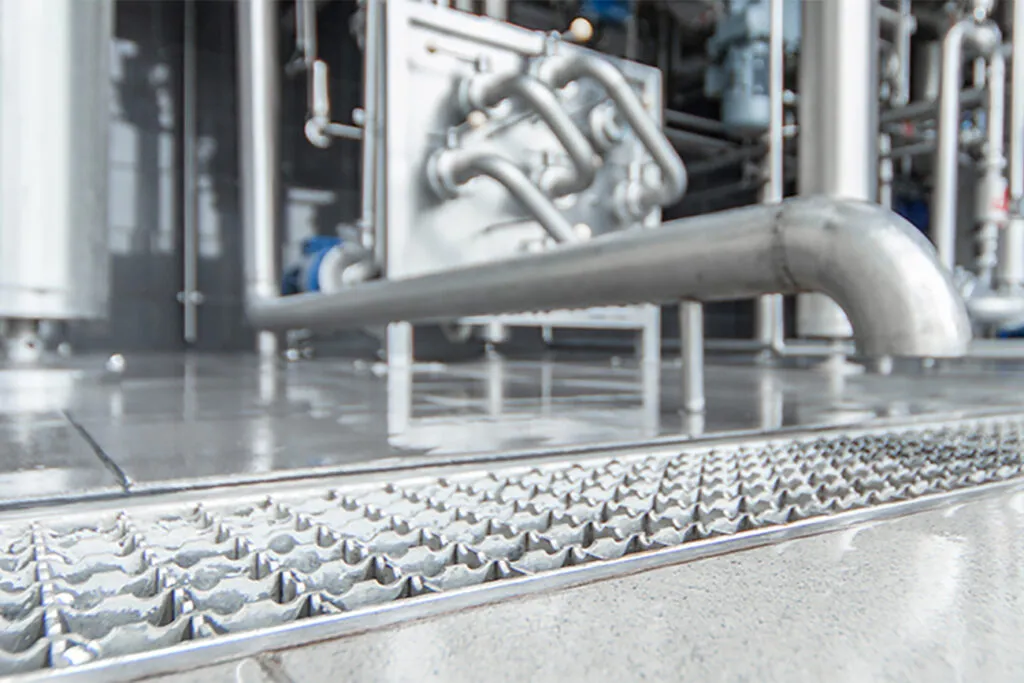
Too often, insufficient consideration is given to the capacity and flow rate that the drainage system needs to handle now, and what it might need to handle in the future. Insufficient drainage capacity leads to flooding, putting workplace hygiene and safety at risk and increasing the risk of cross-contamination. That is why it is important for your drainage system to be designed to suit your production facilities.
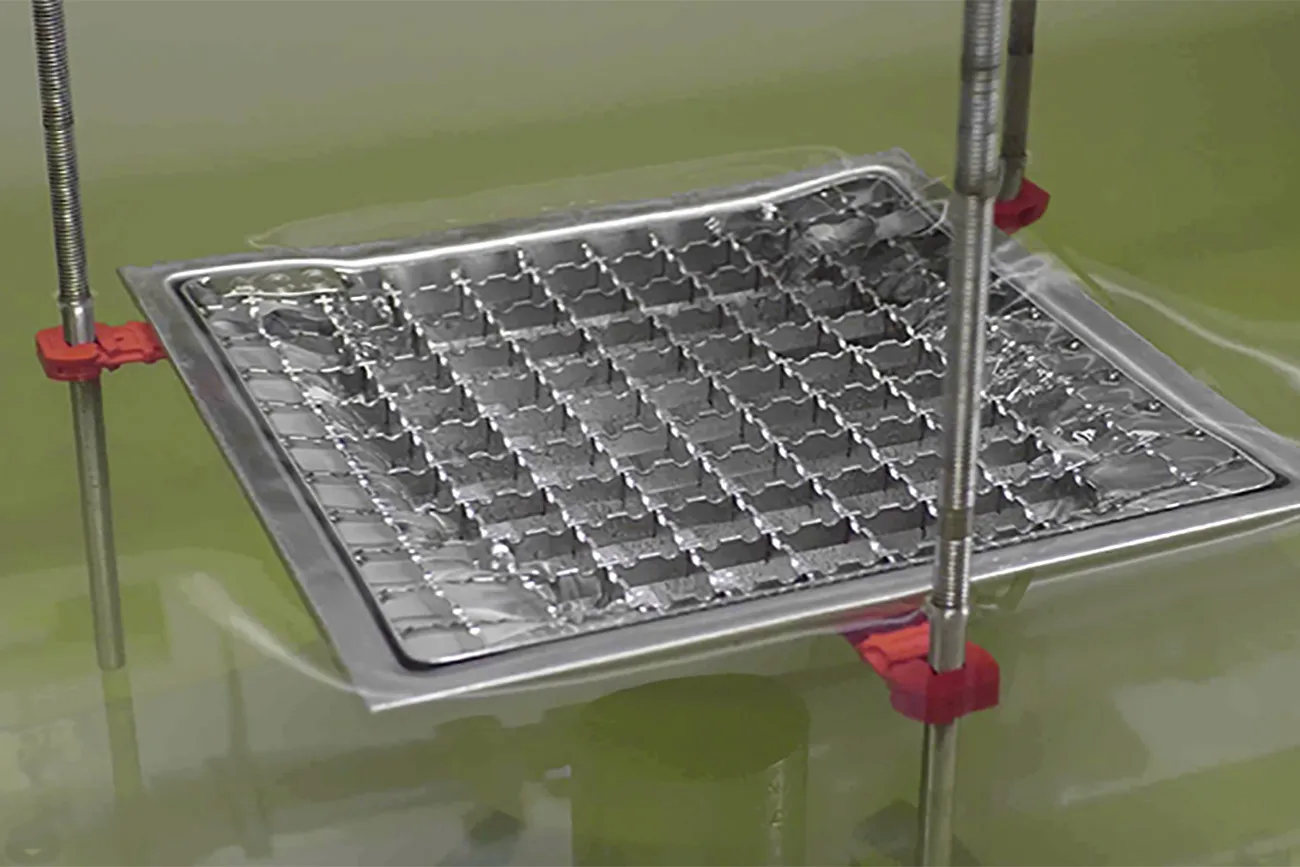
The standard method for measuring flow rates is EN 1253-1. This European methodology is used to determine the nominal flow rate discharged over a given period. It is not always optimal in a food-processing environment, as machine outlets are often positioned above the drain so that water can flow directly into the trap body. Here, the drainage system is considered not only as a means of removing excess water from the floor, but also as an extension of the wastewater outlet directly from the machine. It is important that this wastewater does not spread across the floor.
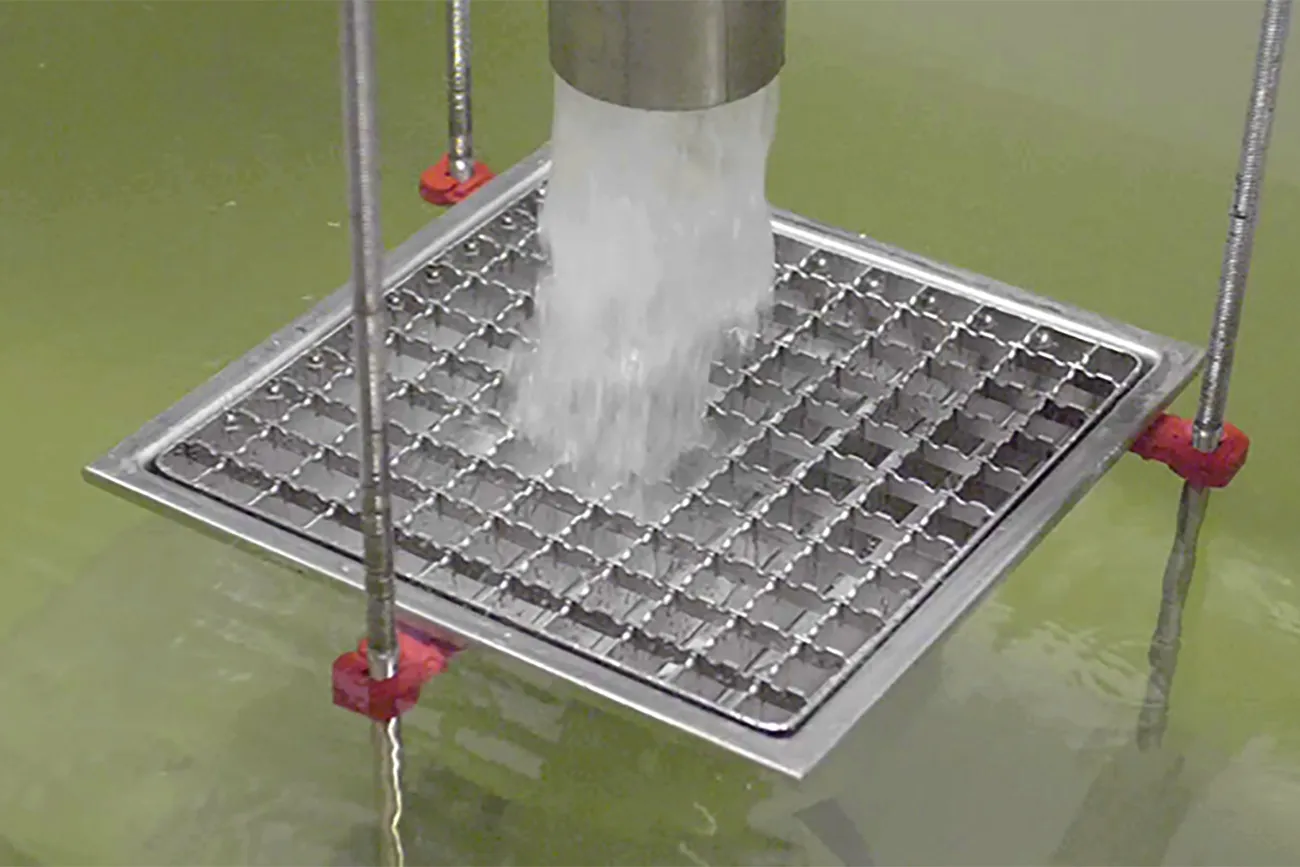
A bespoke methodology that takes flow rates from machine outlets into account
ACO has therefore developed its own methodology for measuring the flow rate of ACO floor gullies. This is crucial to determining the right drainage capacity in beverage production and other food-processing environments. Selecting the right product based on its flow rate is now much more precise, particularly when the drainage system needs to handle large volumes of water at a given time. EN 1253-1 classifies floor gullies, provides guidance on where they should be installed and specifies requirements for the construction, design, performance and marking of factory-made floor gullies intended for use in drainage systems requiring a trap with a minimum water seal of 50 mm. The ‘ACO Direct’ method determines the drainage flow capacity when the water source is positioned directly above the drain. To select the right ACO system, you need to know the maximum volume of water the machine can discharge, for example 6,000 l in 5 minutes, equivalent to 20 l per second.
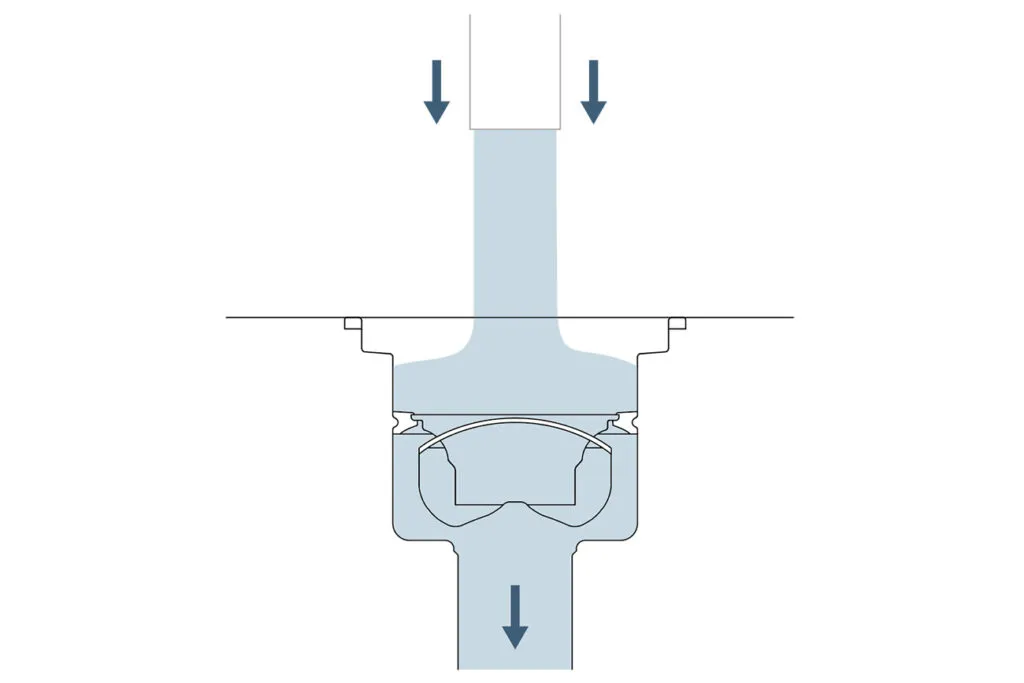
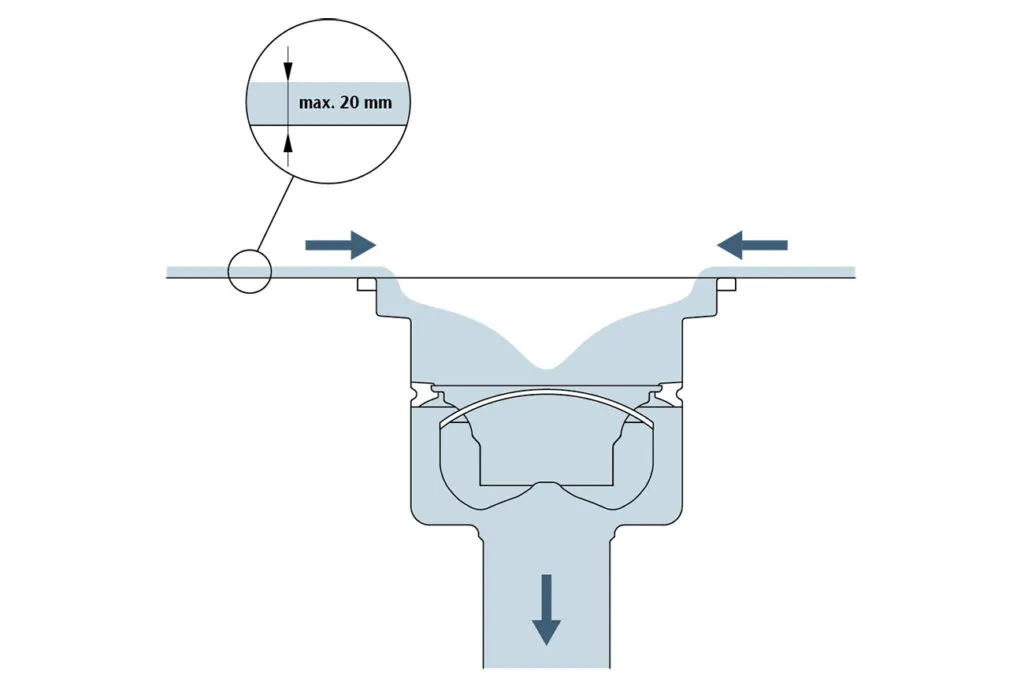
A method to suit the situation
ACO uses both methods to arrive at the right tailored solution. It really depends on how the drainage system is used. If, for any reason, it is not possible to position the process water outlets directly above the floor gully, only the lower values identified using the EN 1253-1 method should be used.
Why does the food and beverage industry require drainage systems to be used in accordance with the direct methodology?
Good drainage plays a crucial role in food safety. Wet floors and standing water pose a significant health and safety risk and, in the worst case, can even bring production to a halt. A good drainage system does not use the floor to divert wastewater from machines. All wastewater must flow directly into the drainage system without spreading across the floor.
What are the requirements for measuring flow rates using the ACO Direct method?
- Positioning: the drain must be located directly below and in the centre of the wastewater flow from the machine. Ideally, the pipe should be positioned at a height equal to at least one to two times its diameter.
- Unless grating panels are specified, certain grates can cause water to splash and therefore reduce drainage performance.
- The drainage pipework system must ensure adequate performance.
You can find further information at www.aco.be.
Question about this story? Ask your question
Companies in this story
Keep following this
Get an email when a new story is published. No account needed.
- SubjectFood safety
- CompanyACO