Hygiene and disinfection for the poultry industry
Texte et photos Christeyns
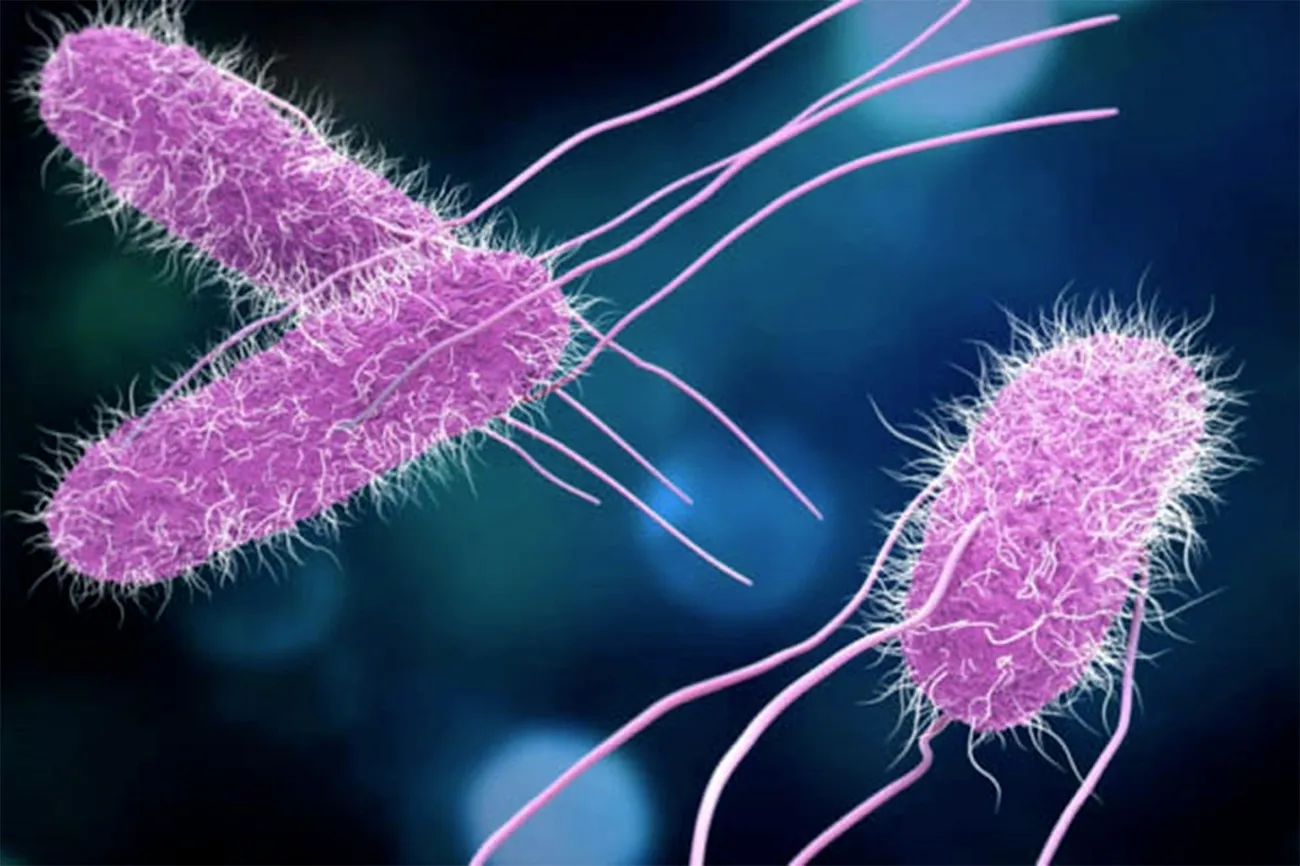
Many pathogenic micro-organisms responsible for foodborne illnesses have been described, including “Salmonella”, one of the most common in this sector. This article describes the critical points in a poultry processing environment. Christeyns offers a service covering chemistry, equipment, expertise and advice tailored to each situation. It is always working to find innovative solutions that ensure perfect hygiene while also guaranteeing your employees’ safety and optimising your production.
Cleaning and disinfection are complex tasks: the nature of the contamination, process parameters, equipment materials, surface properties, available time, temperature limits and acceptable chemical residues all play a role. An experienced partner such as Christeyns provides the right combination of chemicals, knowledge and advice for your specific situation. Application specialists are trained to take a critical approach, rise to the challenge and optimise the effectiveness of your cleaning operations wherever possible. The aim is to work with you to ensure the desired product quality and optimal food safety, at the lowest possible cost.
Key concerns in the poultry industry
Consumers are increasingly concerned about animal welfare and the environmental impact of poultry production. But their greatest concern is food contamination by pathogens. It is therefore crucial to ensure impeccable cleaning and hygiene. In poultry slaughterhouses and cutting plants, it is important to implement strategies to control pathogenic micro-organisms and produce chicken meat that is safe for consumers. It is also essential to minimise the presence of spoilage micro-organisms that could shorten product shelf life. Below, we examine ten critical points along the chain.
- Live birds: Live birds arriving from the farm can lead to the widespread transmission of pathogenic micro-organisms. It is therefore crucial to clean and disinfect the inside of containers properly to prevent cross-contamination. Cleaning water can also become contaminated and, once it enters the plant, can become a critical point for the spread of infection within the slaughterhouse.
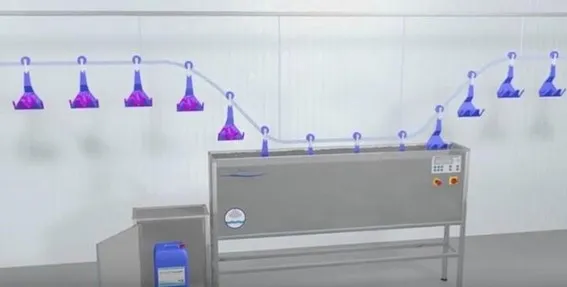
- Shackles: These can become very dirty and are difficult to clean and disinfect.
- Stunning knife: The slaughter knife can spread pathogens into the chicken’s bloodstream.
- Scalding tank: Salmonella may be present in the scalding tank. To avoid further contamination of the scalding water, clean water must enter the final section of the tank, in the bird exit area, where a shower should also be installed. The scalding water must be changed continuously.
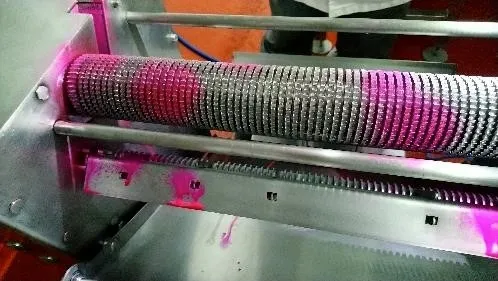
- Defeathering: Significant cross-contamination can occur during defeathering. A thorough daily cleaning and disinfection process should be carried out, and all traces of dirt should be removed from the plucking fingers. A subsequent rinsing stage will remove a considerable amount of dirt and contamination from the carcasses.
- Evisceration line: It is essential to adjust the machines correctly to avoid damaging the carcasses, and especially the intestinal system, which could result in a high microbial load. A shower is generally installed in front of the carcasses.
- Chilling: Carcasses can be chilled using air in dynamic tunnels, which rapidly cool the carcasses and prevent microbial growth.
- Crates: Whole carcasses are packed in crates or bins. It is important to disinfect these properly, as they can come into direct contact with the final product. Crate-washing tunnels are used for this purpose, with close attention paid to controlling the parameters: temperature and detergent or disinfectant concentration.
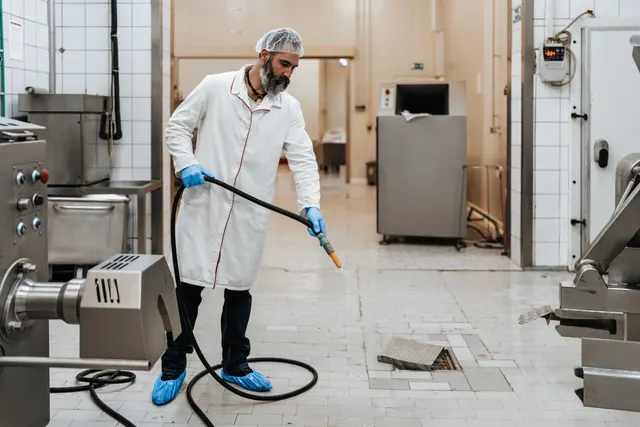
- Equipment: Elevated sections of the plant, areas beneath machinery, drains and hard-to-reach areas can all harbour pathogenic bacteria.
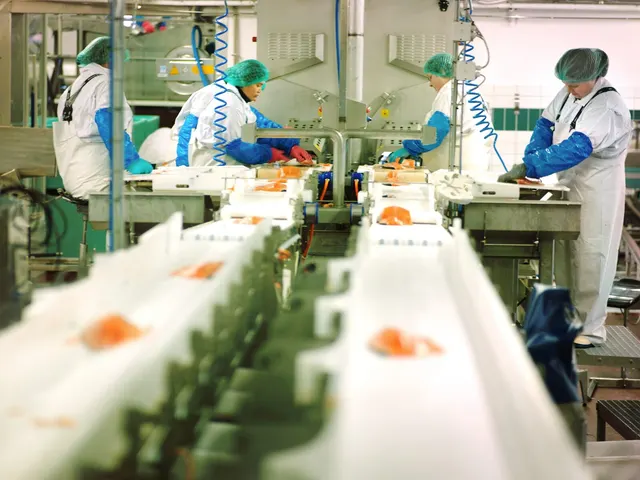
- External food handlers: Personal hygiene is important, particularly in manual work areas such as manual cutting or packing. Operators’ hygiene must be properly monitored and controlled.
Chemistry
Developed by Christeyns’ R&D team, the range includes products that can be tailored to the characteristics and needs of the poultry industry. The products are designed for use at low doses, optimising application conditions and results through automatic dosing based on conductivity. As an added-value service, Christeyns staff check product application conditions during technical visits to achieve the best results in hygiene processes. Technical experts also assess cleaning results using analytical techniques to determine the microbial load.
Equipment and monitoring
In addition, Christeyns’ team of specialists provides the latest equipment to meet your specific needs. This includes central disinfection systems, foaming systems, CIP monitoring and control equipment, dosing equipment for efficient chemical distribution, water and energy-saving systems, health and safety equipment, chemical storage tanks, and cavitation and automated conveyor hygiene systems. Christeyns also offers integrated monitoring systems to manage every detail of your hygiene operations and procedures easily and efficiently. These systems include the creation of cleaning instruction sheets, operating procedures and emergency procedures, a hygiene planning tool and a staff training kit, as well as the recording of cleaning tasks separately for each user.
Een zakelijke vraag aan Christeyns NV? Get in touch
Companies in this story
Keep following this
Get an email when a new story is published. No account needed.
- ThemeManaging food safety risks
- SubjectFood safety
- CompanyChristeyns NV