Hygiene in the food industry: clean compressed air!
Texte Marjolein de Wit-Blok | Photos BEKO Technologies
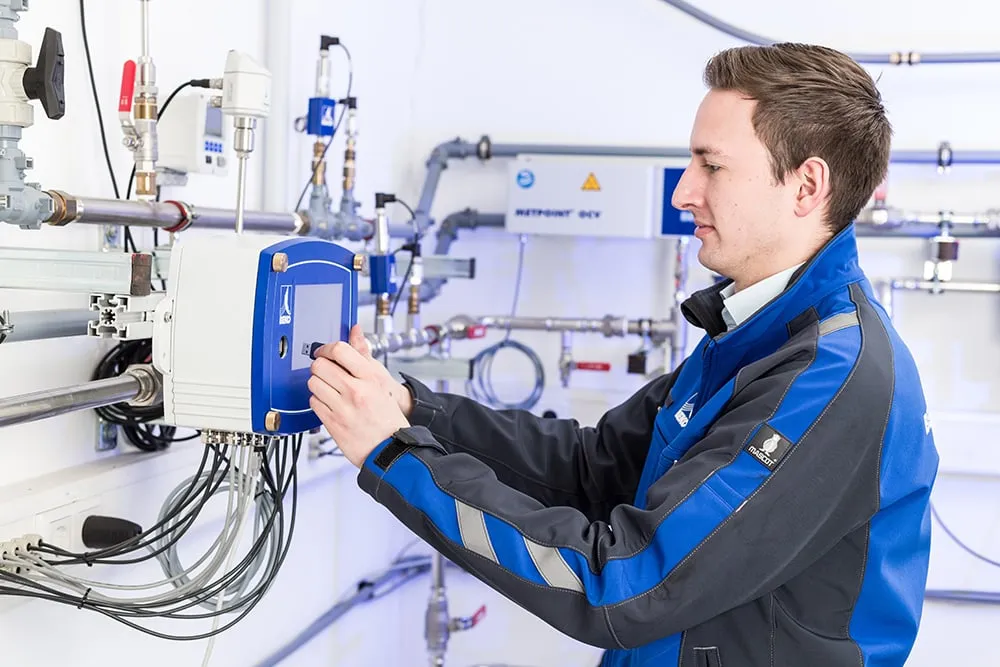
The food industry makes extensive use of compressed air because it is considered «clean». However, not everyone knows that compressed air is fundamentally not clean, as it almost always contains particles, water and oil. To ensure hygiene, measures are needed to prevent and control this contamination. BEKO TECHNOLOGIES offers a complete service to identify contamination, take action and ensure it is kept under control.
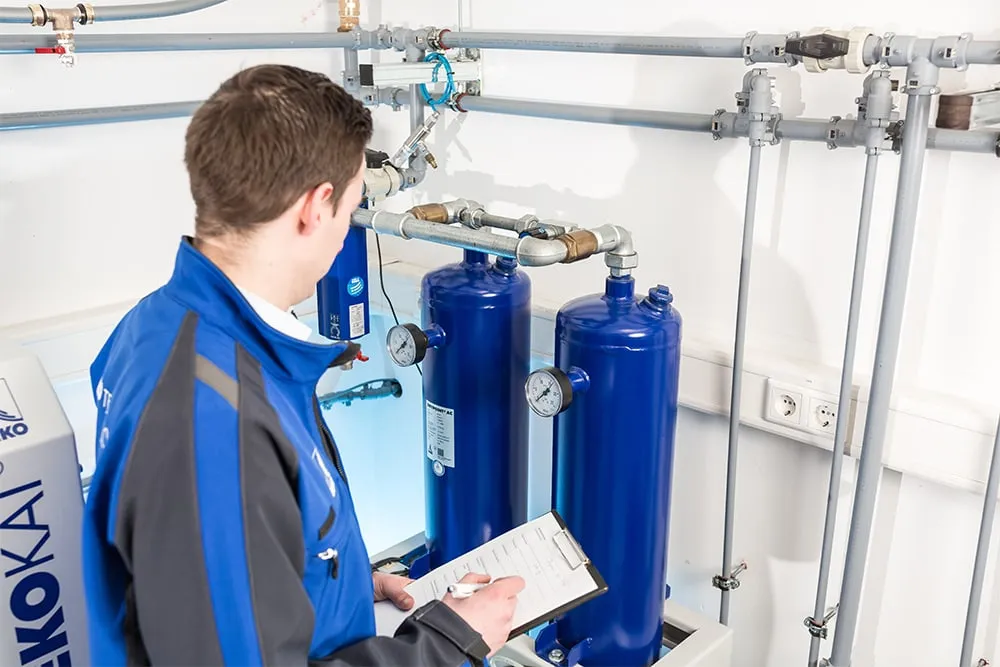
To get straight to the point: untreated compressed air is, by definition, not clean. This is true even when using an oil-free compressor. Although it does not add oil during compressed air production, it draws the air it needs from the surrounding environment. This air always contains hydrocarbons, particularly in industrial environments. If an oil-lubricated compressor is used and the compressed air is not treated, it is contaminated in any case.
Awareness of the danger
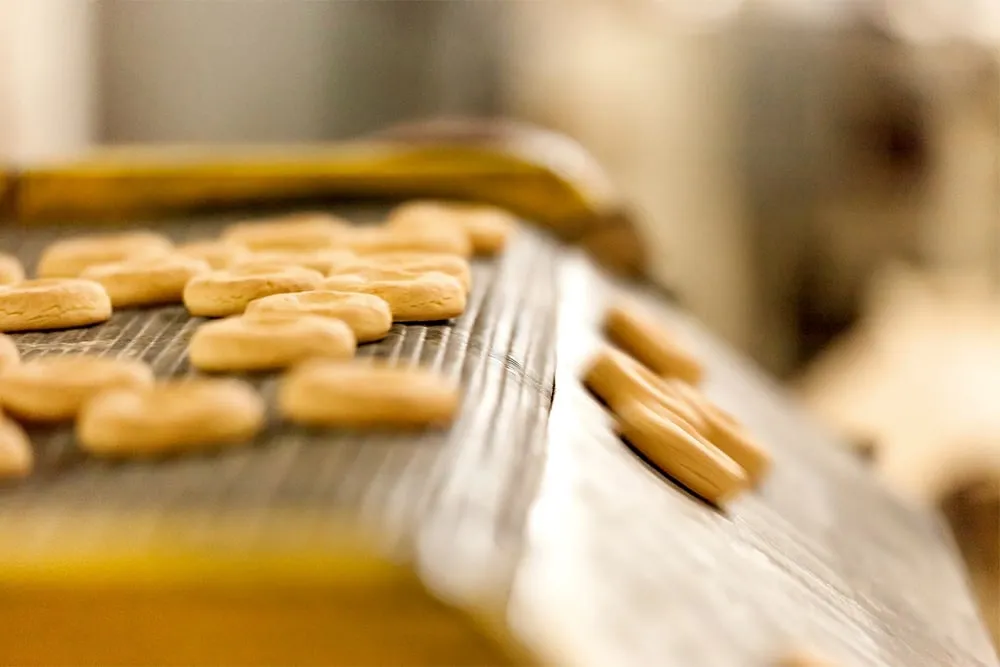
Sara Deckers, technical specialist at BEKO: «It is especially important to pay attention to this in the food industry. This is not just about compressed air used to power equipment, but above all about compressed air that comes into direct contact with the product. For example, when the medium is used to blow components or equipment clean, to «blow» rejected products out of a stream, or to aerate products such as ice cream.»
In many cases, companies are not sufficiently aware of the contamination that can be found in compressed air, let alone the options available to prevent it from coming into contact with food. Yet that is exactly what they should be doing. Moisture can lead to bacterial growth, while dust and oil particles are not intended for consumption. Sara Deckers: «Of course, food-grade oils are available. But let’s be honest: it is still better not to ingest them.»
Comprehensive programme
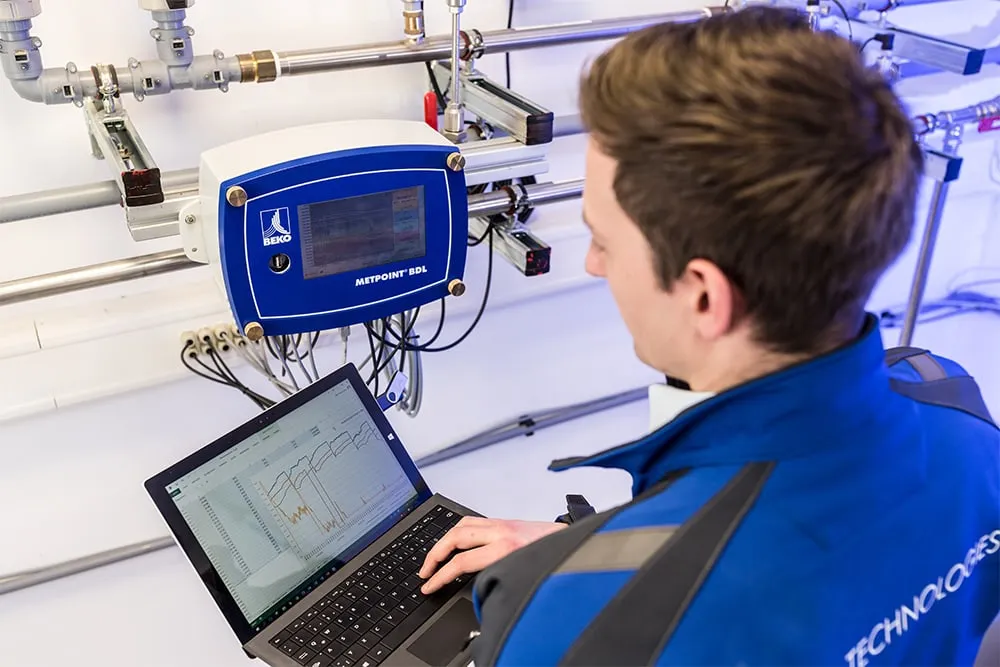
To help customers achieve clean compressed air in their production environment, BEKO has developed a special four-step programme. In the first step, baseline measurements are taken by measuring the concentration of solid particles, water and oil at the relevant point over several hours. These values are compared with the end user’s compressed air requirements, whether or not they are based on regulations. Compressed air quality is determined using an ISO table, in which the three-digit value indicates the levels of solid particles, water and oil in the compressed air. Sara Deckers: «These baseline measurements tell you whether you need to take action. If the values are simply good, we mainly recommend that you keep things as they are. In the vast majority of cases, however, that is not the situation and action is needed to improve quality. In such cases, we can offer advice that shows how the desired result can often be achieved with relatively minor changes. In the third step, the necessary measures are implemented, such as installing a filter, a dryer or a catalytic converter that breaks down hydrocarbons into harmless substances such as water and CO2.»
The fourth step is at least as important: monitoring compressed air quality after the measures have been implemented. A filter becomes saturated over time, and system ageing can also contribute to compressed air contamination, even when all the necessary measures have been taken. Sara Deckers concludes: «Taking a close look at the quality of your compressed air is no unnecessary luxury. Specialists such as BEKO have all the experience needed to provide the right advice, both on the compressed air system as a whole and on any components that can improve and maintain quality. Get in touch with no obligation, and we will review your system together.»
A business enquiry for Beko Technologies? Get in touch
Companies in this story

Keep following this
Get an email when a new story is published. No account needed.
- ThemeManaging food safety risks
- SubjectFood safety
- CompanyBeko Technologies