Pest control: prevention is better than cure
The expression “prevention is better than cure” is probably familiar to many of us, especially when it comes to our health. In short, it means that it is easier to prevent something than to repair the damage once it has been done. This principle is particularly relevant when it comes to food contamination.
If you want to prevent food contamination, pest prevention and control are very important. Pests can contaminate both surfaces and products through the diseases they carry, or through their urine and droppings.
Integrated Pest Management
Integrated Pest Management (IPM) is an excellent way of encapsulating the principle that prevention is better than cure, and forms the basis of our approach to preventing infestations for our clients.
Taking preventive measures, such as proofing and monitoring, rather than reactive measures, such as simply treating a pest problem without thoroughly investigating how the pests are getting in or why they are attracted to a particular area, is the basis of Integrated Pest Management (IPM).
Intelligent pest prevention
Integrated Pest Management is based on five principles: Inspection, Exclusion, Restriction, Destruction and Monitoring. Each principle uses a combination of practices, including a thorough understanding of pests’ life cycles, behaviour, biology and interaction with their environment, to eliminate the root cause of a pest problem.
This is a far more integrated approach than simply responding to a pest problem by putting down rodent bait or spraying for cockroaches, which may be too little, too late for a food business!
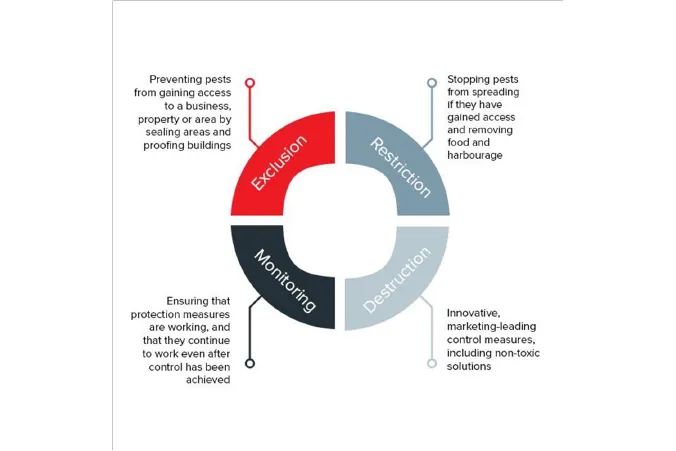
Looking at these five principles, it is clear that much of a pest control professional’s work centres on preventing pests, because prevention is better than curing an infestation.
Exclusion:
This means making sure pests cannot access your building. At Rentokil, we believe there is little point in simply eliminating pests inside your building without addressing how they are getting in.
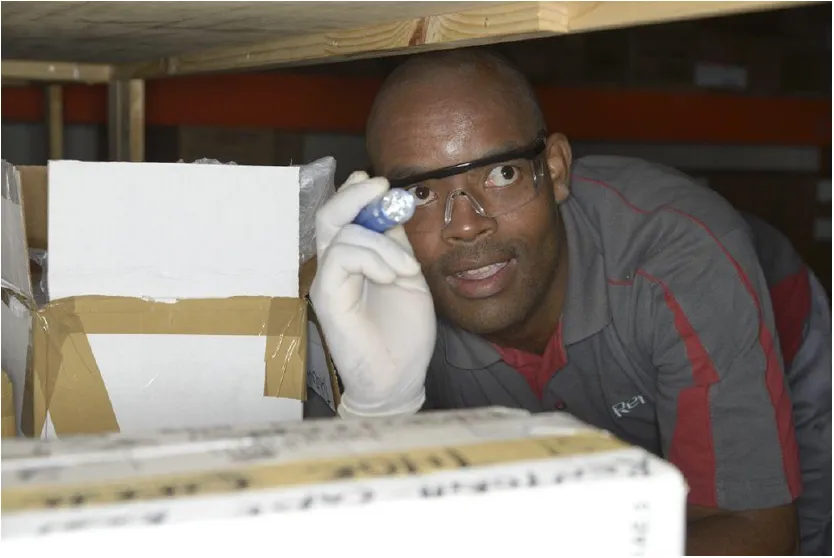
As well as an initial inspection to assess pest entry points, ongoing inspections by one of our expert technicians are part of your service, along with recommendations for proofing, structural repairs and improvements to keep pests out. All recommendations from our technicians are recorded in myRentokil, so our clients can access them at any time.
Restriction:
Pests need food, water and shelter (nesting sites) to thrive. Mitigation is another preventive tactic: it involves assessing where and how pests access food, water and nesting sites, then, depending on the location, restricting their access through additional proofing or eliminating sources of food, water and nesting sites altogether through good hygiene. These measures are also recorded in the myRentokil system so that clients can review and implement them.
This requires detailed knowledge of different pests’ preferences, breeding habits and life cycles, as well as an understanding of what is feasible and practical at the client’s site. Food production sites are naturally a buffet for pests.
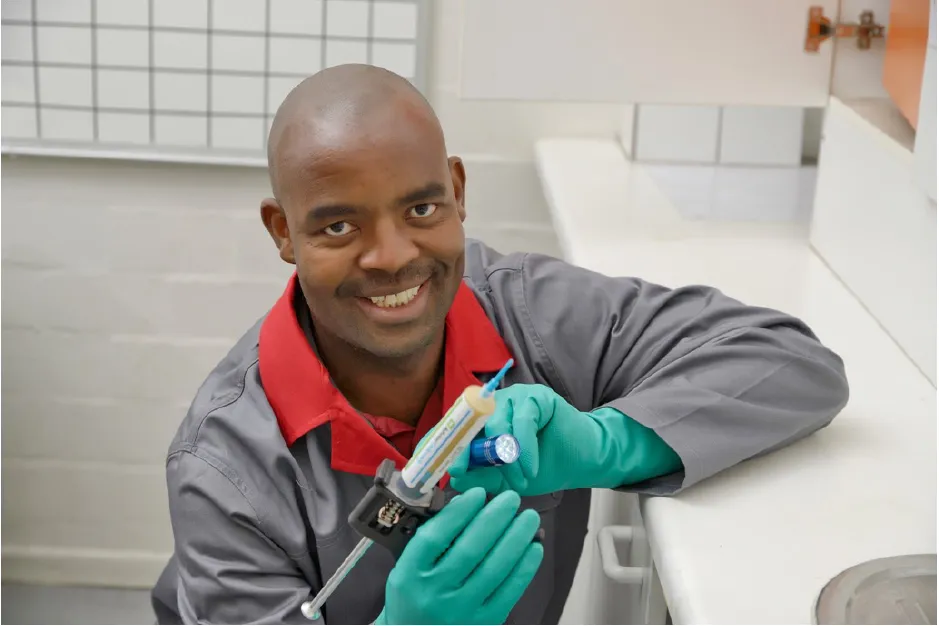
Monitoring:
Monitoring is another essential part of a prevention strategy. Technicians are trained to continually monitor client sites for any changes that could allow pests access or attract different types of pests. Mitigation and exclusion recommendations can then be made before a pest problem takes hold.
As we sometimes need to implement pest control methods, since not everything can be prevented, technicians are also trained to monitor the effectiveness of treatments on an ongoing basis. This also requires detailed knowledge of pests’ life cycles, habits and habitats, so that pest control treatments can be continually adapted if insects develop resistance or conditions change.
Destruction:
And finally, destruction, or pest control solutions. Rentokil offers a range of solutions tailored to the specific environment and pest problems at each site. These solutions are never implemented in isolation: they must follow the other three elements to be truly effective.
All food producers and manufacturers can draw on a basic understanding of the principles of Integrated Pest Management (IPM) to assess the risk of infestation at their sites. Although pests such as flies, cockroaches, rodents and stored product insects can infest food in different ways, understanding the principles of Integrated Pest Management provides an excellent foundation for the long-term relationship we like to build with our food manufacturing clients.
Een zakelijke vraag aan Rentokil? Get in touch
Companies in this story
Keep following this
Get an email when a new story is published. No account needed.
- ThemeManaging food safety risks
- SubjectFood safety
- CompanyRentokil