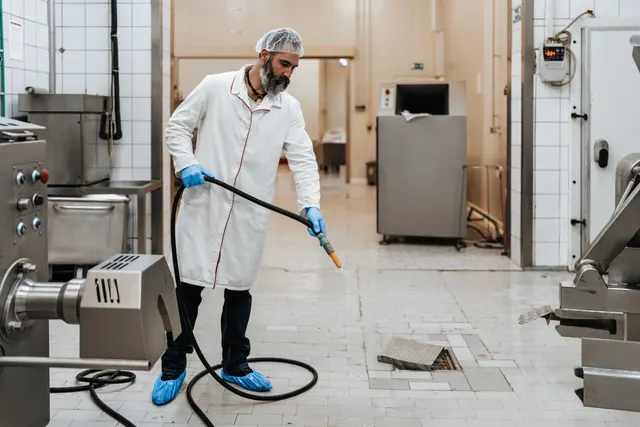
Quality and sustainability go hand in hand
Texte Valérie Couplez | Photos KTBA
Mandatory CSRD reporting makes sustainability an even higher priority for companies in the food sector. The companies concerned must share data on their position in relation to ESG criteria and the steps they plan to take next. This calls for exactly the same structured approach as quality management. KTBA’s specialists know this approach inside out. By developing a sustainability service, they are helping clients put this complex legislation into practice.
CSRD, ESG… can you hear the thunder in Cologne? Then it’s high time you got up to speed. Under the Corporate Sustainability Reporting Directive, from 2025 all companies with more than 250 employees and either total assets of more than €25 million or annual turnover of more than €50 million will have to map all relevant ESG (Environmental, Social and Governance) topics in a transparent and detailed way. “Europe does not expect companies to be top of the class already, but rather to communicate clearly what they are doing. This allows consumers to form their own opinion,” explains Geert-Jan Rens, senior consultant Business Assurance and Sustainability at KTBA.
Complex legislation with a broad scope
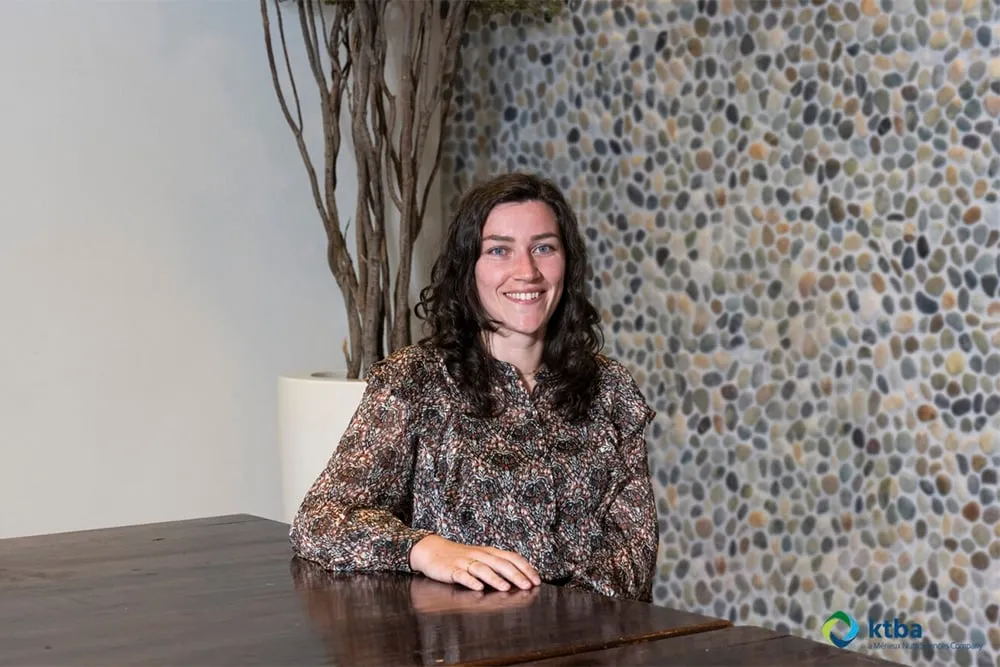
In addition to reporting requirements, food companies are already receiving numerous questions from the supply chain and customers about what they are doing on sustainability. For many companies, then, the deadline is even closer. Lisanne Huntjens, sustainability consultant at KTBA, explains: “Reporting requires you not only to address a wide range of topics, but also to do so across the entire supply chain. In other words, you also need to know your suppliers’ footprint and what measures they are taking to reduce it. So you need a clear overview of your supply chain.”
Rooted in the same principles
For SMEs that do not always have the budget for a full-time sustainability manager, this work will very likely land on the quality manager’s desk. Geert-Jan Rens: “These are two different professional fields, of course, but they call for an approach similar to the one we know from quality systems. You need specific knowledge of the legislation, but you will embed these principles on the shop floor in the same way.” This is precisely why KTBA has expanded its services. “Food companies have many questions about what this means for them. We work with them to find the answers. After all, through our work in quality, we already know how products are made and how the supply chain operates,” says Lisanne Huntjens.
Calculating the footprint
Calculating the footprint of the entire company will be a mandatory part of reporting. This applies to your products, but also to your company as a whole. Mérieux Nutrisciences, KTBA’s parent company, gained additional expertise in this area when it acquired Blonk last year. KTBA’s clients benefit from this too. “In practical terms, we collect the data because our experience in quality management means we are often close to our clients and their processes. We know where to find the data and how to request it from the rest of the supply chain. Blonk then gets to work calculating it using the right methodology. The results provide the basis for further optimisation,” explains Lisanne Huntjens.
From data to improvement processes
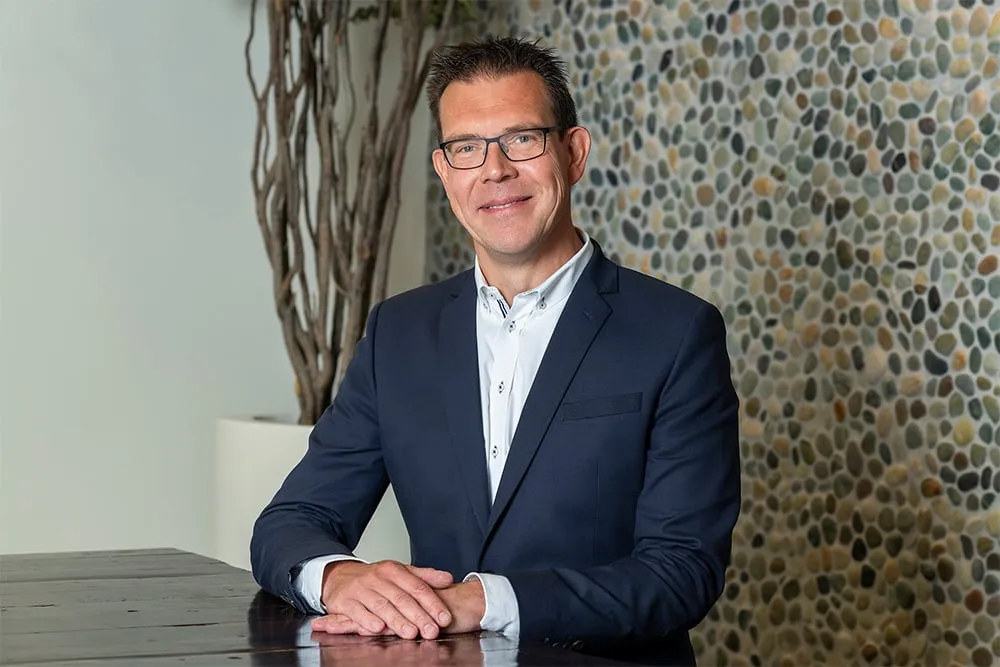
Since many companies are already taking sustainability seriously, it is important to start with a kind of baseline assessment. Geert-Jan Rens: “That is the starting point. From there, food companies need to develop their vision in line with the guidelines. What matters for my production? What should I focus on? And how do I measure up? Do I simply want to meet the requirements, or do I want to lead the way? We help our clients lay the foundations, then work with them to identify concrete ways to improve. Sustainability will become an important negotiating point. ‘A kind of licence to operate,’ sums up Geert-Jan Rens. ‘Just as a food safety quality system has become a basic requirement for getting your products into retail chains.’”
Interpretation
For Lisanne Huntjens and Geert-Jan Rens, the fact that this field is still evolving is no reason to wait and see. “We can learn from how the framework for safety and quality took shape over recent decades. It is worth looking closely at the companies leading the way on sustainability. These companies can help set the standard, as it were, for how the rest of the sector should interpret sustainability. Many food companies have already taken excellent initiatives. The important thing now is to develop them in a structured way, using the right data and reporting,” they conclude.
Een zakelijke vraag aan Mérieux NutriSciences | ktba? Get in touch
Companies in this story

Keep following this
Get an email when a new story is published. No account needed.
- SubjectFood safety
- CompanyMérieux NutriSciences | ktba