Water recovery and reuse require particular attention to Legionella
Texte Valérie Couplez | Photos Normec Foodcare
Water, the new gold? That is certainly what we are seeing more and more. Recent summers, marked by periods of drought and flooding, are also prompting food businesses to consider how they can use water more efficiently. For example, by recovering residual water during production to reduce consumption and discharge. An excellent idea, provided sufficient attention is paid to water quality. Legionella, for example, is a frequently overlooked bacterium that thrives in aquatic environments. Normec Foodcare can provide its expertise, both in carrying out the appropriate microbiological and chemical analyses and in drawing up a risk management plan covering Legionella and other hazards.
Food businesses distinguish between three types of water: potable water, process water and wastewater. If water comes into contact with food, it must comply with drinking water standards. Wastewater is also subject to the necessary requirements, both for the environment and for public health. “The importance of water and its microbiological and chemical quality is increasingly recognised,” say the experts at Normec Foodcare. “Our laboratories are equipped to analyse samples from food businesses quickly and accurately. This means they can quickly make sure that everything fully complies with the prescribed standards. We are seeing businesses place increasing emphasis on prevention by carrying out regular checks.”
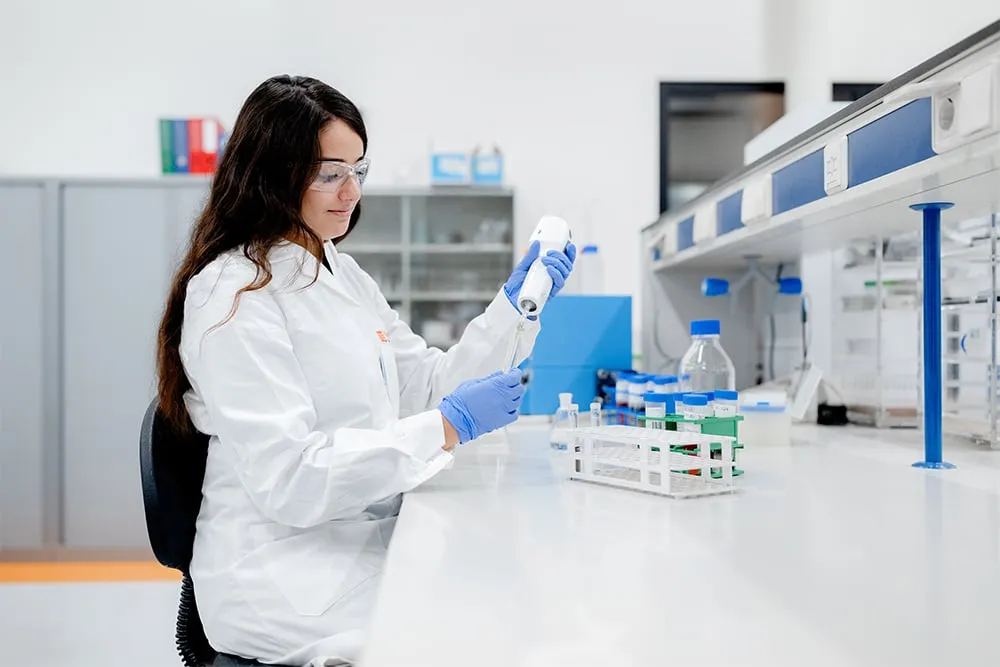
Paying attention to Legionella
The impact of an outbreak should not be underestimated. “In addition to the damage to a company’s reputation,” Normec tells us, “a complete production shutdown to check and clean everything already represents a substantial cost.” Legionella may not be the usual suspect, but increased attention to water means it is being investigated more often too. “Legionella thrives best in aquatic environments at temperatures between 20°C and 50°C. A tank where process water is collected for reuse, for example, can be a hotspot. Legionella also spreads relatively easily through water. It can spread through production in no time via pipes, cooling towers, rinsing machines and more,” Normec warns.
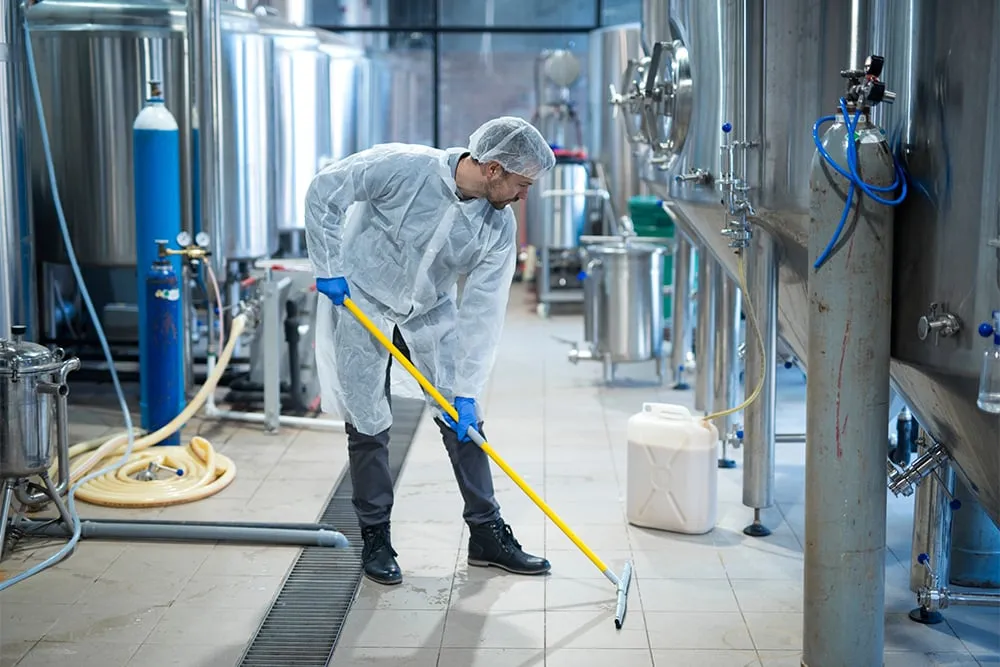
Mapping the risks
An outbreak a few years ago in the Ghent Canal Zone clearly illustrates the consequences of such a situation. Within a month, 32 people were infected, two of whom died. “Fortunately, Legionella is relatively manageable today,” the Normec specialists continue. “Thorough cleaning, often using disinfectants such as chlorine, and good ventilation are already good starting points for controlling it. However, it is important to identify the source and gain a clear understanding of the risks.”
Normec’s specialists can make all the difference here, both in prevention and in responding to incidents. “We know where the risks lie and can identify them in our clients’ production.
Combined with a cleaning programme, training and analyses, we can therefore develop a risk management plan tailored to your production.”
In-house water expertise
Food businesses are hearing more and more about this subject. Normec: “It is impossible for a quality manager to have specialist knowledge of every aspect of their job. This is precisely our core business, with highly trained specialists and well-equipped laboratories. As a group, we are also particularly strong. Normec has made several acquisitions in recent years, building up considerable expertise in water, including in legislation and standards, recovery and reuse, optimisation of cleaning procedures, analyses and more. As a one-stop shop, we can therefore serve our clients in the way they want.”
Een zakelijke vraag aan Normec Foodcare BV? Get in touch
Companies in this story
Keep following this
Get an email when a new story is published. No account needed.
- ThemeReducing the environmental footprint of factories
- SubjectFood safety
- CompanyNormec Foodcare BV