Building the future of chocolate together
The chocolate market is evolving rapidly. Consumers still expect chocolate to taste delicious, but their expectations are rising. They want chocolate that is healthier and more sustainable, in line with their values. At the same time, brands must find their footing in a complex environment marked by ongoing disruption to cocoa supplies and growing competition, while the pace of innovation continues to accelerate. The question is no longer why we need to innovate, but how we can continue to captivate today’s consumers with exceptional taste experiences.
Taste remains essential: 65% of adults bought chocolate last year, but what defines exceptional taste is changing. Our consumer research shows that chocolate consumption is shifting, particularly among younger consumers. This poses a crucial challenge: can we still surprise and delight them? Fermentation, lipid technologies and innovations in flavour mapping enable brands to create consistent new taste experiences, helping them stand out in premium categories with more distinctive flavour profiles.
Growing demand for healthier chocolate is reshaping the category. Our research reveals that 70% of consumers expect functional benefits from their chocolate. To respond to this shift, brands need to rethink their formulation strategies: retain cocoa flavanols, develop dairy-free, plant-based formulations, and innovate with high-protein, lower-sugar recipes. If done well, this strategic approach will not only meet demand, but also pave the way for new premium segments that bring together flavour, origin and functionality.
Cocoa is expected to be harder to source over the next 12 months. Supply chain vulnerability calls for innovative solutions. By reimagining the chocolate experience, with a focus on resilience and taste, brands can take their offering to the next level. This means exploring the next generation of coatings and fillings made with plant-based cocoa alternatives, investing in lab-grown cocoa technologies for long-term security, and using advanced fermentation to unlock new dimensions of flavour. These efforts will create future-proof chocolate portfolios and increase brand value.
Packaging is a crucial touchpoint, not only for protection, but also for how consumers perceive quality, sustainability and trust in a brand. Today, more than half of consumers consider sustainability labels when making purchases. Packaging has therefore never played a more crucial role in shaping preferences. Strategic packaging solutions, including recyclable materials and formats tailored to different needs, can drive growth and improve the overall user experience.
It used to take 24 months to go from idea to launch. Today, our customers want it done in six months. Flexibility is essential in today’s market. Brands need to foster dynamic, collaborative innovation ecosystems. This means using AI to develop recipes, working with start-ups, experts and renowned chocolatiers, and using networks such as the Chocolate AcademyTM to speed up product development and improve precision. A smarter, more responsive innovation pipeline, focused on flexible packaging, sustainable designs and flavour precision, is essential for success.
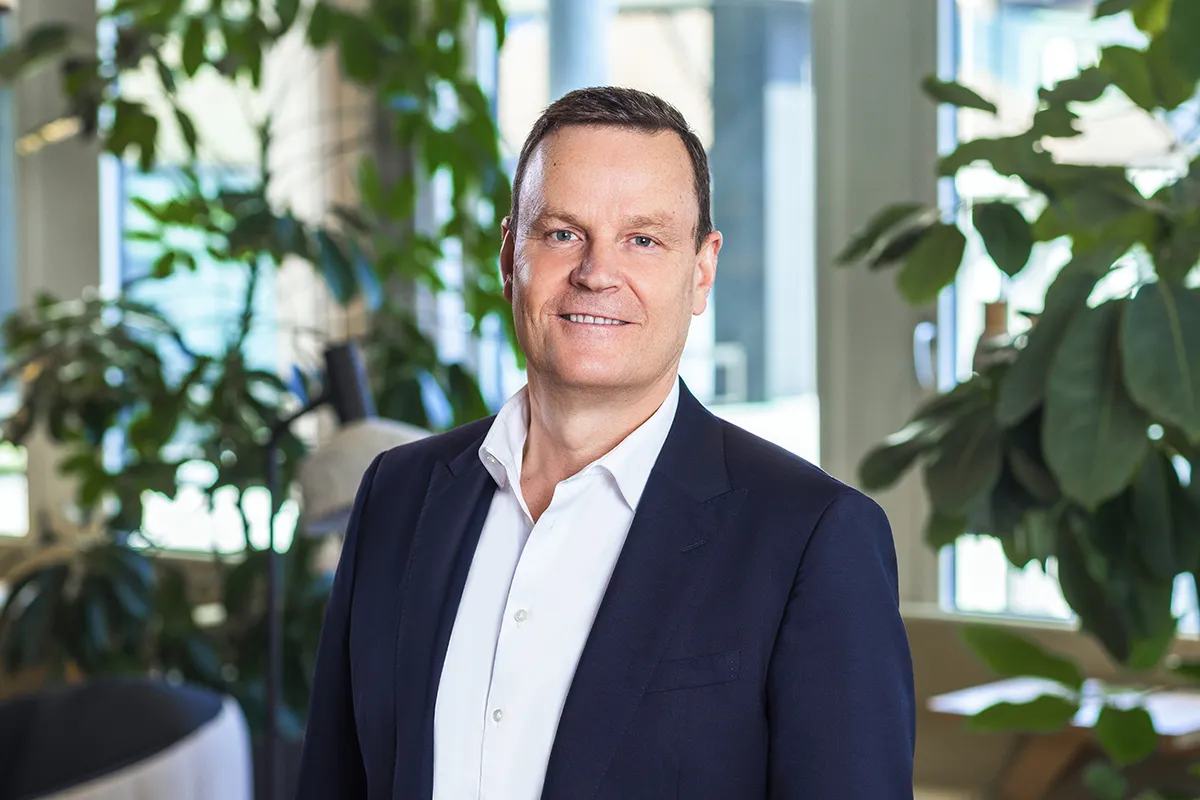
Peter Feld
CEO Barry Callebaut
Question about this story? Ask your question
Keep following this
Get an email when a new story is published. No account needed.
- SubjectNews