Colruyt Group begins the first phase of construction of the Westdiep Sea Farm
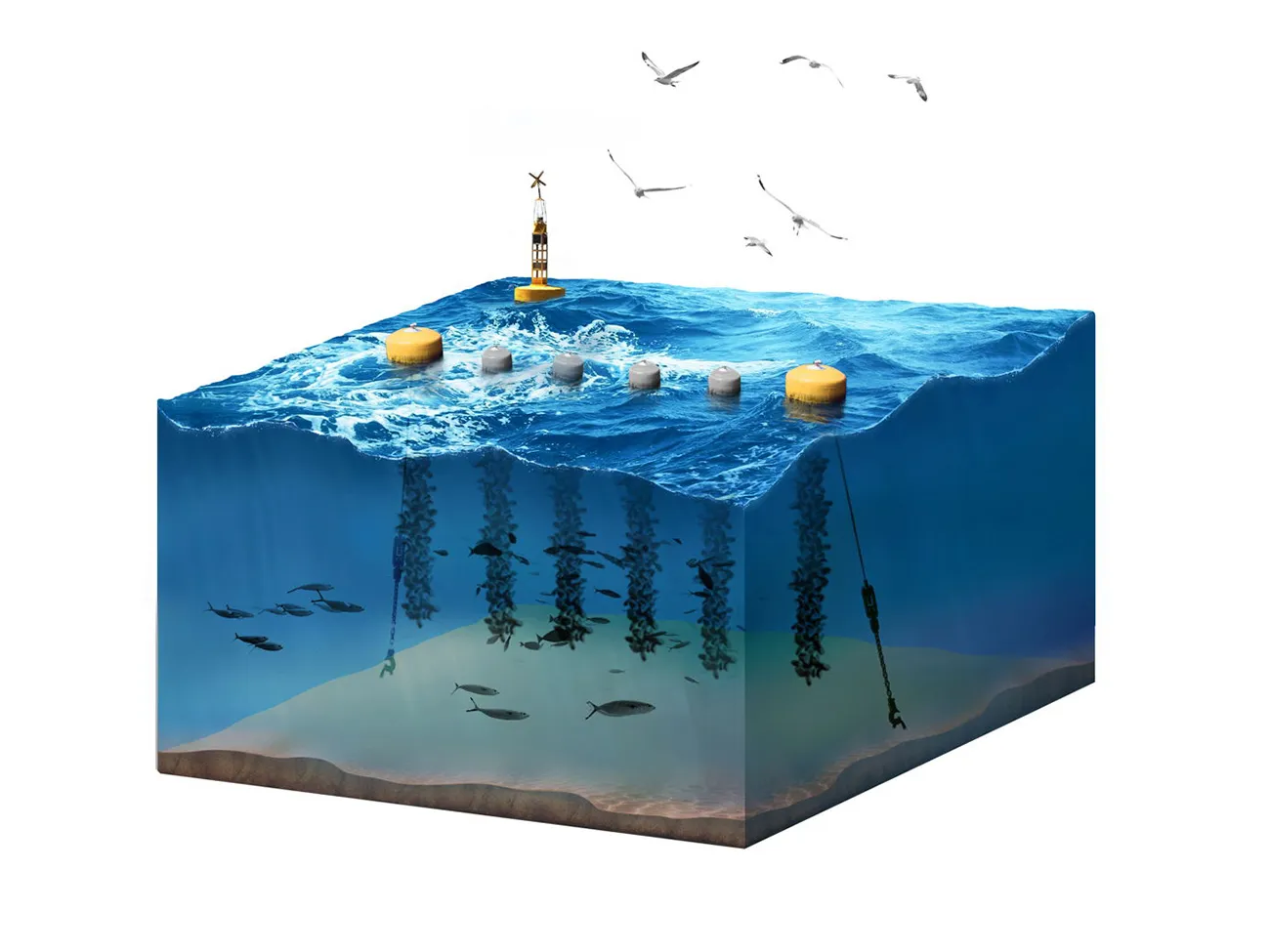
Work at sea begins today on the first phase of construction of the Westdiep Sea Farm off the Belgian coast. In collaboration with its Belgian partners, Colruyt Group is developing Belgium’s first commercial mussel farm.
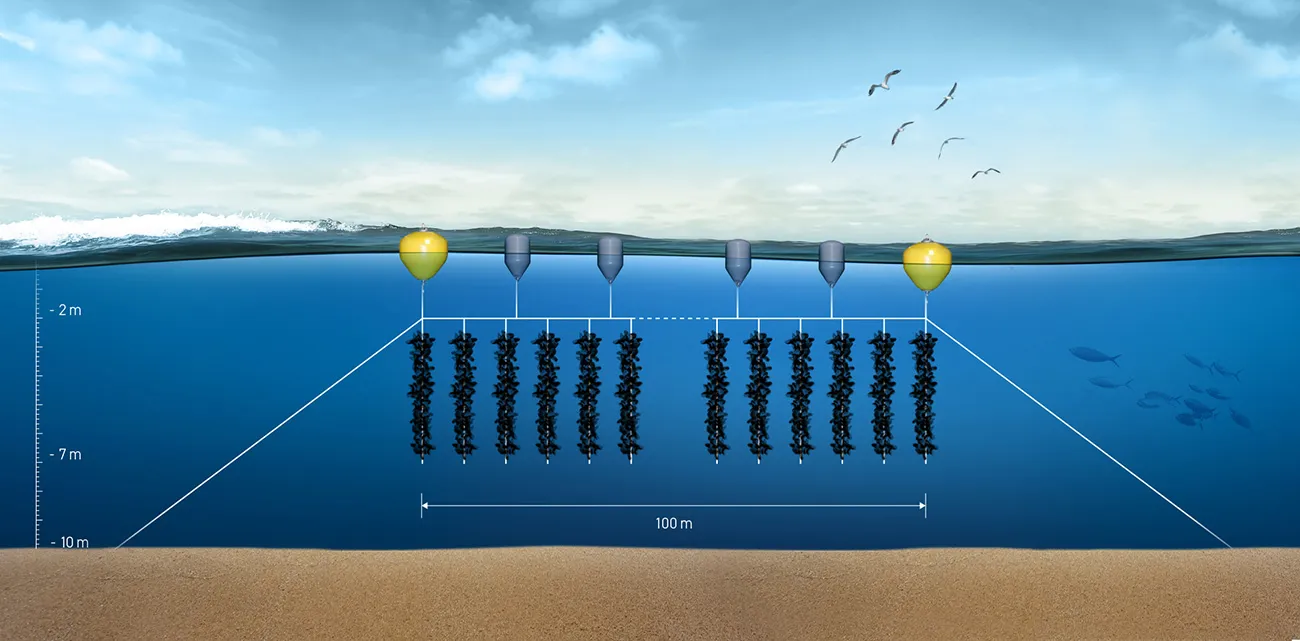
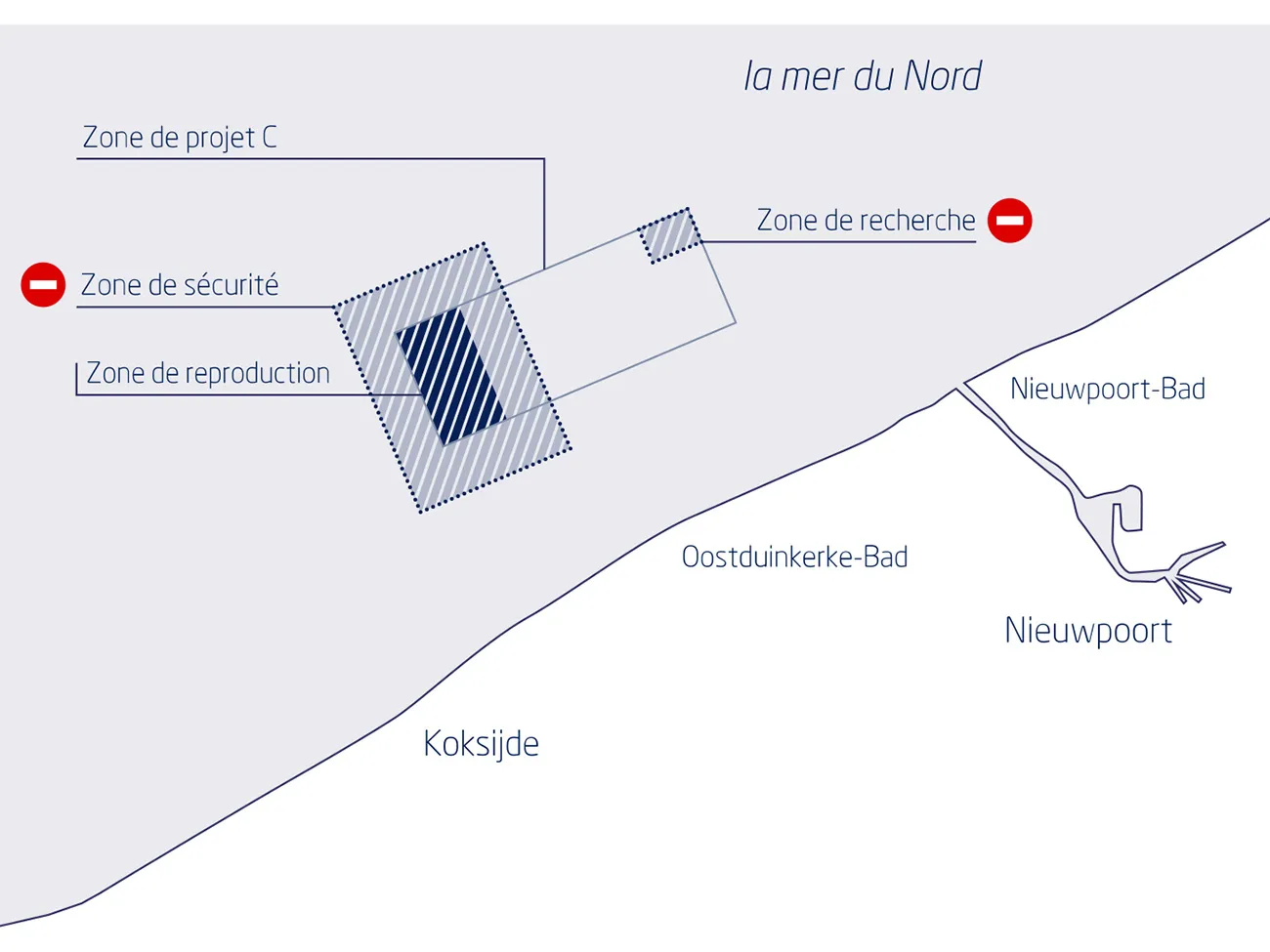
In the coming weeks, the team responsible for engineering and constructing the farm will place cardinal buoys and special marking buoys to delimit the area. Marking the area with buoys is necessary to ensure the safety of seafarers. A safety platform also continuously monitors movements in Zone C. In accordance with its operating permit, Colruyt Group will also proactively inform the various stakeholders about the progress of the work. Zone C will not be brought fully into operation straight away. During this phase, only an area of 1 km², or a quarter of the zone, will be used. The first mussel lines will be installed in the waters of this area in spring. Colruyt Group expects to be able to offer Belgian consumers their first harvest of mussels in summer 2023.
Preparatory phase complete
The 2020-2026 Marine Spatial Plan (MSP) for the North Sea identifies five zones for commercial and industrial activities. Following several successful research projects, Colruyt Group decided to apply for an operating permit and an environmental permit from the federal Marine Environment Service and the Scientific Service Management Unit of the Mathematical Model of the North Sea (MUMM). In December 2020, Colruyt Group obtained these permits for one of the five commercial zones, allowing it to develop aquaculture activities in the Belgian part of the North Sea. This innovative project is located five kilometres off the Belgian coast, in Zone C, better known as “Westdiep”.
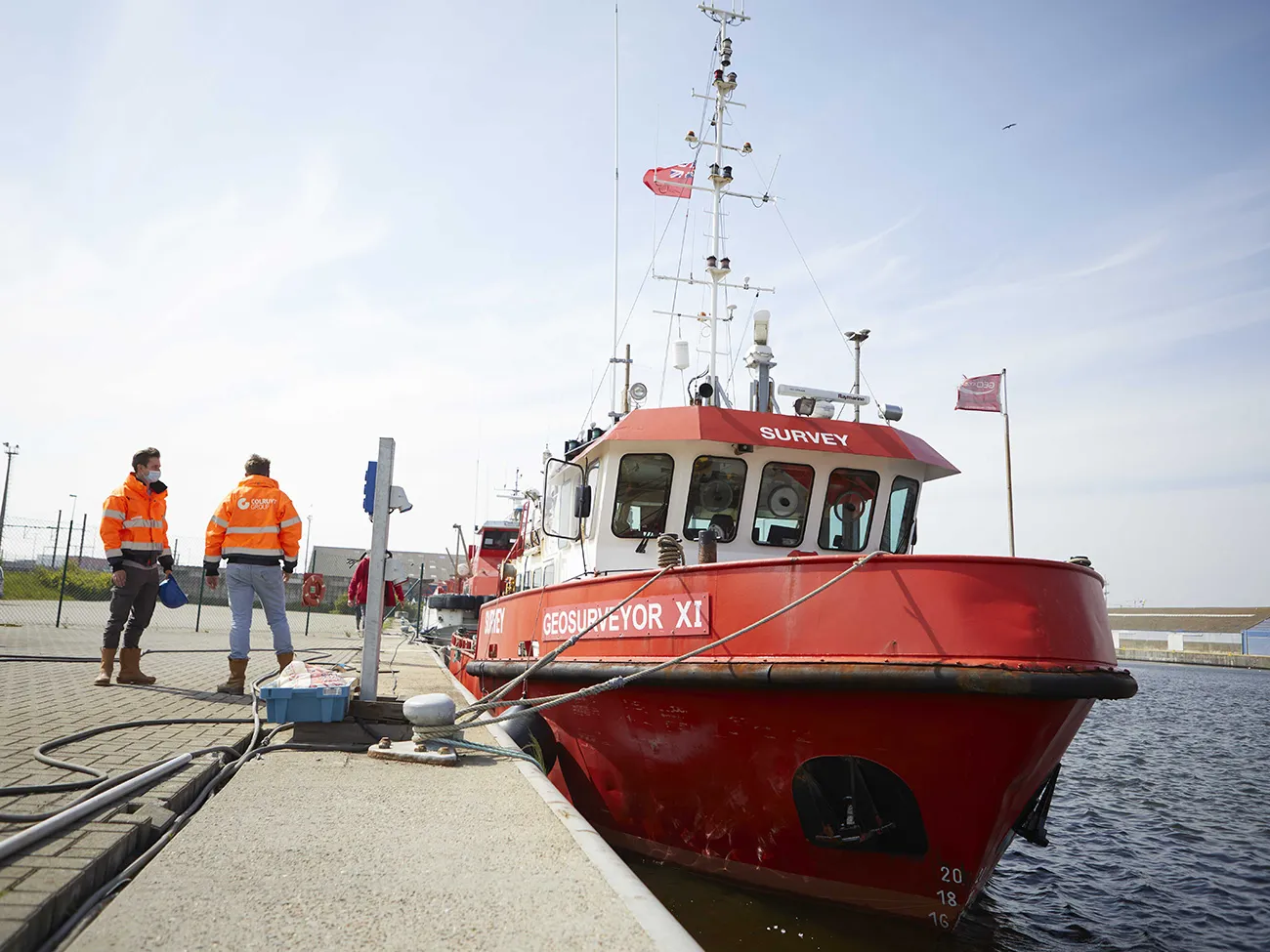
The preparatory phase for the “Westdiep Sea Farm”, covering the design of the installation in accordance with international maritime aquaculture standards, the selection of materials and safety measures, is now complete. The final design has been certified by the accredited Belgian inspection and certification body Vinçotte. Construction can therefore begin in spring. A specialist team within Colruyt Group and its partners are responsible for engineering and constructing the sea farm. These include DEME, GEOxyz and Parkwind.
Ensuring safety at sea
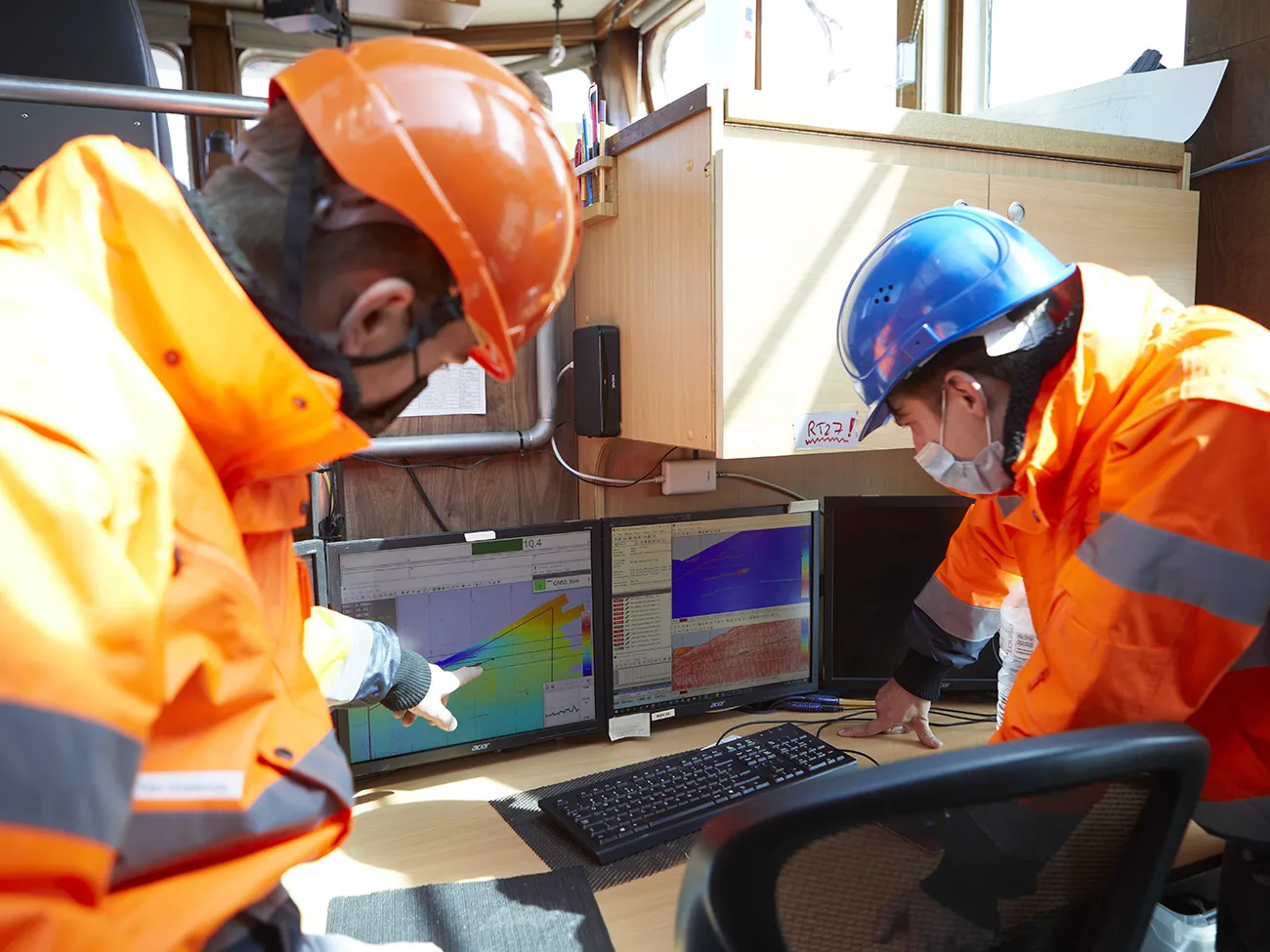
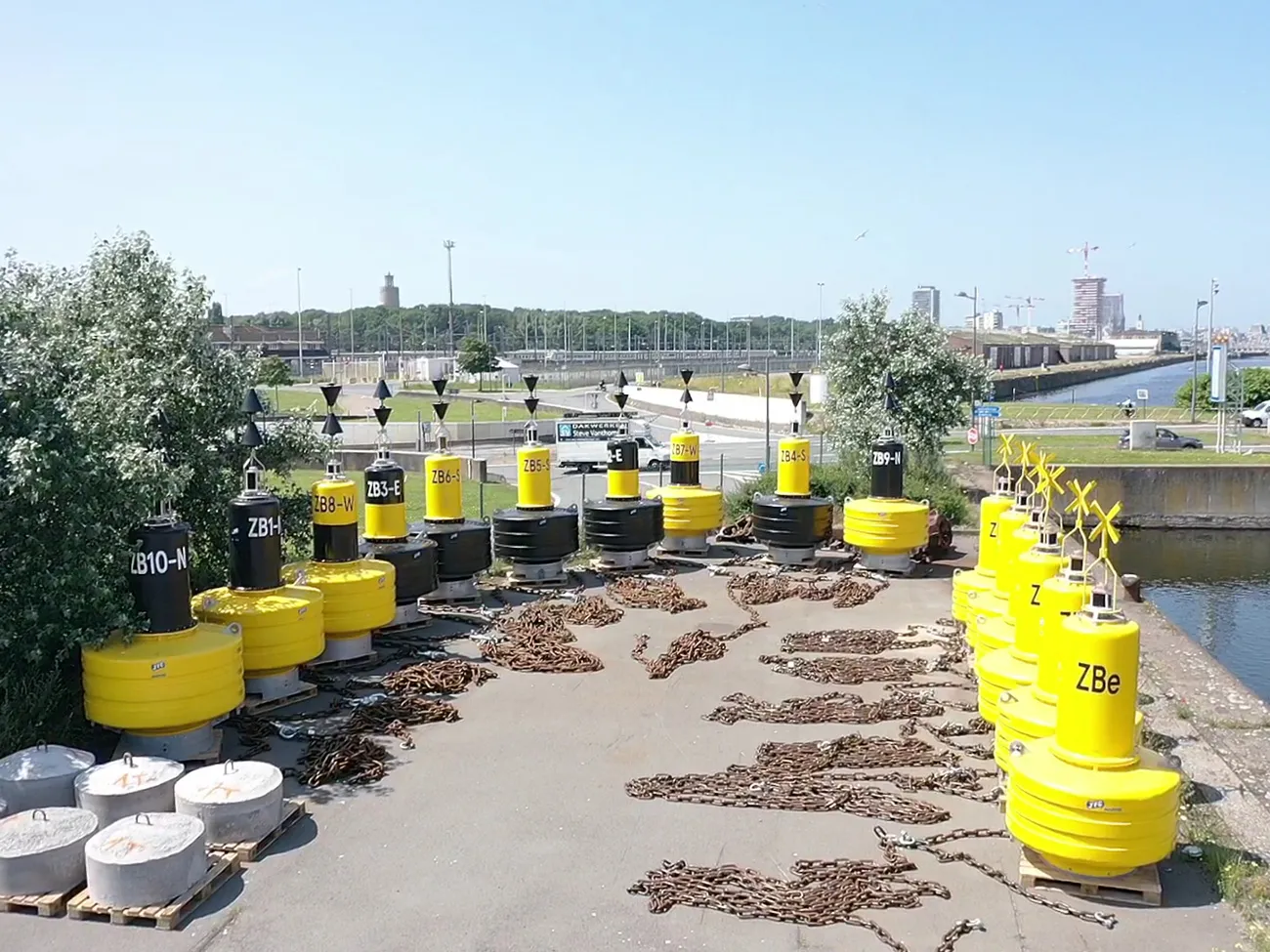
Safety is, of course, a priority for activities at sea. As with the construction of offshore wind farms, and in accordance with legal requirements, the first step in installing the sea farm is to establish a safety zone around the cultivation area. This is to prevent other seafarers from entering the farming area. The safety perimeter is marked by ten cardinal buoys, while the breeding area is marked by six special marker buoys. In accordance with the IALA* standard, cardinal buoys serve as geographical markers at sea and are therefore essential for showing seafarers which waters are safe. The different yellow-and-black colour combinations and black symbols on the buoys serve as identifying marks. In addition, specific light signals for each type of buoy ensure the area is visible at night. The special marker buoys are recognisable by the large yellow cross above them and indicate the actual “cultivation area” within the safety zone. This buoy system signals that navigation within the marked area is prohibited. The Maritime Rescue and Coordination Centre explains: “Safety at sea is one of our main objectives. In the event of an incident or emergency, we are the central point of contact and take action. We therefore ensure that the cultivation area and safety perimeter are properly marked. The area, including the markings, is also shown on digital nautical charts and can be viewed via the Notices to Mariners (Bericht aan zeevarenden).”
A safety platform is also operational 24/7, monitoring maritime traffic near Zone C. At Parkwind’s monitoring centre in Ostend, the platform’s tracking system makes it possible to follow vessel movements, enabling smooth communication between the coastguard and experts (https://kustwacht.be/fr/partners). With the boundary buoys and monitoring system in place, the sea farm complies with international IALA standards and other safety requirements.
Mussel lines
Once the cultivation and safety zones have been marked out, the mussel lines will be deployed with aquaculture buoys. As set out in the expansion plan, Colruyt Group will initially use only the western part of Zone C, equivalent to a quarter of its surface area. This amounts to 1 km² out of a total of 4.5 km², or 22% of the entire operating area. Fifty mussel lines will produce around 200 tonnes of longline mussels. The group hopes to have its first full mussel season and offer Belgian mussels in its shops for the first time in 2023.
Jonas Goeteyn, project manager for the Westdiep Sea Farm: “Colruyt Group aims to involve as many local businesses as possible in the project, creating local economic and social added value. We are therefore proud to be able to draw on the exceptional expertise of GEOxyz, a company based in Zwevegem, to install the longlines on which Belgian mussels will be grown. We hope to involve even more SMEs in our ambitious project.”
Entrepreneurship and positive partnerships
Colruyt Group continues to engage in active dialogue with the various stakeholders in the sea farm project and is committed to keeping them well informed. All information on progress and activities at the sea farm is therefore available at https://seafarm.colruytgroup.com/fr/home-fr/.
Jonas Goeteyn: “For Colruyt Group, continuing to develop partnerships on the coast remains crucial. We are seeking synergies with different sectors to help Belgian mariculture thrive. We therefore invite businesses that can add value to our project to contact us. We also continue to invest in aquaculture research and innovation, playing an active role in (new) research projects such as SYMAPA (synergies between aquaculture and passive fishing), United (the restoration of oyster beds and oyster farming in offshore wind farms), Blue Marine (a hatchery for seaweed, oysters and Norway lobster), led by Blauwe Cluster, as well as a pilot project at the Blue Accelerator test platform in Ostend.”
Question about this story? Ask your question
Keep following this
Get an email when a new story is published. No account needed.
- SubjectNews