How smart printing and coding can optimise your production
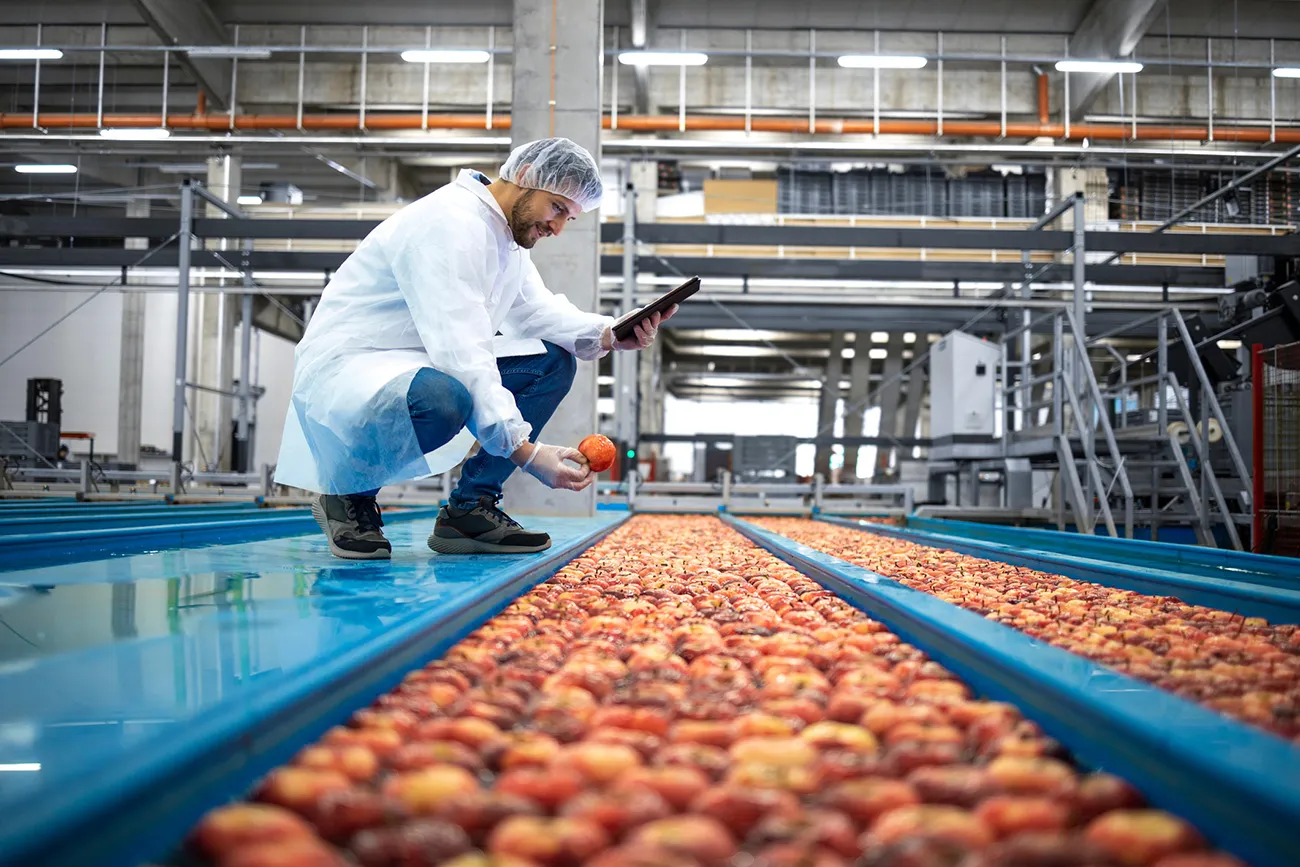
The demands on food producers to produce faster, for longer and in greater volumes, with fewer errors, less waste and lower costs, will only increase in the years ahead. Added to this are the challenges posed by consumer expectations, with consumers wanting more product variants. This will lead to more production lines and increasingly rapid changeovers between product batches. Moreover, the food industry cannot escape the trend towards greater sustainability. In short, food producers have to do more with less waste and lower costs, without compromising on flawless product marking, labelling and coding.
Food companies must therefore scrutinise every stage of their production chain to identify efficiency gains, however small, and improve production. After all, every marginal improvement is another step towards full optimisation. Thanks to advances in printing and coding technologies, food producers can now meet standards while streamlining their operations. At Markem-Imaje, decades of experience in direct coding have led to a major breakthrough, delivering efficiency gains at multiple points along the production chain. “We have extremely rewarding relationships with our customers and work closely with them to understand their challenges and address them with products that support not only optimal printing and coding, but also a more efficient process overall,” says Kees Bink, Commercial Director of Markem-Imaje in the Benelux.
Identifying opportunities for improvement
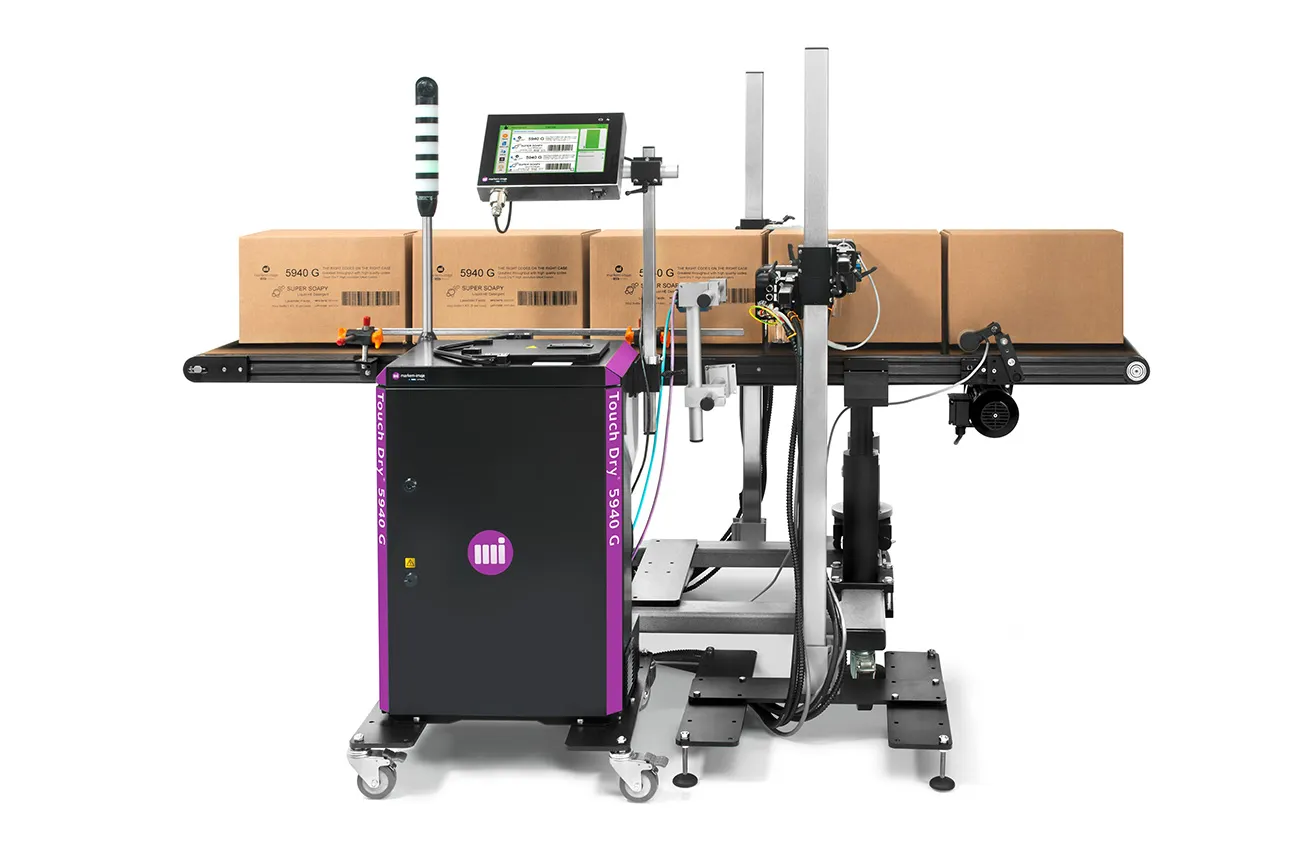
The first step towards improving the efficiency of secondary coding is to work with a supplier with an in-depth knowledge of the industry who can offer the right advice. Bink adds: “We see that our customers can make immediate efficiency gains by switching to direct coding. The different approaches to indirect coding of course offer many advantages. But for those looking to reduce consumables and maximise uptime, direct coding is an excellent option. And it’s what we do very well.” Building on this, Markem-Imaje has just launched the 5940 G Touch Dry® inkjet printer. It delivers high-resolution, label-free codes, logos and text that comply with the GS1-128 standard. “Waste is not only bad for the environment, it also means extra handling, labour, attention and time. A label-free solution therefore offers several advantages. What’s more, our Touch Dry inks used with the new 5940 G contain no volatile organic compounds (VOCs). This technology is only available from Markem-Imaje, which is why it is so important for a company to match its needs with the right supplier.”
Keeping pace with industry standards
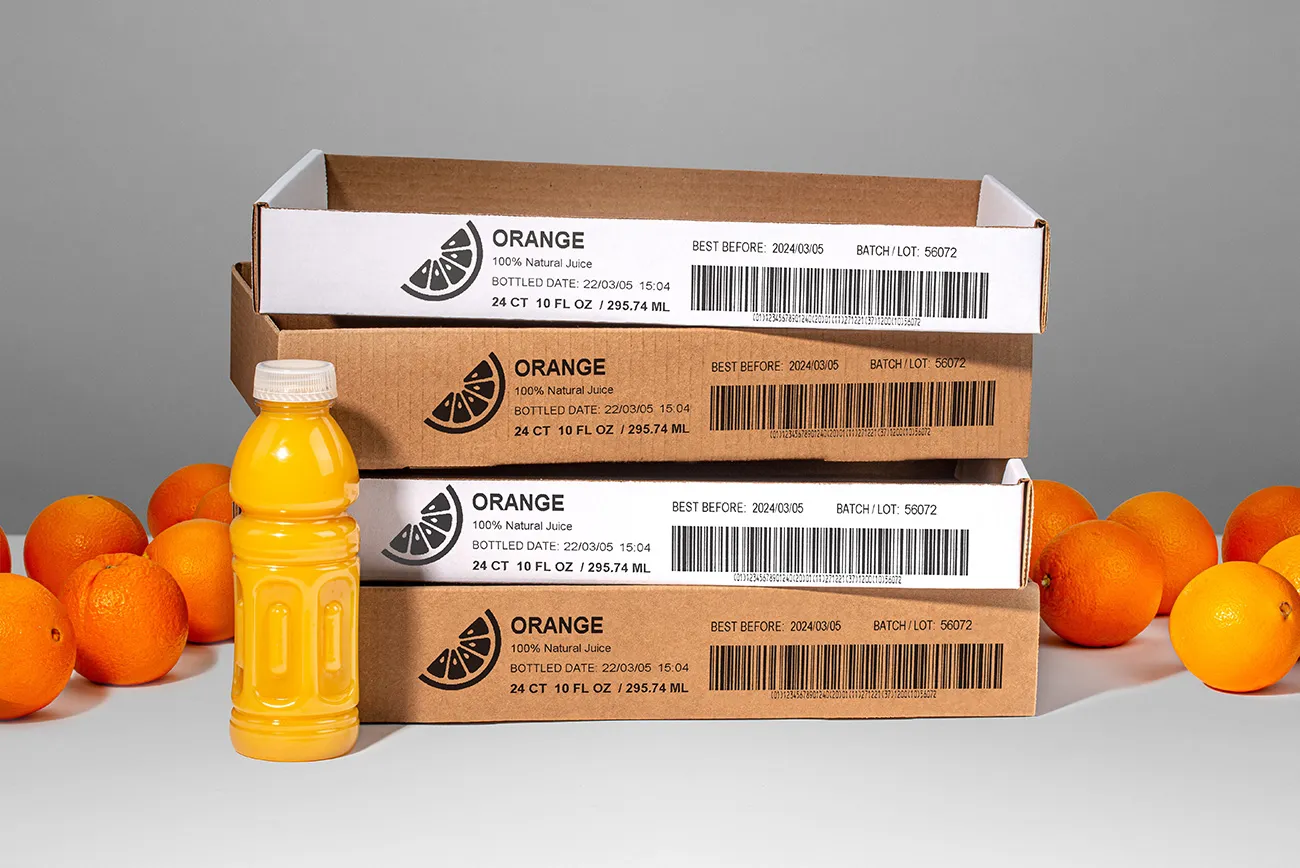
In Europe, as in most regions, major retailers require barcodes to meet at least GS1-128 Class C. When products are packed on a pallet, as is often the case, a code must be applied to both sides. This ensures that the code is always visible and provides a safeguard if one side is not scanned. Meeting these requirements increases production line lead times and error rates. Yet smart solutions are available to keep pace with industry standards. For example, Markem-Imaje’s new 5940 G can be fitted with up to four printheads to print on both sides of a box simultaneously.
Thinking beyond the obvious
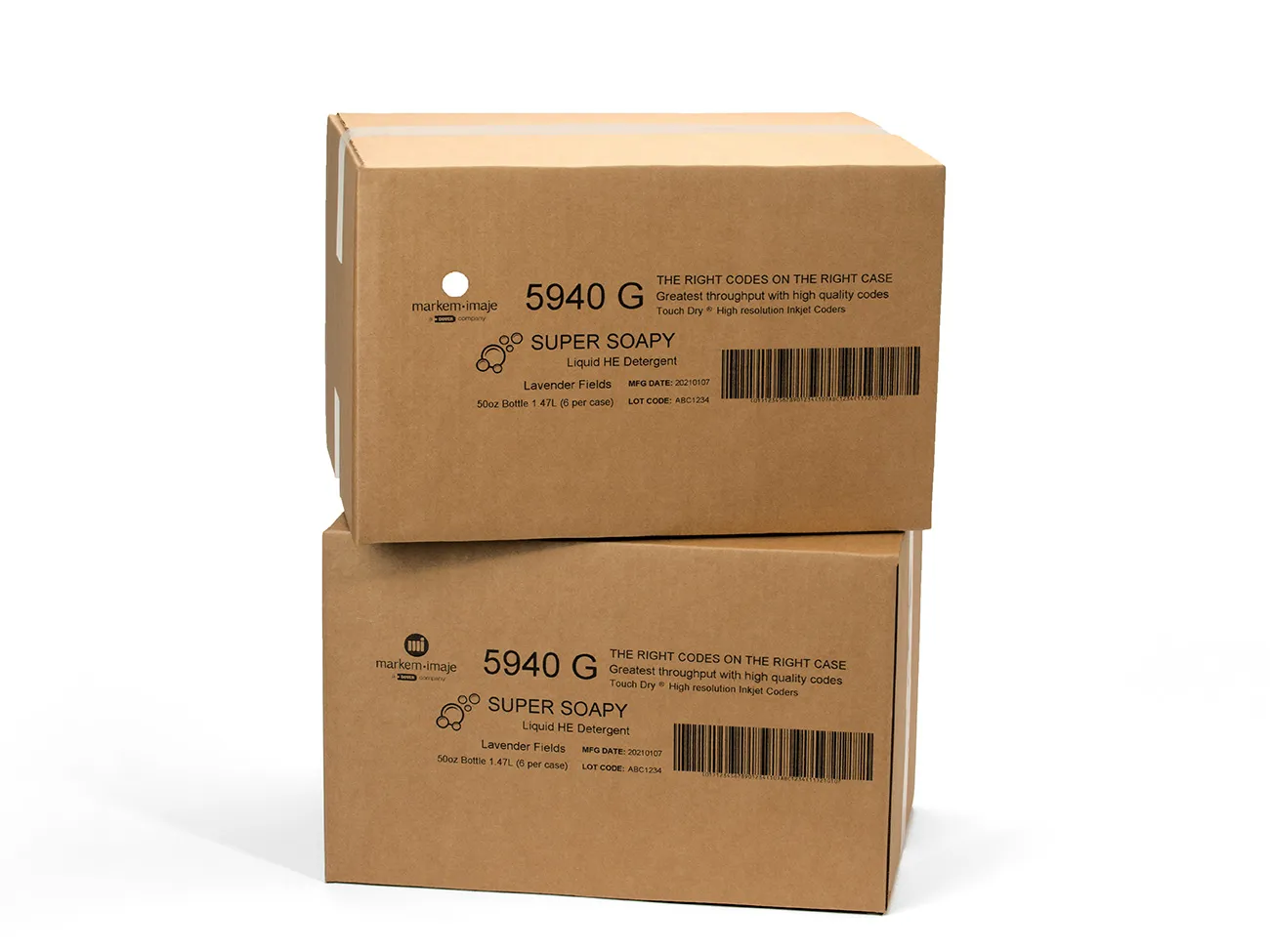
It may not be obvious at first, but switching to direct printing can also improve efficiency in other areas. Bink explains: “We have many customers who produce under private label. They therefore have to keep large stocks of packaging for different brands. This takes up space and ties up capital, and also creates opportunities for errors. Applying secondary coding directly means standard packaging can be used throughout the process.” Food producers looking to optimise uptime and consumables should also take note. With Touch Dry ink for Markem-Imaje’s 5940 G, users have an ink reservoir that is 75% larger than those offered by most competitors. This allows operators to reduce user interventions by 43%. Markem-Imaje has also designed the reservoirs so they can be replaced without stopping production. “The more continuous production is, the longer you can run, the more you can produce and the more profit you can make,” Bink concludes.
A business enquiry for Markem-Imaje NV? Get in touch
Companies in this story
Keep following this
Get an email when a new story is published. No account needed.
- ThemePackaging and tracing products
- SubjectNews
- CompanyMarkem-Imaje NV