New flooring for a flexible extension
Texte & photos Elise Noyez
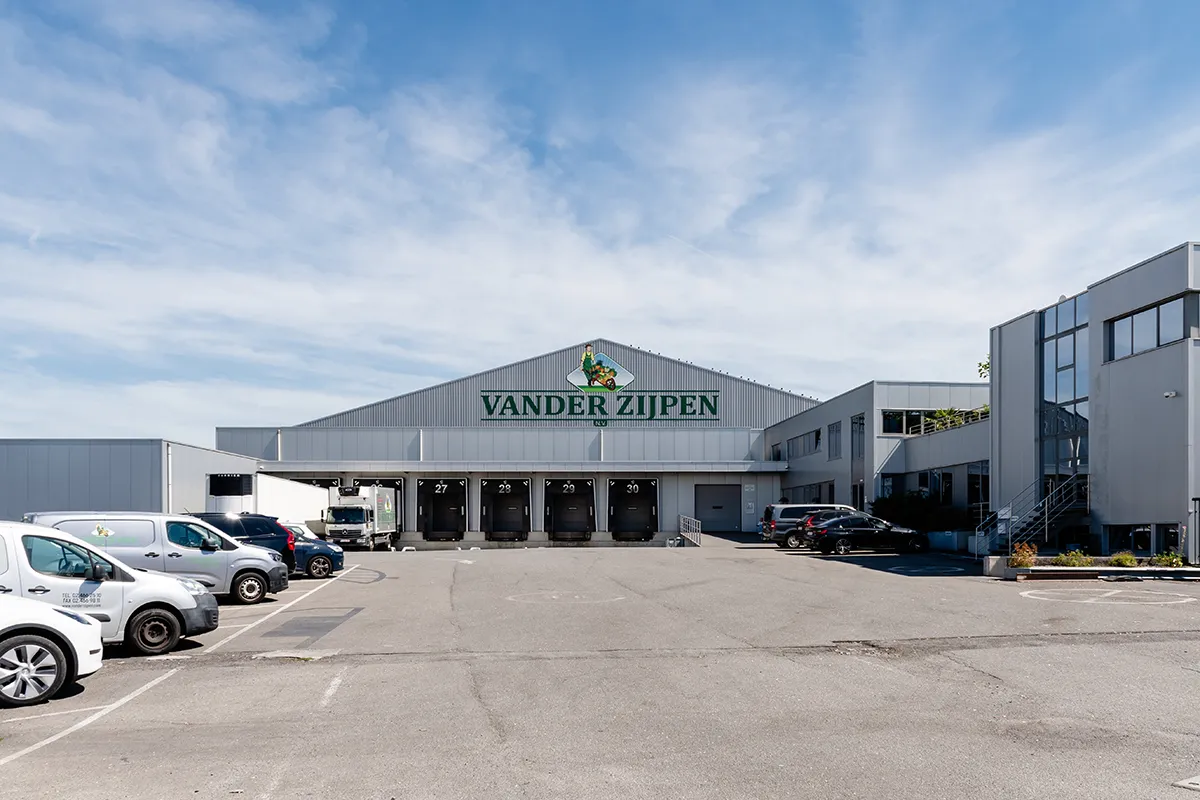
Fruit and vegetable wholesaler Vander Zijpen, based in Asse, has had an acrylate floor installed by Deweco, based in Kontich, for around 15 years. After all this time, it is still doing its job perfectly. That is why Vander Zijpen once again called on the poured-flooring specialist for its recent extensions. Following in the footsteps of founder Frank De Weerdt, his sons Joris and Wouter De Weerdt can now also add a project at the wholesaler to their portfolio.
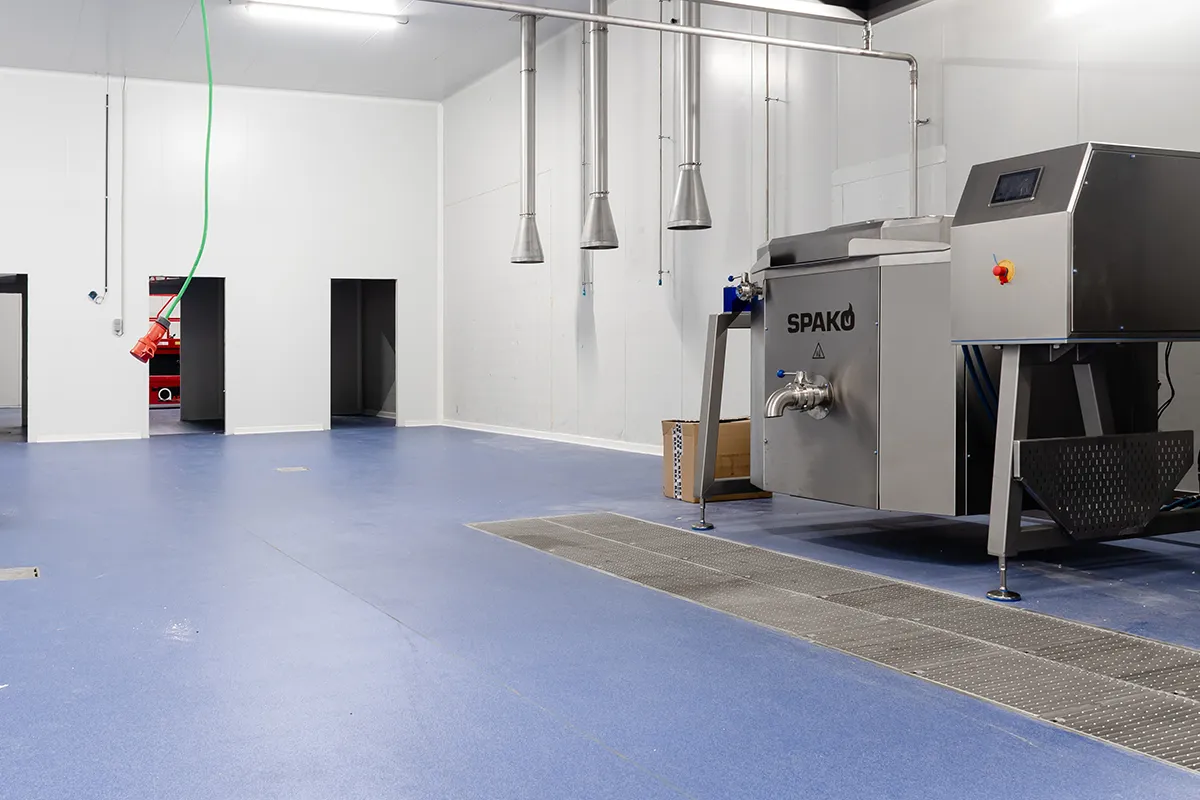
Vander Zijpen started out as a traditional fruit and vegetable wholesaler, but has systematically expanded its activities in recent years. Its own production of pre-cut fruit and vegetables and prepared salads has given the company fresh impetus in particular. When this created a need for additional cooling capacity, the company invested in an adjacent warehouse. The space not used to store pre-cut products, around 1,300 m², is now being gradually prepared for the production of mashed potatoes and vegetable purées, as well as other dishes.
A seamless transition from concrete to acrylate
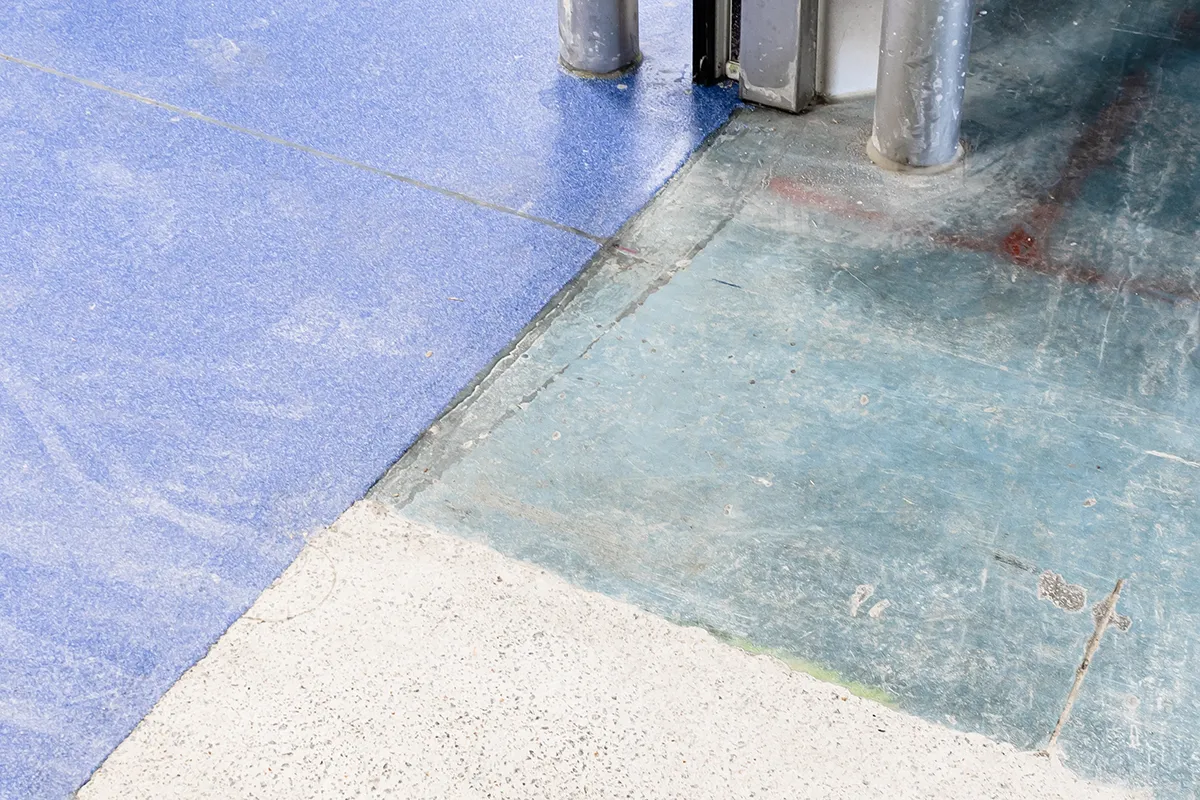
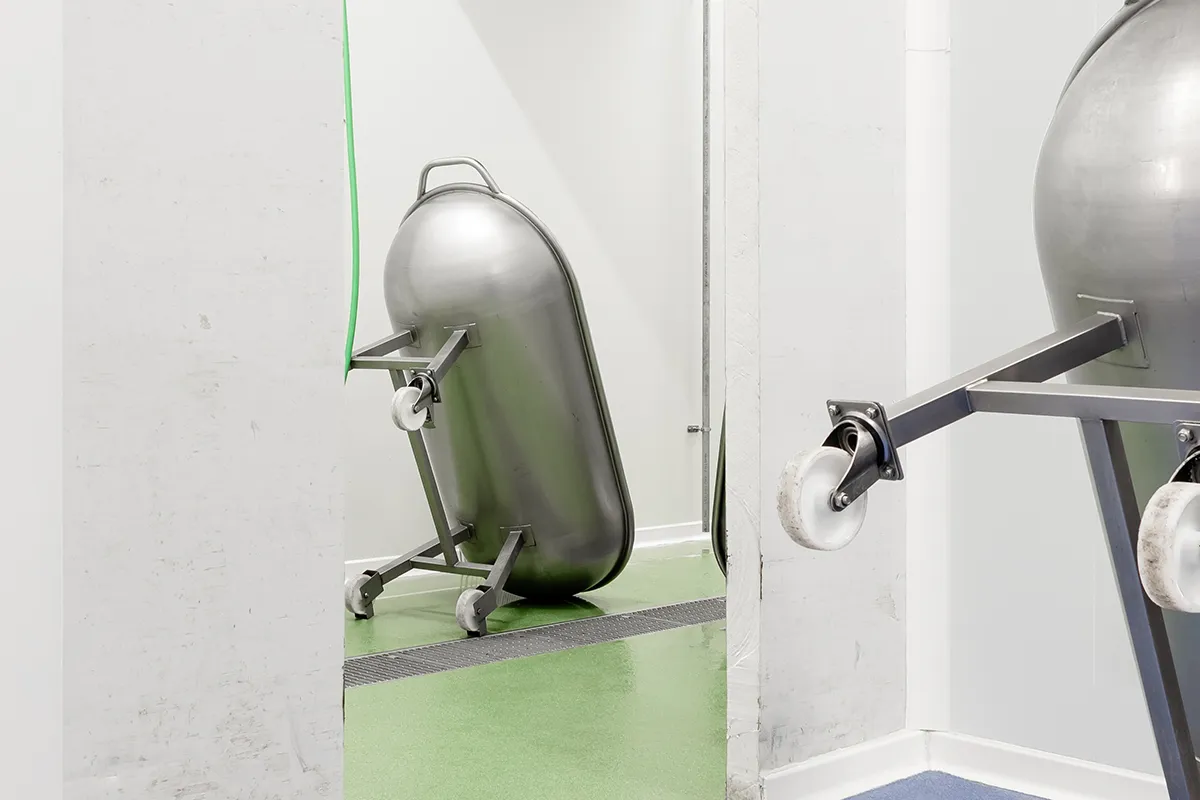
Before the recent renovation work, the floor in the new warehouse was far from ideal. The concrete floor was unsuitable for food production, and the removal of several walls had left uneven areas. “As the available spaces were assigned a function, we made sure the surfaces were brought back into perfect condition with an acrylate resin floor,” explains Joris De Weerdt. “First, the concrete slab was shot-blasted, then we applied a primer, a levelling coat, a coloured flooring layer and two topcoats, in that order. It sounds complicated, but the total thickness is only 4 to 5 mm.” Stefan Scholiers, head of technical services at Vander Zijpen, was particularly surprised by how quickly this type of resin floor can be installed: “The different layers dry so quickly that most areas can be installed and put into use in a single day. We also found Deweco to be an exceptionally flexible partner. As Joris has already mentioned, the entire surface was not installed all at once. Some decisions were made as the work progressed, which called for a very responsive approach. At one point, for example, a wall was removed in a room that had already been completed. Deweco quickly repaired the resulting damage.”
Heat-resistant coating
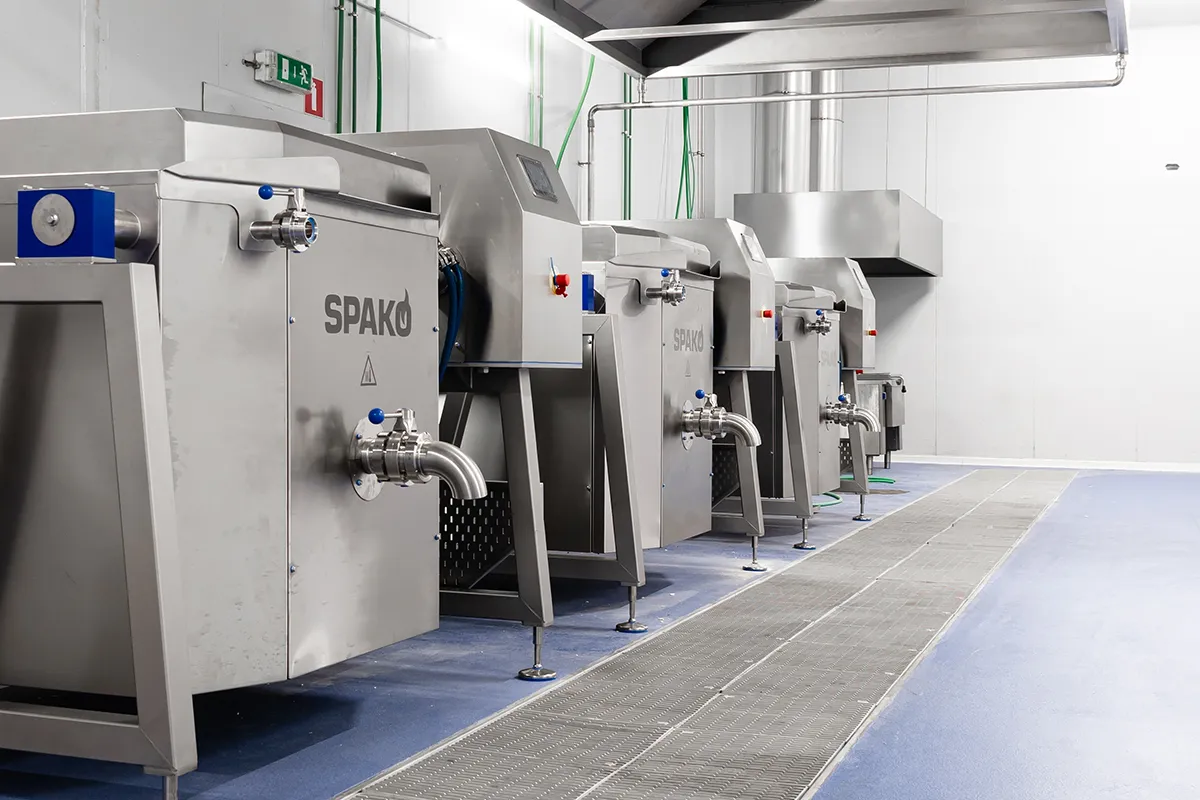
Fast installation is just one of the advantages of an acrylate or PMMA resin floor. It also creates a wear-resistant surface that is often seamless and easy to clean. “An acrylate resin floor is fully compliant with HACCP standards,” explains Stevens Scholier. “You can also tailor many features to your specific needs. We wanted not only a non-slip surface, but also a floor that could withstand boiling water and steam in the hot area. The additional heat-resistant coating now gives us peace of mind.” To distinguish between the different areas, Vander Zijpen opted for blue and green floors. “The colours are durable, which is a real advantage. As the colour runs through the floor, we don’t have to worry about repainting the whole thing in a few years’ time.”
Hygienic junctions
Although an acrylate resin floor can theoretically be installed without joints, De Weerdt acknowledges that things are rarely so straightforward in practice. “To reduce the risk of damage, for example, we always have to take account of the expansion joints in the existing substrate. These are cut into the floor after installation and filled with an elastic material. Food-processing plants also have numerous floor drains and channels. We lightly cut into the substrate in these areas so that the resin floor fits perfectly and everything can be sealed. If required, we can also supply rounded acrylate coving to create a fully watertight basin.”
Question about this story? Ask your question
Keep following this
Get an email when a new story is published. No account needed.
- ThemeDesigning hygienic factories
- SubjectNews