Without political action, industry is up against the wall
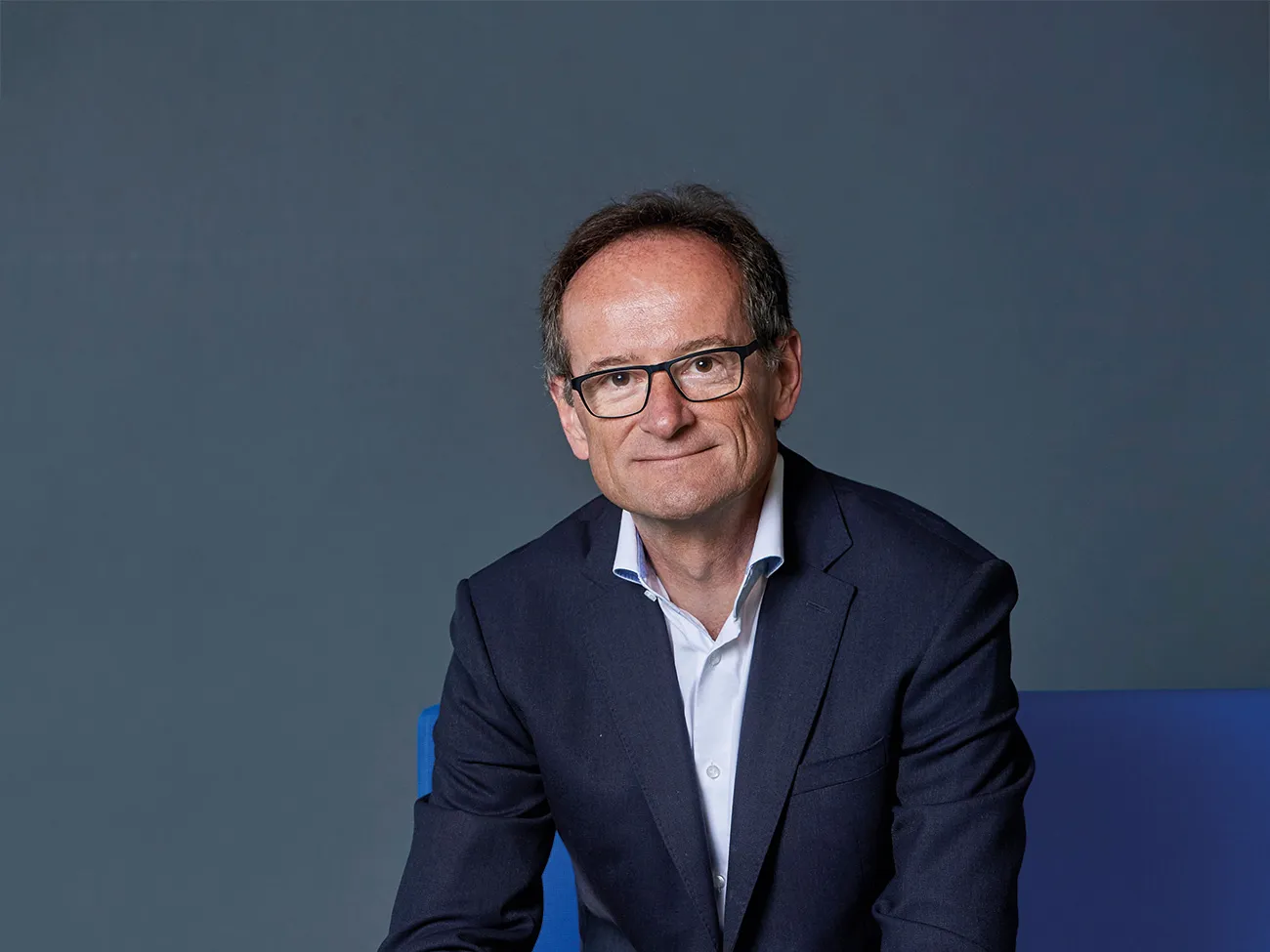
It is one minute to midnight. High energy prices are putting us and many other technology companies in a very difficult position. They are having far too great an impact on our competitiveness, and we must prevent companies from cutting production. Without political action, industry is up against the wall. The technology federation Agoria is supported in this view by technology companies including Umicore, Aurubis, Nyrstar, Aluminium Duffel, Sonaca, Thales, Daxi, JTEKT, Safran Aero Boosters and Halo Steelrings.
Companies’ activity and competitiveness in Belgium are under severe pressure from the combined impact of rising energy and labour costs. Our research centre has calculated that technology companies will face an additional burden of €10 billion in 2023 compared with 2020.
According to Agoria, the root of the problem is the huge rise in natural gas prices on the market and its knock-on effect on electricity prices through the price-setting mechanism. Measures to bring down the price of natural gas are therefore a logical first step. Norway, which sells almost all its gas via pipelines to a limited number of EU countries, is the clearest example.
To limit this knock-on effect, Spain and Portugal have already received approval from the European Commission to intervene in the production costs of gas-fired power plants. Agoria proposes introducing such a system on a temporary basis across a wider geographical area, preferably at European level and, if that does not seem feasible, at least with the countries with which we are interconnected.
The price of emitting one tonne of CO2 has risen sharply under the Emissions Trading System (ETS), reaching more than €100 per tonne of CO2. A year and a half ago, it was just €30 per tonne of CO2. The cost of these CO2 emission allowances is factored into the method used to calculate electricity prices, and therefore also affects consumers indirectly. “The electricity sector, a major participant in the ETS, could temporarily be exempted from buying emission allowances at European level, or more allowances could be released onto the ETS market through the Market Stability Reserve (MSR).
In addition, maximum compensation for indirect emission costs is an essential measure. Agoria is calling for the European Temporary Crisis Framework to be used. On 23 March 2022, the European Commission adopted a State aid framework, which was further amended in July 2022. Under certain conditions, this framework allows affected companies to be compensated. Several EU Member States have already implemented it at national level. Agoria is urging Belgium to do the same in a targeted way.
These are unconventional measures, but desperate times call for desperate measures. None of the proposed measures will be free from criticism or easy to implement, but taking no action in Belgium is no longer an option. It is time for our country too to take measures that will safeguard companies’ competitiveness.
From a long-term perspective, it is also worth focusing more on energy efficiency, where digitalisation can play a major role, and considering all options for Belgium’s energy mix without taboo, as well as a licensing policy that facilitates the transition and the creation of energy communities.
Bart Steukers
CEO of Agoria
Question about this story? Ask your question
Keep following this
Get an email when a new story is published. No account needed.
- ThemeReducing the environmental footprint of factories
- SubjectNews