Four pillars are becoming increasingly important to the food sector
Texte Evi Husson | Photos Markem-Imaje
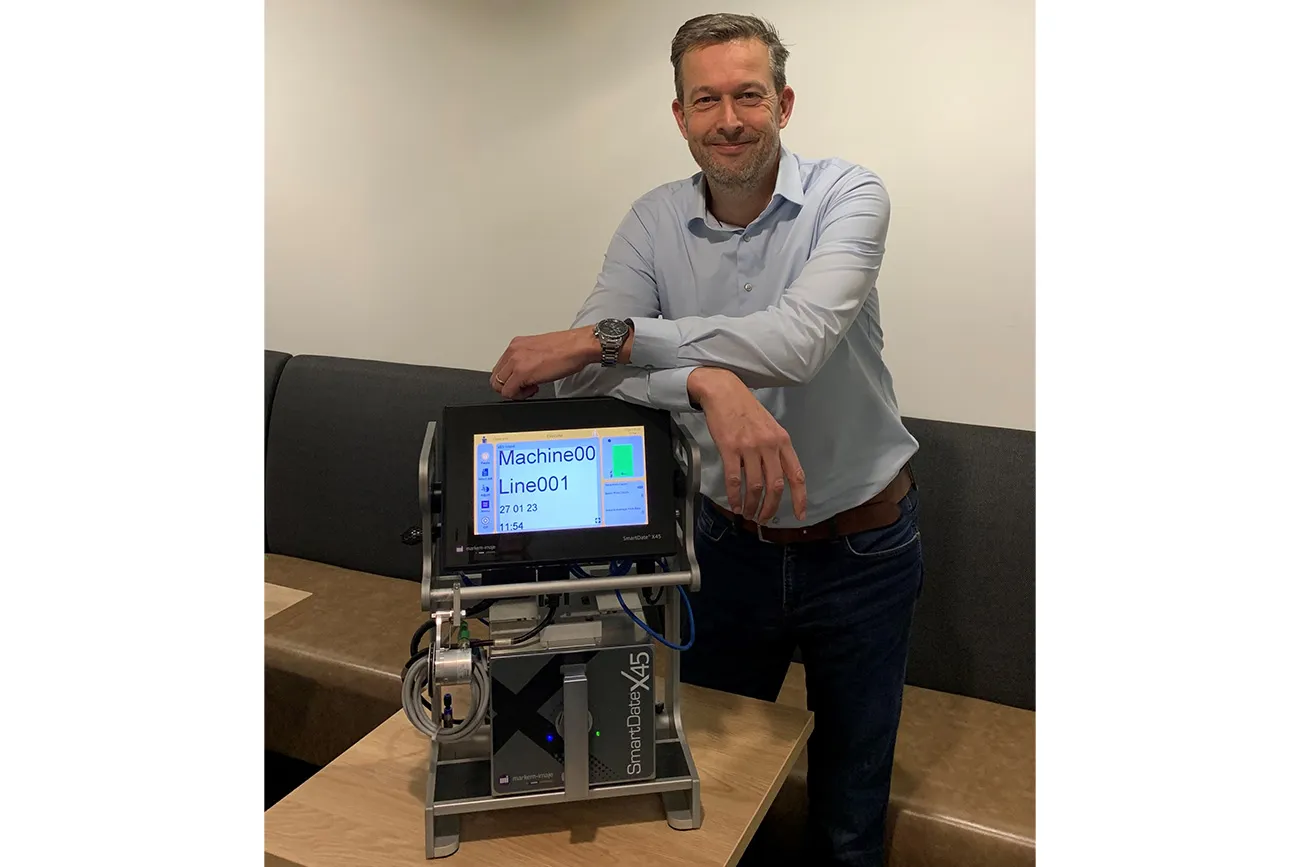
“Improving efficiency, cutting costs, ensuring compliance and protecting the brand. These four pillars are very important to our customers and, as Markem-Imaje, we are firmly committed to them,” says Dennis Jonker, Sales Director for North-West Europe at Markem-Imaje.
“One way to improve efficiency is to reduce downtime. This is a pillar that everyone in the food sector is working hard on. Cost reduction is another area of focus. The aim is to minimise rework. For example, incorrect coding can mean that packaging has to be redone or processed again. We are also seeing the third pillar, compliance, come up more and more often. This is linked to product traceability throughout the supply chain. Manufacturers have to meet increasingly stringent requirements from the supply chain, such as those set by supermarket groups. Finally, brand protection is receiving more attention. To address this, a few years ago we acquired Systech, a company focused on product authentication and promotional coding, for example. With its software and our printers, we can code products so that they are recognised as unique throughout the supply chain, right through to the consumer. We also acquired Blue Bite. It specialises in software that allows consumers to scan barcodes, for example, and access information about a product. This could include details of its ingredients, instructions for use, safety information and so on. We are seeing growing demand for this in the market.”
Vision systems
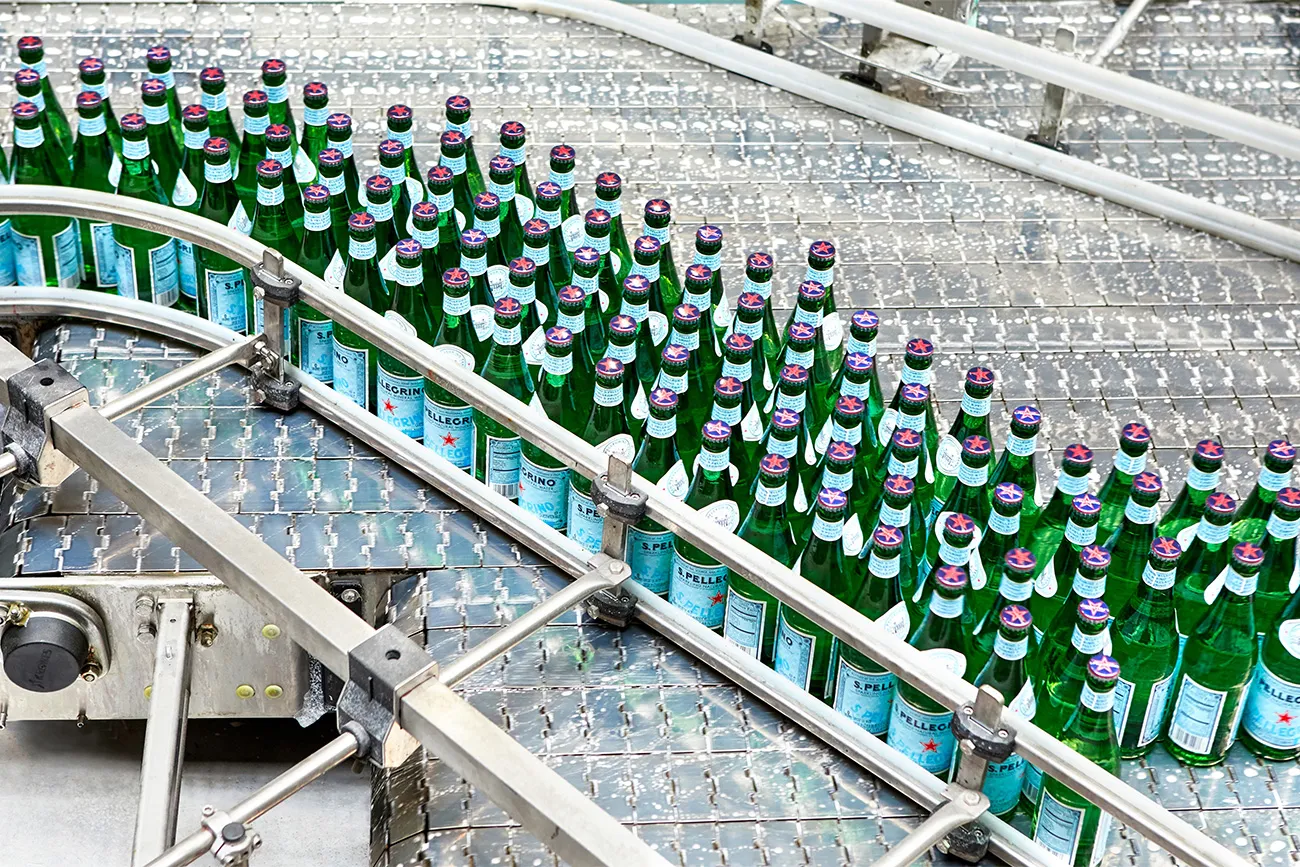
“Another trend we are seeing is growing demand for vision systems. It is becoming increasingly important not only to apply codes correctly, but also to check that they are legible and contain the right information. This trend is probably linked to the fact that fewer workers are moving around the factory, meaning that visual checks need to give way to automated inspections. We address this with vision systems. We do not simply add a camera, we integrate the whole solution into an automation system. Vision technology is already widely used in the pharmaceutical sector, but interest is also growing in the food sector. Quality requirements are increasing, but with fewer operators on the shop floor available to carry out checks, this type of system offers a solution.”
A holistic approach
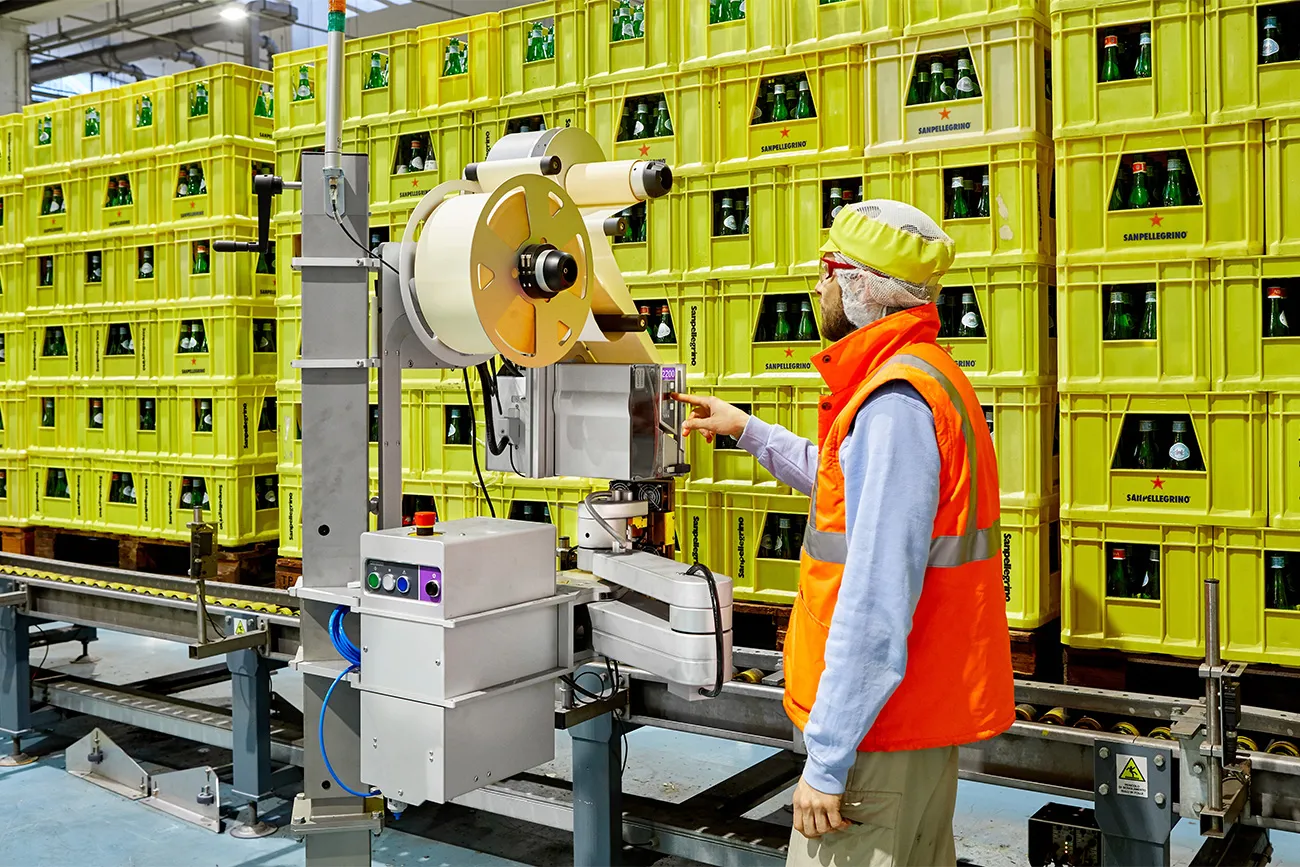
“We can tackle the challenges our customers face and offer them a solution. To do so, we take a holistic approach,” continues Dennis Jonker. “We do not just supply products or hardware, we also place great importance on the underlying automation. The hardware is only the tip of the iceberg. Hardware quality remains important, but the real benefits for businesses come from control and connectivity. For a number of customers, we have set things up so that an operator only has to scan a job sheet, after which the printer retrieves the correct data from the ERP system or another higher-level information system. We then add cameras to check that the print is correct. This closes the loop. We are paying more and more attention to software development. All these software solutions are brought together in a single system called COLOS. It includes other modules, such as pallet coding and packaging integrity…”
A growing need
Added value is becoming increasingly important. “We see that there are still many differences between companies, but there is a growing need to address all four pillars. We can meet that need.”
A business enquiry for Markem-Imaje NV? Get in touch
Companies in this story
Keep following this
Get an email when a new story is published. No account needed.
- SubjectSolutions
- CompanyMarkem-Imaje NV