Rethinking dry materials transport
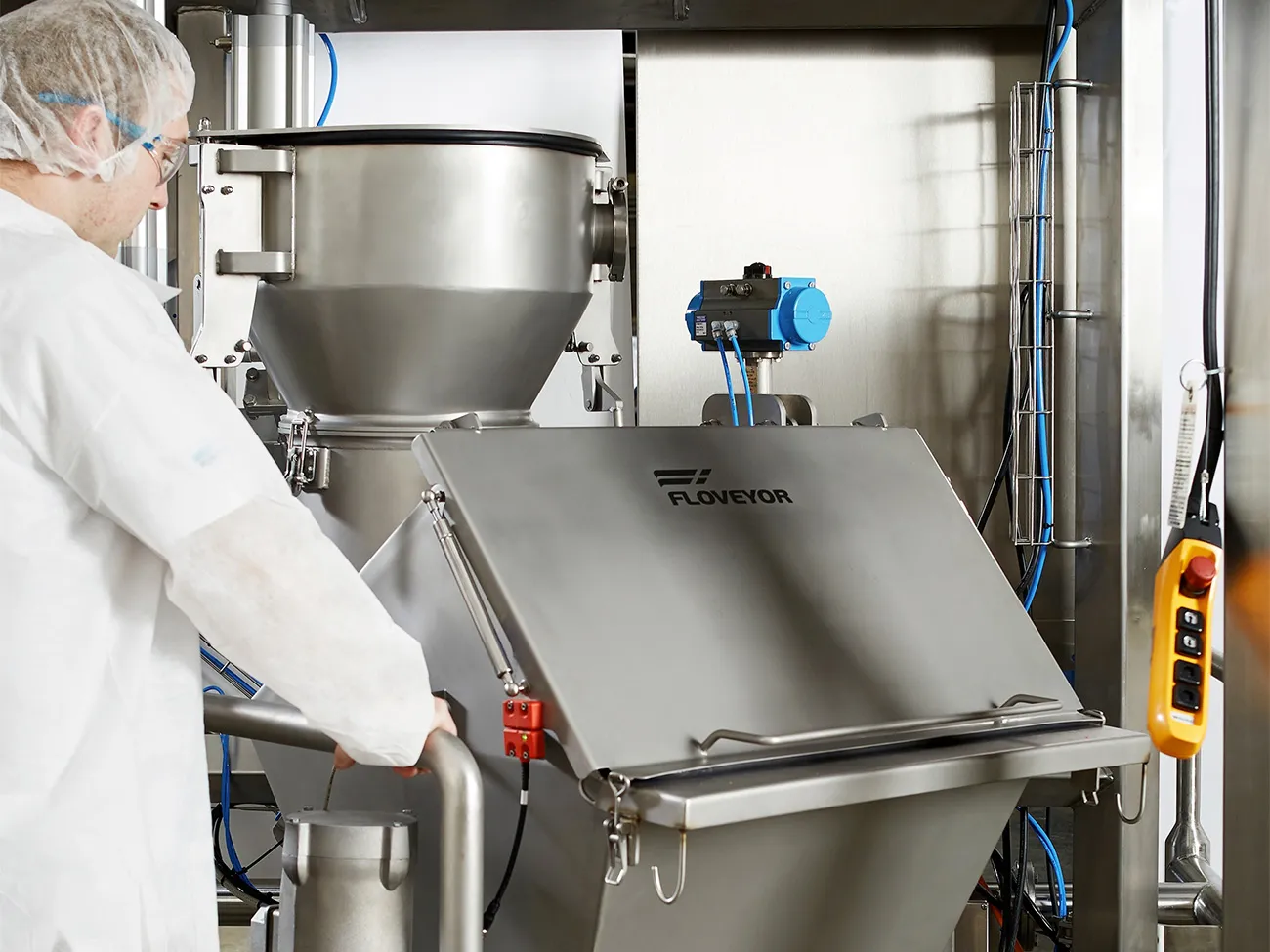
There are countless ways to move bulk goods, semi-finished products and finished products from one place to another. With the introduction of an aeromechanical conveying system from Floveyor, Bascules Robbe is expanding the options even further. Why? Because in many cases, dry goods can certainly be transported even more safely, hygienically and efficiently.
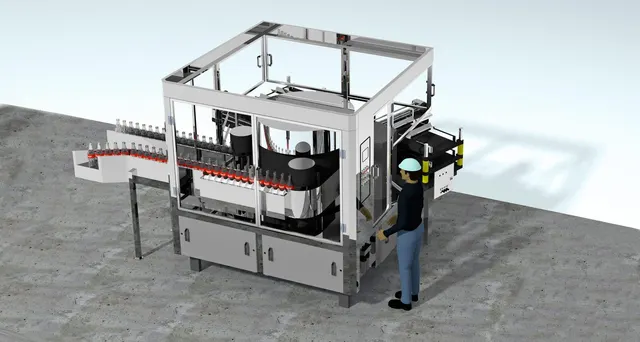
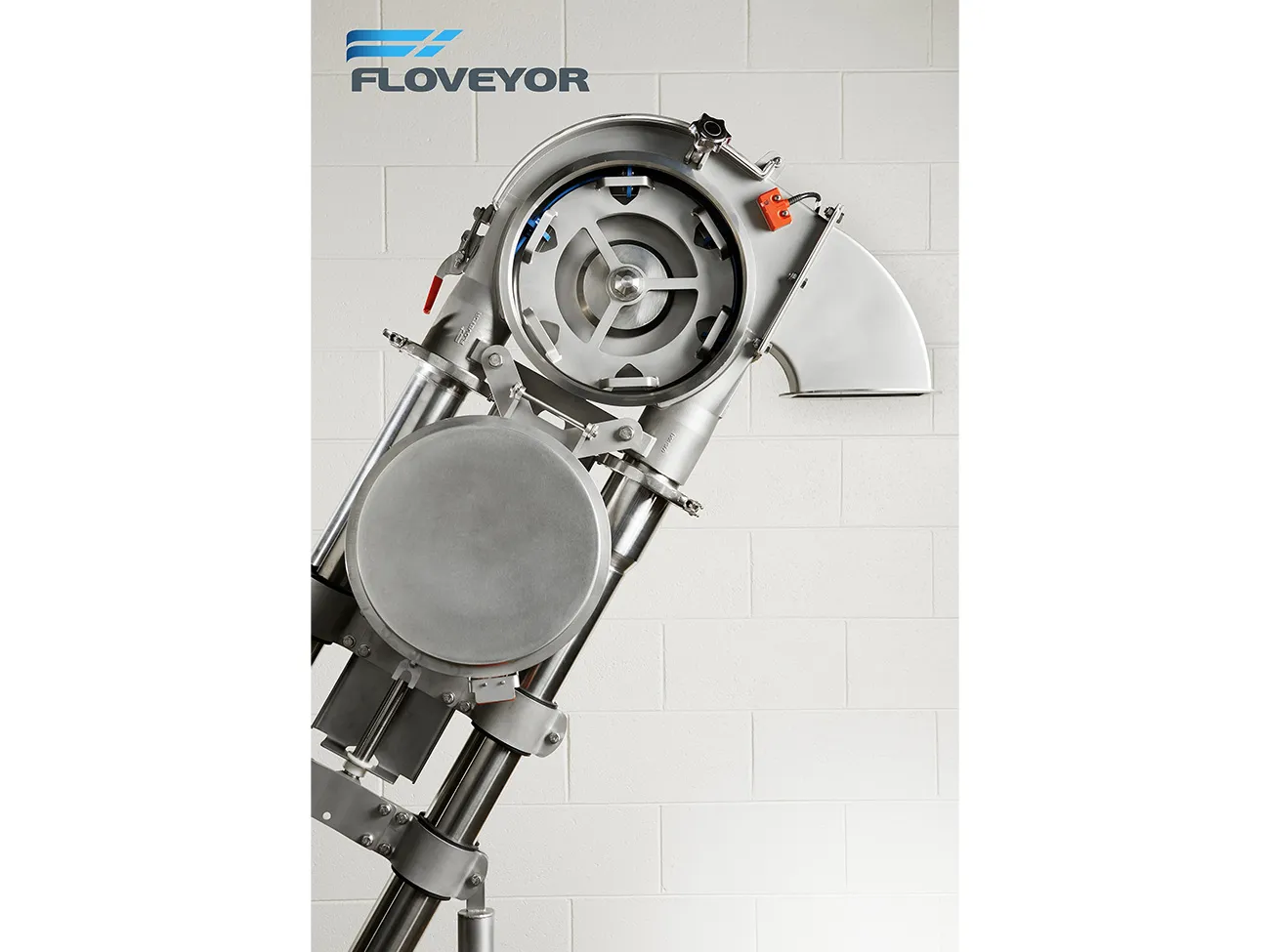
The Floveyor conveyor is an Australian-made product that uses aeromechanical conveying to transport dry powders, flakes, granules and seeds in a range of applications and sectors. Bascules Robbe has installed it in several systems over the past year and now considers it an essential component in many of the bag-filling stations, big bag unloading systems, tanker loaders, and mixing and dosing systems it develops. “In almost every situation where powders and dry substances need to be transported, especially when they need to be conveyed to a certain height, we see added value and potential. Floveyor systems can be integrated into countless process configurations.”
Efficiency
Efficiency is an important driver in every manufacturing process. “Don’t be fooled by these units’ small footprint, mobile design and low power consumption,” Cédric Pollet warns. “It is precisely their high efficiency that allows them to be so compact. Depending on the model, Floveyor offers three options for dust-free, contamination-free conveying in the food sector, with throughputs ranging from 30 to as much as 54 tonnes per hour, even at steep angles. This means you can significantly reduce the plant’s footprint without compromising performance.”
Product integrity
Performance, however, is not just about quantity and throughput. Product quality also matters. “The aeromechanical system is very gentle on the products being conveyed. Floveyor’s patented FloDisc technology uses centrifugal force to make raw materials float and travel in a kind of air pocket inside a sealed tube.” This technology provides a fast and safe way to transfer substances for food and beverage applications. “Grains and flakes are not crushed, the homogeneity of a blend is maintained, and even a difficult, sticky product such as maltodextrin retains its integrity during transport. We tested it ourselves in our workshop.”
Hygiene
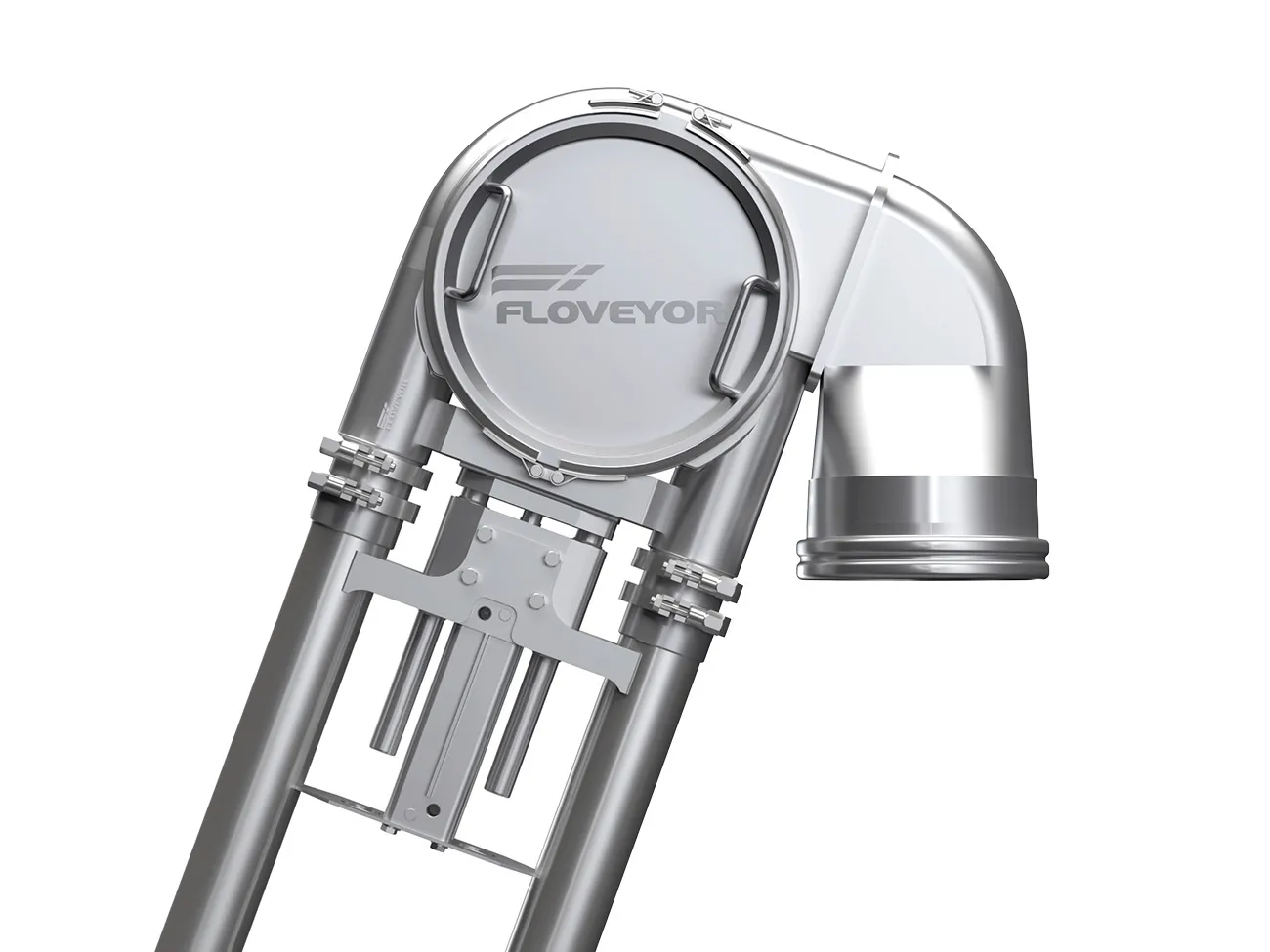
Pollet also points out that no product remains in the machine and that its simple cleaning principle allows products to be changed quickly. “During tests with maltodextrin, we simply cleaned the machine with compressed air for a few seconds at the end. None of the sticky granules remained.” The separation of the drive unit from the clean conveying tube is what makes Floveyor units hygienic and easy to clean. There are also three models to choose from. “Elementa is the basic model, suitable for dry cleaning and low-risk applications. With Nutria, the welds are finished to a higher standard, and wet cleaning is also possible. Pura is suitable for, among other things, cleaning in place (CIP) and steam cleaning, making it suitable for applications with a high risk of mould growth or bacterial contamination, such as conveying milk powder. Floveyor Pura is therefore one of the few conveyors included in EHEDG Guideline 36.”
Safety
As well as food safety, Pollet highlights the benefits for overall safety. This is not only because each model is also available in an ATEX version, but above all because day-to-day processes can be organised more safely. “How often do we see operators having to climb onto a platform with heavy bags and then pour the contents into a mixing vessel? Or big bags being lifted several metres in the air before being emptied into a tanker or dosing unit? These situations no longer arise with a Floveyor conveyor. All goods can be discharged into the conveying system’s hopper at an ergonomic height, after which the aeromechanical system moves them safely and efficiently to the required height.”
Question about this story? Ask your question
Keep following this
Get an email when a new story is published. No account needed.
- ThemeOptimising the supply chain
- SubjectSolutions