Safer, more efficient laser cladding
Texte & photos Valérie Couplez
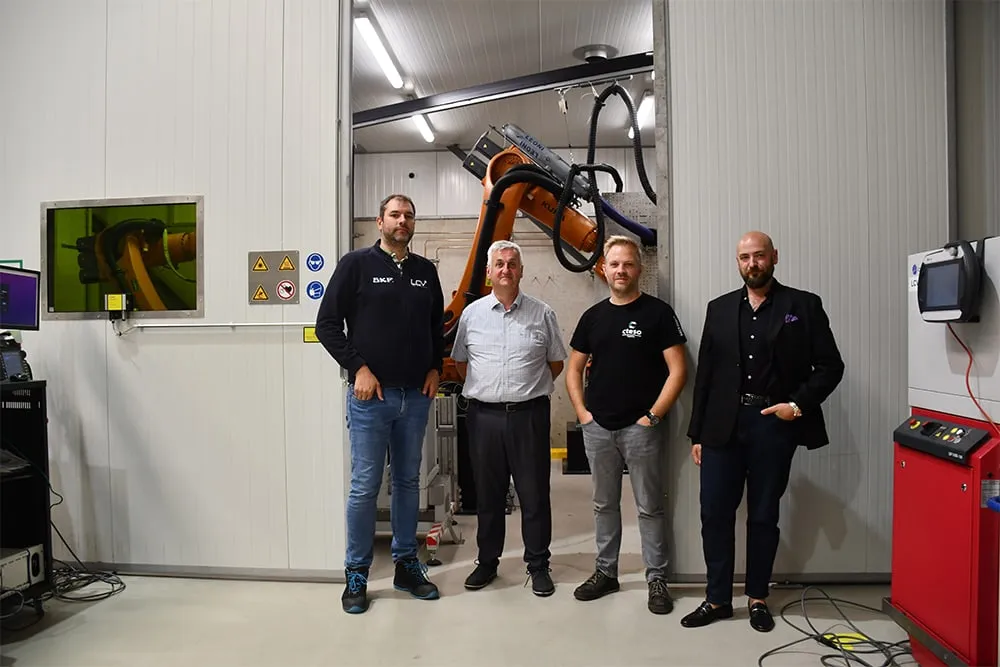
Lasers are versatile tools that can make a difference in industrial applications. However, the risks associated with lasers call for additional safety measures. To enhance safety when converting to serial production, Laser Cladding Venture (LCV) called on Schmersal’s tec.nicum machine safety service to bring the robotic cell’s safety up to the state of the art.
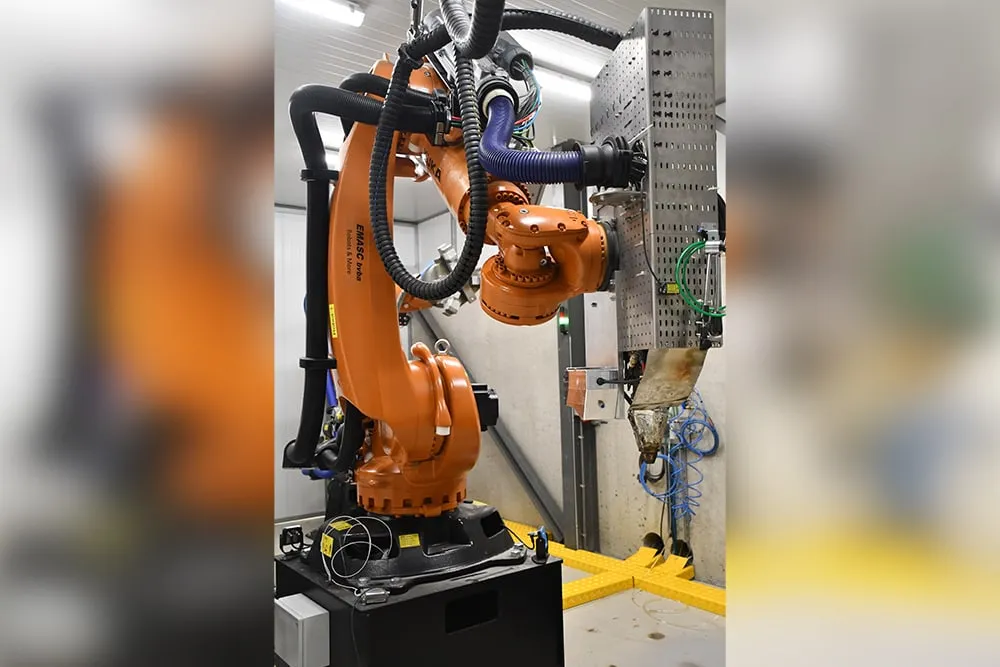
Laser cladding combines a laser beam and a powder stream to deposit material onto a part. This type of coating can extend the service life of mechanical parts or be used to 3D-print components. The technique offers many advantages over conventional welding processes and thermal spraying, including increased hardness and wear resistance, minimal dilution and limited distortion, but expertise is needed to control the process. “LCV was founded in 2015 as a spin-off from VITO,” explains Stijn Clijsters, Process Technology Development Manager. “In the early years, we focused on optimising the technology for repair work and prototype development. Since being acquired in 2022 by SKF, a global leader in bearing technology, we have focused on serial production of rotating components.”
Safety upgrade
This had an impact on the machine. It consists of two robots, one for handling and the other for laser welding, and operates with a 5W diode laser source. The move towards industrial production required a safety upgrade. “As engineers involved in the process, we knew how to work safely, but production operators cannot be expected to know that.
SKF also applies the strictest safety standards.” As Schmersal is the preferred supplier to the Swedish bearing manufacturer, Stijn Clijsters and LCV knew who to turn to. Through its tec.nicum department, which provides comprehensive machine safety services, Schmersal got to work and proposed a complete solution in collaboration with partner CTESO, responsible for engineering and integration. The starting point was to take stock of existing risks in the robotic cell and assess them, then review them against the applicable directives (Machinery Directive, EMC), standards (laser products, robots) and SKF’s safety standards.
Schmersal for the concept, CTESO for engineering and integration
“We approach every project from the customer’s point of view,” say Wim Van den Hove, safety consultant, and Johan Van den Broeck, account manager at Schmersal. “What does the machine need in terms of safety? How can this be achieved cost-effectively and in a way that works for operators? We then assist the customer with the assessment and validation: is the machine as safe as we planned?” Schmersal developed the concept, while CTESO handled the detailed engineering and integration. Founded in 2017, this machine builder works on both custom-built machines and machine upgrades for specific projects, as well as serial production machinery. “This combination allows us to grow with our customers while also building a great deal of flexibility into production. The formula works well,” says co-managing director Rob Creemers.
Secure interlocking
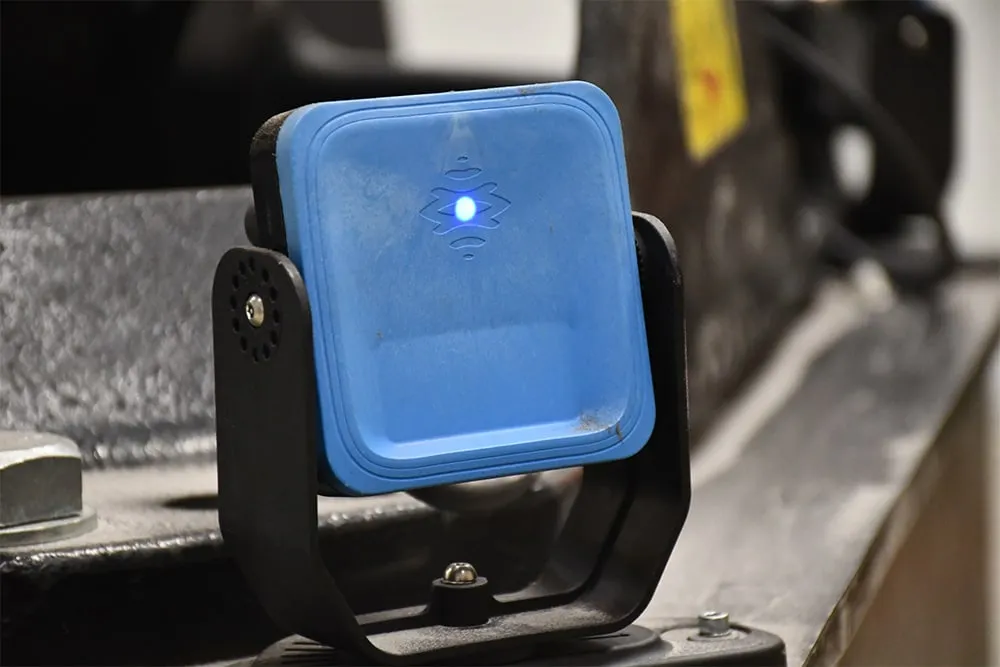
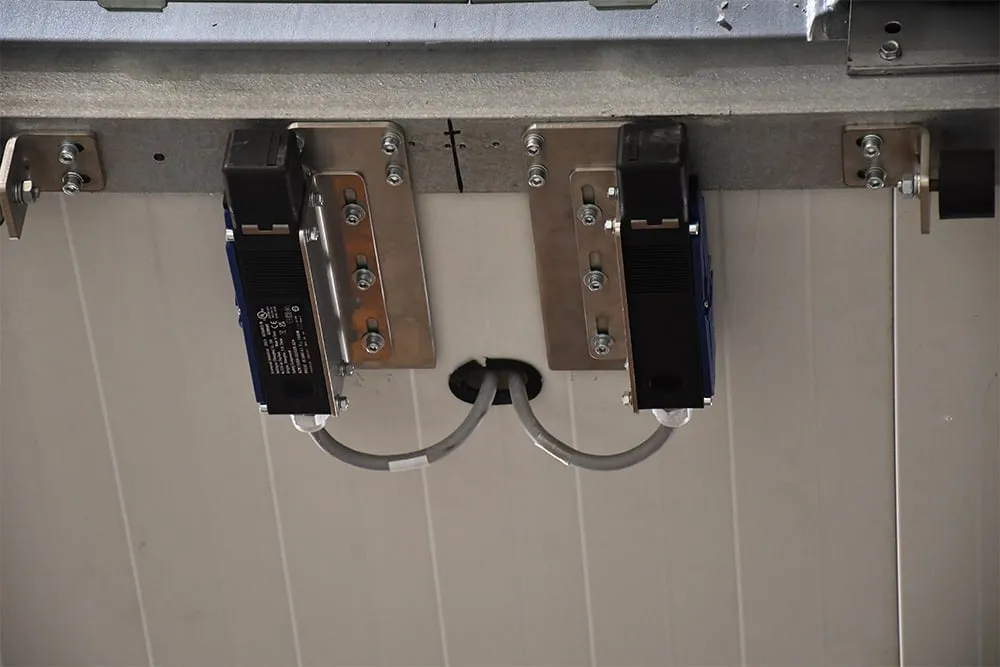
CTESO did not have to travel far for this machine, as LCV is just a stone’s throw away. This made it easier for the three parties to discuss the options and reach the best possible safety solution. The main concern was to ensure that no one could enter the cell while the machine was running. Rob Creemers: “Six safety laser scanners sweep the area for human presence. In addition, Schmersal’s AZM 150 02/02R-024 safety interlock prevents anyone from entering the cell while the system is running. Oxygen sensors are a third measure: as long as the oxygen level is too low, the doors will not open.” The rest of the safety upgrade is less visible, but the new safety controller in the cabinet shows that a great deal of programming work has been done.
Foolproof safety
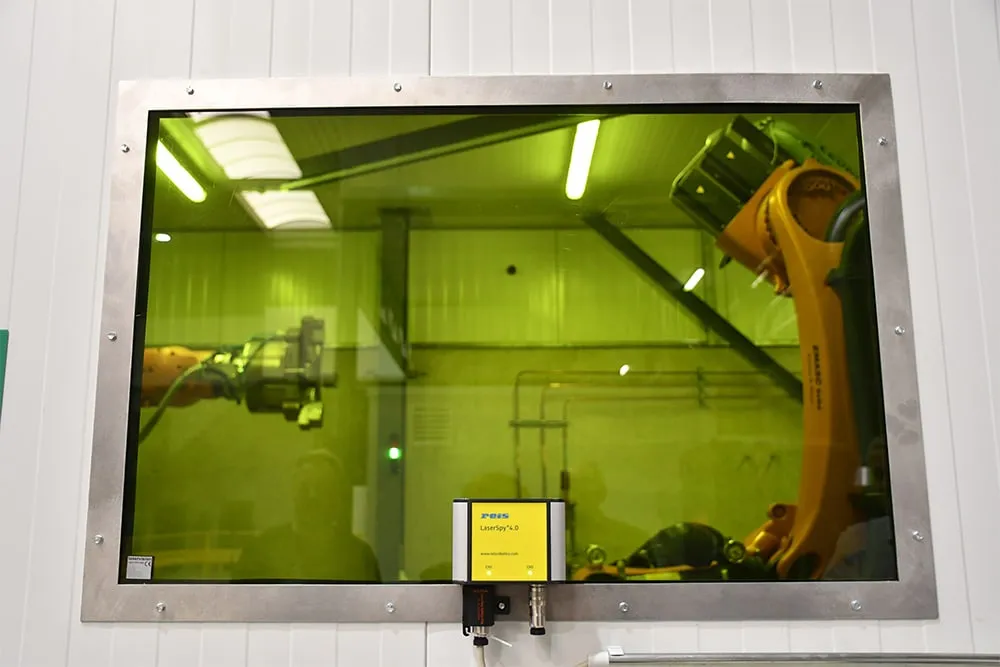
“Several manual operations and other elements have been automated, including integrating the extraction system into the control system to improve safety,” explains Stijn Clijsters. “There is no longer any need to be physically present in the cell. Monitoring takes place via a control panel or a safety screen with a laser-proof filter integrated into the cell wall.” Stijn Clijsters is pleased with the result. “Safety in and around the cell is optimal, and we can move to serial production with complete confidence. And we are just as efficient as before.”
Question about this story? Ask your question
Companies in this story
Keep following this
Get an email when a new story is published. No account needed.
- SubjectSolutions
- CompanySchmersal