Trends in packaging machinery
Packaging machinery is essential for food businesses. However, choosing the right equipment is not straightforward, as this is a highly dynamic market. Innovations are emerging at a rapid pace, and packaging machinery manufacturers now also have to anticipate vulnerabilities such as inflation, supply chain problems, trade disputes and geopolitical conflicts. Here is an overview of the main trends shaping the development of packaging machinery.
Needless to say, packaging machinery must become more sustainable. Manufacturers need to reduce the carbon footprint of their technology, while also learning to work with more sustainable packaging materials. Demand is growing for ‘green’ packaging that is less polluting and easier to recycle. For food businesses, switching to new packaging materials is often costly and requires new machinery. It is not simply a matter of flicking a switch. Usually, the entire packaging process needs to be rethought to identify where waste can be reduced. Building in sufficient flexibility to maximise efficiency is therefore the guiding principle, as the transition to greater sustainability is well under way.
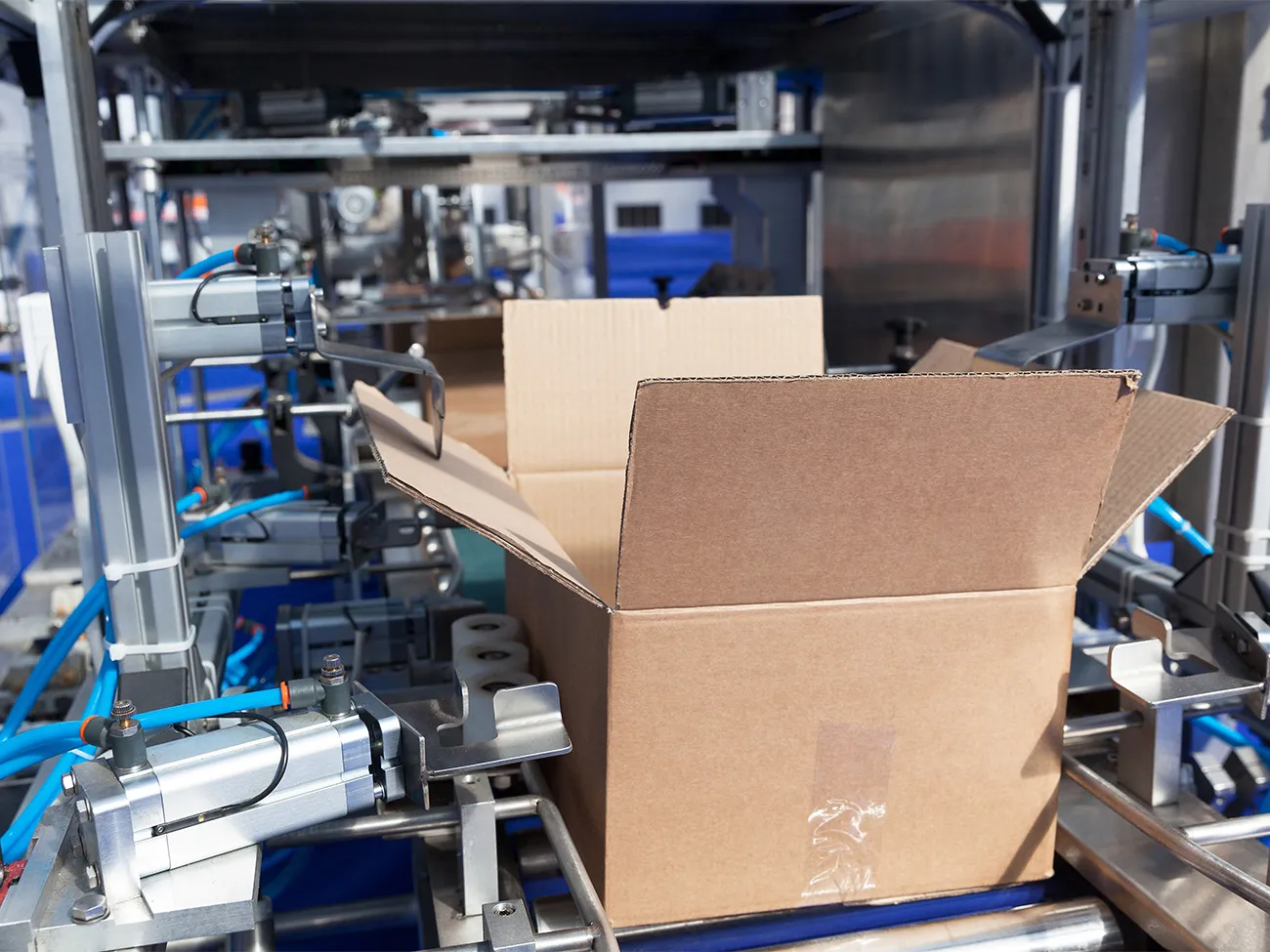
Towards more personalised packaging machinery and packaging
Packaging machinery manufacturers are also being called on to innovate. The next generation of machines must be future-proof. This means investing in artificial intelligence, advanced software and other cutting-edge technologies. At the same time, the pace of innovation is set to accelerate in the coming years. The more advanced technologies such as sensors and software are integrated, the more new technology suppliers will enter the market. A significant share of investment in innovation will need to go towards greater personalisation.
Any company that helps its customers produce new packaging tailored to specific target groups has a powerful way to stand out from the competition.
Supply chain problems
This, too, is impossible to avoid today. In the wake of the coronavirus pandemic and the war in Ukraine, the wheels of conventional supply chains have seized up. The more complex the packaging systems, the more end users will face delivery problems caused by component shortages, higher prices for certain products and delays at international ports. These factors influence how food businesses view strategic investments in packaging machinery, even though packaging remains essential to ensuring food reaches consumers safely.
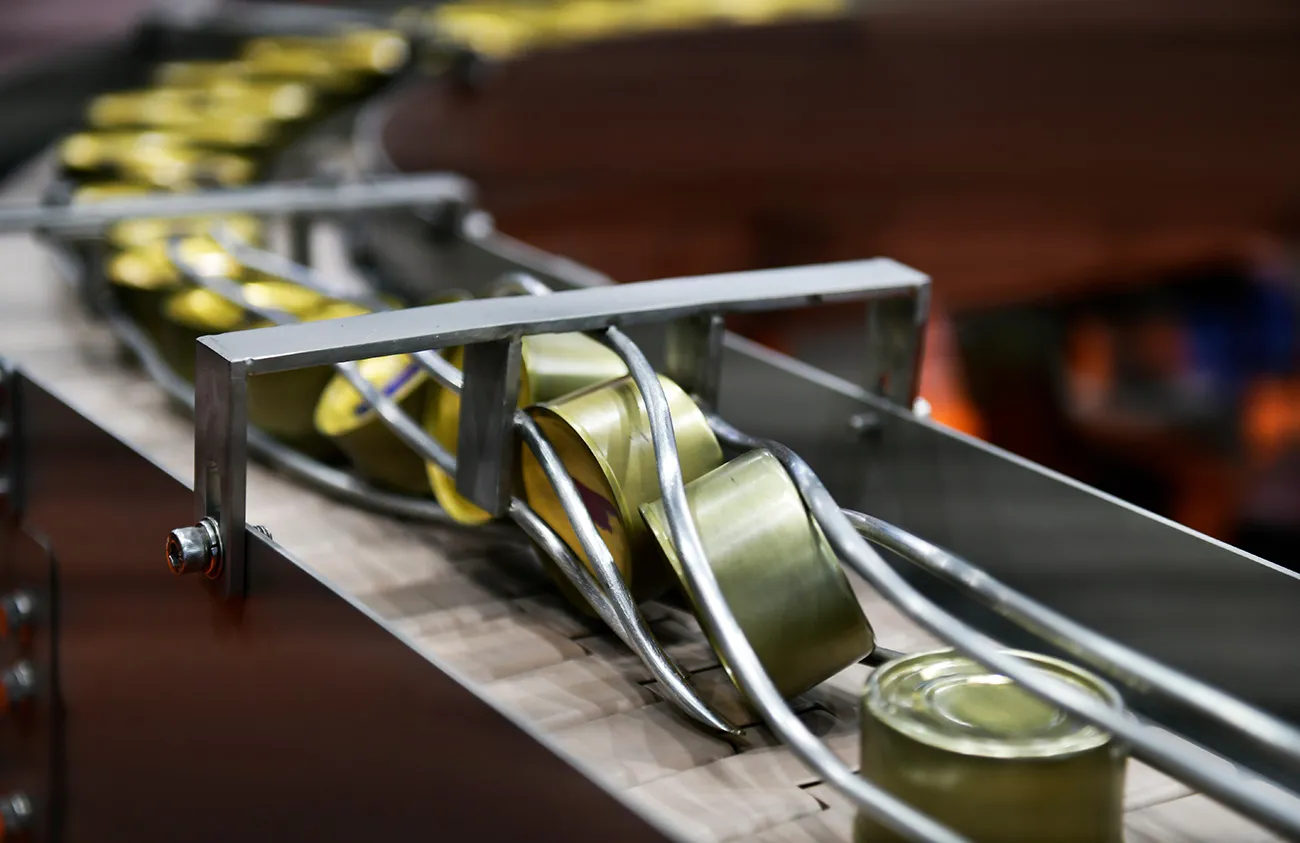
A more automated packaging process
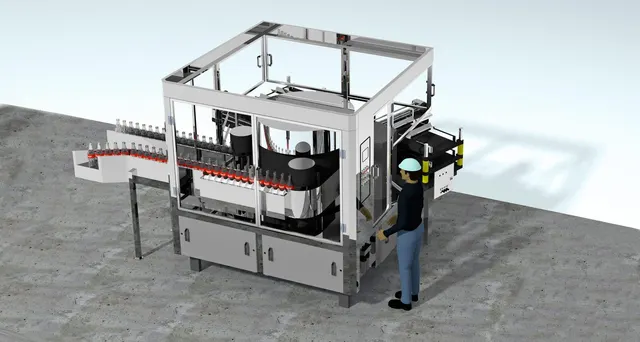
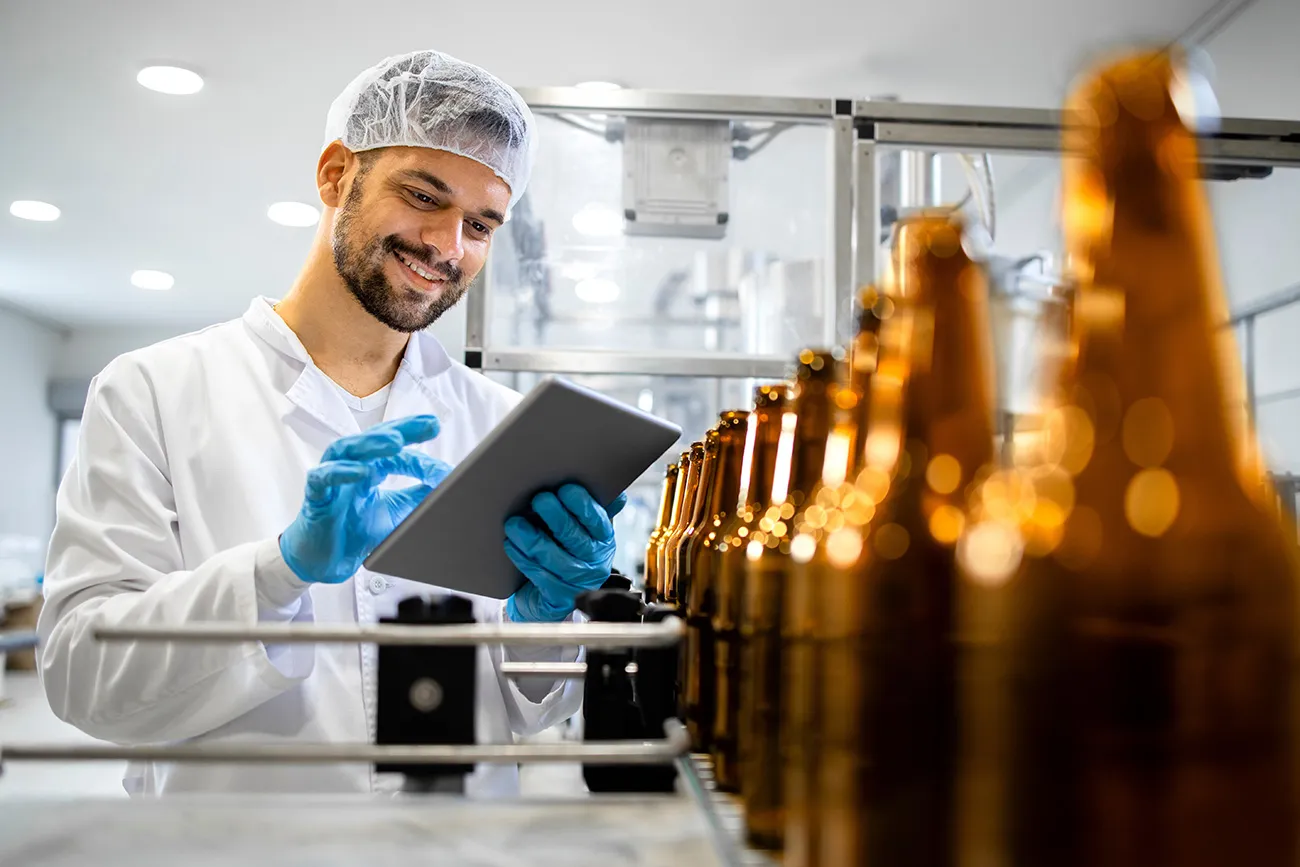
A second consequence of the coronavirus pandemic is that businesses are turning increasingly to automation. Finding the right talent for production is becoming more and more difficult, and many businesses around the world are facing this challenge. Labour shortages, high wage costs and the need to guarantee a safe working environment during a pandemic are putting pressure on businesses. Automation in the packaging department will accelerate over the coming years. The technology is available, and businesses can see how their competitors are implementing it. Older machines that no longer meet current requirements will be replaced more quickly with automated alternatives.
Question about this story? Ask your question
Keep following this
Get an email when a new story is published. No account needed.
- ThemePackaging and tracing products
- SubjectSolutions