Mandatory sustainability reporting is coming soon
Texte Valérie Couplez | Photos KTBA
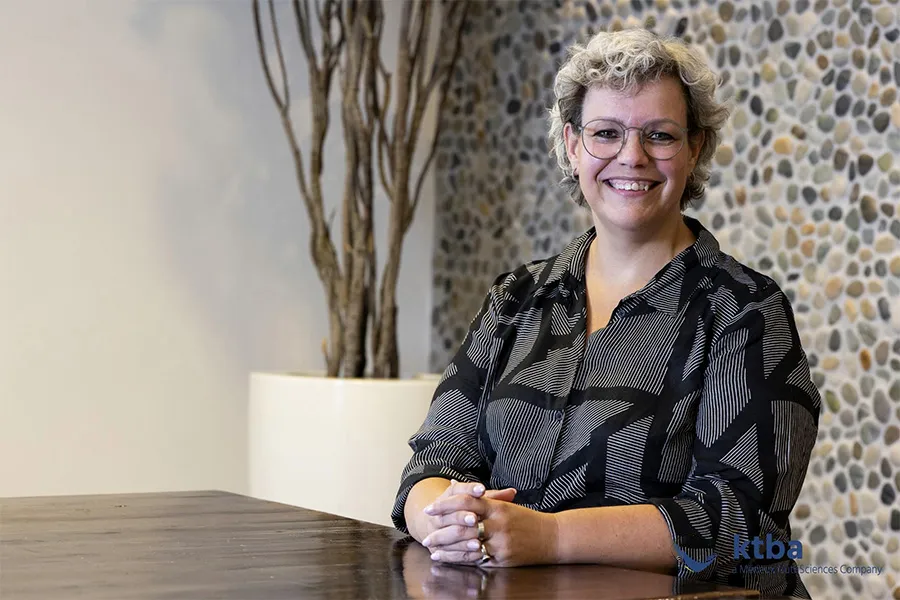
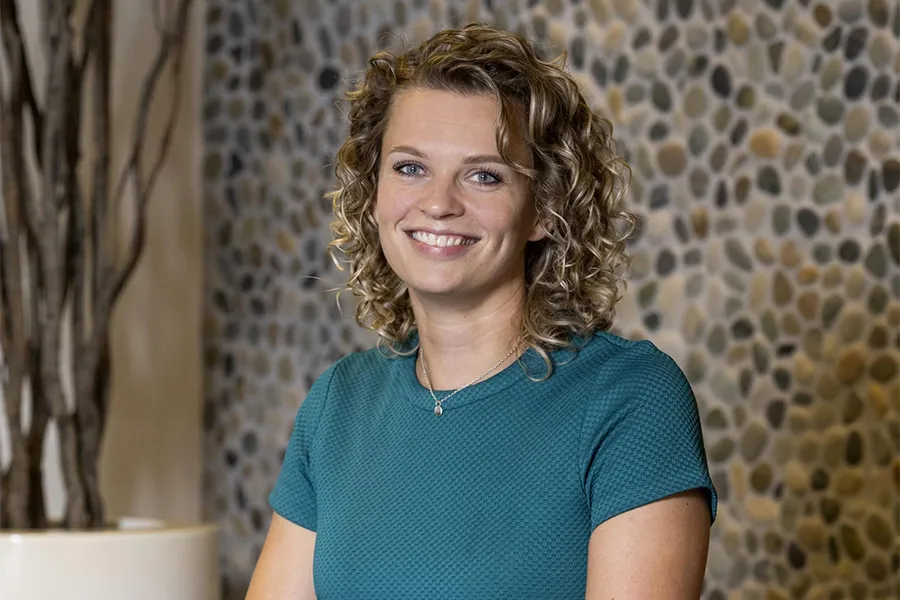
In January, the European Union adopted the Corporate Sustainability Reporting Directive (CSRD). Its name neatly sums up what the directive is about. It is a comprehensive set of rules requiring companies, first large ones and then smaller ones, to become (more) transparent about their sustainability efforts. And the legislation is fast approaching. KTBA is therefore expanding its services, too. “Quality assurance and sustainability will be closely linked for food companies,” predict Jori Broens and Kelly Kohlen. They are working with their clients to explore how to put this legislation into practice within their businesses.
The CSRD requires companies to publish annual sustainability reports from 2025. Initially, this obligation will apply to all listed companies that also meet two of the following three criteria: more than 250 employees, more than €40 million in turnover, and more than €20 million on the balance sheet. The starting point is transparency: companies must report on their sustainability efforts in a consistent way. “The legislation may only be in its early stages today, as the specific standards, setting out exactly what such a report must contain, were published this summer. But time is running out for those who want to comply. You need data to support the report in sufficient depth, and it is better to start collecting that data today rather than tomorrow. SMEs should do so as well, as they will soon be drawn into the process,” warns Kelly Kohlen.
Developing in-house services
For KTBA, too, the CSRD legislation is a signal to step up a gear. Jori Broens says: “Our slogan, ‘BETTER FOOD, BETTER HEALTH, BETTER WORLD’, shows how important sustainability is to us. The acquisitions of Blonk in the Netherlands, which focuses on life cycle assessments, and Sher Consulting in Israel, which focuses on implementing ISO standards, certainly fit into this picture. Over the past year, we have worked in various groups to share the knowledge and experience already available within our company. We always start with one central question: what do clients really need? And how can we, as KTBA, best help them?” It emerged that clients were particularly concerned with the following questions: “How can we develop a sustainable management strategy? How can we develop a sustainability management strategy and put it into practice?
More than just a carbon footprint
“This also shows that quality and sustainability will become closely linked,” says Kelly Kohlen. “They require the same mindset and structure, but it will be difficult for a quality manager to handle both. They face a lot, in terms of both volume and complexity. This is where we see great added value as external consultants. That is why we have also strengthened our expertise in recent years. In many food companies, you can sense a genuine desire to do better. But where do you start? The legislation goes far beyond simply calculating a carbon footprint. It also covers diversity, respect for workers’ rights and human rights, the energy performance of buildings, anti-money laundering practices… It’s a lot to take on!”
A process of continuous improvement
That is why KTBA works with its clients to identify priorities first. “You can’t do everything at once, and you don’t have to,” explains Jori Broens. “You need to make choices and set concrete targets that are sufficiently ambitious, while freeing up the people and resources needed to achieve them. The next step is to assess your efforts and support them with concrete data. And, as with quality, the idea is to repeat this process and create a continuous cycle of improvement.” To obtain this data, food companies will need to look beyond their own walls. They must request data throughout the supply chain, both upstream and downstream. “This is no easy task. Setting up these systems takes time, which is why we advise our clients to get started as soon as possible. KTBA has already launched several pilot projects showing how this can be done,” conclude Jori Broens and Kelly Kohlen. ■
Een zakelijke vraag aan Mérieux NutriSciences | ktba? Get in touch
Companies in this story

Keep following this
Get an email when a new story is published. No account needed.
- ThemeManaging food safety risks
- SubjectSustainability
- CompanyMérieux NutriSciences | ktba