Sustainability, the new standard in the food industry
Texte & photos Mérieux NutriSciences | ktba

Sustainability is now firmly established in the food industry, driven by its three essential pillars: Environmental, Social and Governance (ESG). These form the basis for managing and improving businesses’ environmental and social impact.
The environmental pillar focuses on the impact of business activities, such as CO2 emissions and waste management. Social aspects relate to working conditions and support for the community, while Governance centres on ethical conduct and transparency in business operations. These three pillars are at the heart of sustainability considerations in the food sector.
The importance of integrating sustainability
Consumers, particularly younger people, are increasingly making choices based on sustainability. In addition, with the introduction of the CSRD, food producers are legally required to integrate sustainability into their operations. An effective approach starts with setting up a sustainability project team. This team analyses current processes, identifies areas for improvement and implements sustainable solutions. Taking a proactive approach to sustainability not only helps meet customer expectations and comply with legislation, but also strengthens a company’s reputation and creates new opportunities.
New regulations
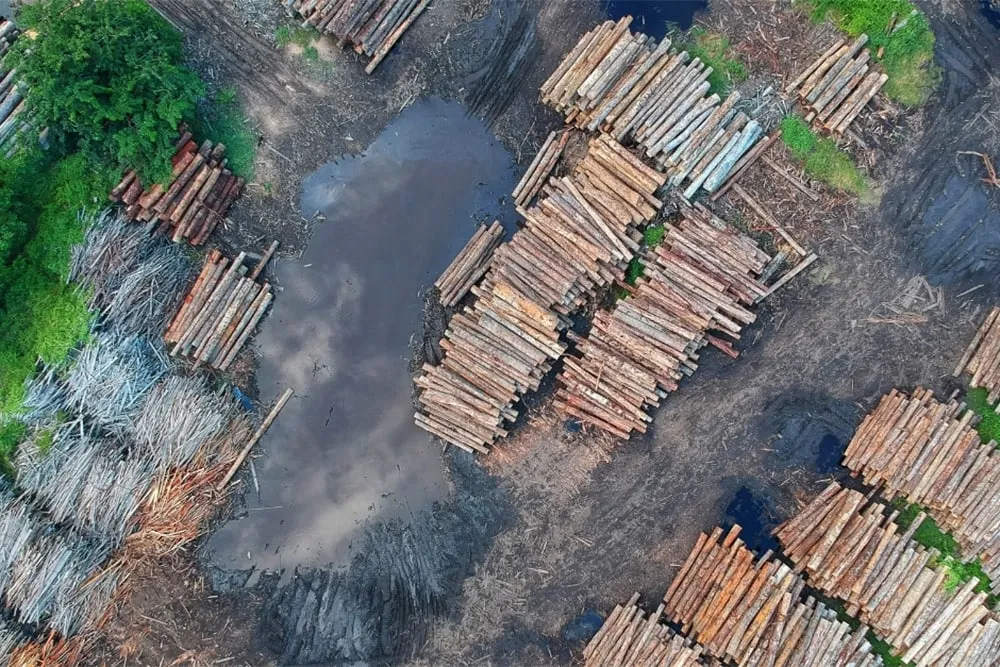
There is a great deal happening in the world of sustainability, and Mérieux NutriSciences | ktba keeps up to date with it. For example, in addition to the CSRD, the European Union introduced the Regulation on Deforestation-free Products (EUDR) in May 2023. This law is a crucial step in the fight against deforestation and forest degradation, which contribute significantly to climate change and biodiversity loss. The EUDR requires companies to demonstrate that their supply chains have been free from deforestation since 31 December 2020. It covers products such as beef, palm oil, soya, cocoa and wood, as well as derived products such as leather and furniture. From 30 December 2024, large companies will have to comply with the EUDR rules, while micro-enterprises and SMEs will have to comply from June 2025, with the exception of businesses in the wood sector. Non-compliance can result in heavy fines and damage to a company’s reputation, but growing demand for sustainable products also gives businesses the opportunity to increase their market share by highlighting their sustainability initiatives.
Scope 1, 2 and 3: the role of retailers
Retailers play a crucial role in reducing the environmental impact of their products. They require their suppliers to report emissions across scopes 1, 2 and 3:
Scope 1: direct emissions from their own sources, such as production processes.
Scope 2: indirect emissions from purchased energy, such as electricity.
Scope 3 : other indirect emissions, such as transport and consumer use.
Retailers want more than just figures: they also want to understand how the data is calculated and verified, and to see suppliers set reduction targets. Platforms such as ImpactBuying, CDP and Ecovadis help suppliers make their emissions transparent and meet retailers’ requirements.
The importance of Ecovadis medals
More and more companies are using Ecovadis to measure their sustainability performance. Ecovadis assesses companies across four themes: the environment, labour and human rights, ethics, and sustainable procurement. The platform provides not only an assessment system, but also an ongoing monitoring and reporting process based on standards such as GRI and ISO 26000. The Ecovadis medal is not a certification, but recognition of progress in sustainability. Medals and badges can be shared with stakeholders to demonstrate a company’s commitment to sustainability.
Stay informed
Sustainability in the food industry is a broad and fast-moving field. The topics listed above are just some of the developments that businesses need to consider. Mérieux NutriSciences | ktba continues to keep you informed about the latest developments and insights. Follow our weekly blogs on LinkedIn or visit our website for the latest updates and in-depth articles on sustainability, or to contact our sustainability team.
Een zakelijke vraag aan Mérieux NutriSciences | ktba? Get in touch
Companies in this story
Keep following this
Get an email when a new story is published. No account needed.
- ThemeReducing the environmental footprint of factories
- SubjectSustainability
- CompanyMérieux NutriSciences | ktba