What does the future hold for plastic packaging?
Texte Valérie Couplez | Photos iStock
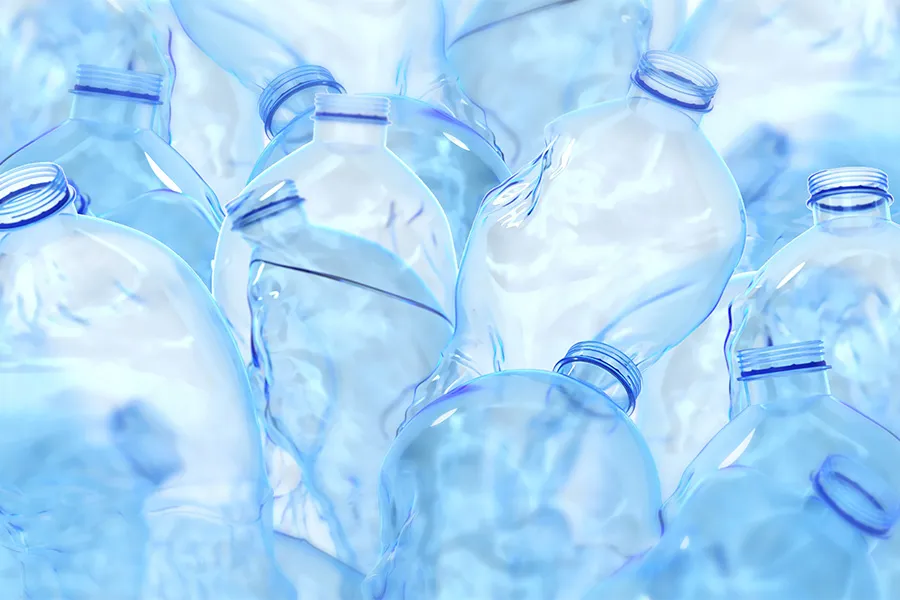
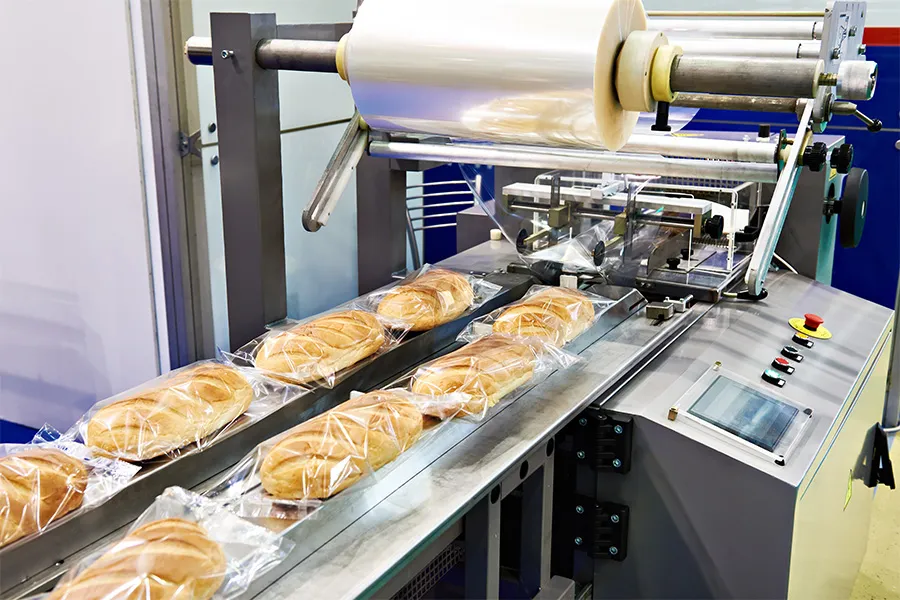
Plastic is an essential packaging material for the food industry. Compared with other materials, it is lightweight, flexible and inexpensive. It also has a positive impact on food safety and shelf life, while simplifying logistics processes and the use of food products. But, and it is a big but, plastic is also often blamed for causing environmental problems. Many companies are therefore working to reduce packaging and improve its quality. It is a complex puzzle that requires shared responsibility: food companies must make sustainable choices, consumers must do their bit and governments must establish a clear framework.
Despite the negative image plastic has acquired in recent years, its use continues to grow. Globally, production increases by an average of 4 % a year. The food industry accounts for 8 million tonnes of plastic in Europe, mainly for packaging. A reversal of this trend is not expected for now, as the population continues to grow, including in Europe. In addition, per capita plastic use is increasing. This is due to consumer behaviour and the growing consumption of convenience products. Plastic also often proves to be a good alternative to other packaging materials because of its physical properties. In some cases, it is also a more sustainable alternative. However, things are not simply black and white: some types of plastic are “good”, while cardboard can be “bad”. The more food companies and consumers know about packaging materials, the better.
A holistic approach
Yet more and more consumers are becoming aware of the negative aspects of plastic. One in three Europeans considers it one of the biggest environmental problems we face. However, reducing and improving plastic packaging requires a holistic approach. Different departments will need to pool their knowledge and experience to develop a strategy and set measurable targets in advance. External partners should also be involved in this process. They can provide expertise on recycling systems and the plastic supply chain. It will often be necessary to determine the best choice of packaging material on a case-by-case, product-by-product basis, taking environmental and regulatory considerations into account.
Lighter packaging
Lightweighting packaging is a top priority. Most European food producers are already working on this. Why? Because it can be implemented relatively easily in existing processes and brings a direct financial incentive. Manufacturers can use thinner plastic or consider other technologies. Plastic caps could be replaced with films. Holes could be made in the packaging. Or products could be grouped together instead of being packaged individually. All of this benefits both the bottom line and the environment. Plastic and transport costs will fall. Companies will also pay less to place packaging materials on the market. However, care must be taken to ensure that lightweighting does not compromise quality. The packaging must provide equivalent protection to prevent food waste. That would only increase the pressure on the environment.
Using recycled plastic
Recycled plastic is another obvious option. Plastic is made from fossil fuels. If there is no need to extract new materials, the environment benefits. But under current regulations, this is a difficult issue. Although the food industry is one of the largest users of plastic packaging, it is rarely permitted to use recycled plastic.
For recycled plastic to be used again in food packaging, it must be possible to prove that 95 % of the material it is made from has been used as food packaging. At present, this is only possible with PET. For other plastics, this remains a barrier, although more and more initiatives are emerging. The second obstacle is price. Depending on oil prices, and therefore the price of virgin plastic, companies may or may not choose recycled materials. This makes it difficult for the recycling sector to establish a viable business model that ensures continuity in both the supply of raw materials and the sale of recycled materials.
Improving recyclability
A third option is to look at the recyclability of the packaging materials you use. Plastic is not just one material: it is a collective term for a huge range of materials in all kinds of shapes and colours. This variety is also necessary, as specific products often require specific packaging with, for example, the right barrier properties or strength. It is up to the recycling industry to turn this broad range of plastic waste into homogeneous streams. The challenge becomes particularly complex when packaging materials combine different plastics or also incorporate other materials such as paper and cardboard. The quality of the recycled product then declines. When developing new products, it is therefore important to consider packaging recyclability from the outset.
Invest in recycling systems
But what is the point of packaging that is perfectly recyclable if it is not treated properly? Europe therefore aims to quadruple its plastic packaging recycling capacity by 2030 compared with 2015. This means 500 new treatment facilities. Existing mechanical recycling processes must also continue to improve, and chemical recycling will also emerge. However, the quality of recycled material must be paramount in all these investments if it is to compete with virgin plastic. The food industry is already contributing to this in many European countries. It pays a levy based on the quantity of packaging materials it places on the market. This levy can cover some of the costs of collecting, sorting and recycling plastic. The task now is to bring all European countries up to the same standard.
Question about this story? Ask your question
Keep following this
Get an email when a new story is published. No account needed.
- ThemePackaging and tracing products
- SubjectSustainability