Digital communication strategy for your instrumentation
Texte Valérie Couplez | Photos Endress+Hauser
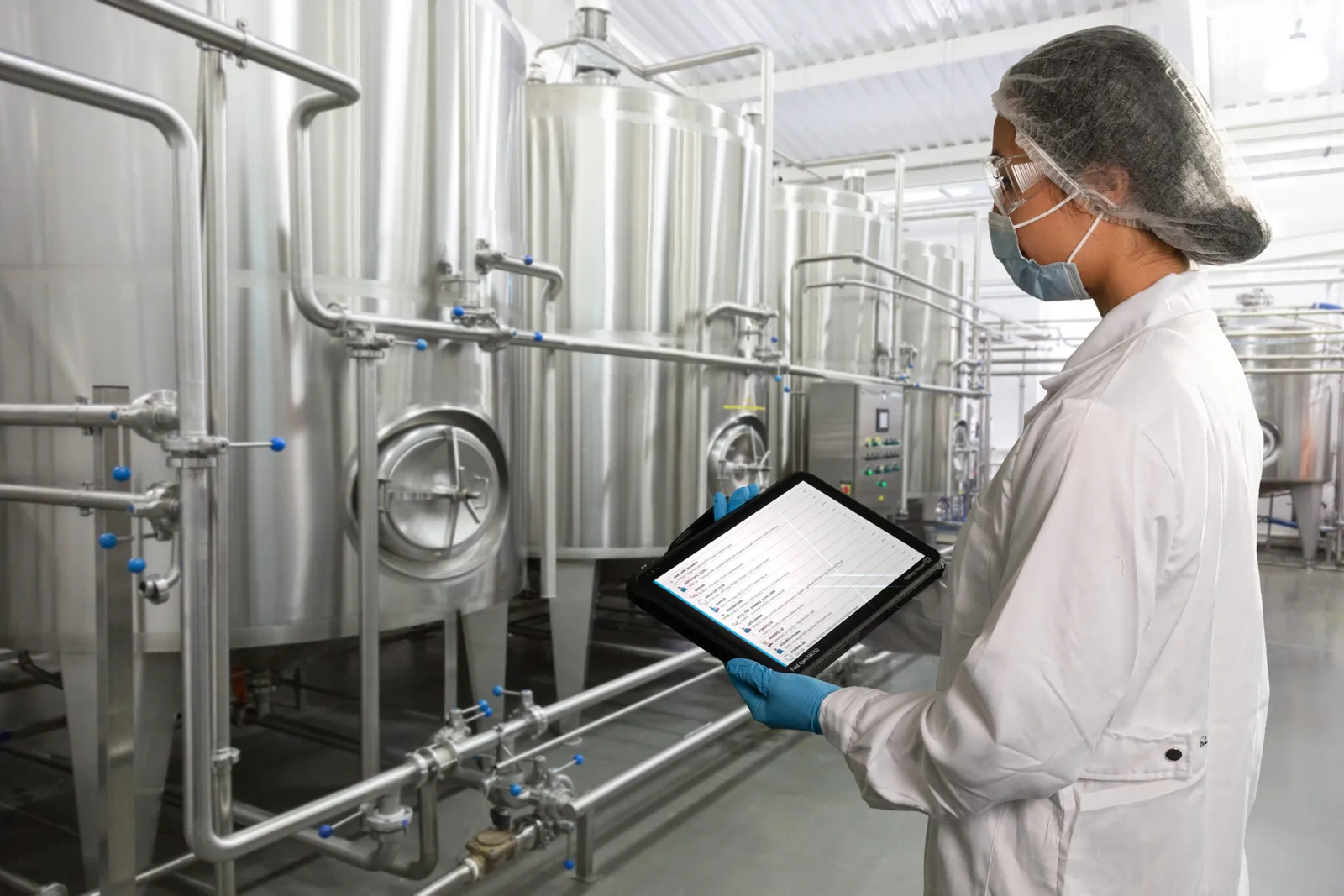
Instruments are essential components of production automation. They capture data from the process and turn it into actionable information on temperature, pressure, levels, flow… Endress+Hauser has built a strong reputation in this field. Today, however, these instruments still function largely as data silos. You certainly use them to control your process, but not all the available data is being used, and it does not always reach higher-level systems, where it can generate genuinely useful insights. Digital communication protocols can bring about this major change, and Endress+Hauser instruments are fully equipped for it.
In the past, communication was simple. The only standard for transmitting signals in industry was the analogue 4 … 20 mA standard. It remains the dominant type of input in the food industry today. Much of its appeal lies in its robustness: a 4 … 20 mA circuit is resistant to electrical noise and interference, and can also cover long distances. But this technology has its limitations in applications where several sensor signals or process output signals need to be transmitted.
From information to knowledge and understanding
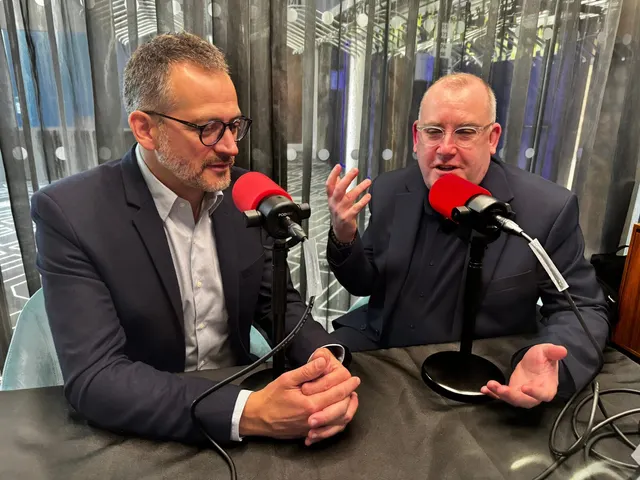
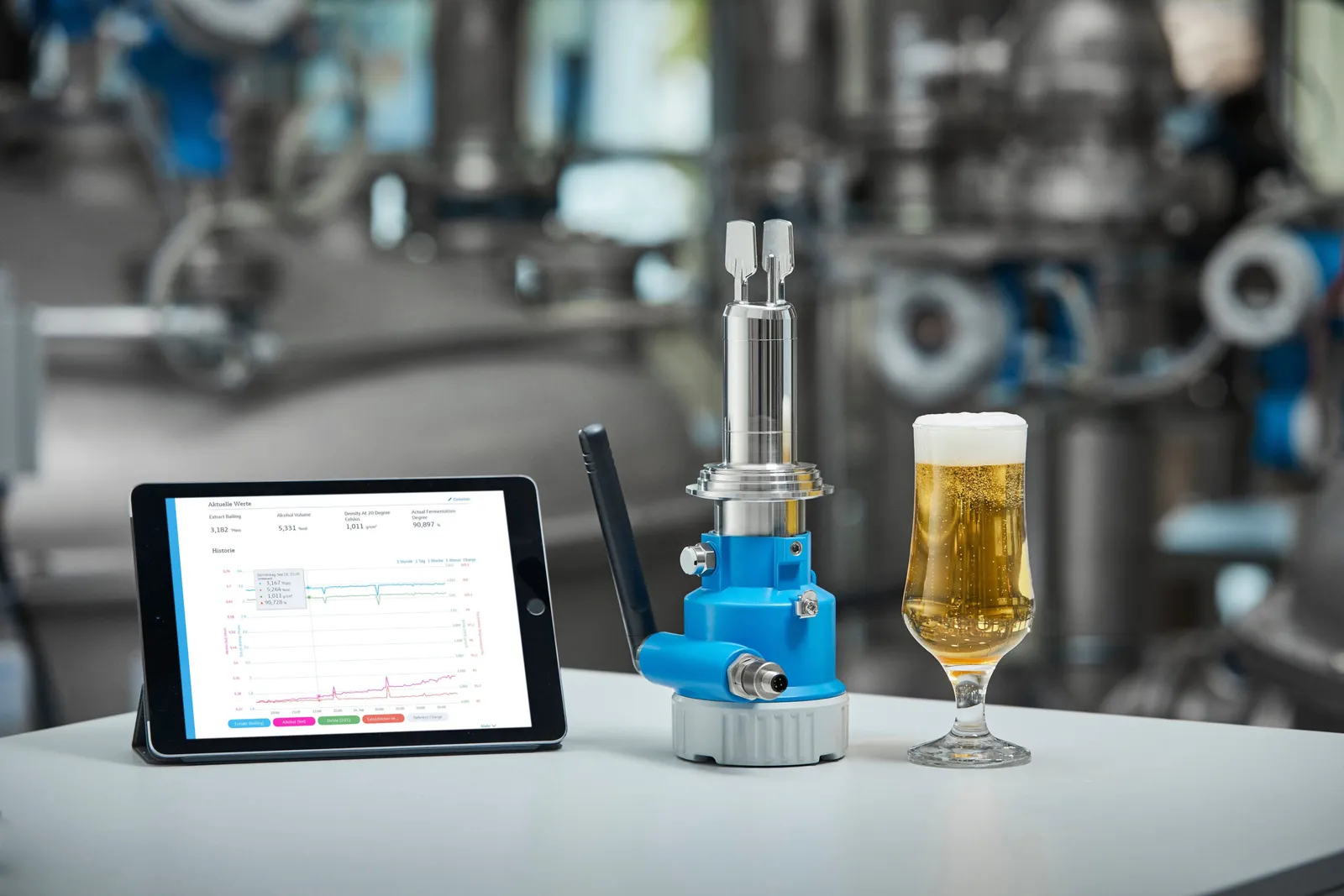
The emergence of bus technologies (Modbus, Profibus, Hart…) had already brought some relief in this respect in the 1990s. But with the latest communication technologies (Profinet, Ethernet APL, IO-Link…), users now enjoy many more benefits. “Sensors are the worker ants of industrial automation. They collect data in the field and turn it into information,” begins Peter Gijbels, Head of Solutions at Endress+Hauser. “If a flowmeter measures the volume passing through a pipe, for example, you can use that to calculate the quantity consumed. That is what we do today: convert sensor data into information. But anyone looking to take the next step in production needs understanding. They want to know what they need to do to improve productivity and efficiency. That requires seamlessly integrating this data into higher-level systems. A level measurement can then optimise stock management, or a temperature sensor can alert you when your production line is at risk of stopping.
More bits and bytes
And in this case, digital communication protocols are essential. “Because sensors have much more to say than analogue signals can communicate.
They can provide additional context. A pressure sensor, for example, often also measures temperature to compensate for variations that affect the measurement. Or sensors can provide further information about process conditions (corrosion, abrasion, foam formation) to help optimise the process and maintenance. But they can also transmit diagnostic information, so you can tell whether the sensor is still working properly,” adds Wouter Vandevyver, Industry Manager at Endress+Hauser. And Endress+Hauser goes a long way in this area. It does not simply display an error code or message when a sensor is out of range or needs maintenance. It also indicates the cause and suggests a solution. “With Heartbeat technology, our sensors even perform their own checks: they verify that they are still working as they should against an internal reference value. They are TÜV-certified and comply with ISO 9001 standards, helping to optimise calibration intervals.”
Always the right instrument
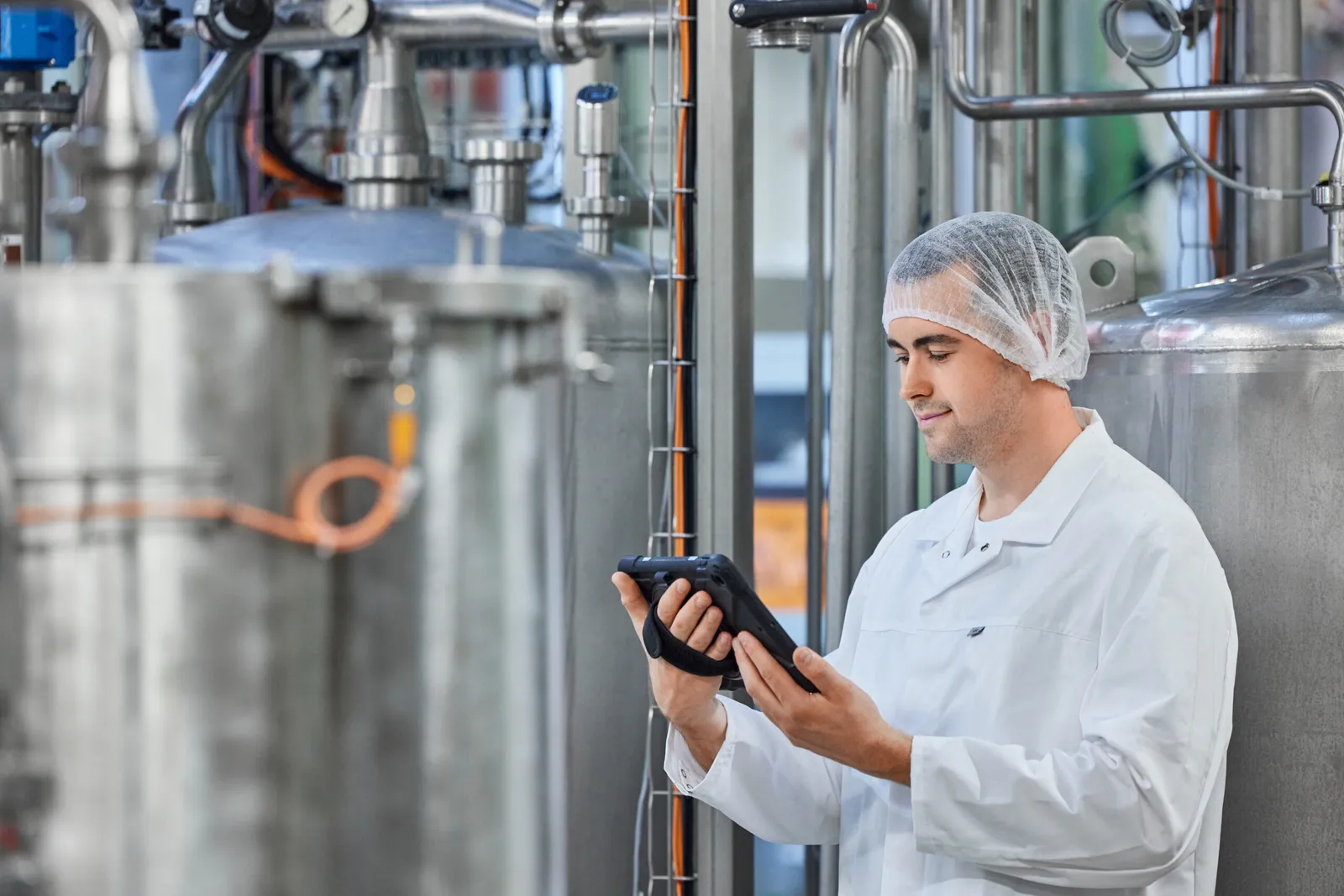
To make use of all this data, you of course need effective digital communication. Endress+Hauser has extensive experience in this field and helps its customers make the right strategic choices. “You could call us ‘communication-agnostic’: whatever communication method the customer chooses, we can always supply the right sensor. What’s more, our experience in instrumentation and digital communication protocols means we can help our customers put the missing pieces of the puzzle in place, moving from data silos to an integrated whole. We look at existing data sources, the customer’s information needs and how we can link everything together in the best possible way,” explains Peter Gijbels.
Making things as easy as possible
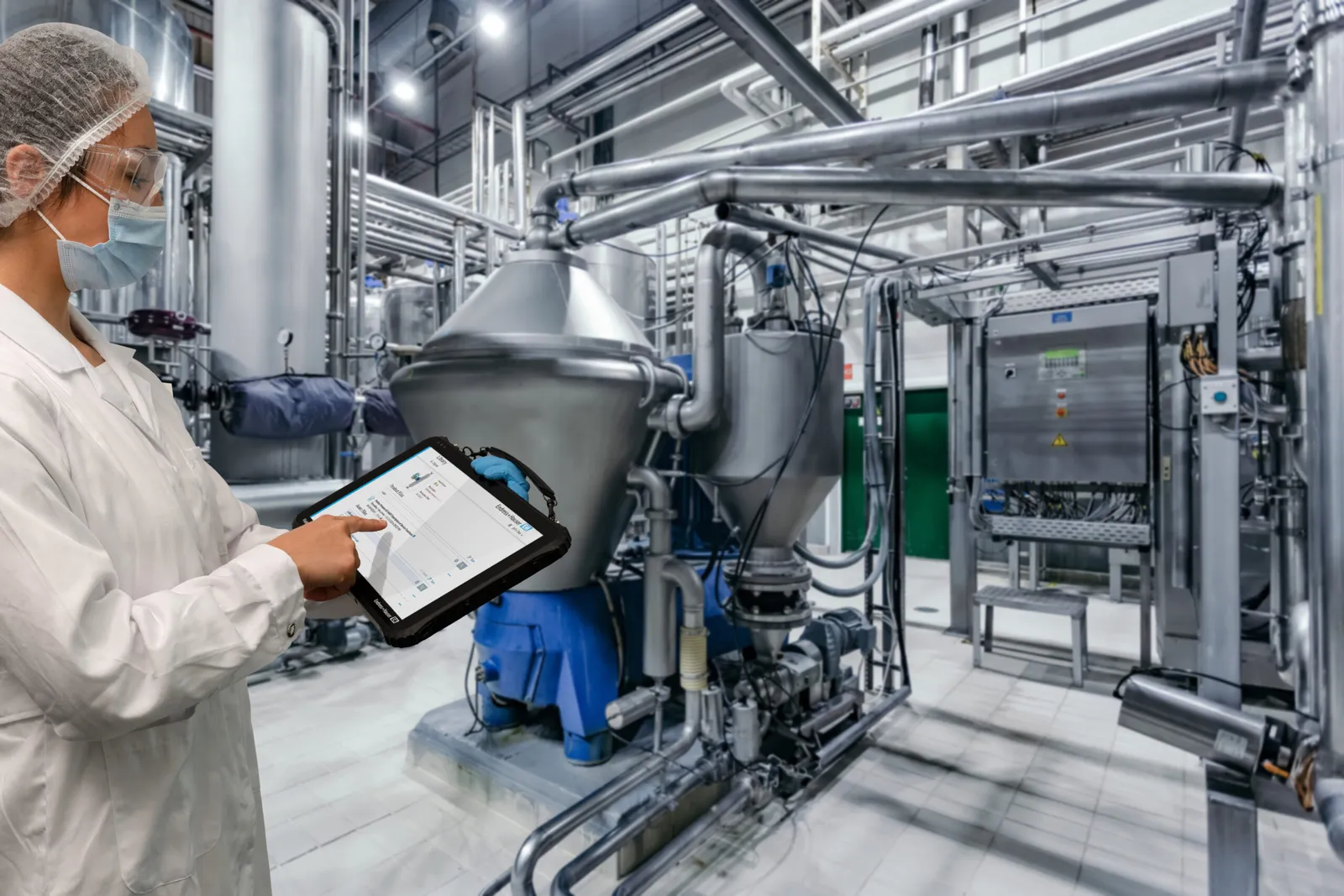
Endress+Hauser has its own hardware (gateways, peripheral devices) and software tools such as Fieldcare for working with this digital data, while also integrating with the asset management environment of food companies. Wouter Vandevyver: “We try to make things as easy as possible for our customers. For example, we offer various ready-to-use function blocks to simplify programming and visualisation. Production environments contain many legacy devices, each with its own protocol. We can migrate them all to modern communication protocols and bring them together on a single platform, giving them a complete overview of their production. This is also where we test our products before they go to market: we check whether they integrate easily with different systems.”
Question about this story? Ask your question
Keep following this
Get an email when a new story is published. No account needed.
- ThemeImproving production process reliability
- SubjectTechnology