From linear barcode to 2D code: an inevitable evolution
Texte Valérie Couplez | Photos Markem-Imaje
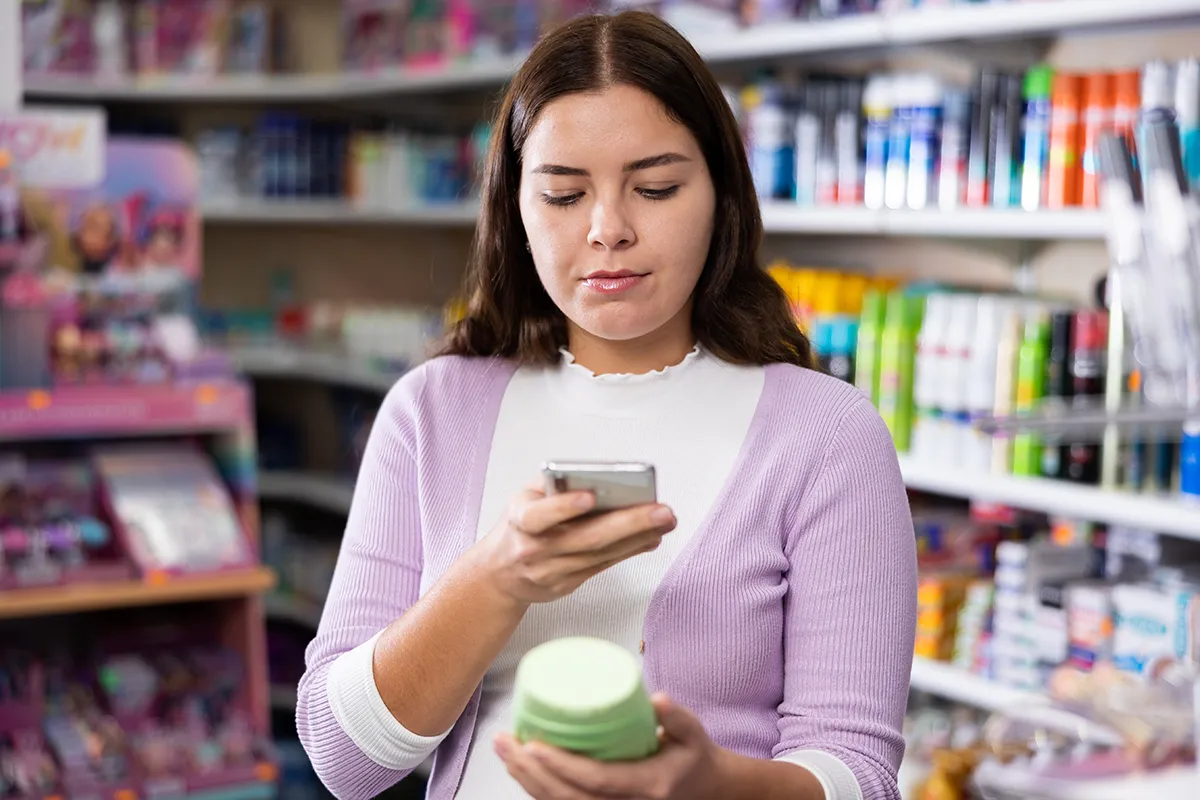
We are on the cusp of the transition from 1D to 2D codes. This evolution will have a considerable impact on retailers, who will need to install new scanners and software, as well as on every other link in the supply chain. To help food businesses manage this transition as effectively as possible, Markem-Imaje supports its customers by offering complete solutions. After all, 2D codes open up a wide range of possibilities for the food sector.
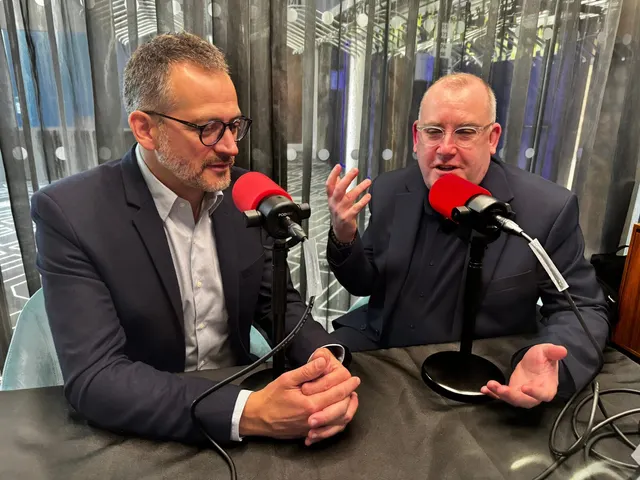
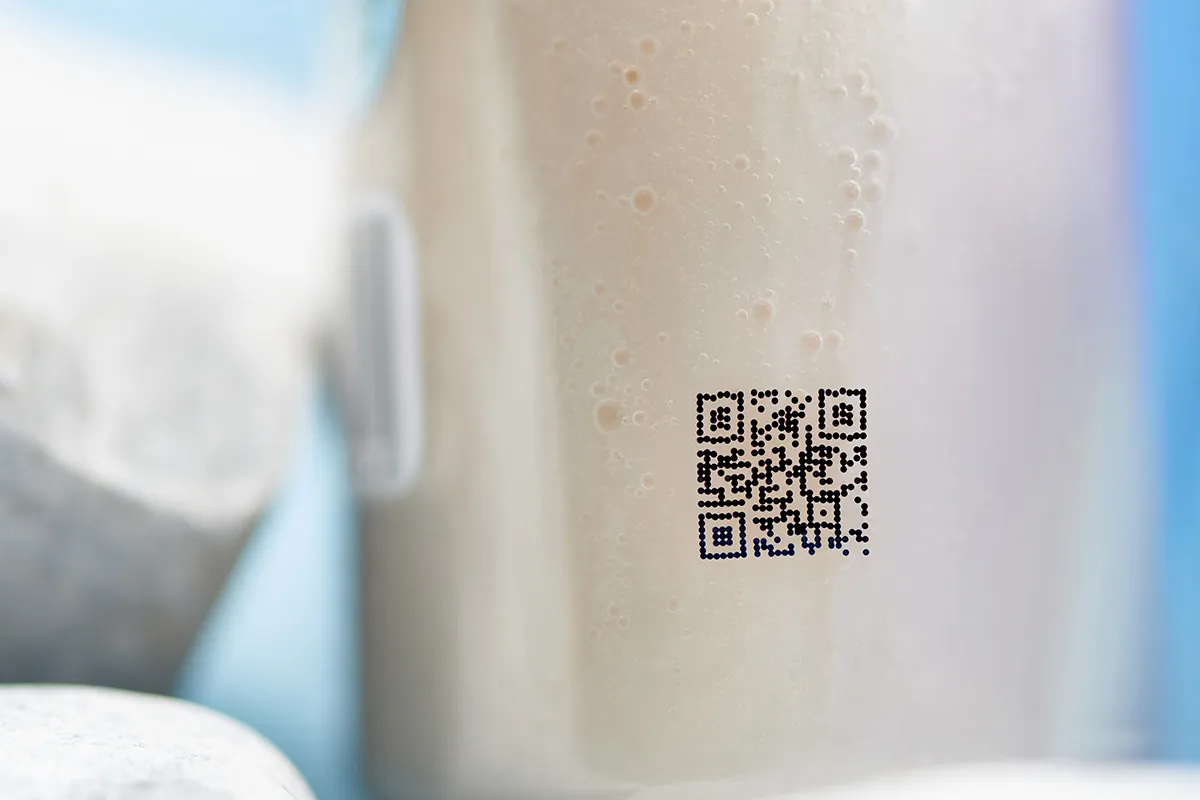
In fact, a 1D barcode says very little about the product. It only gives its EAN number, identifying the product in question. A 2D code adds a wealth of information to this, within the standardised framework of GS1 Digital Link. “We are seeing data become increasingly important. A 2D code can communicate much more information in a much smaller space. This can include production-related data, such as batch data, batch number and best-before date, as well as information that helps strengthen the relationship with the end customer. For example, a 2D code can contain a URL telling the product’s story from farm to fork,” explains Bob Bols, Software Solution Sales at Markem-Imaje.
A step forward for everyone
From a technical perspective, 2D codes will represent a step forward for every link in the chain. “Who hasn’t found themselves at the checkout with a product that has to be scanned several times because the barcode is difficult to read, or even completely unreadable? This is much less of a problem with 2D codes. They can be read from different angles and remain easier to read when damaged.” This code will enable food businesses, retailers and points of sale to improve efficiency, particularly in terms of traceability and stock management. “The code indicates the batch and best-before date of each product. This makes it easier to identify which products need to be prioritised, or to automatically calculate a discount if the best-before date is approaching.”
Customer interaction and counterfeit prevention
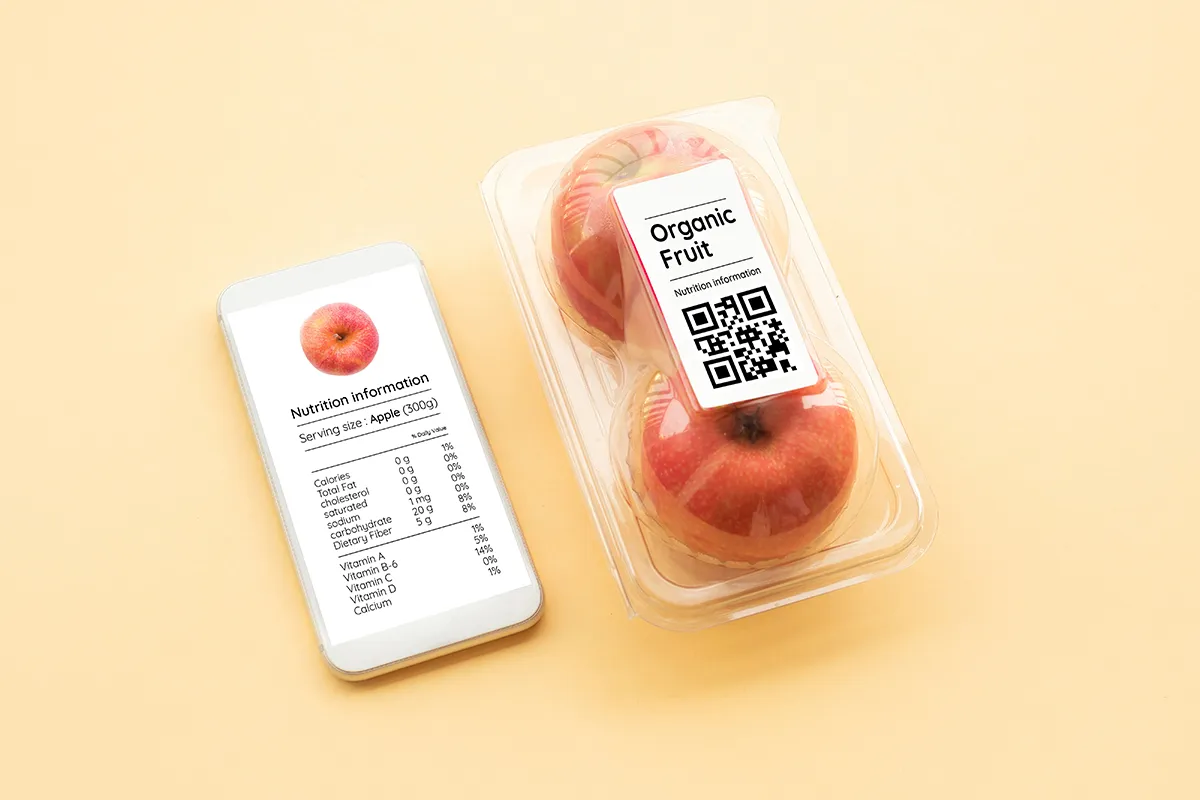
For now, 2D codes are being tested mainly by major brands. “Customer interaction is the main driver of this transition. Promotions, for example, can encourage customers to scan the 2D code, where they can find the story behind the product they have bought, all the nutritional information, any allergens, recipes… This is all information that currently appears on the product packaging, but is not always very easy to read.” Another major reason for food businesses to adopt GS1 Digital Link is the ability to guarantee product authenticity. “Serialisation is already mandatory in the pharmaceutical and tobacco sectors, notably to prevent counterfeiting. This principle is now also making its way into the food sector, primarily for premium products. In this context, the 2D code is the ideal tool.”
The transition is imminent
The final adoption of GS1 Digital Link will ultimately need to be accompanied by changes to legislation. “At present, for example, legislation requires allergens and nutritional values to appear on packaging, even though this space could be used by food businesses for marketing and promoting their brand. Wine is already an exception to this rule: winemakers can remove certain information from the label and include it in a 2D code. The transition is already under way, including among retailers. For example, UK supermarket chain Tesco has taken the initiative of requiring GS1 Digital Link from any manufacturer wishing to have its products listed on its shelves.”
End-to-end support
Food businesses will therefore have to adapt to this evolution. Fortunately, they can count on Markem-Imaje to make the transition as smooth as possible. “New hardware and software are needed to print 2D codes. Those using production-line printing will need to make some adjustments: reformatting the label, creating a link to the customer’s master data, and so on. But we have the technology, people and experience needed to make this happen and to find solutions that require as little human interaction as possible for maximum efficiency,” concludes Bols.
A business enquiry for Markem-Imaje NV? Get in touch
Companies in this story
Keep following this
Get an email when a new story is published. No account needed.
- SubjectTechnology
- CompanyMarkem-Imaje NV