GS1 Digital Link two-dimensional barcodes: why producers and retailers should use them now
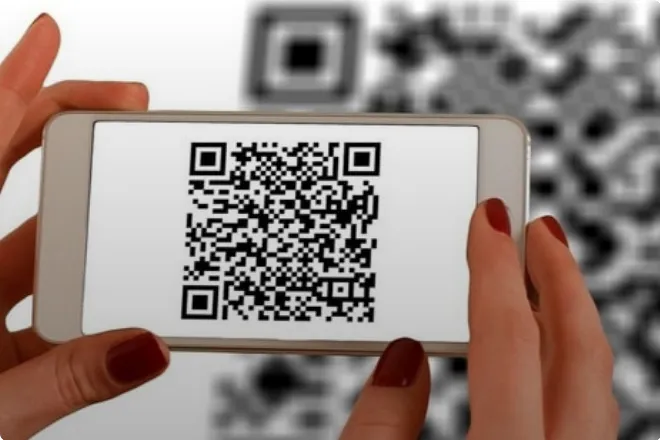
Producers and retailers are under constant pressure: they need to retain customers, attract them to physical stores, make product recalls more effective, anticipate changes in consumer behaviour, tackle waste and limit theft. The introduction of two-dimensional codes, more advanced product codes, with the launch of the global GS1 Digital Link standard may provide an answer to all these challenges.
The Digital Link barcode is an initiative by the international standards organisation GS1, marking a shift from traditional linear barcodes to two-dimensional barcodes. The global rollout will begin in 2027, when checkout systems will need to be able to scan 2D codes. At the same time, the classic UPC/EAN barcode will be phased out. Many companies will even switch entirely to 2D codes.
What is going to change?
Barcodes are being upgraded: the 1D version we know, with its 14-digit GTIN, will give way to a unique 2D code that can hold not only the GTIN, but also a range of additional data about the product and its production. For the first time, the “digital twins” of physical products will become the norm. This is a major development: products will not only be identified, but also enhanced with digital data. This will create new opportunities throughout the supply chain.
GS1 Digital Link is not the only standard set to have an impact. From 2026, the EU will begin rolling out the Digital Product Passport (DPP or Digital Product Passport), which will fundamentally change how product information is shared, with a clear focus on sustainability. Linked to the physical product via QR code or RFID, this passport will contain, among other things, a unique ID, certificates, instructions and environmental information. The DPP will first become mandatory for car batteries (2026), followed by textiles, clothing and footwear (2028) and, by 2030, virtually all products, except food and medicines.
Why is this so important?
These two standards will make it possible to include a wider range of product data in a single global barcode: price information for checkouts, batch information, traceability data, instructions for use and more. These codes can be scanned using a smartphone or point-of-sale system, giving every stakeholder, from producer to consumer, easy access to relevant data.
What does this mean for FMCG?
For food and fresh produce, the added value is considerable:
- Dynamic pricing when demand fluctuates;
- Less waste through intelligent stock management;
- Faster product recalls in the event of quality issues;
- Ingredient lists and nutritional values in multiple languages;
- More precise expiry dates;
- Information that can evolve with the product, for example wine.
Two-dimensional codes also allow brands to rethink their packaging: less text means more space for design and storytelling.
A revolution in data flows
2D codes can combine several functions. They simplify stock management, optimise logistics, speed up data flows throughout the supply chain and provide transparent, accurate and multilingual information: real-time stock levels, traceability data, production and delivery information, all in a single scan.
Suppliers can provide access to certificates, specifications and warranty data through the QR code. The system also offers a major advantage in the fight against counterfeiting: unique identifiers and product information enable companies to monitor their supply chains more effectively.
Faster product recalls
With their additional information and traceability, two-dimensional codes help businesses comply with new legislation, including the Food Traceability Rule introduced in the United States. QR codes can reduce the time needed to initiate a product recall from several days to just a few hours, helping to prevent contamination outbreaks and lawsuits. They also benefit consumers, who can check directly whether a product has been recalled.
2D codes outperform serialised 1D barcodes:
- More information in a smaller area;
- Can still be scanned if slightly damaged;
- Access to data without a direct connection to internal systems.
Opportunities to create brand experiences
Two-dimensional codes strengthen trust and engagement with a brand. They link the physical product to digital content: promotions, loyalty programmes, recipes, social media and more. Brands can offer content tailored to specific target groups.
In addition, 2D codes act as a bridge between the online and offline worlds. Interactive content, discounts and experiences all offer ways to engage with customers.
Ready for the future?
Retailers need to adapt their checkout and point-of-sale systems so they can read and process two-dimensional codes before 2028. Printing capacity must also be sufficient, particularly for own-brand products. Finally, good data quality in the ERP system is crucial to fully realise the potential of 2D codes.
The rollout has begun. Don’t wait until it’s too late.
A business enquiry for Markem-Imaje NV? Get in touch
Companies in this story
Keep following this
Get an email when a new story is published. No account needed.
- ThemePackaging and tracing products
- SubjectTechnology
- CompanyMarkem-Imaje NV