What can GS1 Digital Link mean for you?
Texte Valérie Couplez | Photos Markem-Imaje
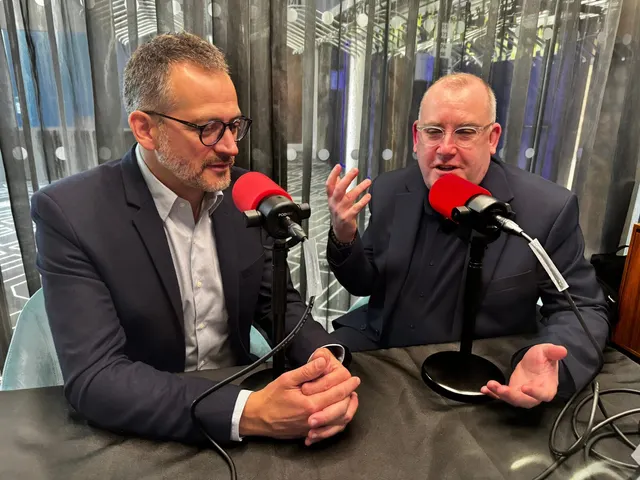
Data … their increasingly widespread use has transformed the world. For food businesses, too, a host of useful applications are on the horizon, at least if they take a structured, standardised approach. The GS1 Digital Link standard is a good example. It enables information to be exchanged uniformly and transparently throughout the supply chain. Markem-Imaje plays a leading role, working with customers on pilot projects to create a digital experience using 2D barcodes for retailers and consumers. An interview with Erik Lagarde, global strategic account manager.
Why is the food industry still interested in 2D codes?
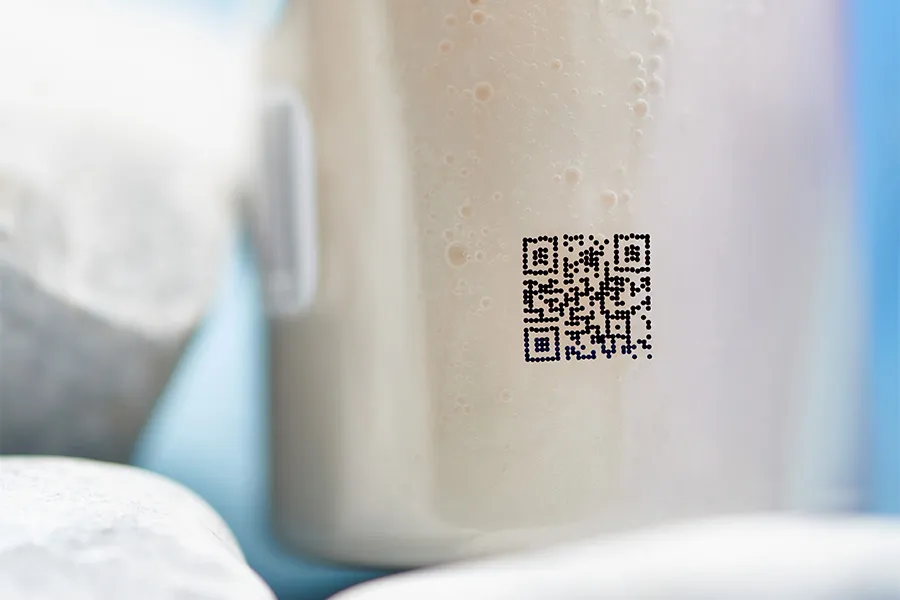
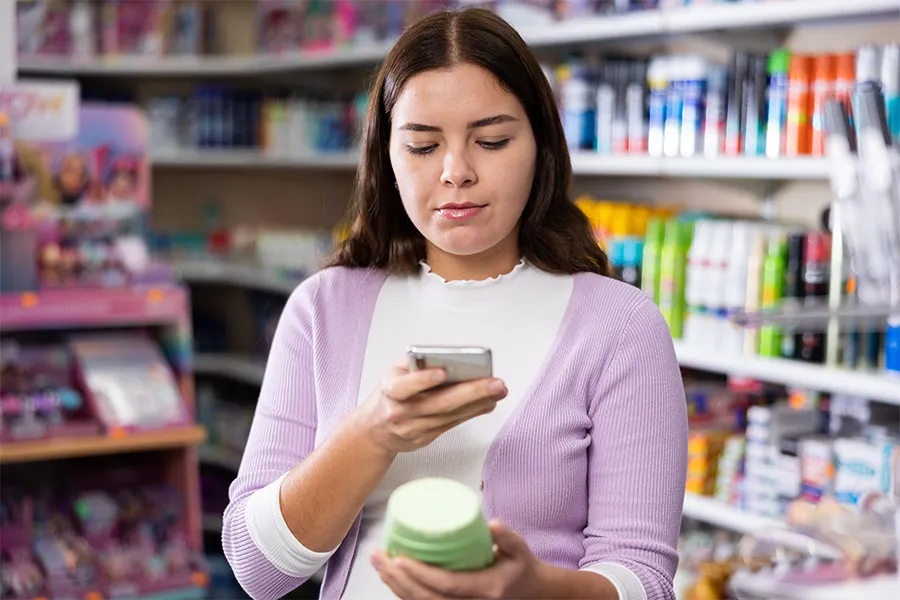
Barcodes have been around for more than 50 years. What has changed recently is the range of options available. A web-enabled 2D barcode on products provides a wealth of information and makes it possible to respond more quickly to trends throughout the value chain. What is the product’s nutritional value? What recipes can I make with this ingredient? It can also provide real-time information, such as a product recall or an approaching expiry date. The 2D code offers high data capacity in a compact space, is easy to read and is resistant to damage. It is an excellent choice.
What about food manufacturers? Why should they invest in this technology?
Moving from 1D to 2D codes makes it possible to include a wealth of personalised, dynamic information in a single code and create a connected product that stakeholders can use. We have already discussed the benefits for consumers. Retailers can use the code to charge for products, while producers can use it to verify authenticity. This connected code enables supply chain stakeholders to work more closely together and exchange information, improving transparency and traceability while increasing consumer engagement. It also creates opportunities: imagine no longer having to reproduce the long list of ingredients in several languages on packaging. A single 2D code is enough, meaning less packaging material would be needed.
These developments are often mentioned in the same breath as GS1 Digital Link. Is it a new directive, like the European Digital Product Passport?
GS1 Digital Link is a new standard that connects GS1 identification data to the internet. It is the infrastructure underpinning the European Digital Product Passport. Without it, the goal of exchanging relevant product information related to sustainability and circularity with the parties concerned cannot be achieved. The system also extends beyond Europe. US fresh produce manufacturers and their overseas suppliers can benefit from these solutions. The Food Safety Modernization Act will come into force in 2026. By implementing GS1 Digital Link, they will be able to meet their legal obligations by tracing products throughout the supply chain.
Why is Markem-Imaje a good partner for food businesses?
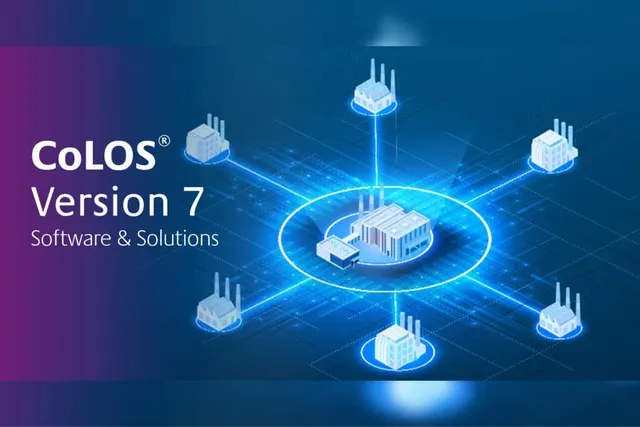
We are working with several leading global consumer goods brands on pilot projects. These involve integrating inline 2D barcode printing and creating a digital experience for retailers and consumers of connected products. In recent years, Markem-Imaje has invested heavily in innovation to offer customers a balanced combination of printing technologies and software solutions. We help them meet new requirements for printing, inspection and the encoding and decoding of dynamic product data in 2D barcodes. Our range of printers can work with a wide variety of materials. Our software solutions provide an end-to-end approach, from designing codes and simple messages to validating codes and packaging, and on to traceability, authentication and a consumer-oriented digital experience for connected products. ■
A business enquiry for Markem-Imaje NV? Get in touch
Companies in this story
Keep following this
Get an email when a new story is published. No account needed.
- ThemePackaging and tracing products
- SubjectTechnology
- CompanyMarkem-Imaje NV