When heat needs to be controlled
COSUCRA’s processes start in the fields and end in the cleanroom. Whether dealing with raw materials contaminated with sand or products that comply with the hygiene requirements of Regulation (EC) No 1935/2004, the VEGAPULS C 21 has the answer. This VEGA radar sensor adapts to a wide range of conditions and delivers reliable measurement results without interference.
COSUCRA is a sugar producer founded in Warcoing in 1852. Over the past twenty years, the company has transformed itself into a specialist in producing plant-based ingredients from natural sources. The process begins in the fields, where chicory and peas are grown. When subsequently processing these sandy raw materials, the company adheres to the strictest hygiene requirements. For example, COSUCRA’s process for producing inulin, the fibre found in chicory roots, meets the requirements of EC 1935/2004 and the EHEDG. Wild chicory comes in two varieties, as chicory and as chicory root. The latter contains around 16% inulin, a natural dietary fibre used to improve texture and taste, while also offering numerous nutritional and physiological benefits. For example, inulin is used as a starch substitute in the treatment of diabetes. It is extracted using a hot-water process. A liquid solution made from chicory root is reduced to a concentrate, which is then processed into dietary fibre in powder or liquid form.
Harsh conditions demand reliable measurements
“In fact, you’ll find every difficult condition you can imagine on our site. The processes are dusty and aggressive, take place outdoors or in the cleanroom, and involve either overpressure or vacuum. Sometimes we also have to contend with strong vibrations or work in ATEX environments,” explains Vincent Vercamst, maintenance manager in the electrical and instrumentation department at COSUCRA, outlining the main challenges. “That’s why all measuring instruments have to comply with the ATEX Directive, as well as the specifications set out in EC 1935/2004 or the EHEDG guidelines.” VEGA has been helping to ensure safe production with its measuring instruments for more than 25 years, supplying VEGASON, VEGACAP, VEGADIF, VEGABAR and VEGATOR devices. “Unbeatable value for money, low maintenance, excellent long-term reliability and incredibly robust products,” Vercamst says, summing up the decisive factors.
Highly precise monitoring of the filtration process
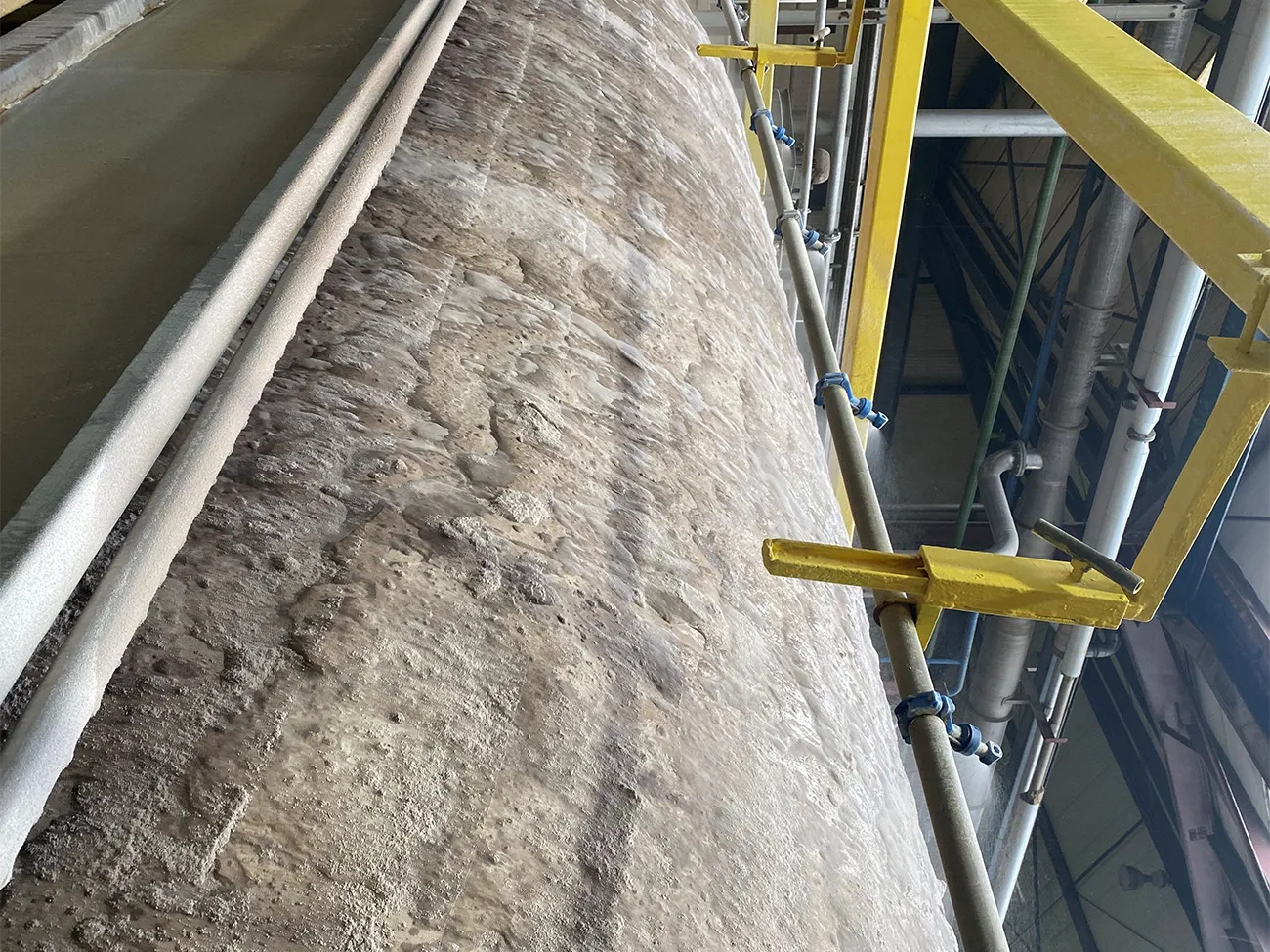
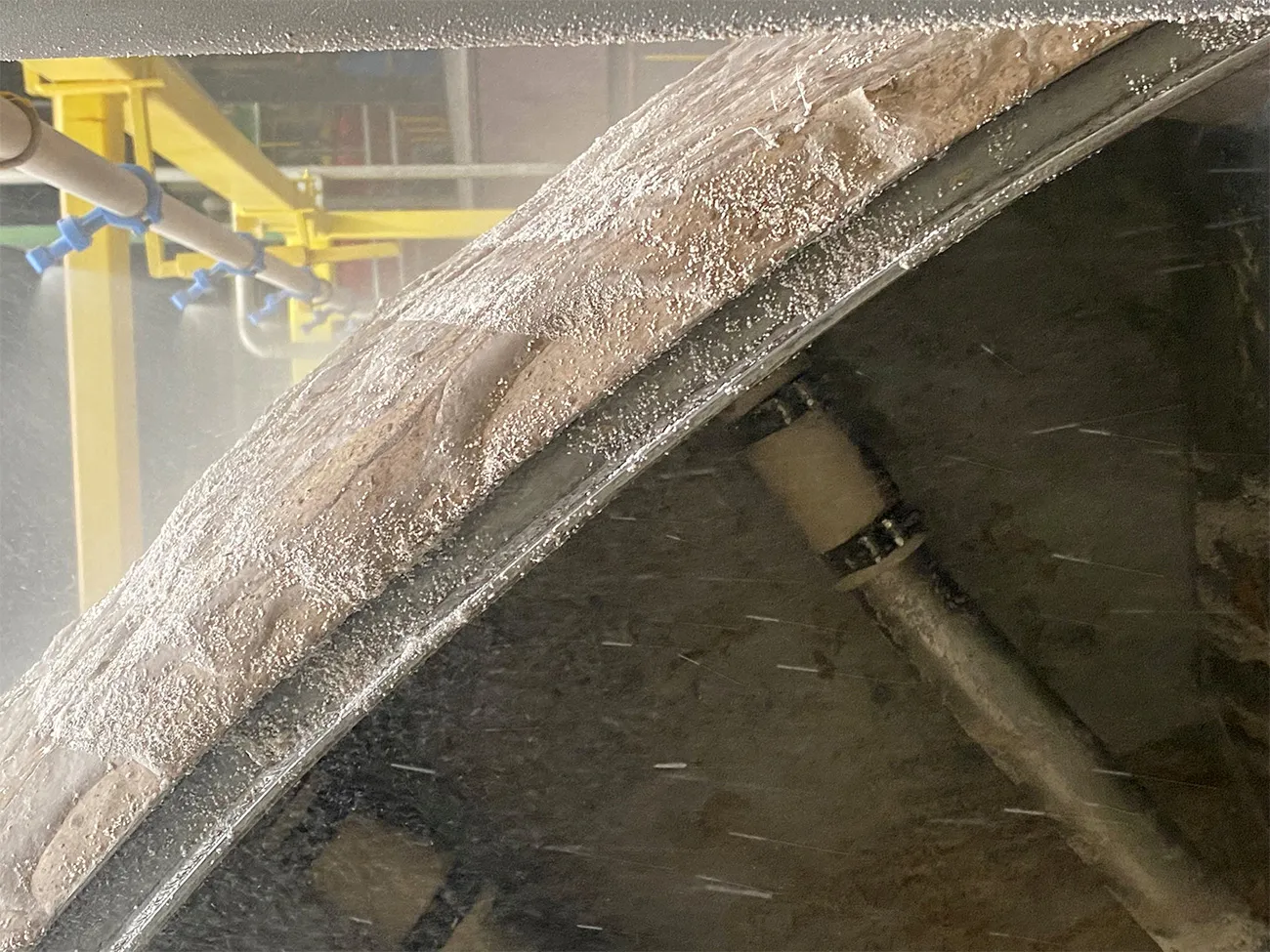
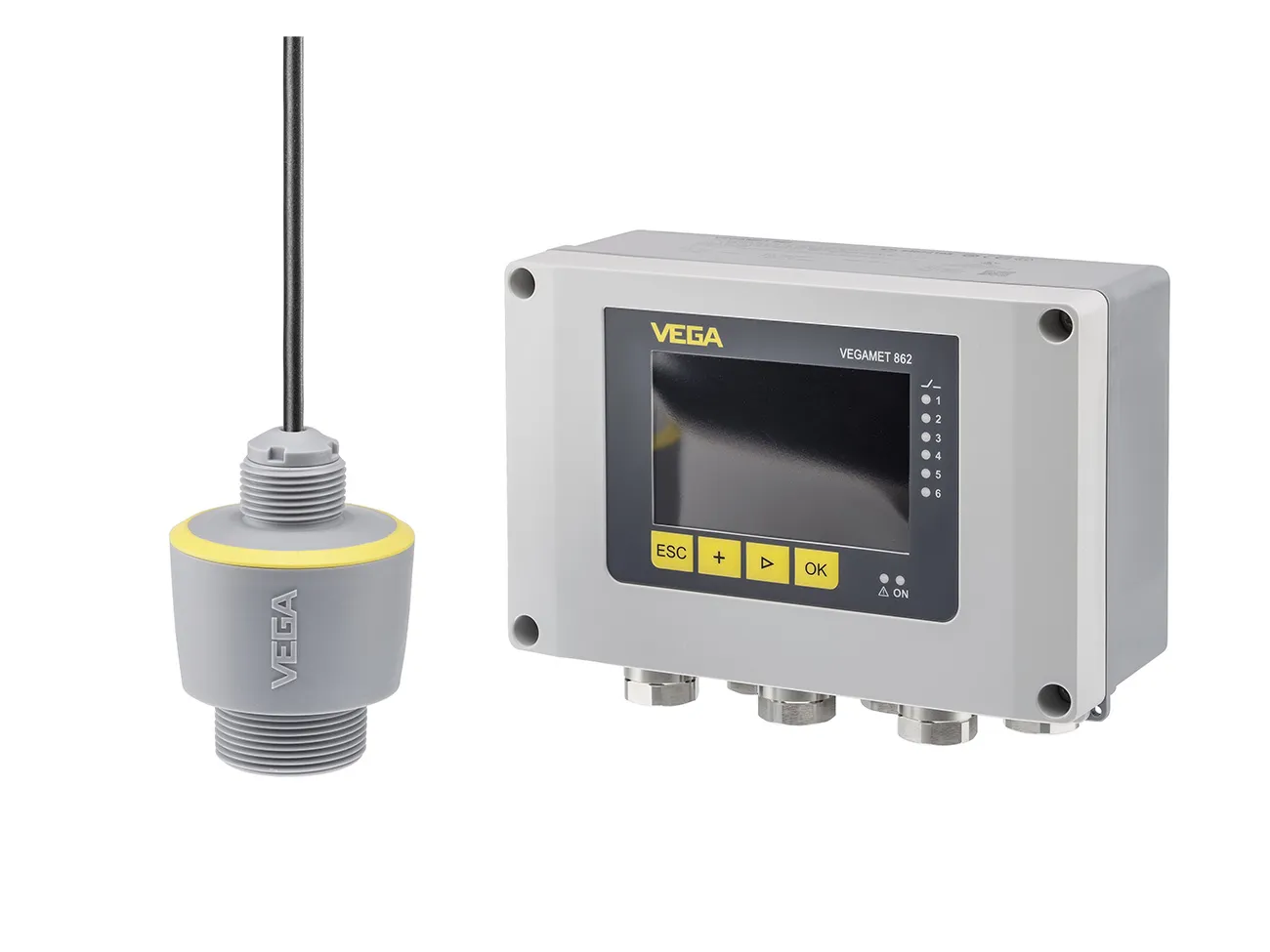
The compact VEGAPULS C 21 radar level sensor is a new addition. This non-contact radar level sensor is suitable for straightforward applications that nevertheless require a high degree of accuracy and protection. The filtration process is a typical application. A rotary filter turns in a tank filled with water and sand. A vacuum pump draws the sand onto the edge of the filter. “This way, the sand filters impurities out of our products,” explains Vercamst. The VEGA sensor first measures the distance between the sensor and the empty filter. This is approximately the zero point. “We then analyse the distance between the sensor and the rotary filter. This allows us to monitor the thickness of the sand layer in the critical area at all times. The thickness affects the product’s filtration quality,” Vercamst adds. “In the past, we kept having problems with the stability of the sand, which led to high costs. Thanks to the VEGA sensor, we can now control the filtration process very precisely,” says Vercamst.
Replacing visual inspection
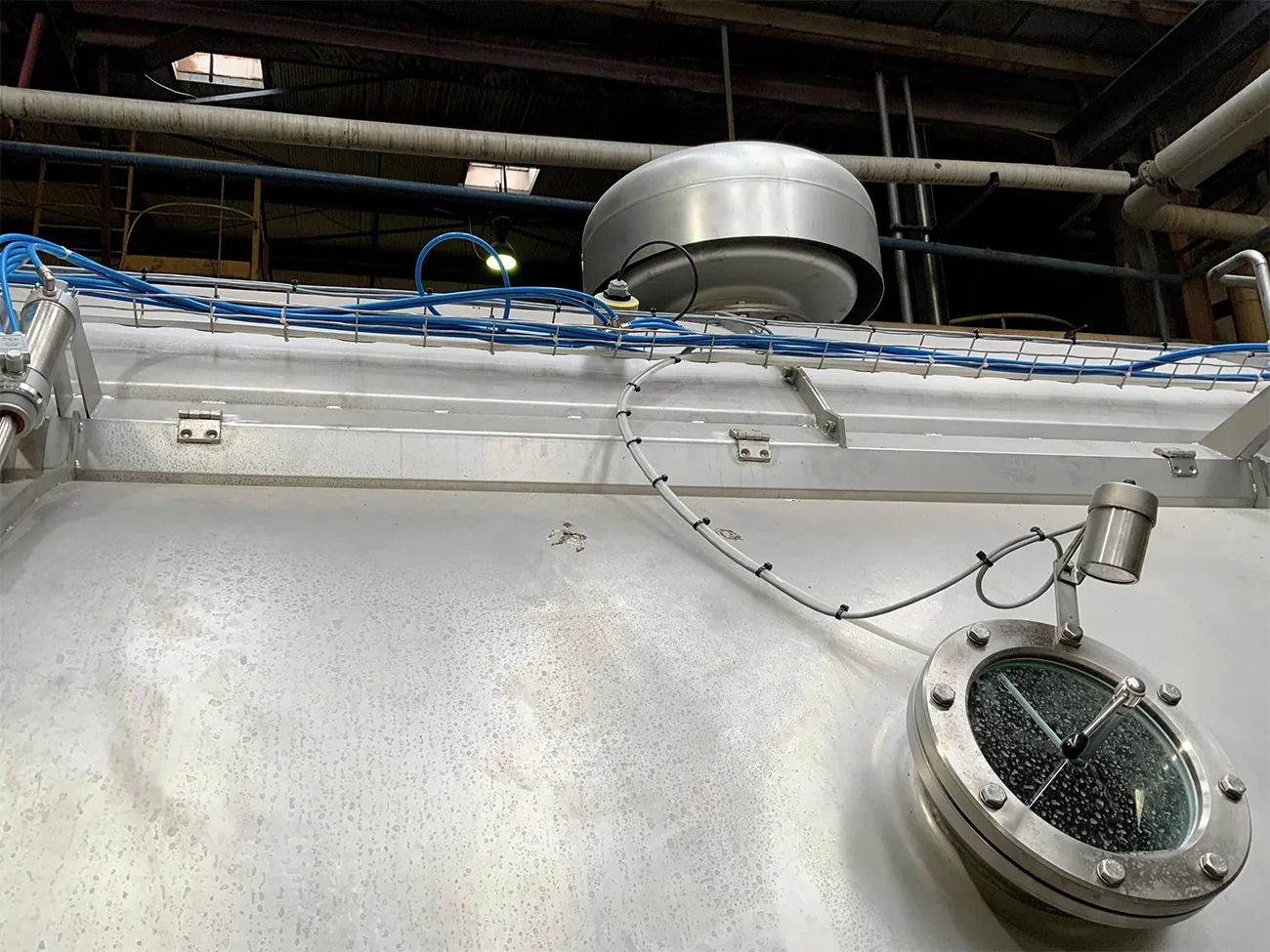
The VEGAPULS C 21 has the advantage of delivering accurate measurement results regardless of the medium, process or ambient conditions. Thanks to the strong focusing of its 80 GHz technology, the radar signal can be directed at the medium being measured with near-millimetre precision. Interference, for example from deposits on the antenna system, is simply eliminated. At the same time, the sensor is so small that it can be installed anywhere. This is particularly important at existing sites where everything already has its place. Until now, operators generally monitored the filtration process in the chicory plant visually. “We tried laser and ultrasonic technology, but the latter was not reliable enough. Equipment from other manufacturers also failed to meet the process requirements,” recalls Vercamst. Only with the compact VEGAPULS C 21 has the process been stabilised in terms of measurement accuracy, reliability and repeatability. Vercamst’s team was also impressed by the sensor’s resistance to steam and water splashes. Thanks to Bluetooth and its intuitive operating structure, the new sensor was installed in no time. The concept has also won Vercamst over for other measuring points: “We are now gradually replacing unreliable sensors with VEGA instruments wherever possible.”
Een zakelijke vraag aan VEGA N.V.? Get in touch
Companies in this story

Keep following this
Get an email when a new story is published. No account needed.
- ThemeImproving production process reliability
- SubjectTechnology
- CompanyVEGA N.V.