Europe: centre stage or backstage?
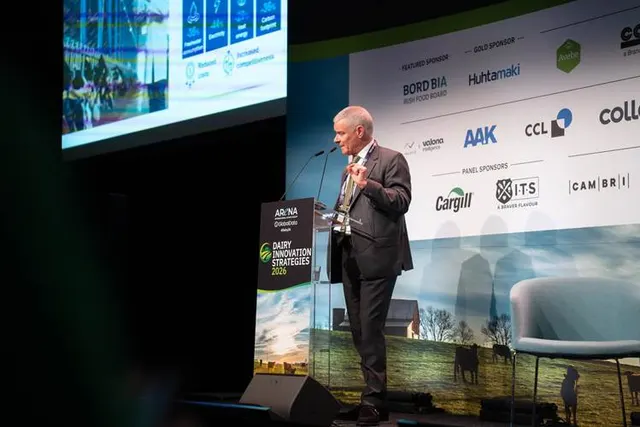
This week, Europe stands at a crossroads. What looks on paper like two "informal" meetings, the industry summit in Antwerp on Wednesday and the European summit at Alden Biesen on Thursday, are in reality moments of truth. The world is watching to see whether Europe will roll up its sleeves to play a leading economic role on the global stage or withdraw gradually, but inexorably, into the wings.
The industry summit is indeed a wake-up call: Europe is losing ground to China and the United States. We represent a market of €18,000 billion and account for 16% of the global economy, yet we put obstacles in our own way and let huge opportunities slip by. Alden Biesen will be a stress test of Europe's relevance, flexibility and survival as a global player.
In 2024, the Draghi and Letta reports marked a new beginning. They amount to nothing less than an action plan for simplification, stronger competitiveness and a coherent energy policy. And yet, in recent years Europe has seen hundreds of production sites and tens of thousands of jobs disappear. Belgium has not been spared: seven sectors out of ten are running below their normal level, the industrial capacity utilisation rate has fallen to 76% (against a historical average of around 80%), and export volumes are declining for the third year in a row. While Europe analyses, the rest of the world invests. While Europe piles up reports, others build factories. We know what needs to be done. But we are not doing it.
For the moment, European companies are not feeling any European political ambition to reverse the trend. The energy cost gap with competitors outside Europe remains colossal. Overregulation stifles investment in the egg. The single market is riddled with absurd obstacles. Geopolitical pressure is growing. On the eve of the summit, the 42 employers' organisations, united under the banner of BusinessEurope, sounded the alarm. From Madrid to Warsaw, from SMEs to multinationals: the message is unanimous. Enough talk. We must now focus and act quickly. With Draghi and Letta as our guides and the support of many leading European policymakers, we have gathered our priorities in a memorandum that we have sent to the heads of state and government, who now hold the cards.
For if industry spoke with one voice yesterday, political courage must follow tomorrow. Or, as Letta put it: "A revolution takes only one day." Europe can no longer wait while its competitors charge ahead headlong. The question is no longer whether to intervene, but when Europe's leaders will finally take action. Europe must focus on competitiveness through a stronger internal market, affordable energy and less burdensome regulation. It must promote international trade through a series of targeted trade agreements. And it must move towards a unified capital market to make it easier to access the capital needed to finance its industrial activities. Finally, Europe must stand up to illicit dumping practices. For every day of delay brings Europe closer to the point where its lag becomes insurmountable.
The Alden Biesen summit was not a summit like any other. It was a test of relevance. The question is not whether Europe is capable of playing a leading role. We are. The question is whether Europe has the will and the ambition to finally make courageous choices and take action. The answer will determine in part whether Europe remains a global player or is relegated to the role of mere spectator. Whether we claim centre stage or retreat backstage.
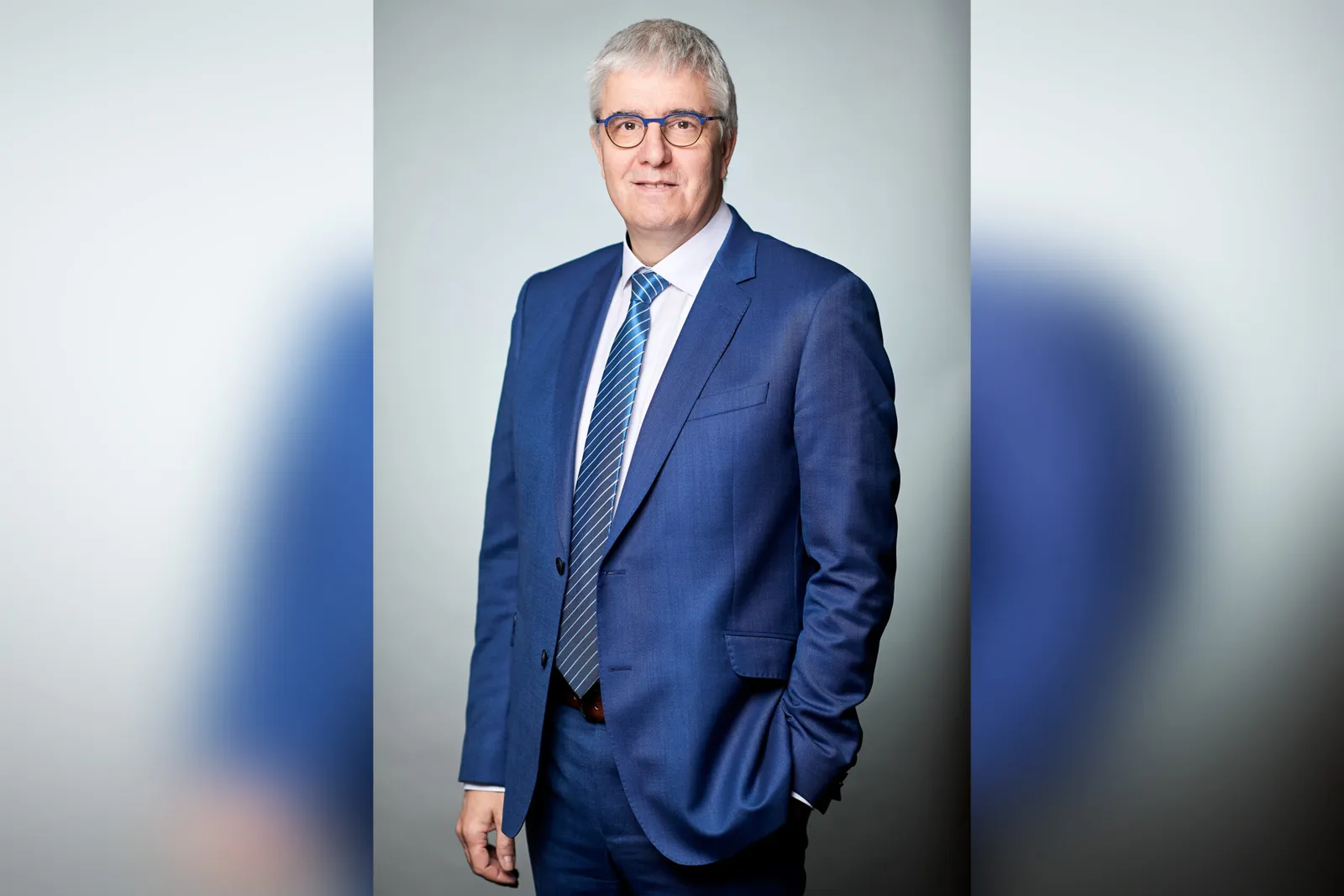
Pieter Timmermans
Managing Director of the FEB
Question about this story? Ask your question
Keep following this
Get an email when a new story is published. No account needed.
- SubjectNews