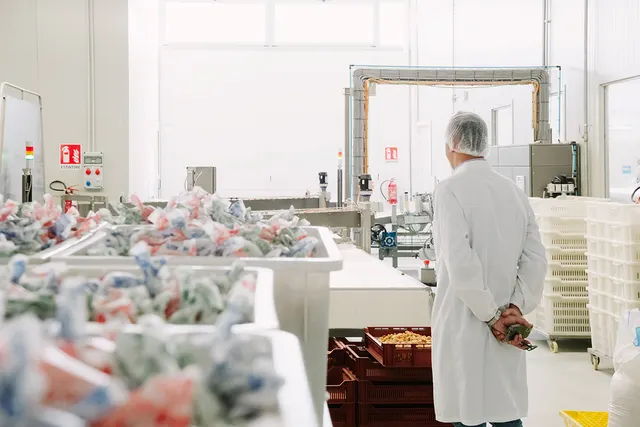
From barley to malt: a natural process, modern measurement technology
Texte & photos Valérie Couplez
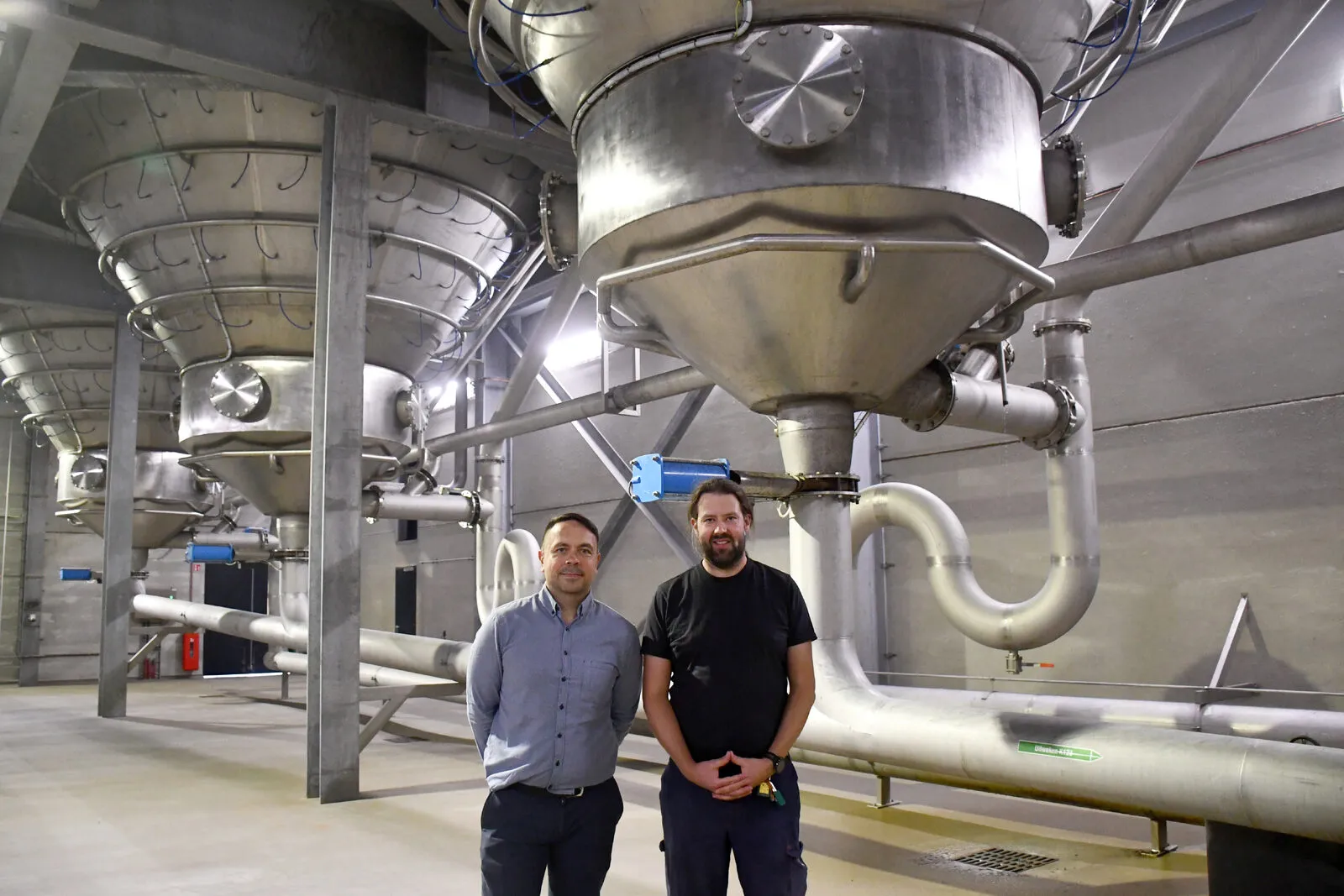
With a production capacity of 3.1 million tonnes of malt, Boortmalt can rightly call itself the "Masters of Malt". In Belgium, this activity takes place at two production sites. The one in Antwerp is the largest malting plant in the world, while the one in Herent is arguably the most efficient. Thanks to automated production, the staff there contribute 110,000 tonnes to this impressive total. To do so, they rely on VEGA level sensors.
Beer owes its nickname of "cervoise" (a barley-based brew) to one of its main ingredients: barley. At Boortmalt in Herent, this barley, around 130,000 tonnes a year, is turned into malt in roughly 7 to 8 days, depending on customer specifications. The process comprises three stages: steeping, germination and kilning. "The complexity of malt production is often underestimated. It is a living product, a natural process. It starts with the differences between the barleys that reach us. Winter barley, for example, has to steep a little longer than spring barley to trigger germination. And depending on the region where the barley was grown, there are also local differences," explains Neal Herdewijn, electrical and automation supervisor. To control the production process down to the smallest detail, a considerable amount of data is collected in the control room. "At every moment, the climatic conditions (humidity and temperature) must be perfectly matched to the recipe in question in order to achieve the desired flavour profile and specifications."
"Our" plant
Visiting Boortmalt in Herent, you might feel as if you are in the middle of nowhere, but in reality the location could hardly be better chosen. "We are very close to our customers. Some of the large breweries are just around the corner. And thanks to our connection to the canal, we can ensure sustainable transport." This is an important point, as we learn. A little further on, we see a Boortmalt electric truck arriving, which handles part of the transport. The same applies to production. Boortmalt wants to become CO₂ neutral. The technical team is therefore constantly looking for improvements so as to work more efficiently and use less energy. "It is a long-term strategy. By investing in our own team, we have moved from handling emergencies to these optimisation processes. That is only possible if you know what each indicator is for. That is what makes it a little bit 'our' plant," says Herdewijn proudly.
Blind trust
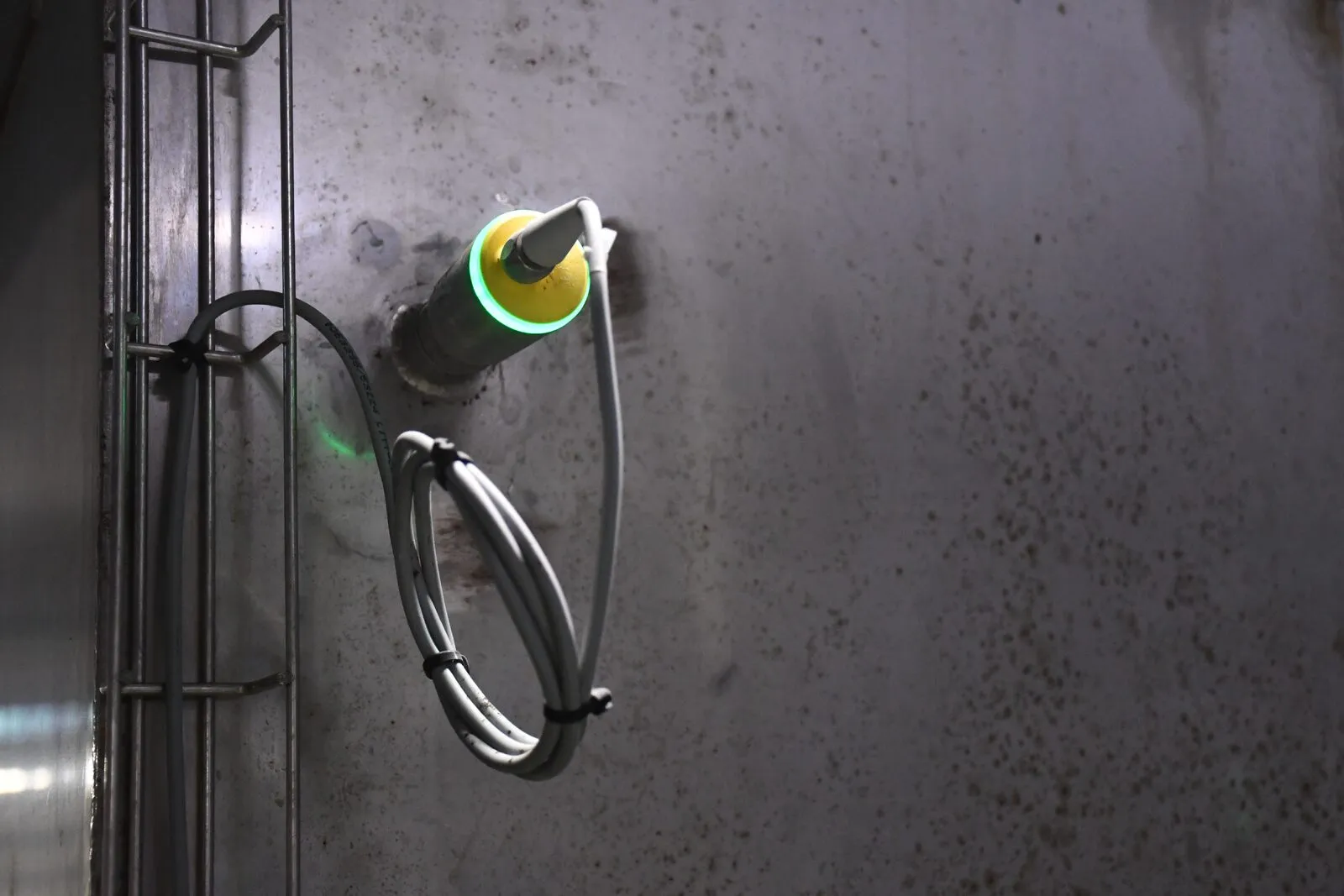
To be able to rely blindly on these signals, Boortmalt Herent has for years counted on VEGA instruments. "When I started here thirteen years ago, there were several brands of pressure and level sensors in production. Today, the colour yellow is increasingly present in production, because once VEGA sensors are set up, you no longer have to worry about them. And that is an incredible asset! What is more, they can handle the most complex challenges." Neal Herdewijn refers to the new vessel hall that was installed about four years ago in the first phase of the production process. "Steeping is probably the most crucial stage. It demands careful monitoring. That is why we combine VEGA radar sensors to measure the barley level with pressure sensors to determine the water level. This gives us perfect visibility and understanding, which has enabled us, for example, to reduce water consumption in this process considerably."
Complexity
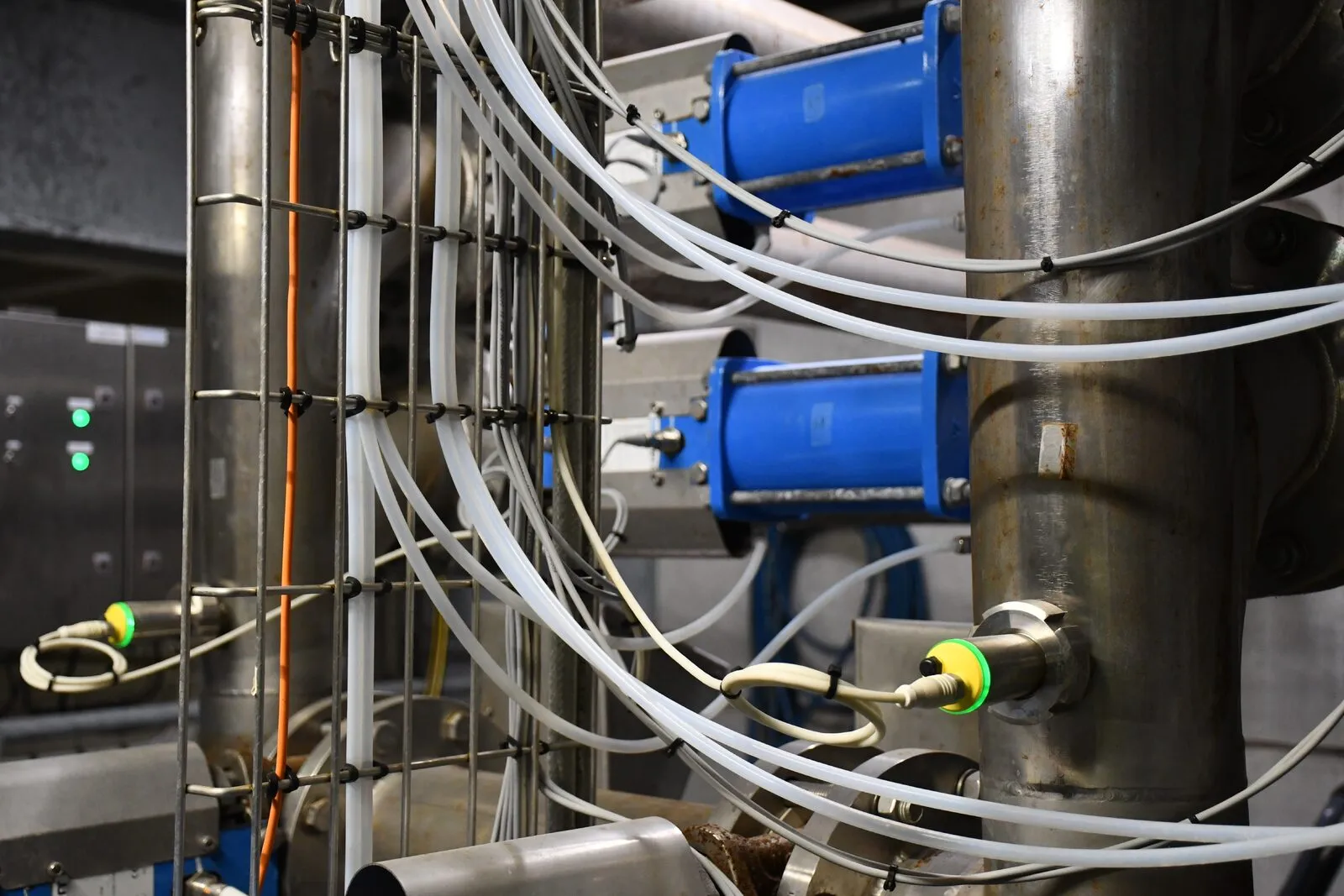
In total, the new vessel hall has two rows of three vessels, with more than thirty VEGA radar and pressure measurements. "It is in this kind of application that you really feel their experience and expertise," adds Neal Herdwijn. "Unlike conventional silos, these stainless steel vessels generate quite a lot of echoes. There is also significant foam formation. In short, everything that can make a radar measurement impossible. But with VEGA instruments, you manage to complete such a complex setup successfully." In fact, Boortmalt's technical team carried it out itself. "Thanks to the VEGA app, all our data is also saved on the myVEGA platform." As regards the pressure sensors, Neal Herdewijn wishes to stress the chlorine resistance and the mechanical robustness of the pressure diaphragm. "Extra built-in safety," as he puts it. "With VEGA, you have that peace of mind. You know that their instruments offer above-average performance and comply with all the requirements imposed," he says, referring in particular to the level measurement and detection instruments approved for the new VLAREM II legislation on overfill protection.
A business enquiry for VEGA N.V.? Get in touch
Companies in this story

Keep following this
Get an email when a new story is published. No account needed.
- ThemeImproving production process reliability
- SubjectTechnology
- CompanyVEGA N.V.