A Belgian first: a vertical Flowpack bagging machine for diced ham and bacon bits
Texte Valérie Couplez | Photos Ekkow
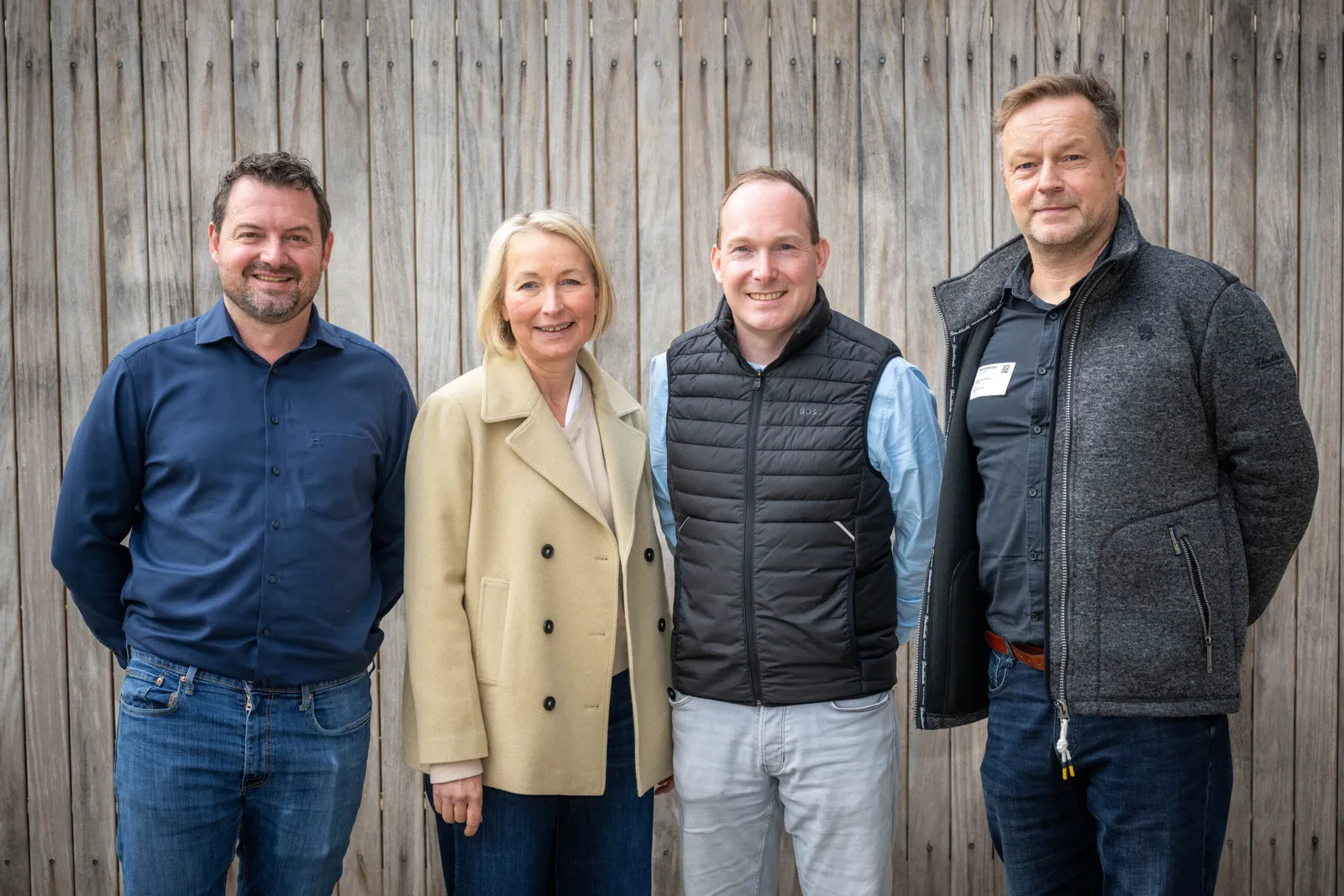
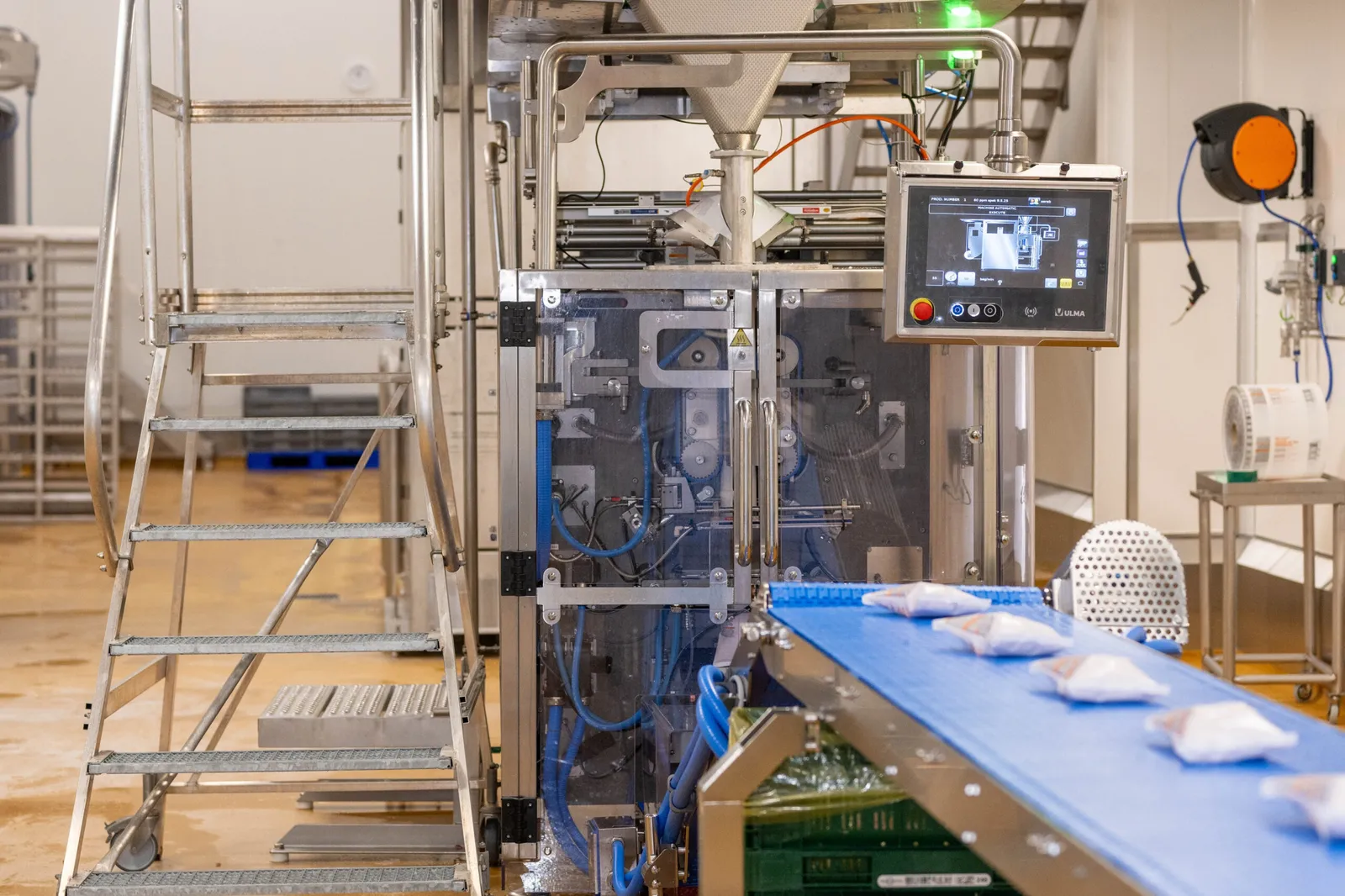
Sustainability is part of Colruyt Group's DNA, and not just on paper. When it comes to new investments in production, the company looks to go further, even if that means playing a pioneering role. It has thus become the first meat processor to adopt vertical Flowpack packaging for its products. This saves 45.5 tonnes of plastic a year.
Colruyt Group is determined to become more sustainable, an ambition the company backs with precise targets. By 2030, for instance, it aims to use only reusable or recyclable packaging. The current rate? 99.7%. "We are almost there, but as with everything, the final stretch is the hardest," explains Glenn Coppieters, project manager, technics at Colruyt Group. The group also wants to reduce its use of plastic packaging as far as possible. "Plastic is and remains a useful material for guaranteeing the freshness of your products. But that doesn't mean we can't do better. We are trying to contribute to that step by step," adds Glenn Coppieters, spelling out the ambition.
Control of the entire chain
A recent investment in the packaging line for diced ham and bacon bits at Fine Food Meat, Colruyt Group's meat processing company, showed exactly that. Processing has been part of its activities since the 1950s. "We try to keep costs as low as possible for our customers by taking the entire chain in hand, from recipes to finished products. It is really part of the group's DNA. And what you do yourself, you usually do better, don't you?" adds Glenn Coppieters with a wink. Colruyt Group operates from an industrial estate in Halle, where it now occupies the entire block, around 18,000 m². On one side of the street, fresh meat is boned, then processed on the other side into fermented products (bacon, cured pork belly and so on) and cooked products (ham, ready meals and so on). Round the corner, the spreads are made.
The ideal moment
In the processing department, the aim in installing a new packaging line was to kill two birds with one stone. Glenn Coppieters: "On the one hand, we are aiming for more efficient production thanks to better quality and fewer packaging rejects. On the other, we want to improve sustainability by using less packaging material and favouring better recyclability." Until recently, packaging was done on a thermoforming line that placed twelve trays at a time on the conveyor. "That led to quite a lot of 'rework', packs that were not quite properly filled or sealed. A rather tedious task. I felt that a vertical Flowpack bagging machine would deliver a better result, both in quality and in sustainability.
What's more, the existing line was reaching the end of its life. So it was the ideal moment to think about the future, rather than waiting another fifteen years for the chance to become more sustainable."
A saving of 45.5 tonnes of plastic
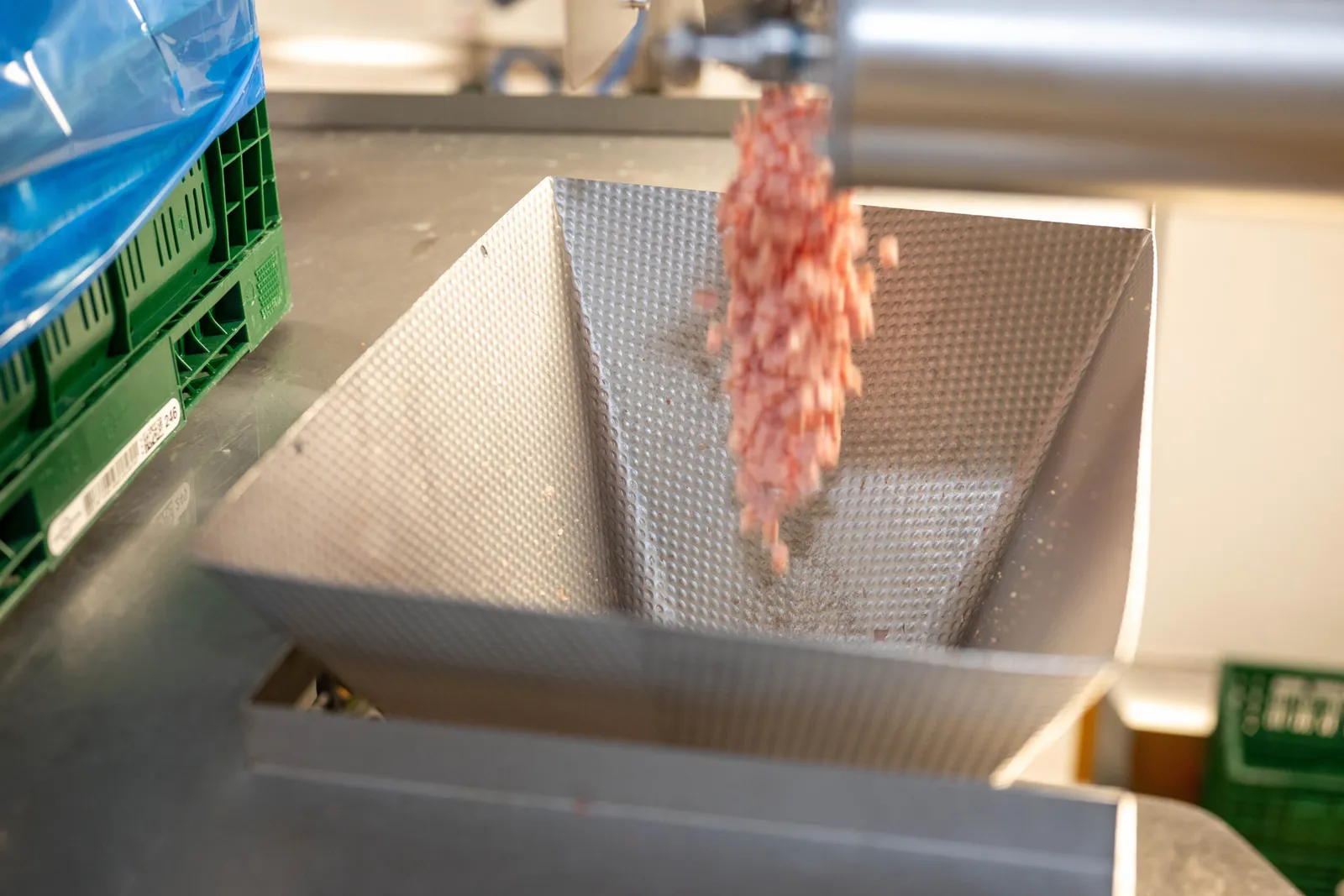
The calculations on paper proved him right: by adopting Flowpack, Colruyt Group would save 45.5 tonnes of plastic a year on its 250-gram packs of diced ham and bacon bits.
In practice, too, vertical Flowpack bagging machines had already amply proven themselves in the food industry. But packing bacon and ham is a different matter altogether, because of the very nature of the product. Real pioneering work, in fact. Glenn Coppieters explains why: "With vertical Flowpack bagging machines, everything depends on the drop movement. But the sticky texture of the product, together with the cold and humid ambient conditions, has a negative effect on exactly that process. On top of that, we wanted to pack the ham and the bacon on the same machine. So we looked for a partner prepared to join us on this adventure. Because we were absolutely determined to make progress on sustainability."
Taking the plunge
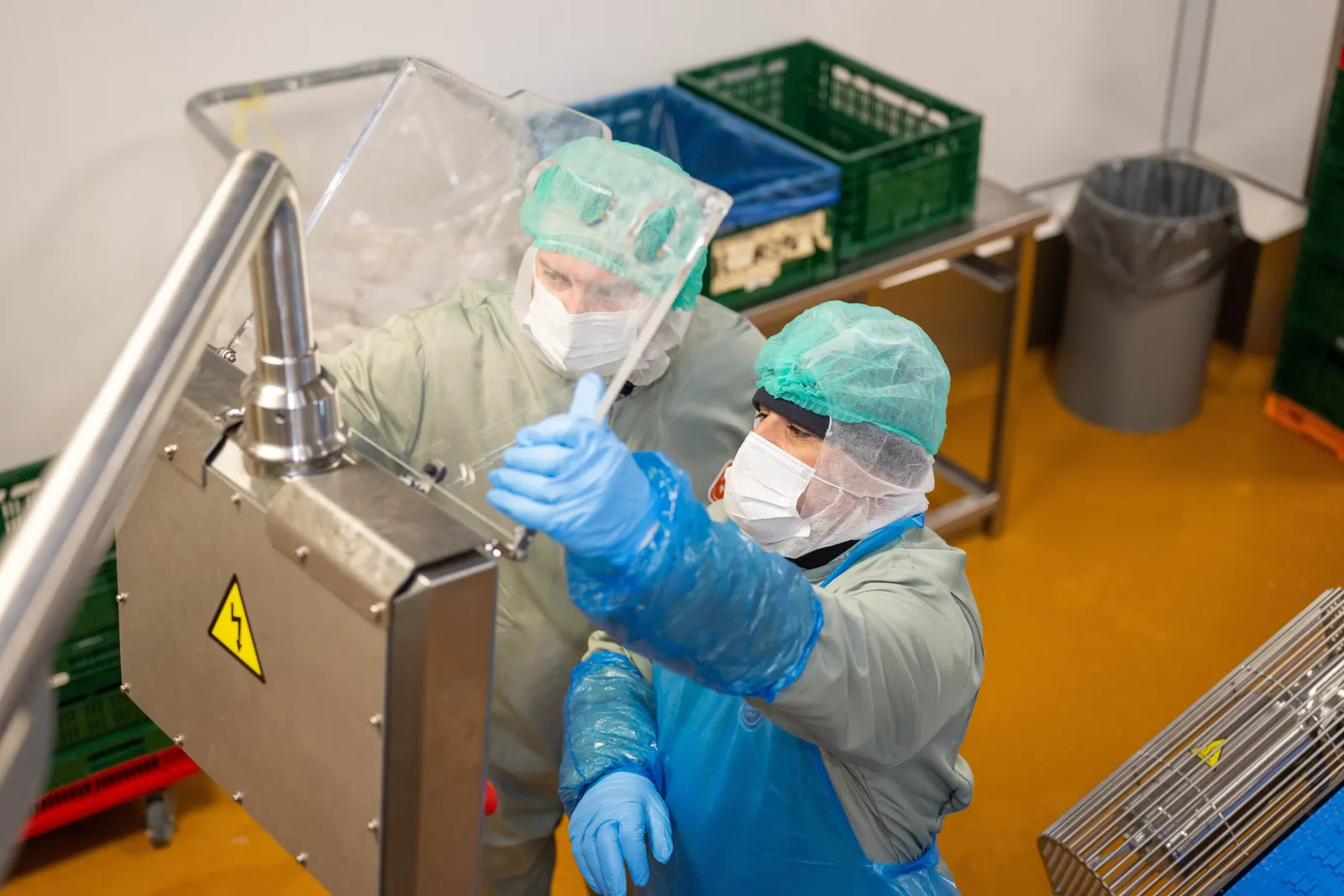
Ulma is, so to speak, at home in various departments of Colruyt Group. In early 2024, Glenn Coppieters therefore contacted the team in Schelle, which eagerly took up the challenge. "Our long-standing collaboration gave us enough confidence to take the plunge. Success was by no means guaranteed given the complexity of the product, but everyone around the table was determined to make it work," Glenn Coppieters recalls. An Ulma machine served as the starting point. "To adapt it to our needs, we often had to work by trial and error, on the one hand to feed the machine in the best possible way and on the other to ease the drop movement. Among other things, we added synchronisation hoppers between the multihead weigher and the Flowpack machine to optimise drop times, so that each pack contains exactly the right weight. It took very close consultation between us, the Ulma staff and also the film manufacturer to arrive at the result we have today."
60 packs per minute
But the result is quite remarkable. The machine was delivered in January and commissioned in February. "Today we produce more than 60 packs per minute with this machine," calculates Glenn Coppieters. "It is hard to say exactly what the gain is compared with the old machine, precisely because we had a lot of rejects before. But as packaging quality and efficiency are now much higher, we have been able to go from five to four operators on the line." Sustainability was an important objective and, in this respect, the machine has delivered far more than a simple reduction in the amount of plastic (down from 562 µm to 64 µm). "With the new machine, we can switch to pre-printed films made of 100% single material, which improves recyclability. Weight is also better optimised, saving us 7 g per pack on average. And maintenance costs are lower too."
Capacity can still be doubled
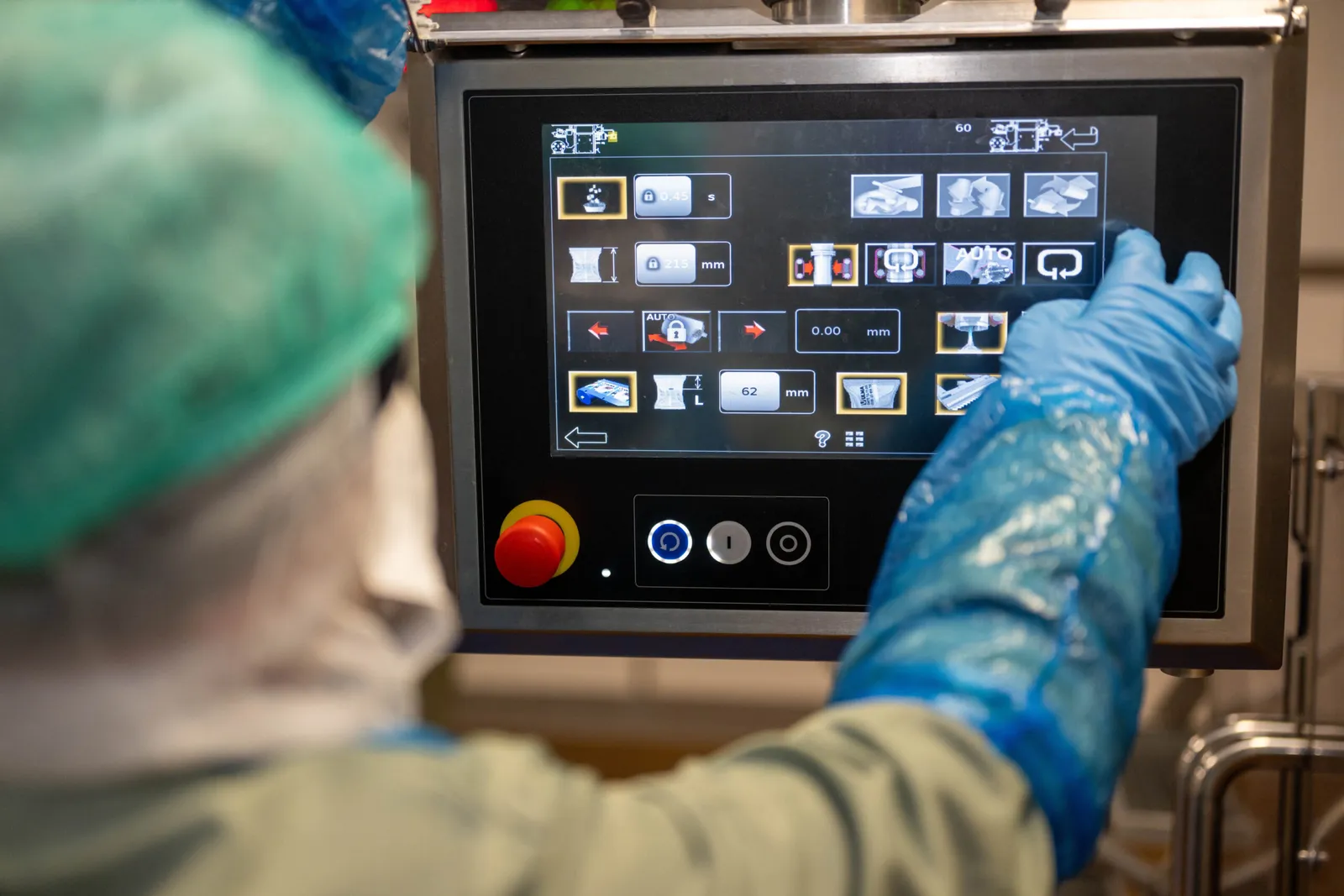
After a co-creation process lasting nearly a year, everyone is delighted. Since Easter, diced ham and bacon bits have been on the shelves in their new packaging. Fine Food Meat can thus claim to be the first Belgian charcuterie company to use a vertical Flowpack bagging machine. "A very pleasant collaboration, because everyone was very constructive. We knew exactly what we were getting into and noticed that Ulma was just as committed to sustainability as we were." And the operators? What do they think? "They see only advantages. The HMI makes the work very intuitive; everything is clear. Film changeovers are also very quick. One of the operators came to me after the installation to say that his job had become so much more pleasant. In the end, that is what we do it for." But Colruyt Group would not be Colruyt Group if the company had not already thought further ahead. "In future, we will be able to add a second line in the same space. Everything is already in place to double capacity.
Question about this story? Ask your question
Keep following this
Get an email when a new story is published. No account needed.
- ThemeImproving production process reliability
- SubjectSustainability