Haute École Charlemagne students develop an innovative, inclusive ice cream cone
Texte Geert Van Cauwenberge | Photos Fevia
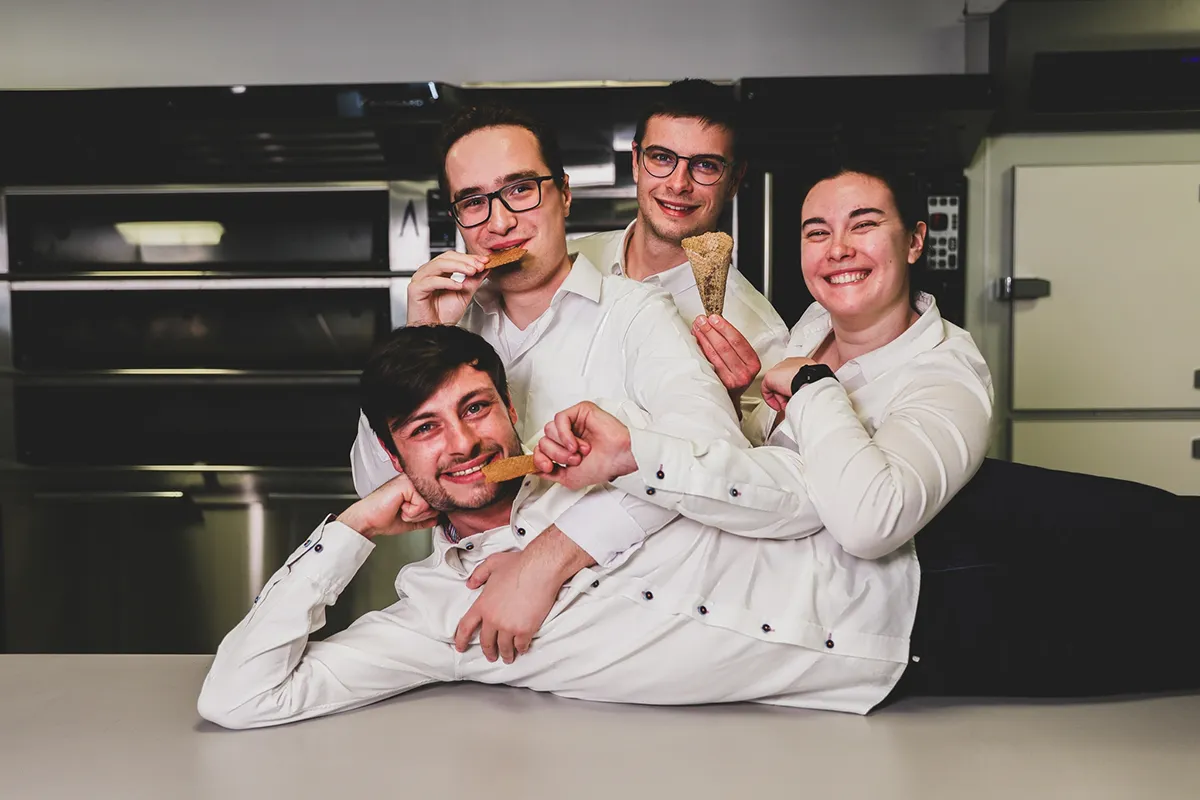
What if everyone could enjoy an ice cream without worry? Thanks to an innovative ice cream cone, Cornella, developed by students at the Haute École Charlemagne, that is now a reality. This inclusive, circular product won first prize at the Food At Work Ecotrophelia Awards, an innovation competition organised by Fevia that challenges young people to shape the food of tomorrow. The young talents are placing a strong emphasis on health, sustainability and accessibility.
With more than 100,000 employees, the Belgian food industry is the country's largest industrial employer. Yet the need for technical and scientific talent remains high. "Today, more than 6,000 positions are waiting to be filled in the sector," explains Bart Buysse, CEO of Fevia. "Companies are mainly looking for STEM profiles such as food technologists, engineers and operators. With the annual Food At Work Ecotrophelia Awards, we want to encourage young people to put their creativity to work in a career in food."
A tasty final
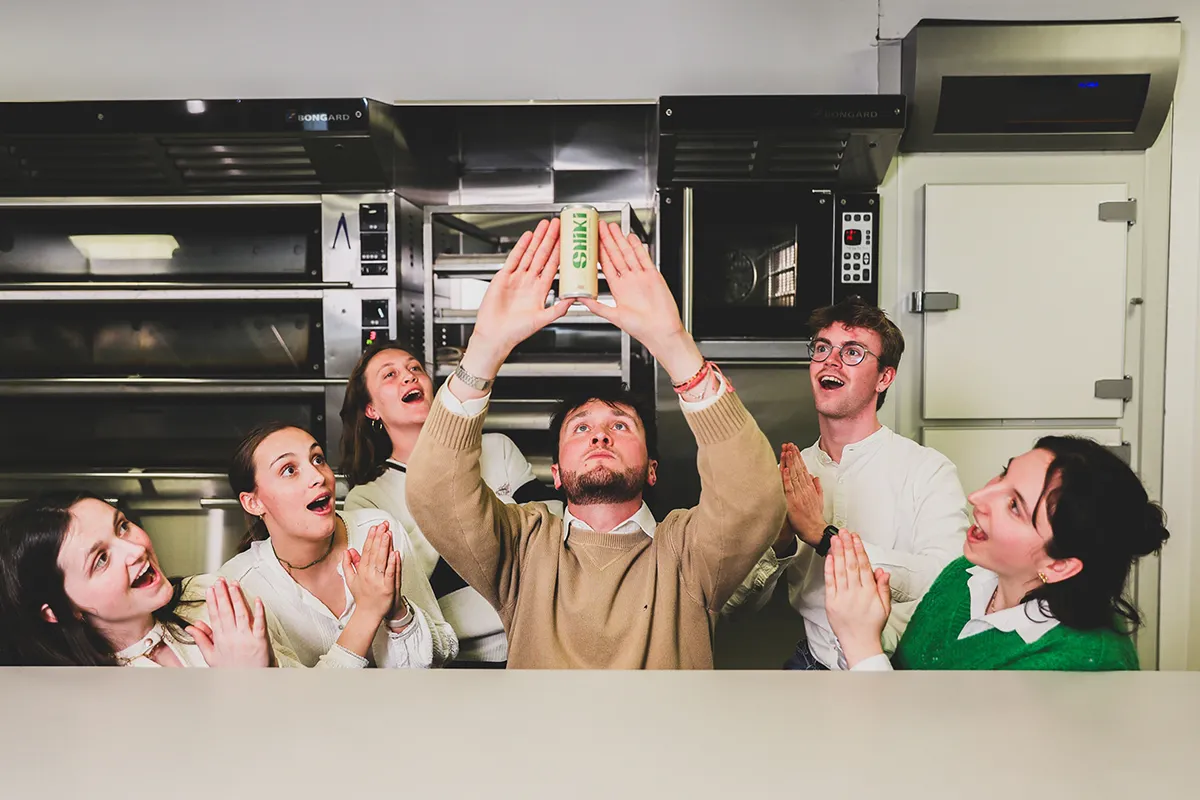
At the final of the Food At Work Ecotrophelia Awards, held on 23 April in Wavre, twelve teams of students from five university colleges and universities competed for first prize. Their mission? To develop an innovative, sustainable, market-ready food product, back their project with a solid business plan and present it to a professional jury. The jury assessed the entries on taste, technical feasibility, commercial potential, regulatory compliance and social relevance. First prize went to Cornella, an ice cream cone that allows lactose-intolerant people to enjoy ice cream without digestive problems. The students enriched the cone with a layer of syrup based on lactase, the enzyme that breaks down lactose. In addition, the cone is made from brewer's spent grain, a residue of beer production that is thus given a second life. The result: a product that stands out in terms of health, sustainability and inclusion. Second prize was shared between two other strong concepts. The team from the Université Catholique de Louvain developed Shiki, a caffeine-free sparkling drink based on lion's mane (a mushroom that boosts cognitive function), apple and elderflower. The other team from the Haute École Charlemagne launched Spirulini, an instant pasta made from spirulina and brewer's spent grain, rich in protein, fibre and micronutrients.
Health, circularity, inclusion
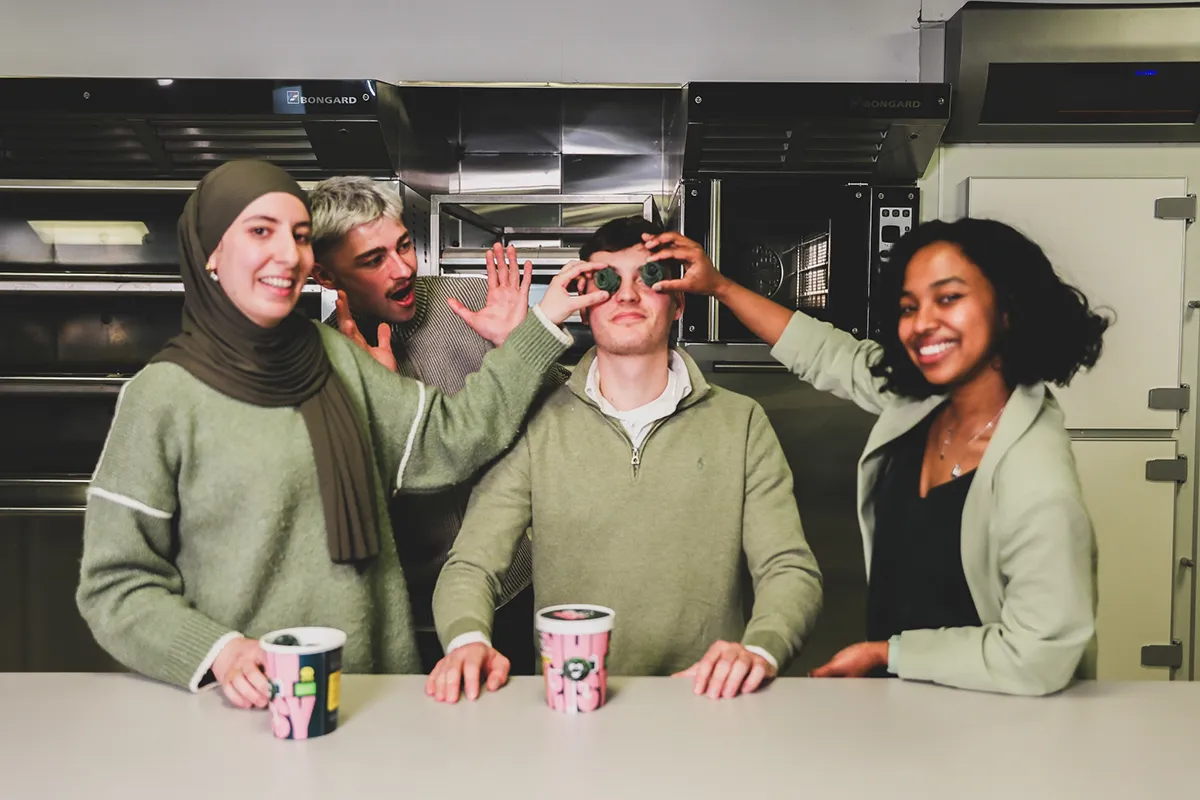
The competition highlighted three clear trends. First, health takes centre stage. Products such as Lion's Power (a plant-based energy drink), Konji (high-fibre crisps) and Dyna'shot (a health programme in five shots) show that food is increasingly used to support physical and mental health. Second, the students think in terms of circularity. They recycle waste, avoid food waste and choose plant-based ingredients. Examples include Crick'Up, a protein snack made from insect powder, and Touille-Eat, an edible stirring stick made from recycled bread. Finally, inclusion plays an important role. Innovation is not just about ingredients, but also about ease of use, affordability and new business models. Eat a Brand, for example, combines healthy drinks with B2B advertising in order to keep prices low. With Cornella as a deserving winner, the young talents prove that tomorrow's food can be healthy, environmentally friendly and accessible, without sacrificing taste or enjoyment.
Question about this story? Ask your question
Keep following this
Get an email when a new story is published. No account needed.
- ThemeDeveloping the foods of tomorrow
- SubjectNews