A coding process that keeps pace with production
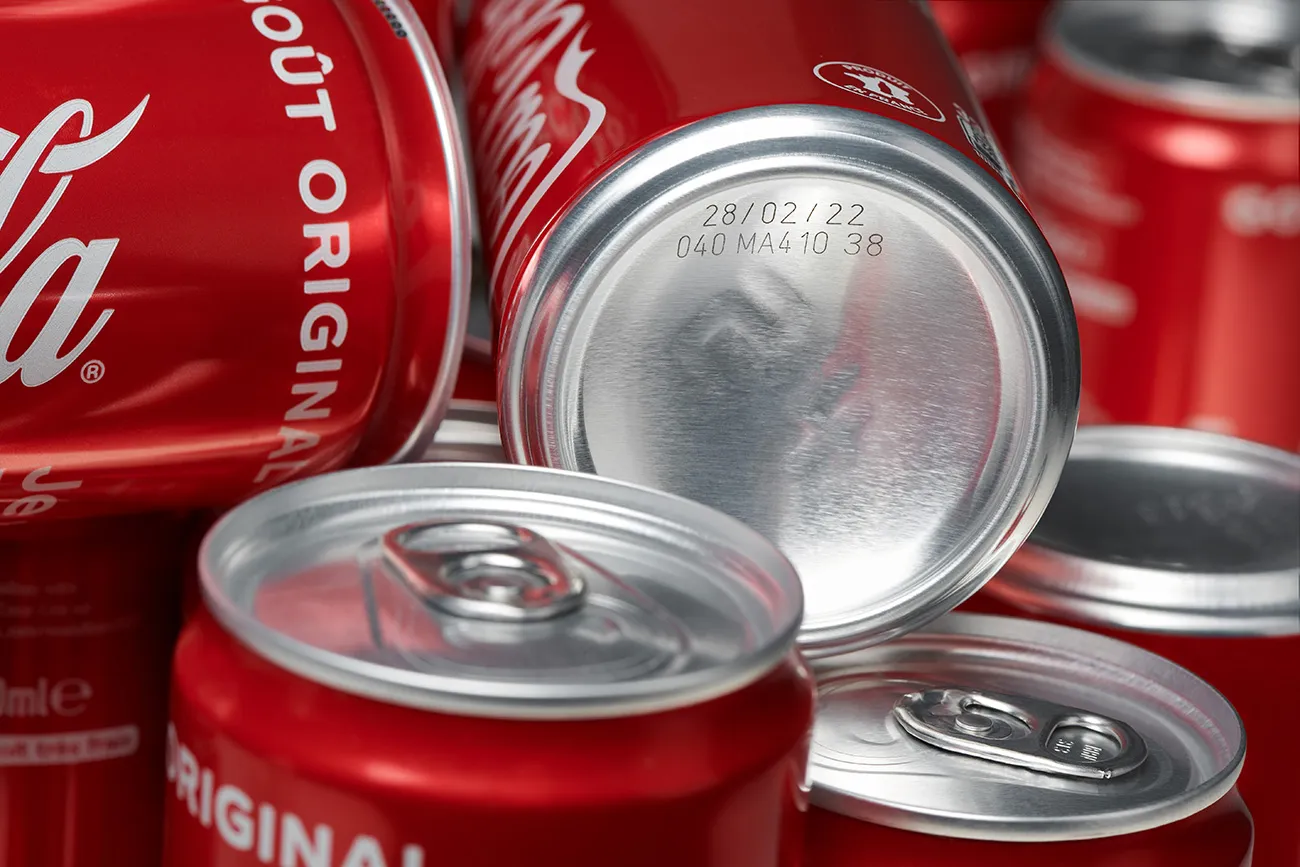
With a production speed of up to 25 cans per second, the pace is relentless at the Coca-Cola European Partners (CCEP) plant in Marseille, France. To guarantee the quality of every finished product, the plant's coding process has to keep up with production, a challenge that Markem-Imaje met with a tailor-made solution.
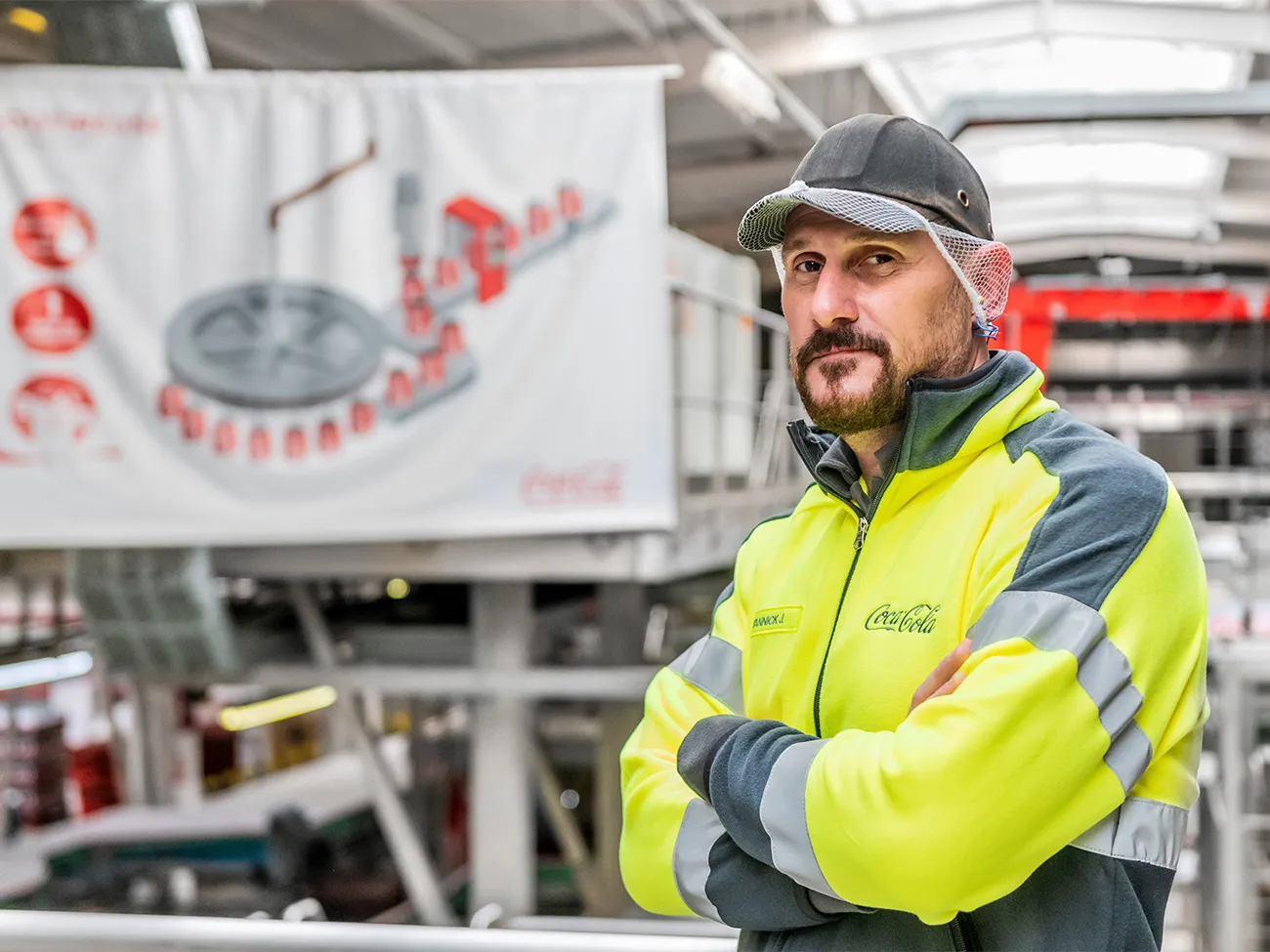
The CCEP plant in Marseille opened in 1970. Today, its 183 employees produce around 50 million cases of drinks there every year. Every hour, up to 120,000 aluminium cans leave the production lines, which are among the fastest in Europe. Reliable technology is therefore essential. Until recently, the plant used inkjet printers, a technology it wanted to replace with a more sustainable alternative: laser coding. "This change would eliminate the possibility of releasing VOCs, while making the coding more precise with a better resolution," explains Yannick Joubert, Senior Manager Plant Engineering & Technology at CCEP, summing up the main advantages. "These systems require less maintenance. We have to change the filters every year and carefully wipe the laser lens every hour, but that's all. Previously, the whole of production was regularly stopped to clean the inkjet printer heads. And because they could become blocked, we had a double-coding system to make sure the coding was always carried out." CCEP can also make savings by no longer having to buy ink or provide explosion-proof storage.
A challenging production environment
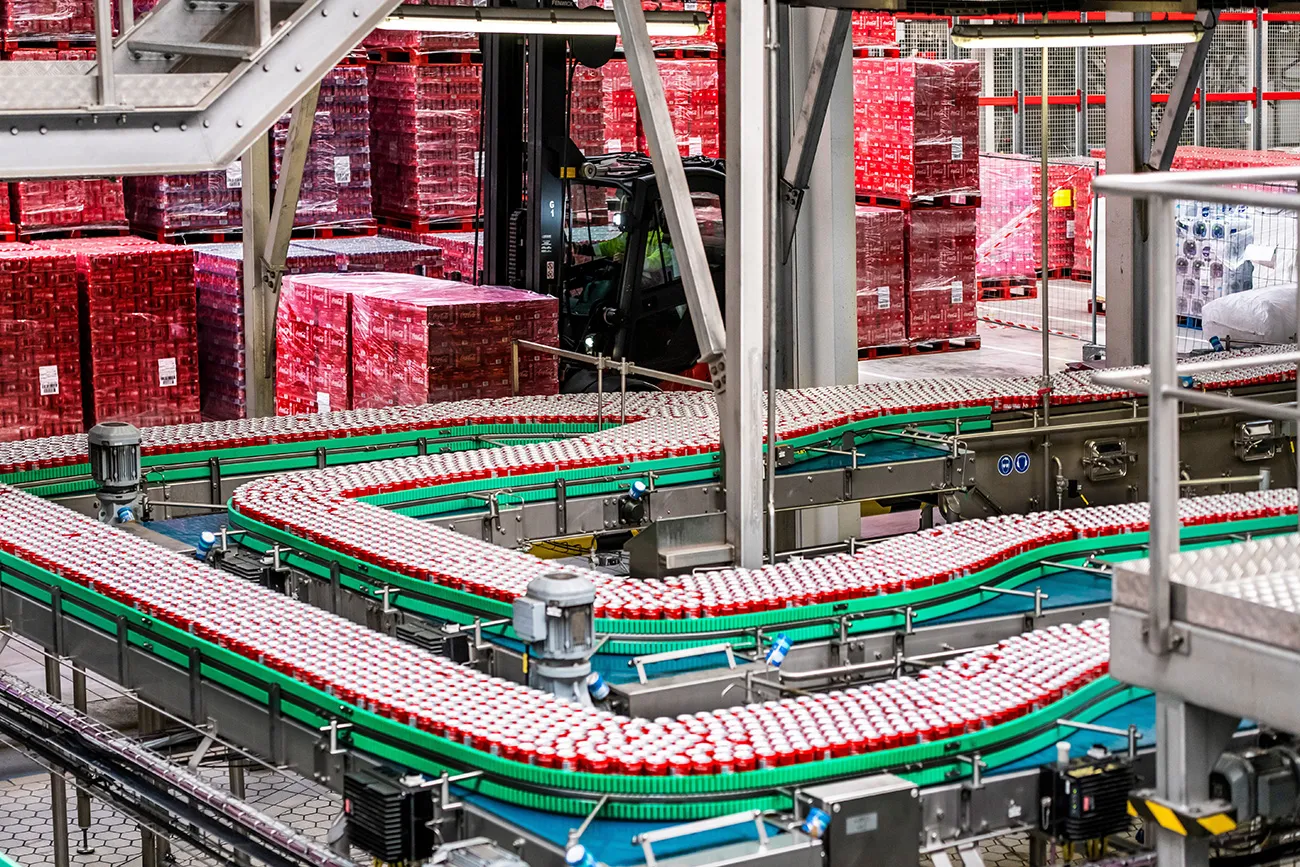
However, the production environment was not without its challenges. The aluminium can production line at CCEP Marseille is organised in two lanes which together deliver up to 25 cans per second, an exceptionally high speed for Europe. Installed at a height of around 10 m above the ground, the line is exposed to temperatures of up to 50 °C in summer. That is double the heat that traditional coding solutions can withstand. In addition, the production process releases aluminium dust, which is ultimately harmful to machinery unless an optimal extraction system is installed. In these difficult conditions, the base of each can has to be marked with two lines of 18 characters. This must be done without errors … and without compromising precision or quality. No ordinary system can handle this task. But Markem-Imaje makes it happen.
Reliable, powerful laser coders
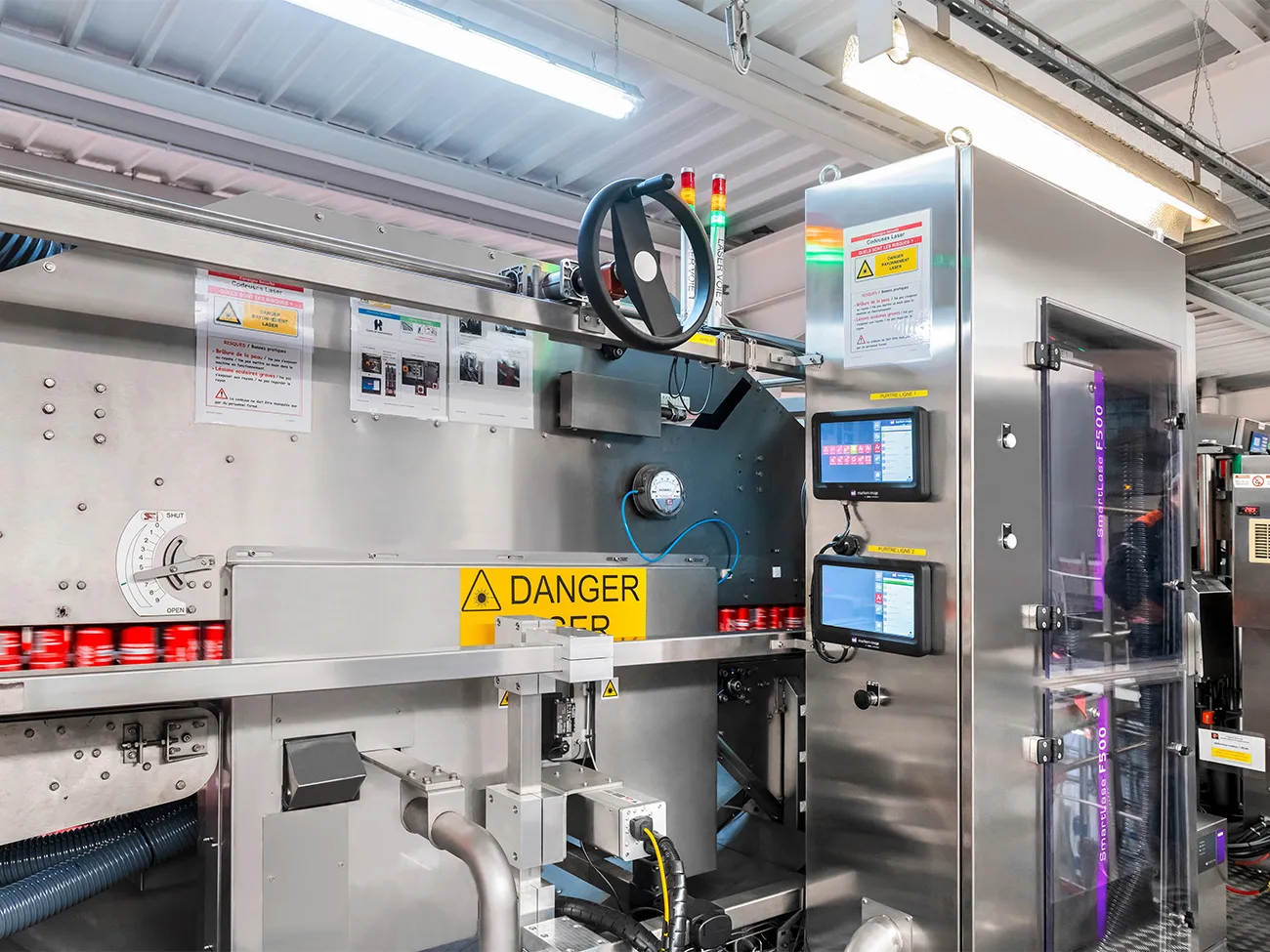
Ten years ago, Markem-Imaje had already supplied CCEP with CO2 laser coding systems for marking PET bottles. The fact that not a single incident occurred in all that time built enormous trust. "Markem-Imaje was the only player that could assure us we would have a solution capable of handling our production speed," adds Joubert. After consulting the customer, Markem-Imaje replaced the four existing inkjet printers on the aluminium can production line with two SmartLase F500 fibre laser coding machines. The upward-facing laser heads mark the base of the cans at a speed of 0.004 second per product. The installation includes cooling units and aluminium dust extractors to protect the coding machines. CCEP chose the complete package, which included the laser markers, accessories, equipment protection, installation training, preventive and corrective maintenance, and consumables (filters).
Fast and error-free
"We also greatly appreciated Markem-Imaje's responsiveness. They made adjustments to the cooling and the print signal until everything was perfectly reliable. And also the cooperation with our vision technology supplier, which checks the coding process." All the checks showed that the laser technology was working without errors. And although the installation is already running at full capacity, the Markem-Imaje teams are still making further adjustments to the laser shielding, following a new request from CCEP to work with its supplier to optimise the checking of the codes. "We are the only ones in our group, and even in the whole beverage industry, to use a laser at this speed to mark cans. This achievement has already attracted the attention of our colleagues at Socx (northern France), in Australia and in England," concludes Joubert.
A business enquiry for Markem-Imaje NV? Get in touch
Companies in this story
Keep following this
Get an email when a new story is published. No account needed.
- ThemePackaging and tracing products
- SubjectSolutions
- CompanyMarkem-Imaje NV