Full command of the production process
Texte Valérie Couplez | Photos Tereos et Valérie Couplez
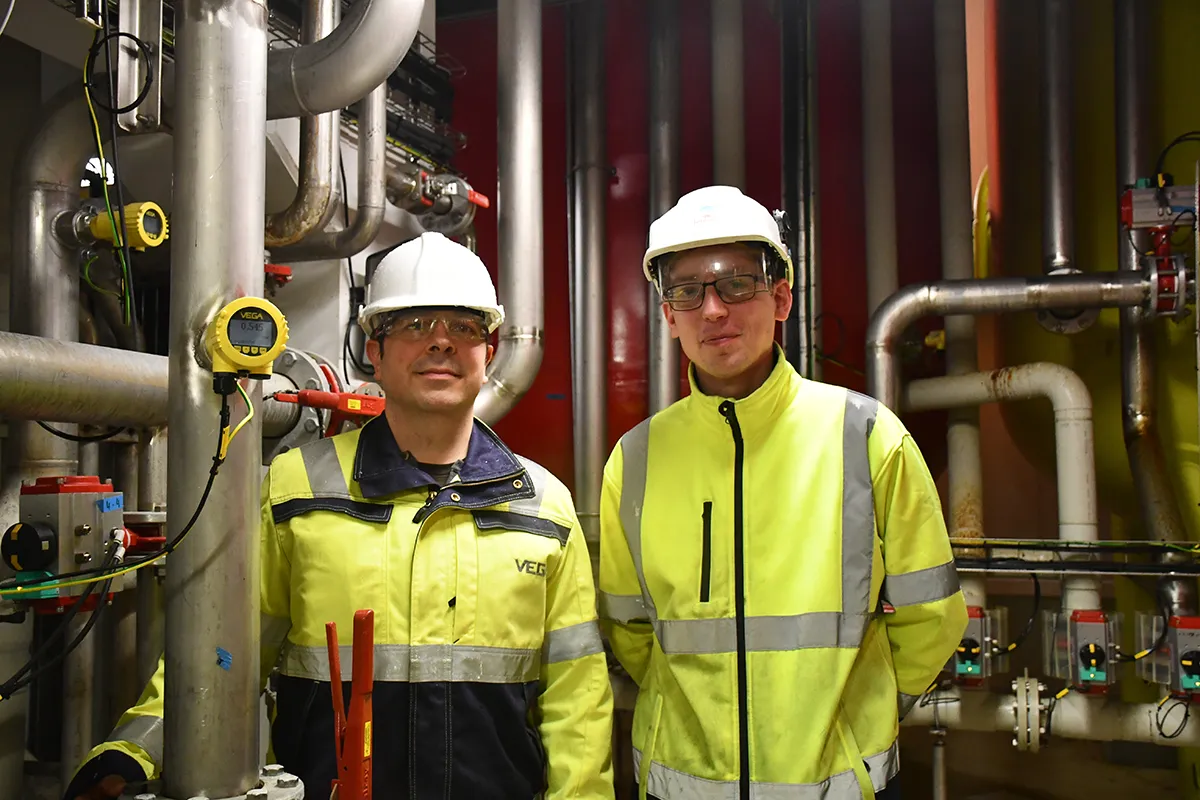
The Tereos group employs more than 20,000 people across thirteen countries. They convert agricultural raw materials into sugar, alcohol and starch to create sustainable, high-quality food products. But the products also find their place in the energy, animal feed, green chemistry, pharmaceutical, cosmetics, paper and cardboard sectors. For perfect control of its production processes, Tereos Starch & Sweeteners Europe in Aalst relies on VEGA level and pressure sensors.
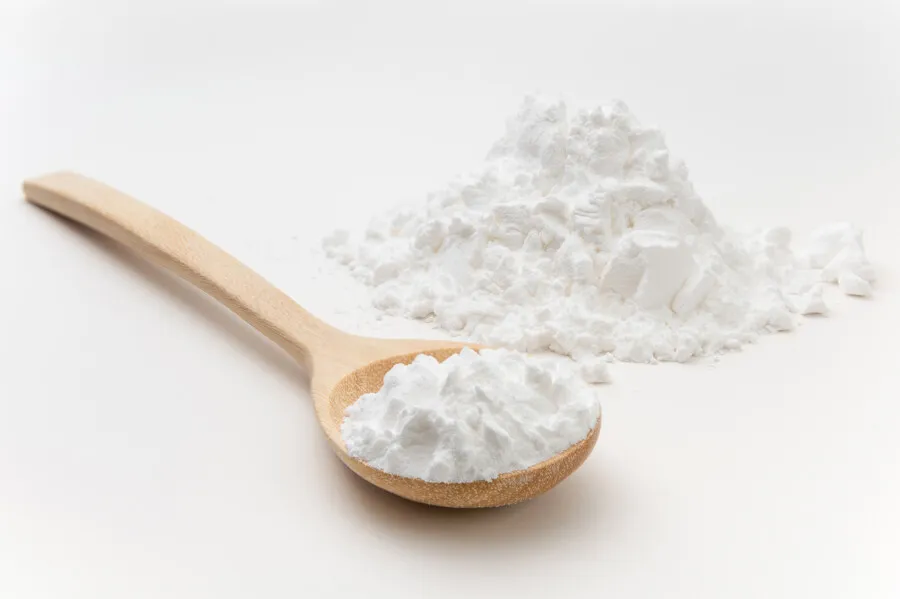
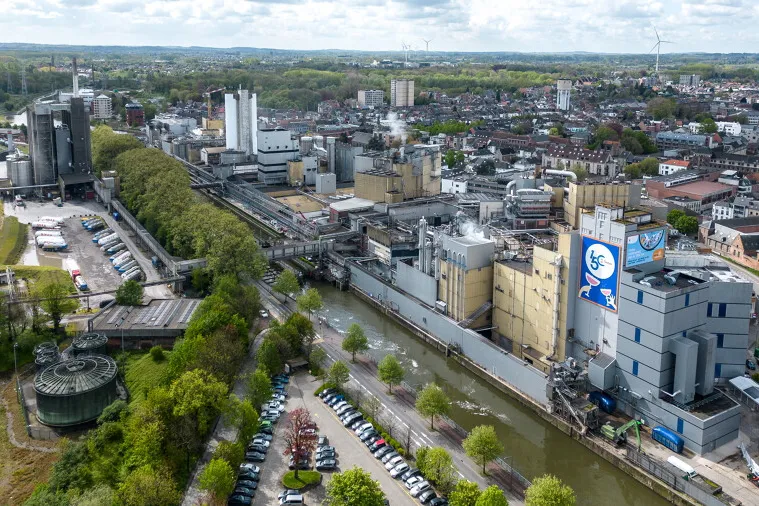
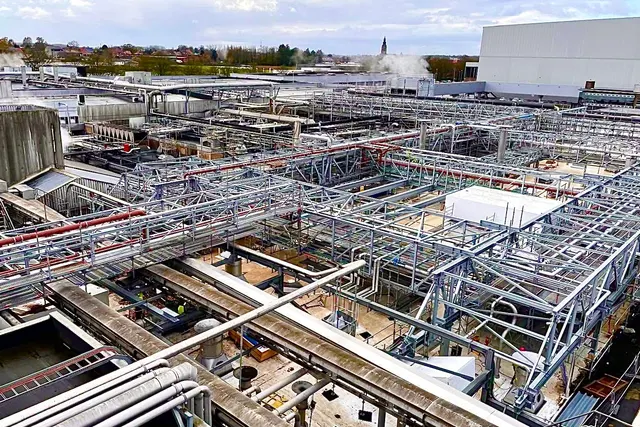
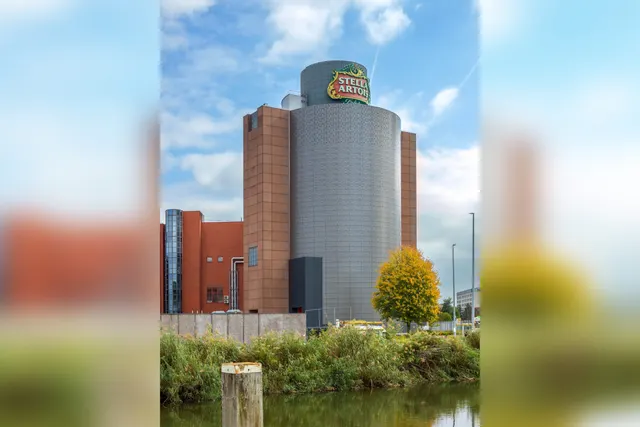
Did you know that Aalst had an island for almost a hundred years? It was created when the Dender was straightened in 1867 and disappeared again when a former arm of the Dender was filled in in 1962. It was then reconnected to the rest of the town on one side. Since 1873, a glucose factory has stood in the middle of this island, known as "Chipka": Callebaut Frères & Lejeune. Over the years, the business even expanded to cover the entire island. Today, the plant belongs to the French group Tereos. "The former maize processing has given way to a wheat-based starch process," explains Peter Joos, Engineering Manager Starch & Sweeteners at the Aalst plant. "What is unique about what we do is that we extract basic molecules from wheat and then convert them enzymatically into other molecules that are difficult to extract from plants. So we make them to order rather than extracting them."
A complex process
Not only the raw materials but also the processes can be called unique. "Turning wheat into sugar is a complex process. It takes knowledge, experience and resources. Our starting point is that nothing of the wheat grain should go to waste. That is what allows us to be profitable in what we do." First, the chaff and the wheat are separated. After milling the wheat into flour, Tereos extracts the gluten by adding water to remove the starch. "Gluten is a highly sought-after building block, used among other things to improve bread. But we can also add value to the process water. We ferment the residual fractions it contains to make bioethanol."
Tailor-made sugar syrups
But the heart of Tereos's activities remains the saccharification process itself. "We make no fewer than 200 different sugar syrups here, which we also blend ourselves into tailor-made products for our customers. We always give them the right sweetening power and properties for their application. These are always foods, but we look at them from a scientific angle so that we can keep innovating. This means we can react very quickly to trends in the sugar market so as to always deliver the right taste experience."
Building your own installation
The reason not everyone has switched to this raw material is the complexity of the production processes. "We are really in a niche market. For example, there are no machine builders dedicated exclusively to this process. So we build what we need ourselves, based on the specifications we pass on to manufacturers of components such as evaporators or distillation columns. That works best: our experience tells us exactly how sugar will behave. And if there is a problem, we have the in-house know-how to resolve faults."
A Swiss army knife
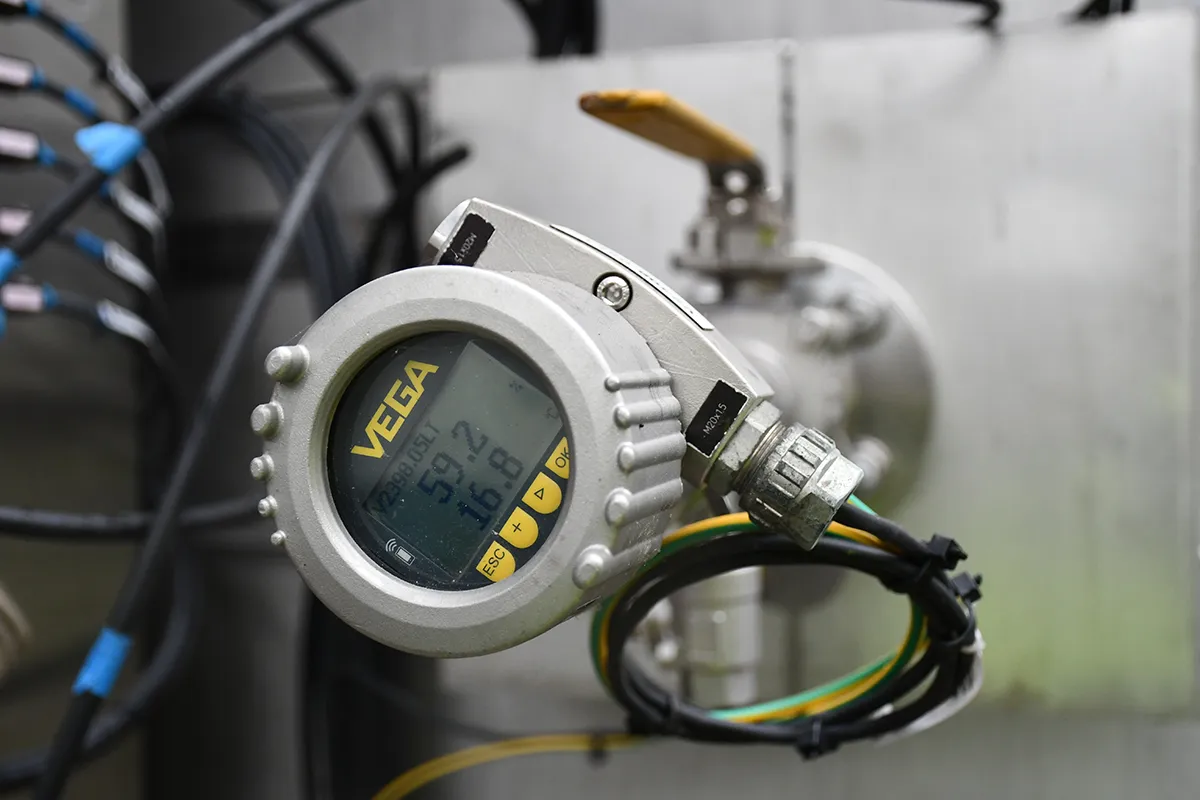
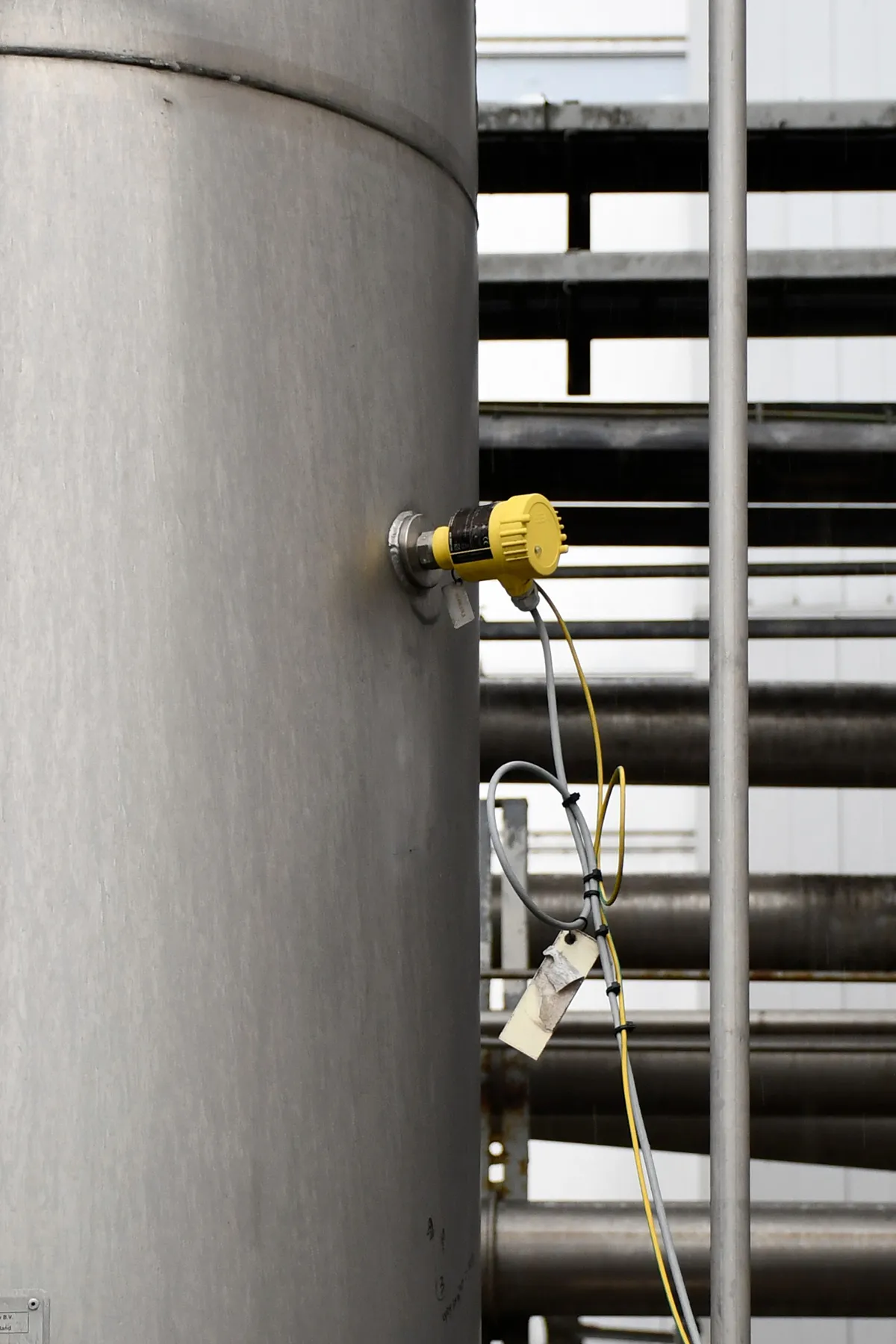
To keep a close watch on these processes, Joos and his team have for years regarded VEGA level and pressure sensors as the standard. "Even before I started working here," Joos admits. "The quality and reliability of VEGA instruments are beyond dispute. They have amply proved it over the past decades in our very demanding production. What also suits our way of working so well is that VEGA sensors are like a Swiss army knife. You can always use the same transmitter, even if the process is completely different. On the website, you simply configure what you need in terms of material, connection, housing and display, depending on the specific application. And the range is wide: from sensors suitable for direct contact with foodstuffs to ATEX-certified sensors... This gives great peace of mind and makes stock management easier."
New water treatment
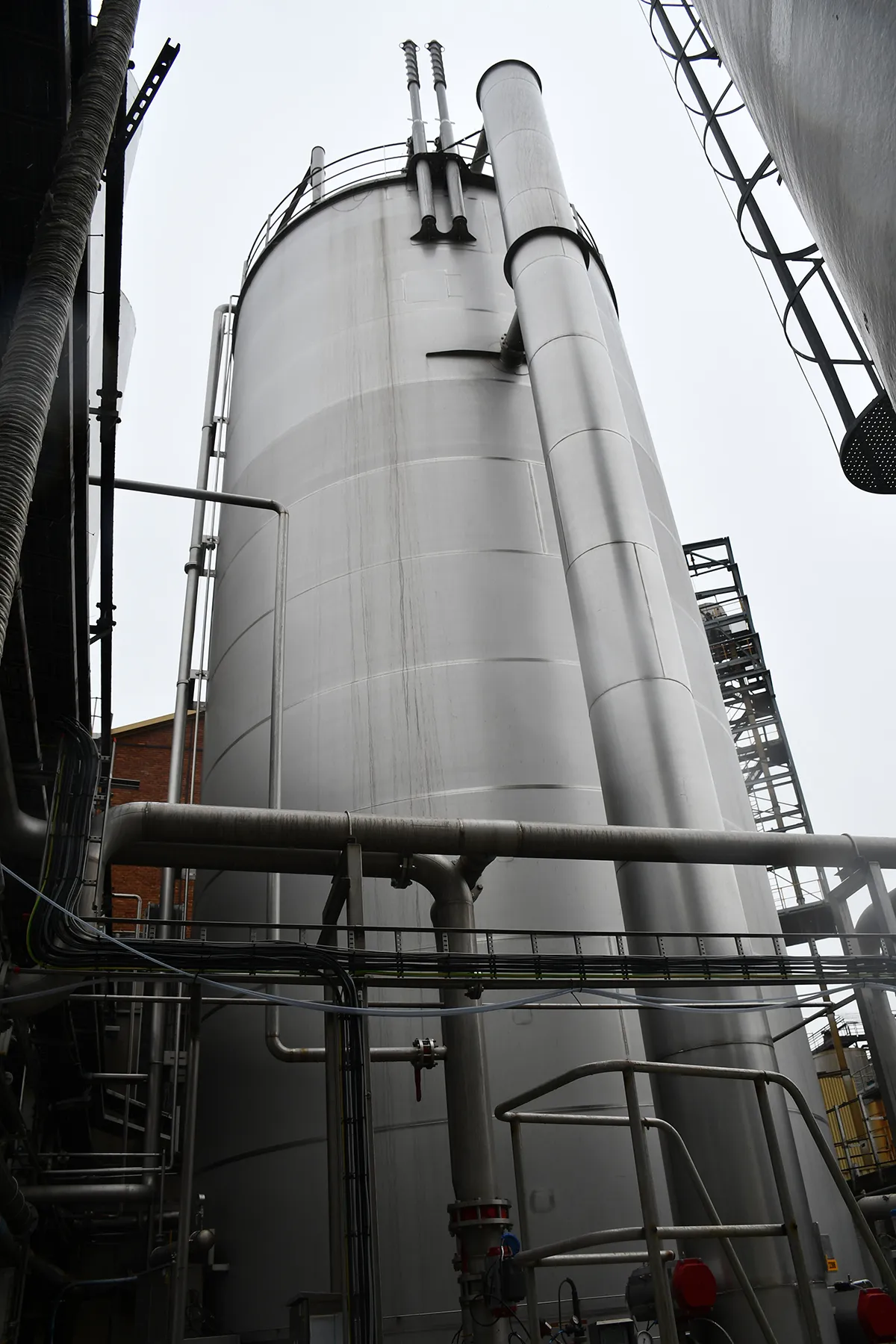
Joos also appreciates the technical support provided by the Belgian team. He cites the example of the wastewater treatment plant installed in 2022. "We are in the middle of the town. That is why we do everything we can to reduce the impact of our activities. Since the 1980s, we have used anaerobic reactors to purify our waste streams. We use the biogas created as a by-product to generate green electricity. I told you we waste nothing here," Joos says with a smile. But the best available technologies of the time are not those of today. By introducing a new technology, Tereos was able to replace the two 1,200 m³ reactors with a single 700 m³ reactor, with equally good results.
"Looking inside the tank"
Operational reliability is indeed crucial, particularly for a tank in which biogas is generated and from which odours can escape. "So we cannot simply open a manhole to see what is happening inside the tank. We have to rely entirely on our instruments. Thanks to Rudy (Cousin, Key Account Manager and VEGA's contact for Tereos), we knew exactly which instruments to choose and how many, so that we could, in a sense, look inside the tank, for perfect control." Tereos monitors the liquid level using hydrostatic pressure gauges and compares it with a radar, which also shows whether a layer of foam is forming on the surface of the liquid. Joos: "This foam layer harms downstream processes and is suppressed inside the tank using a spray system and additives." The biogas line is dried by siphons that are continuously irrigated. "If that is not the case, we face a leak of gas and odours. The correct functioning of these siphons is monitored continuously by VEGA sensors that check both the gas side and the liquid side. As soon as the two sensors give an illogical signal, we know immediately that there is a problem. If only one of the two sensors indicates an anomaly, a pre-alarm gives us time to intervene. So we apply the belt-and-braces principle here."
High-fructose syrup
Even in the most difficult conditions, VEGA's instruments perform their task perfectly at Tereos. One very particular application is, for example, the production of F95 high-fructose syrup. A product that really makes a difference in Aalst. "Standard glucose-fructose syrup has the same sweetening power as crystallised sugar. We go further by sending this glucose-fructose syrup through a chromatography column. It is filled with resin beads loaded with calcium ions, to which the fructose adheres more strongly, so to speak. It therefore flows more slowly through the resins than the glucose. This gives a syrup containing more than 95% fructose. A perfect raw material for bioplastics or, thanks to its strong sweetening power, a 'light' alternative to ordinary sugar."
Blind trust
An innovation that has proved particularly popular on the market. That is why Tereos is currently doubling its existing capacity. With the help of VEGA technology, of course. "Because it is essential to follow the process closely. Thickening, for example, is done by mechanical vapour recompression. We have to measure the vacuum very precisely. Fortunately, we can rely blindly on VEGA's instruments. Nothing is more pleasant than a process that does what it is supposed to do. The sensors make this possible, provided the threshold for use is low enough."
Ease of use
This is another area where VEGA stands out, according to Joos. "The latest generation of sensors can easily be connected via Bluetooth and the VEGA Tools app. So electrical skills are no longer needed to install them or add them to a new design. Our mechanical engineers can do it just as well thanks to the availability of 3D models, which lets us think better in advance about where they go in the pipework, where the cable trays go, how accessible they are for maintenance... I also see this as excellent support," Joos concludes.
A business enquiry for VEGA N.V.? Get in touch
Companies in this story

Keep following this
Get an email when a new story is published. No account needed.
- SubjectSolutions
- CompanyVEGA N.V.