












5 reasons for quality managers to go digital
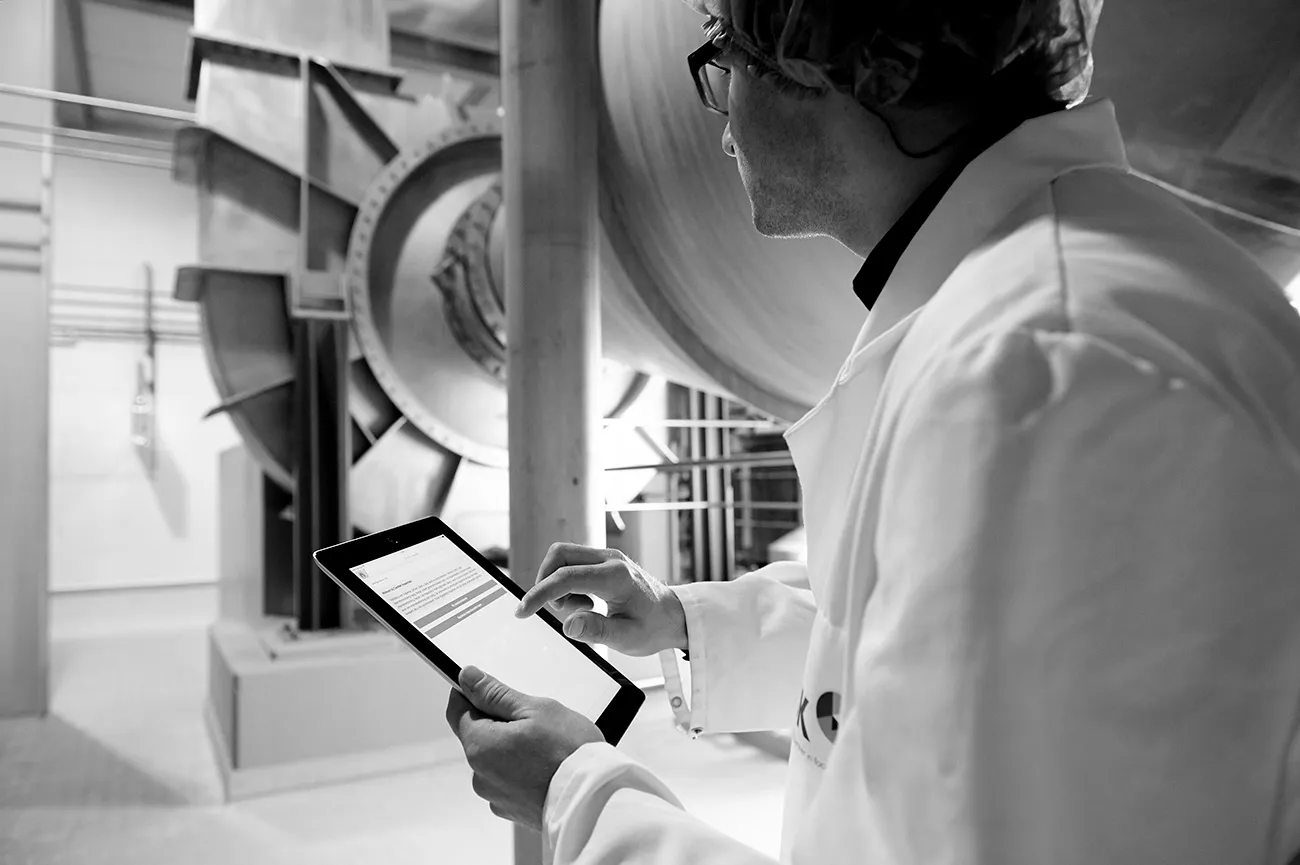
Today’s quality manager cannot ignore digitalisation: it offers solutions to a range of challenges. But why exactly? Drawing on real-world experience, we have set out five reasons why digitalisation is essential for the modern quality manager.
1. Get more done in the same amount of time
The reason we hear most often in practice is the lack of time in the quality department. In recent years, requirements in legislation and regulations, as well as various certification standards, have become much stricter. This includes measures you need to take to tackle food defence and food fraud, and to foster a Food Safety Culture. As the number of quality-related tasks grows, expanding the quality department is not always the obvious solution. Many companies are therefore looking for ways to get more work done within the time available. Digitalising quality processes gives you access to automated calculations, so you no longer have to carry out trend analyses yourself or calculate the nutritional values of the finished product, for example. At companies that have taken the step towards digitalisation, this has shifted the focus. Instead of administrative tasks, the focus is now much more on implementing continual improvements. Ultimately, this is the step required by various food safety standards. It is no coincidence that the first paragraph of chapter 1 of the BRCGS standard is entitled ‘Senior management commitment and continual improvement’.
2. Reduce the risk of errors
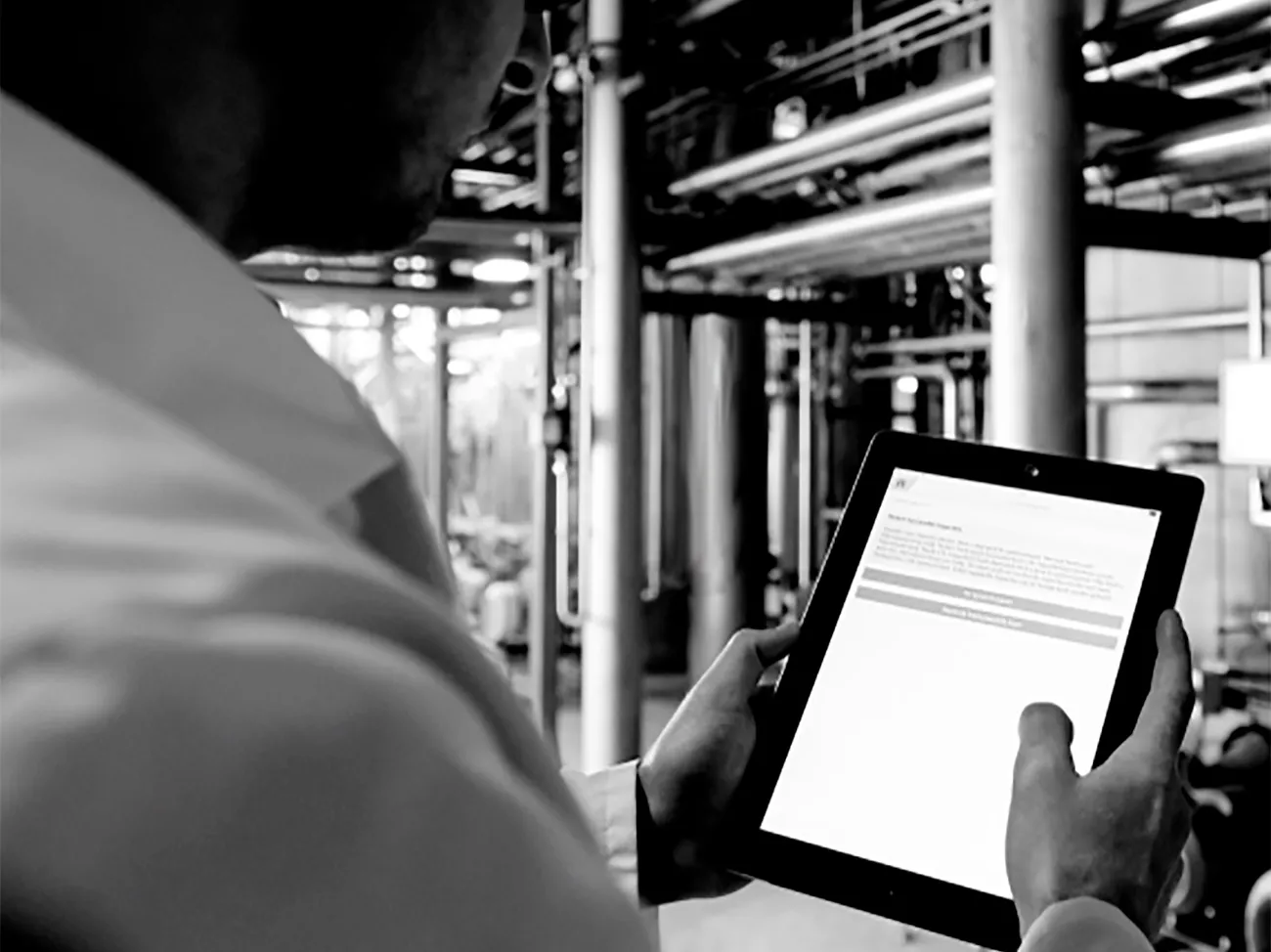
When you carry out numerous calculations manually, it is easy to make a mistake. The same applies to entering data more than once in different programmes and systems. A small error can have serious consequences, including food safety risks for consumers or significant costs and reputational damage for your company in the event of a recall. Automation helps you avoid such errors. One example is digitalising specifications: raw material data and recipes can be turned into finished product specifications in just a few clicks, with nutritional values, ingredient declarations and allergen information calculated at the same time.
3. Build a Food Safety Culture
Whether you work for a large multisite business or a small company, quality assurance needs the support of the entire organisation. You can write an excellent quality manual, but what ultimately matters is whether procedures and instructions are followed in practice. Multisite businesses face an even greater challenge. If a central quality department oversees several sites, how do you reach every member of staff on the shop floor? A digital online quality management system makes this much easier by allowing you to share documents and actions across the entire organisation. With online QA software, training employees as soon as procedures are introduced or changed is no longer a pipe dream, but a reality. This makes it easier to build a Food Safety Culture, which is also a requirement of various certification standards.
4. Transparency
With legislation, regulations and certification standards imposing ever more requirements, sharing information both internally and across the supply chain is now a daily task for the quality department. This creates a considerable administrative burden, with information having to be requested and sent repeatedly. You may keep a separate record of which information is up to date, but before you know it, you are spending the whole day sending emails and filling in spreadsheets. A digital online quality management system lets you quickly share up-to-date information with a range of people, including your colleagues. It is not only more efficient for your quality department, but also more transparent than ever.
5. Secure data management
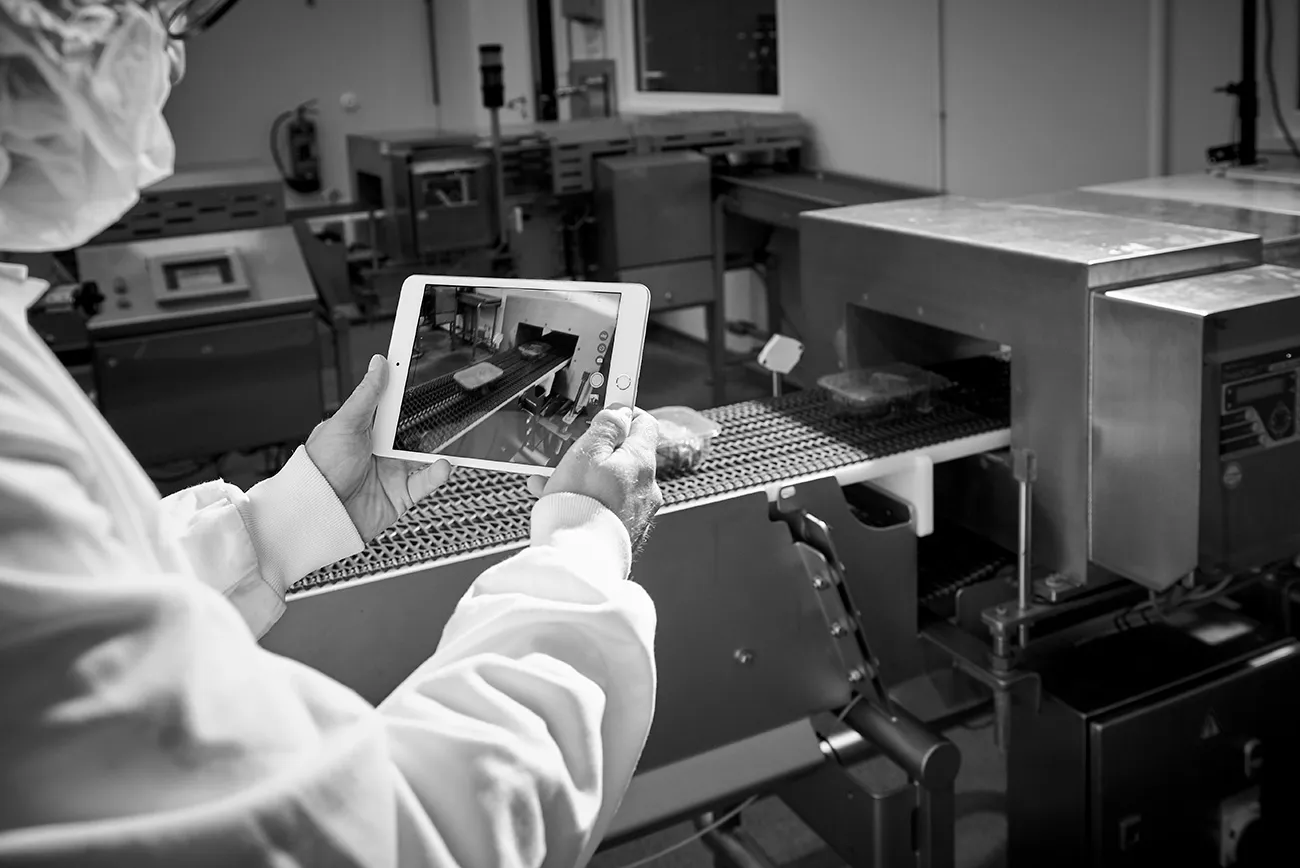
Misplaced documents, papers lying around, missing record forms. These are just some of the situations quality managers encounter in practice. You obviously do not want your instructions and recipes to fall into the wrong hands, or to lose a week’s worth of completed record forms. Around five years ago, we still found that some companies were wary of working in the cloud. Fortunately, more and more people now recognise that this is the way to manage data today. Requirements for secure data management and reliable backups are also becoming increasingly stringent in certification standards such as BRCGS, IFS and FSSC 22000. With a secure cloud application, you can be confident that you can access your data anytime, anywhere, and that it will not be lost. Various security requirements ensure that unauthorised users cannot access your data and that the quality management system remains your company’s property.
To digitalise or not?
Digitalisation helps quality managers and departments maintain a clear view of food safety and product quality at all times. Even so, switching to QA software is not something everyone can do overnight. After all, how can an already overstretched quality department find the time to implement new software as well? We have, of course, anticipated this. Our QA software consists of different modules, and you choose which ones to implement and when. You may also be wondering which solution is best suited to your company. Every company is different and faces different challenges. We would be happy to give you a no-obligation demo at your premises, so that we can answer your questions. In short, there is really only one conclusion: go digital.
Which solution are you looking for?
Would you like your quality department to take a step towards digitalisation? Contact us for more information or book a free demo.
Question about this story? Ask your question
Keep following this
Get an email when a new story is published. No account needed.
- ThemeFood safety from design to audit
- SubjectFood safety







