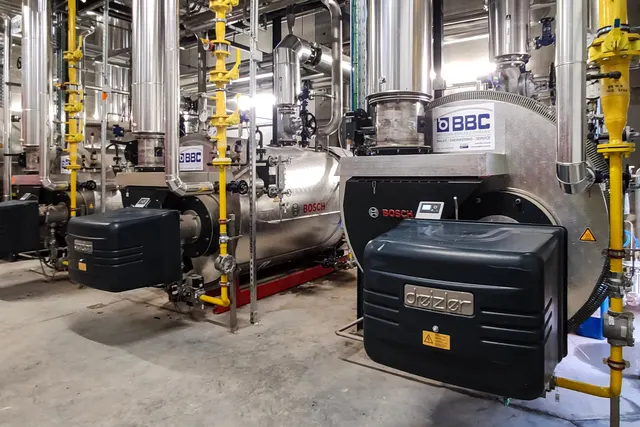
Invisible but critical: the inside of the weld
Text and images Pivaco
In industrial pipework, assessments usually focus on what is visible: the finish, the straight run, the appearance of the weld. But in the food industry, the real quality lies on the inside, where the product flows. A weld that looks impeccable on the outside can still pose a hygiene risk on the inside. Pivaco explains why the welding dossier is just as important as the weld itself.
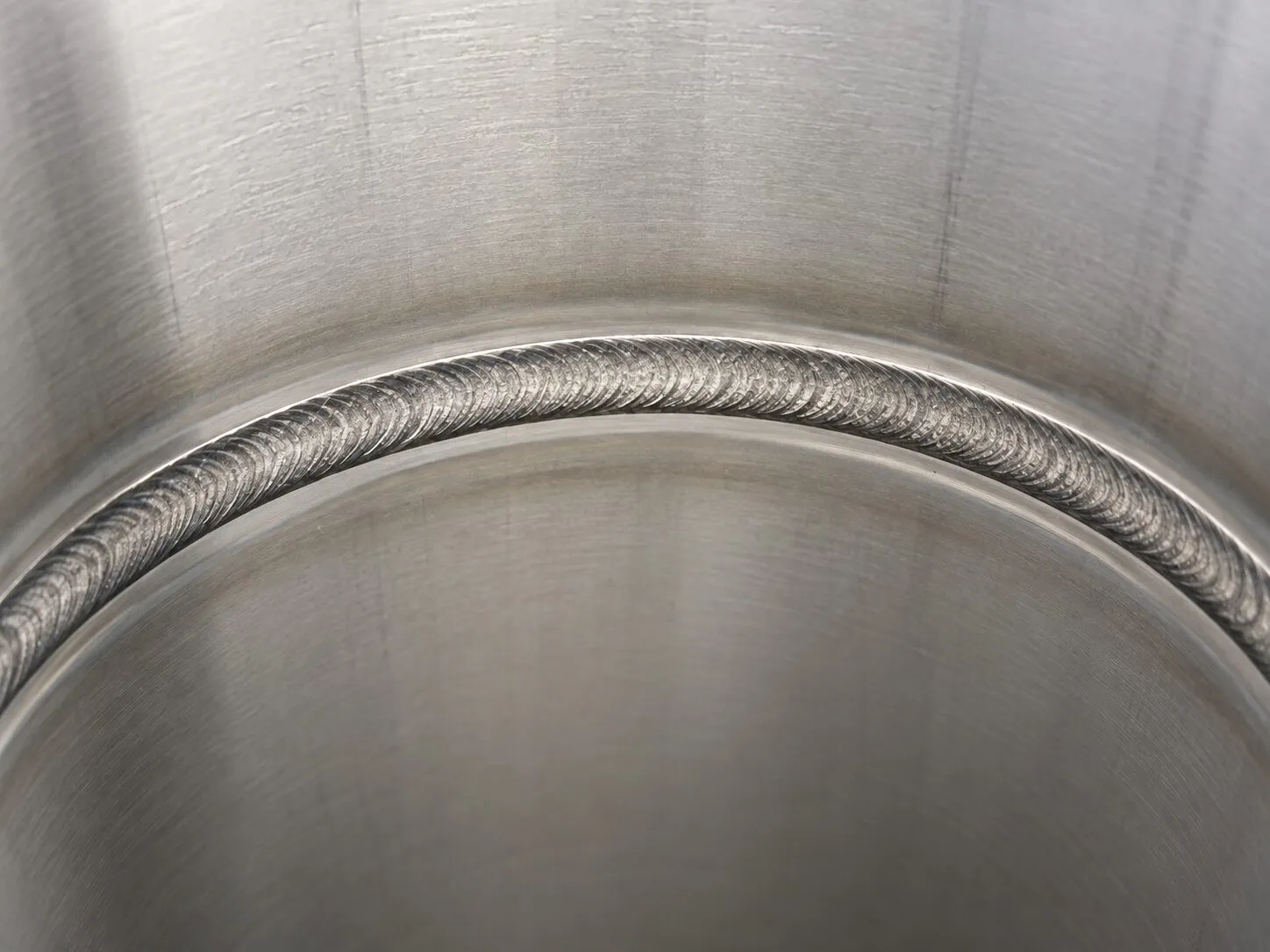
When a new installation is commissioned, what you see is a gleaming pipe run. What you cannot see is what happens in the split second when two pipe ends fuse. That is when it is determined whether the installation will still be cleanable ten years later, or whether residue will build up in places no one ever inspects. “For process pipes in direct product contact, weld quality is often more critical than the parent material itself,” says Jeffrey Nicque, Project Leader at Pivaco. “You can use the best 316 stainless steel, but if the root penetration is inadequate or oxidation occurs on the inside, you have still compromised your hygienic performance.”
What happens on the inside
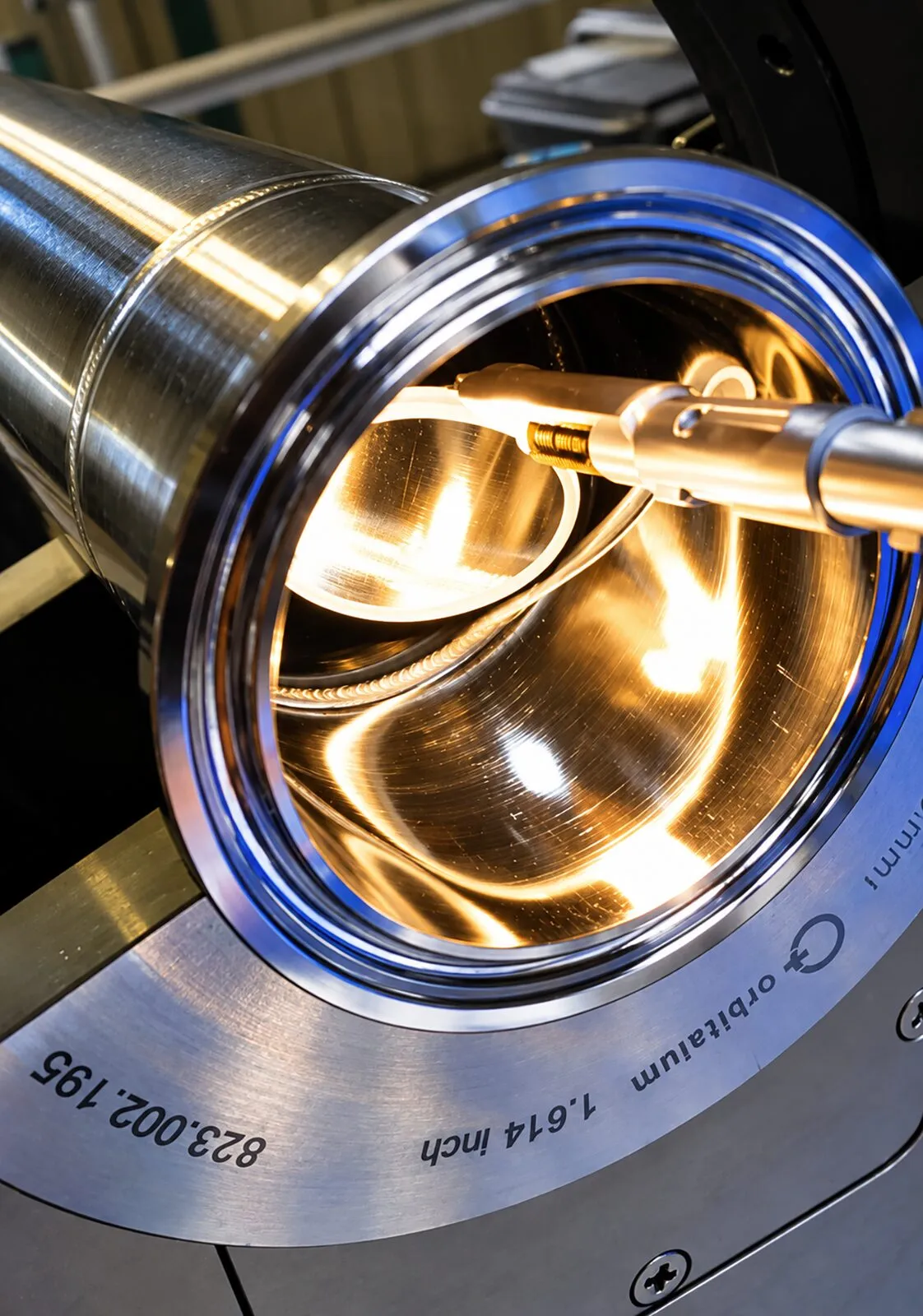
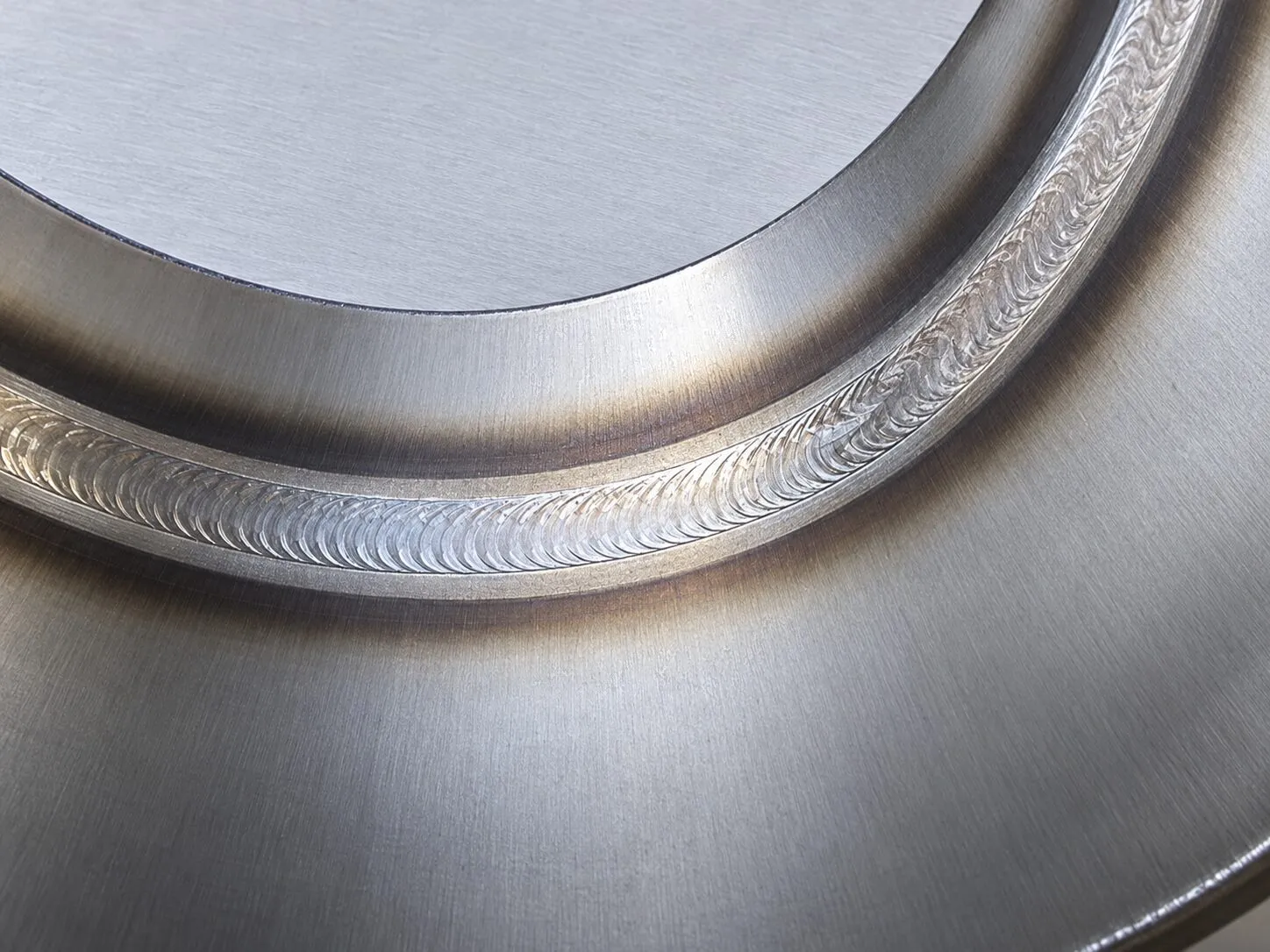
When stainless steel is welded, oxidation forms on the reverse side of the weld as soon as oxygen comes into contact with the heated metal. This discolouration, from pale yellow to deep blue, is not merely cosmetic. It indicates damage to the chromium oxide layer, the very layer that gives steel its corrosion resistance. That is why backing gas is used: argon shields the inside of the pipe during welding. “That takes time and uses gas,” says Nicque. “But the alternative is a weld that looks perfect on the outside and creates a point of attachment for micro-organisms on the inside. On a filling line, that is no theoretical risk.”
From procedure to proof
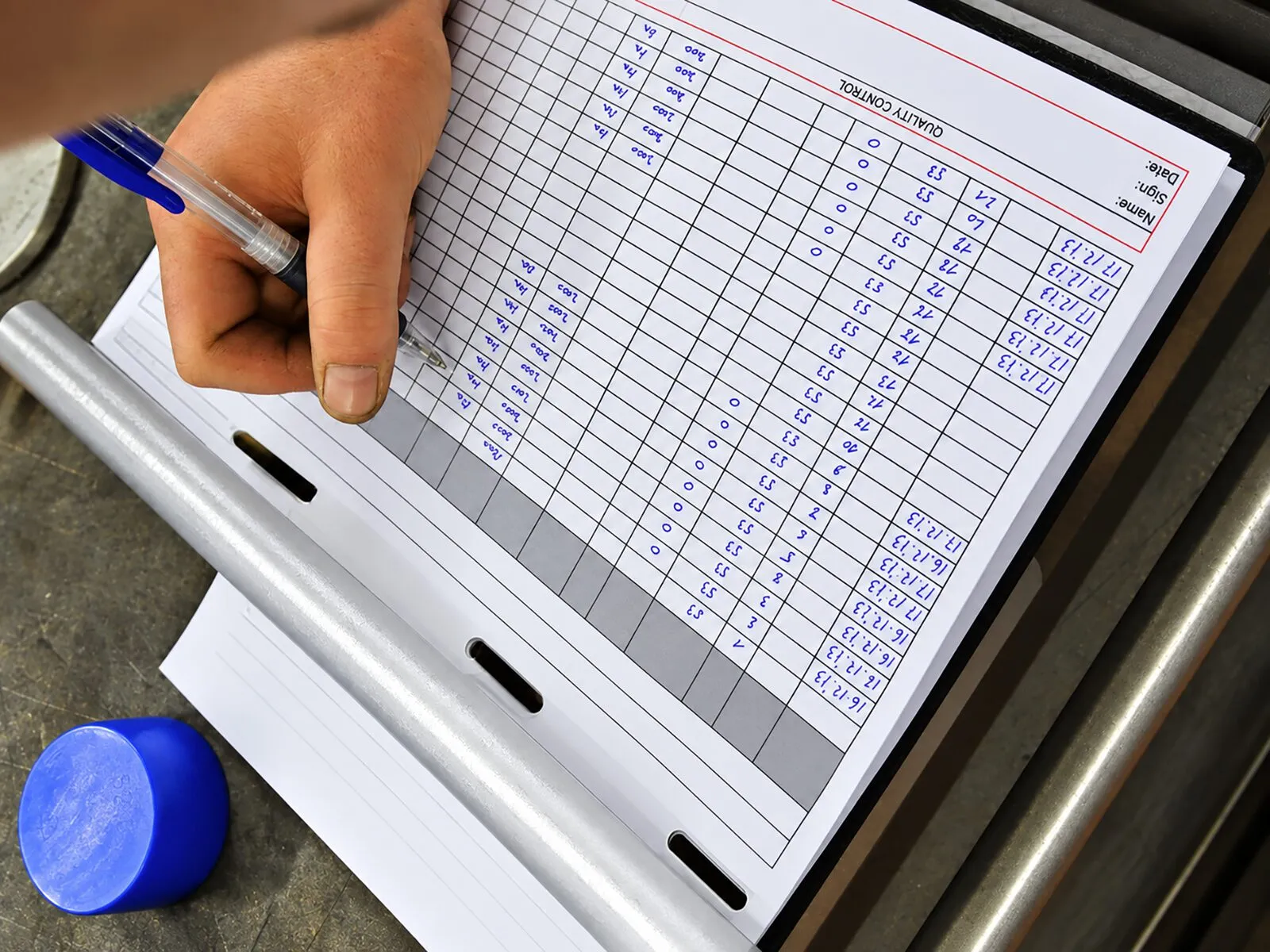
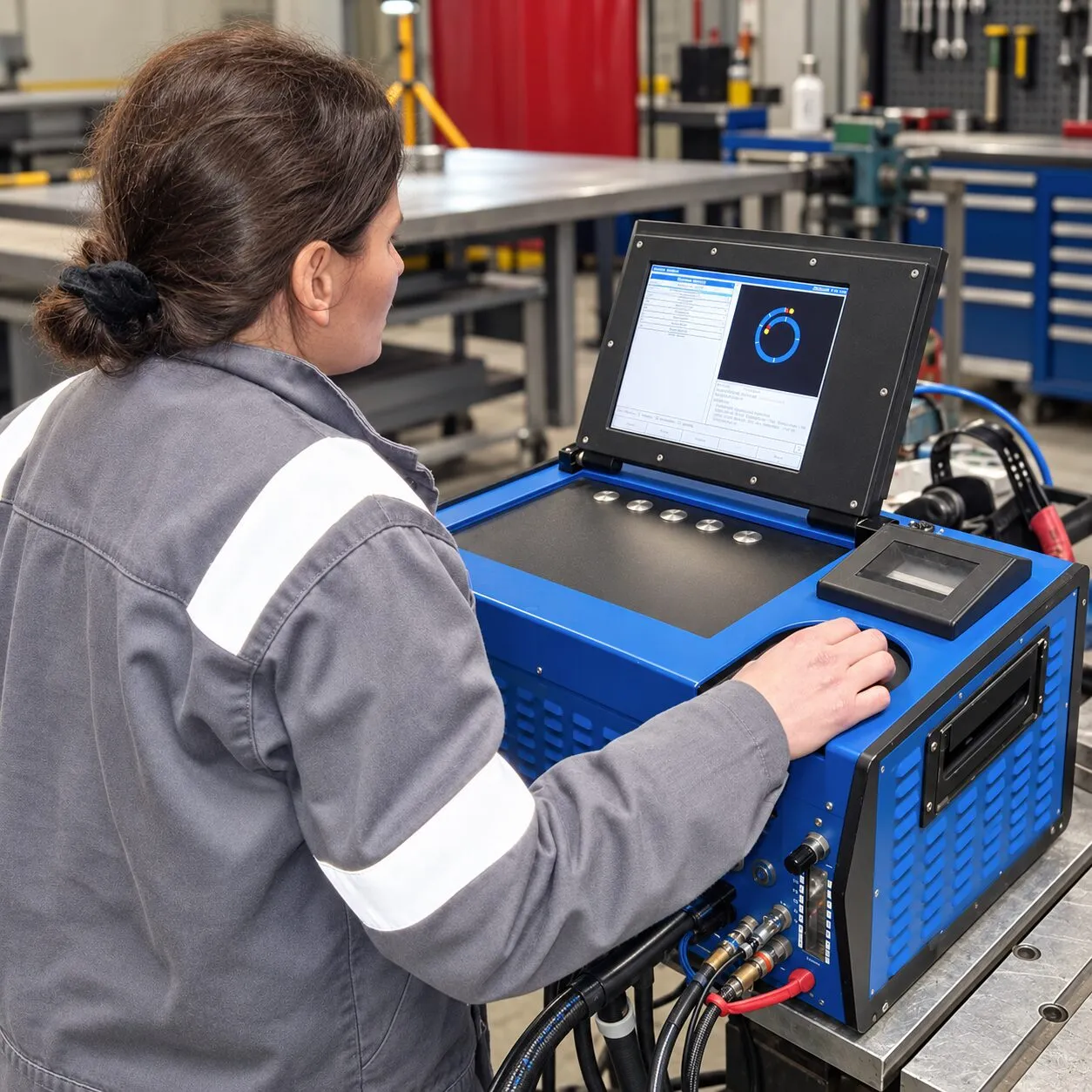
Welding to qualified procedures means that every parameter is set: current, speed, gas flow rate and heat input. These procedures are tested and documented in advance. Welders are qualified to carry them out, and this can be demonstrated. In orbital welding, the machine also records each weld individually. “You get a log of what actually happened, not what should have happened,” Nicque explains. “That makes a difference during an audit, but also if a problem arises three years later. Then you can trace it back to the source.”
Inspection that goes beyond the eye
Alongside visual inspection, Pivaco uses endoscopic inspection where necessary: a camera captures the inside of critical welds. For lines in direct product contact, this is often the only way to gain certainty without dismantling them. The final step is post-weld treatment. Pickling removes the oxide scale and any contamination, while passivation restores the protective chromium oxide layer. “This is not a finishing touch, it is functional,” Nicque emphasises. “If you skip this step, you deliver an installation that will degrade faster. You just will not see it straight away.”
Why this matters to the client
For a project manager in the food industry, this translates into specific questions when comparing quotes. Is backing gas used? Are the welding procedures qualified? Is each weld traceable? Are the welds pickled and passivated, and is this documented? “Those questions make a quote more expensive,” Nicque acknowledges. “But they also make the difference between an installation that lasts twenty years and one that needs repairs within five. In a sector where a hygiene incident means production has to stop, that is no minor detail.” Ultimately, the welding dossier is not an administrative requirement. It is the only tangible proof of quality that you will never be able to see with the naked eye.
Een zakelijke vraag aan Pivaco? Get in touch
Companies in this story
Keep following this
Get an email when a new story is published. No account needed.
- ThemeFood safety from design to audit
- SubjectFood safety
- CompanyPivaco