Hygienic design means setting the right requirements in the right places
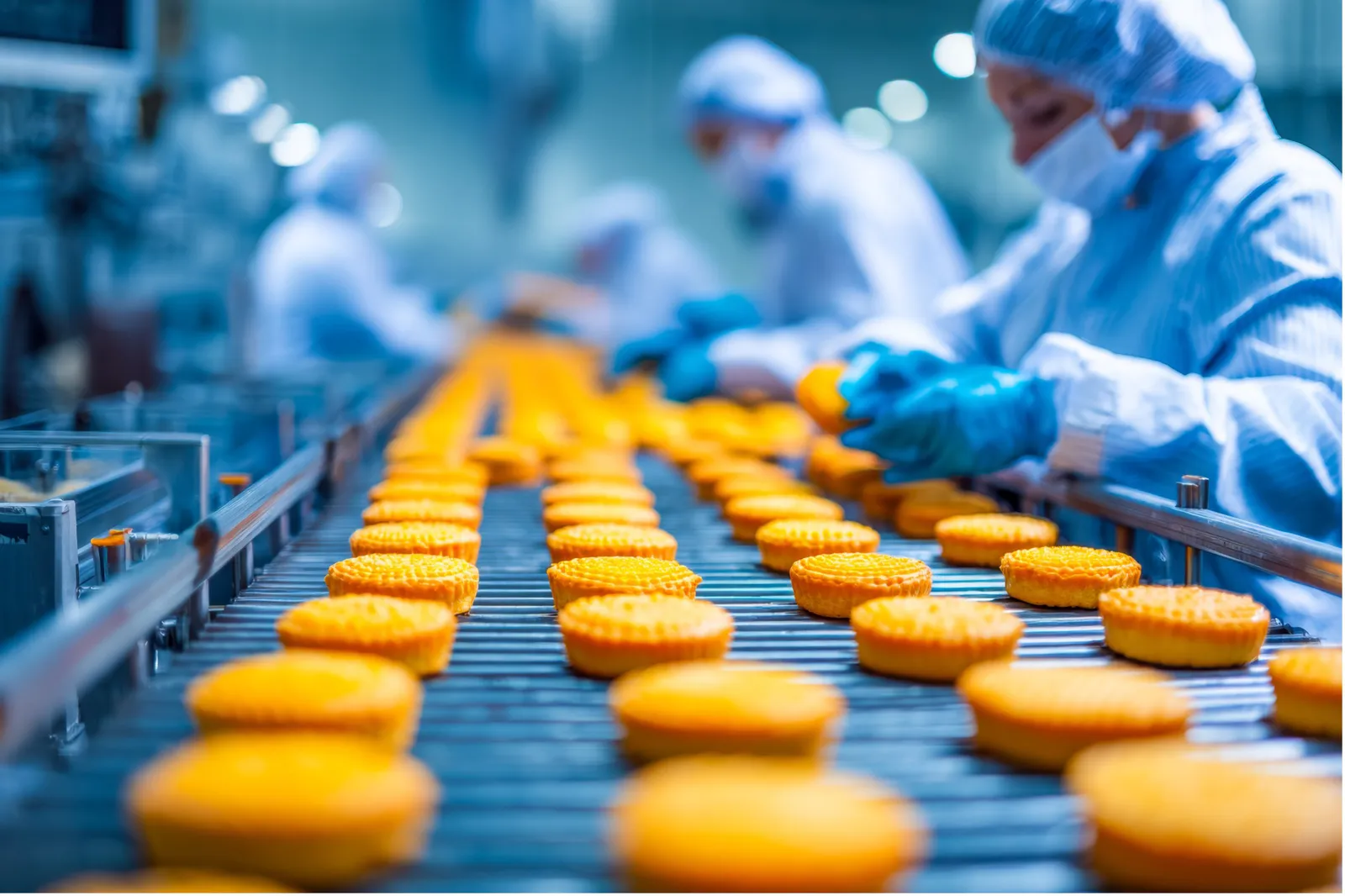
Hygienic design helps food businesses manage contamination risks. The challenge is to determine the requirements needed at each process step. According to Bert Vanhoutte, process engineer and senior consultant at Haskoning, this risk-based approach has two benefits: it focuses attention on the critical parts of the factory and provides a sounder basis for investment budgets. The conversation starts at the concept stage, with the quality department.
Operating a food factory safely requires constant attention to processes, cleaning and working practices. The design provides an important foundation. When a new process line or factory is built, the equipment must be designed to make the required level of hygiene achievable in practice. Targeted modifications can also help reduce risks in existing factories.
Vanhoutte brings more than 25 years of experience in the food sector, both in engineering consultancies and food businesses. In Haskoning’s Plant Engineering consultancy group, he combines process expertise with a pragmatic approach to investment. In hygienic design, this means carefully determining where each requirement is needed.
Risk determines the design
Micro-organisms can grow in production equipment. Cleaning is an important way to control this growth, but the equipment must be suitable for cleaning. Vanhoutte highlights the importance of avoiding dead spaces, specifying the surface roughness of components and selecting the right components. The required design depends on the product and its place in the process.
Applying the same stringent design to every process step is not automatically the best solution, he says. In some areas, a higher hygienic standard adds little value. Elsewhere, it is crucial. Vanhoutte cites the process steps after a UHT treatment as an example: if there is no further heat treatment, new contamination can pose a direct risk to the end product. The design must reflect this vulnerability.
This differentiation is not simply a cost-cutting exercise. It requires a well-founded assessment of the risks at each process step. On this basis, a business can target investment at the measures needed to control those risks and avoid overinvestment elsewhere.
Factor cleaning into the concept
The cleaning method should be part of the design from the outset. With Cleaning in Place, or CIP, the equipment is cleaned without being dismantled. The design of pipes, components and circuits must allow for effective cleaning. With Cleaning Out of Place, components are dismantled and cleaned separately. In this case, accessibility and ease of dismantling are key design criteria. Open equipment is also often cleaned by foaming and rinsing. Further physical partitioning is often needed to separate production lines in operation from those being cleaned.
Microbiological risks are not the only consideration: cleaning itself also needs attention. Water and cleaning chemicals must be able to do their job without unintentionally entering the food product. Vanhoutte cites mixproof valves as one solution: these help keep product and cleaning flows separate. Where they are needed and how the valve circuits are configured must be determined in conjunction with the process operation.
Involve the quality department early
A good discussion with the quality department is essential, according to Vanhoutte. The department plays a central role in risk assessment. Working with the designers, it can determine the requirements for each process step. This ensures that technical choices and budget estimates are based on the same assumptions from the outset.
This prevents issues from emerging later in the design, such as components needing a different specification or additional measures being required. It involves making specific trade-offs between hygiene, capacity and investment headroom. Vanhoutte works with clients to identify where a particular specification makes sense, where it is essential and where a stricter requirement offers no demonstrable added value. Early discussions help limit costly surprises during subsequent design work.
The surroundings matter as much as the equipment
Experience in the dairy and infant food sectors shows that hygienic design extends beyond the equipment itself. During tasks such as sampling and bagging, the product may come into contact with its surroundings. The risk of recontamination therefore calls for attention to both the people involved and the spaces in which they work.
Hygiene zoning, changing procedures, hand hygiene and air quality requirements in the production area all form part of the approach. This also gives the building design an important role in safeguarding the quality of the end product. The equipment, its surroundings and working practices must work together. Correctly designed equipment alone is not enough if the conditions around it introduce new risks.
Vanhoutte points to the technical audits that the Haskoning team can carry out. For example, a walkthrough of a dairy factory by a multidisciplinary team can lead to recommendations for potential improvements. These may relate to operating procedures, air handling or the building design of the production area.
Targeted improvements in existing factories
An existing site does not always need to be rebuilt from the ground up. Vanhoutte cites adding hygiene airlocks, improving the cleanability of equipment and separating product and cleaning flows more safely. In some cases, replacing a specific process step is advisable. The right intervention depends on the identified risk and the practical options available on site.
Documentation also warrants early attention. When selecting machinery and materials, businesses should check that they are suitable for the intended food contact and that the required compliance documentation is available. This can prevent an unsuitable material choice from only coming to light during a later inspection. The value of drawing up a list of the required documentation before confirming orders with suppliers has been demonstrated on numerous occasions. This documentation is handed over to the client and makes projects easier to audit.
The strategic advantage of hygienic design lies in bringing together food safety, practical implementation and investment decisions. By discussing risks early with the right people, businesses can design more effectively and make more targeted improvements to existing equipment. For Vanhoutte, that is the key: working alongside the client and choosing the specification each part of the process actually requires.
Would you like to factor food safety into the design or improve hygiene in your existing factory? Find out how Uticon, now part of Haskoning, can support you.
Een zakelijke vraag aan Haskoning (Consulting & Engineering Services)? Get in touch
Companies in this story
Keep following this
Get an email when a new story is published. No account needed.
- ThemeFood safety from design to audit
- SubjectFood safety
- CompanyHaskoning (Consulting & Engineering Services)