Centralised boiler house optimises energy consumption
Text and images Siemens
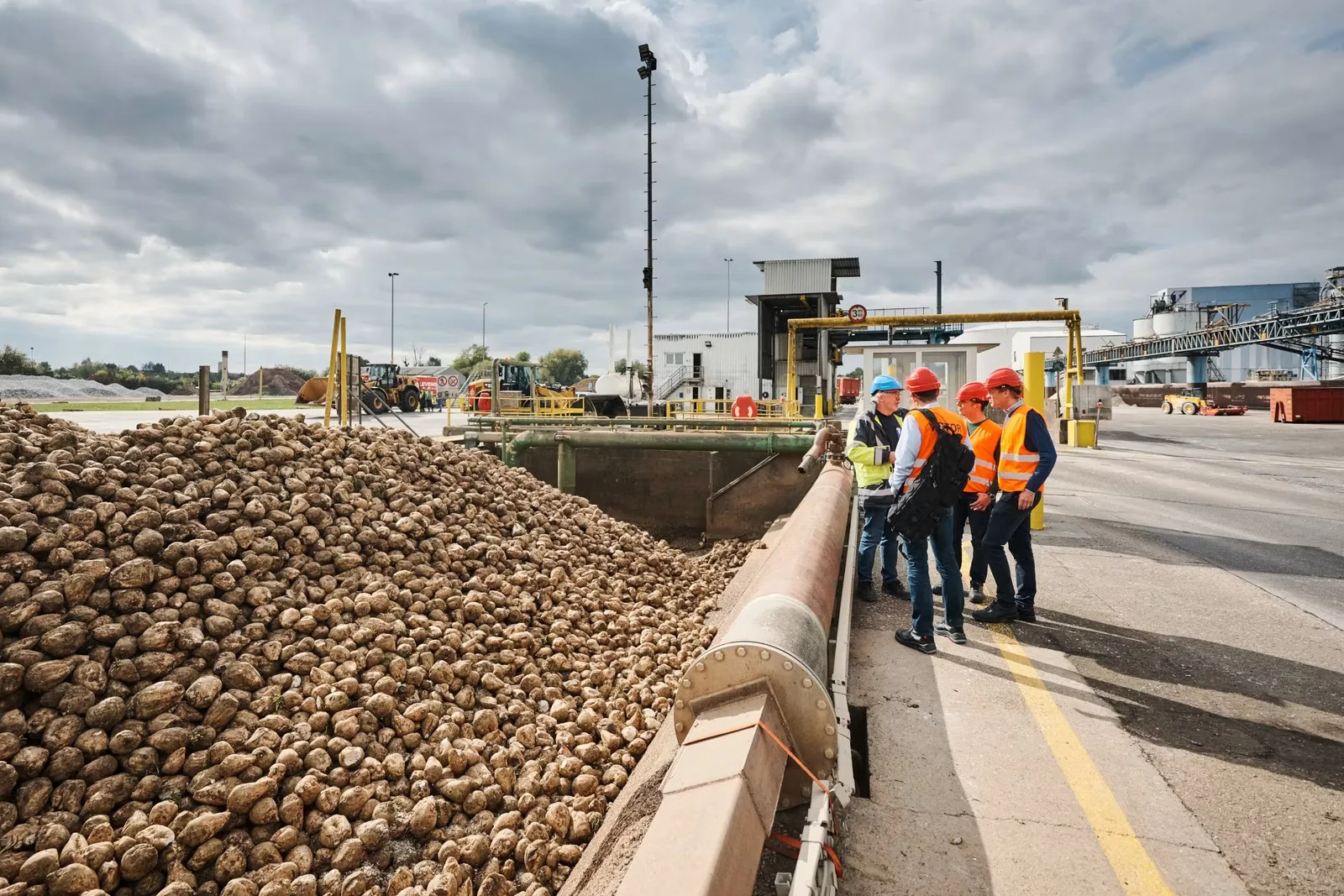
Refining sugar beet into sugar takes energy. A lot of energy: several megawatts per hour. That is why the Tienen sugar refinery is focusing heavily on efficiency. With a brand-new centrally controlled boiler house, it increased its energy efficiency in one fell swoop from 85 to 98%. Thanks to Siemens SIMATICS PCS 7.
Washing and peeling sugar beet, cutting it into pieces, then extracting the sugar with hot water so that it dissolves into the juice, before further concentrating and crystallising the juice. This is how Tiense Suikerraffinaderij has been making sugar for 190 years. The principles have stayed the same, but the scale keeps growing. And the technology keeps improving. “A sugar factory is also a water factory,” says Benny Holemans, project manager Energy & Sustainability. “Depending on the season, sugar beet contains 14 to 18% sugar. The rest is dry matter, but mainly water. And we have to evaporate that water. This takes a lot of energy.” Tiense Suikerraffinaderij is working hard to use that energy as efficiently as possible. In 2023, the company built a new diffusion tower with higher efficiency and lower energy consumption than the old extraction systems. Steam is used in the evaporators and boiling pans to concentrate the juice. The entire evaporation plant is designed for optimum balance, and all condensate flows and surplus heat are used to the fullest. An industrial heat pump also recovers energy from a portion of low-calorific steam that was not being reused.

From energy producer to a battery for the grid
Despite all these efforts, energy remains a challenge. “We need to go green, for the planet, but also to control our costs. At present, we generate 14 to 15 MW, mainly using natural gas. We use about 13 MW ourselves and feed the rest into the grid. That is becoming more expensive. If we do nothing, it would cost us tens of millions of euros over the next 15 years. We also produce our own biomethane from beet waste, but it does not meet our energy needs. So we need to electrify.” But the key issue is timing. Sugar production runs from September to March, determined by the beet harvest. “Those are precisely the dark months, when little solar energy is available. So we had to take another leap in efficiency.” There is an additional challenge: a mix of energy sources. “At the moment, we generate our own electricity. With electrification, we will become an energy consumer. We want to consume as cheaply as possible, so the solution had to be flexible. During our production months, sometimes there is too little electricity, but sometimes there is too much, for example when there is too much wind. In those cases, we are paid to use that energy. In this way, we even become a battery for the grid.”
State-of-the-art boiler house powered by gas, electricity and hydrogen
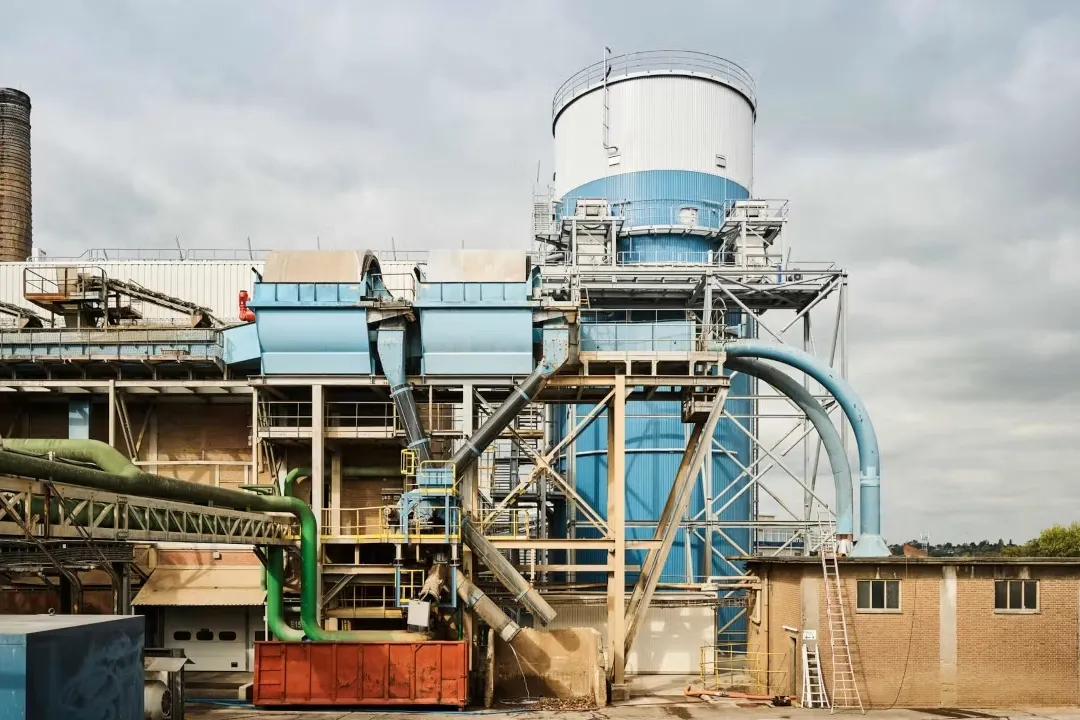
There were three boiler houses spread across the site. Callens, Callensvyncke and Siemens built a single central boiler house in just eight months. “The boiler house is state-of-the-art,” says Holemans with delight. “We installed energy-efficient hybrid low-NOx boilers, all controlled by SIMATIC PCS 7. By centralising everything and using entirely new equipment, we went from 85% to 98% energy efficiency in one fell swoop. That delivers direct annual savings of 5 to 10%. On an energy bill of 13 million euros, that is a sizeable amount. We had already standardised on PCS 7 for some time. Now we can also operate our boiler house entirely from our central control room, if that is even necessary, as it runs autonomously in principle. This means operators have far less need to walk around and can monitor and analyse everything centrally.”
Substantial savings
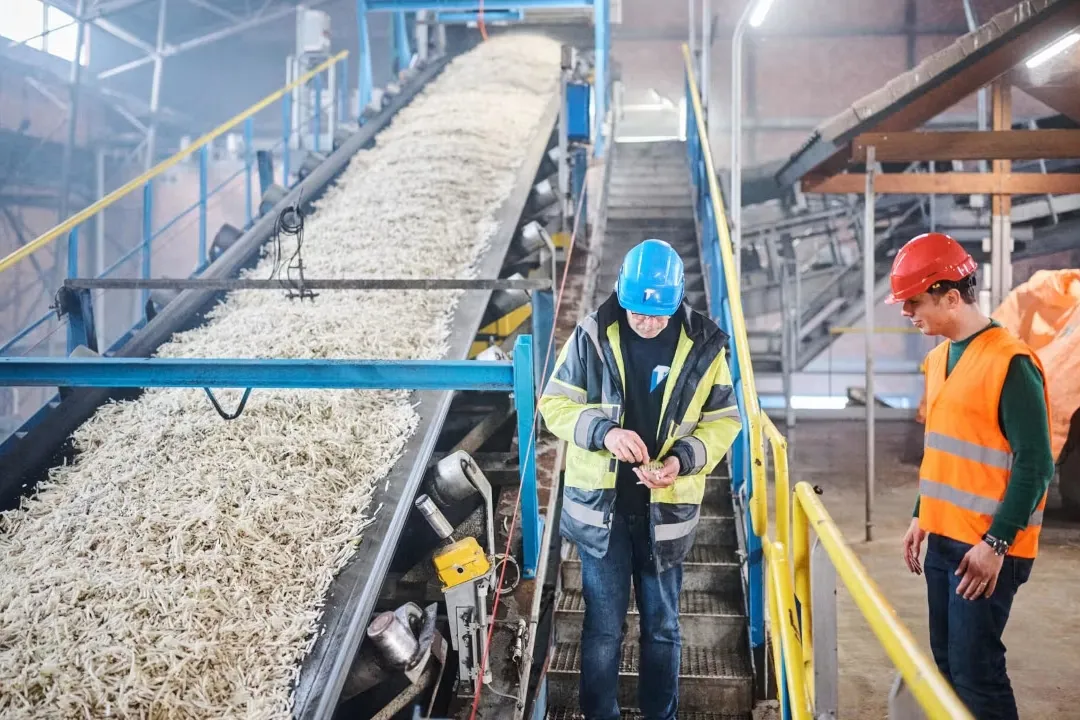
“We are also making substantial savings on maintenance. Our old boiler houses were no longer in top condition. Leaking pipes, burner failures … a team often had to be called out. That is all in the past. Running costs are lower too: our new water analysis has reduced the cost of water treatment. And through reuse, we have cut our water consumption by a third. These are all substantial savings, each of which benefits the environment. The boilers currently run on natural gas, but will soon also run on electricity. A hydrogen pipeline will be nearby in the near future, and the boilers are ready for that too. This means we can always choose the most cost-effective energy and help the grid when there is excess energy that distributors want to get rid of. This project has made our production much more sustainable. And we are ready to do even better over the next 20 years. Our industrial heat pump has a coefficient of performance of 2.5 to 3, which means it produces 2.5 to 3 times as much energy as the electrical energy put into it. With newer technologies such as mechanical vapour recompression, we can reach a COP of 6 to 7.”
A business enquiry for Siemens? Get in touch
Companies in this story
Keep following this
Get an email when a new story is published. No account needed.
- ThemeSaving energy and water
- SubjectSustainability
- CompanySiemens