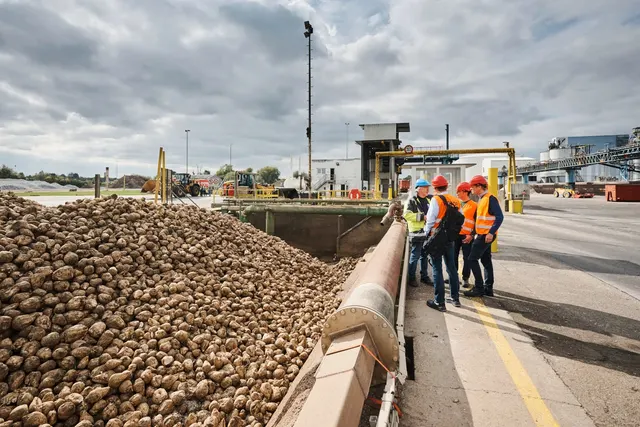
FrieslandCampina Lummen commissions new ice water installation
Text and images Piet Debisschop
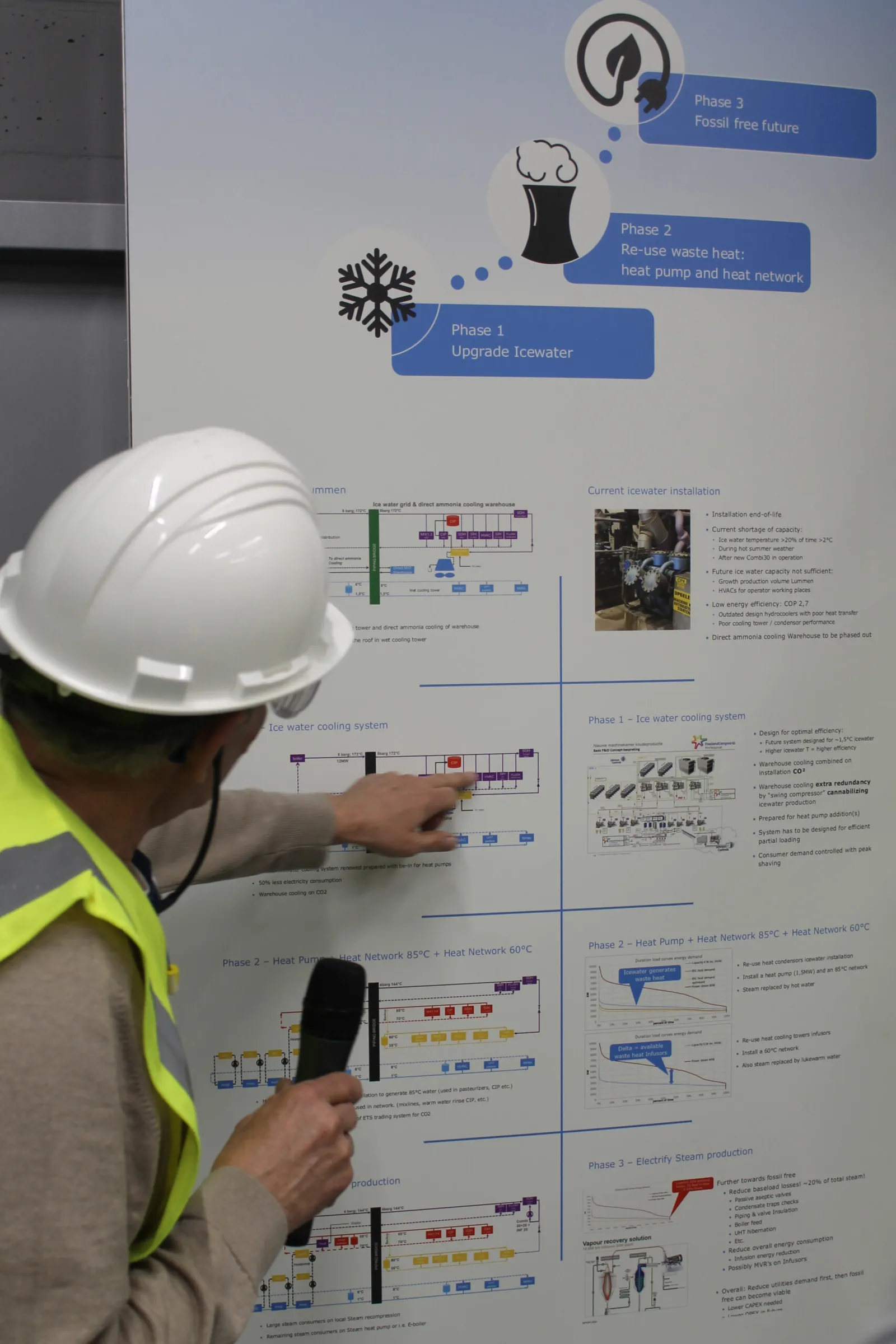
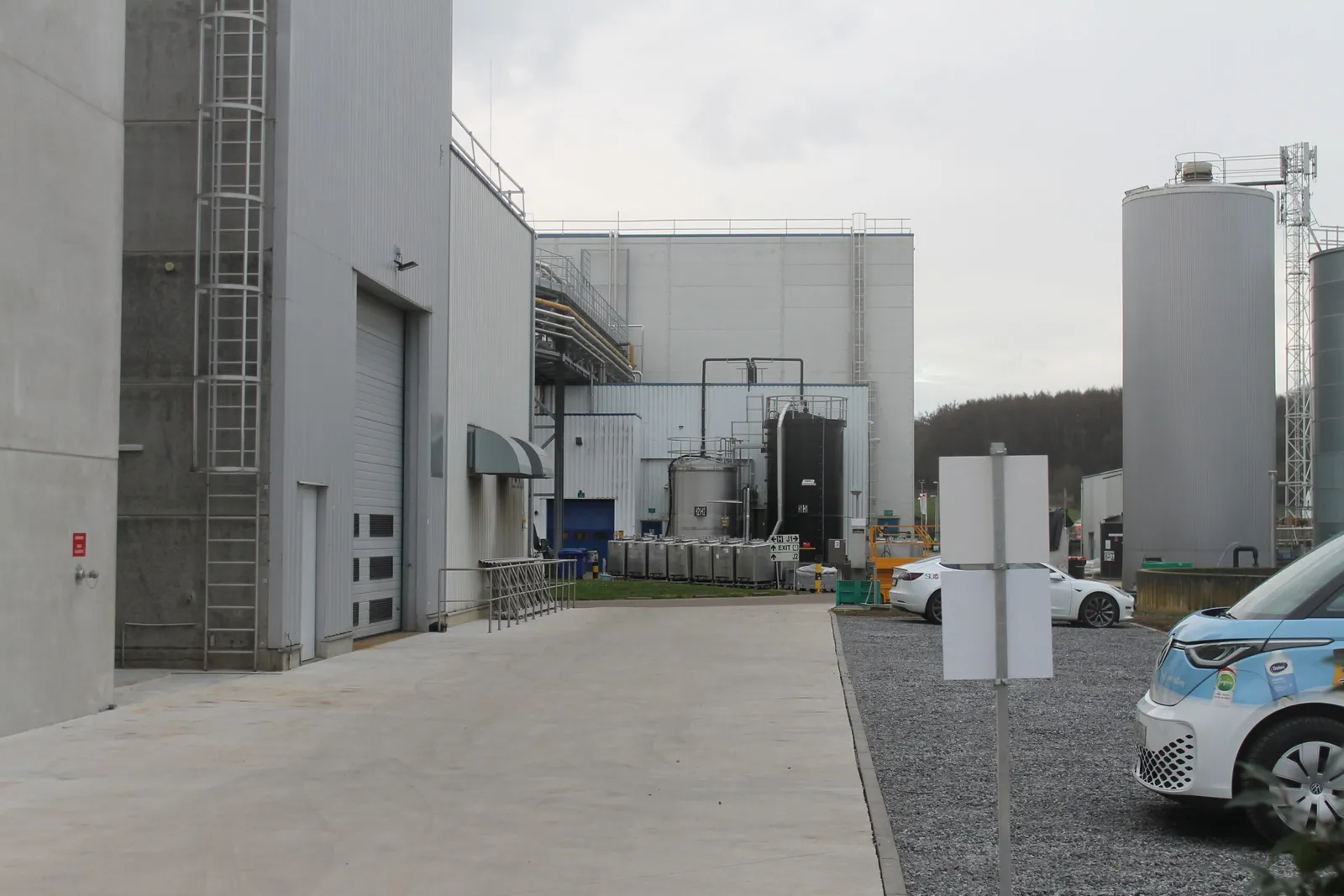
Earlier this year, FrieslandCampina in Lummen started up its brand-new ice water installation. The €10.3 million investment is not a stand-alone project, but forms part of a three-phase plan to make the site completely free of fossil fuels. Alongside its direct climate benefits, the installation also marks a major step forward in energy efficiency. Compared with the existing infrastructure, it uses up to 50% less electricity, while energy costs have fallen by 12%.
The official opening of the new ice water installation was celebrated on 27 February at an event attended by staff, Minister Jo Brouns, Mayor Luc Wouters and, of course, the trade press, as well as local residents. It was an engaging event, with highlights including insightful presentations and speeches from speakers such as Plant Manager Ricardo van Wijk. The key points to take away were the investment’s importance for the 2030 climate targets, the continued drive for sustainability and strengthening FrieslandCampina’s competitiveness.
Sustainable innovation.
“The existing ice water installation was 30 years old and had really reached the end of its life,” explains van Wijk. “With customers making ever greater demands on the one hand, and production requiring ever greater capacity on the other, this investment had become unavoidable.” It was ultimately decided to include the new installation in a three-phase plan to make the site fossil-free by 2030. With average energy consumption equivalent to that of around 6,000 households, there was considerable potential for savings. The new ice water installation ultimately enabled Campina to save no less than 12% on energy.
The power of engineering.
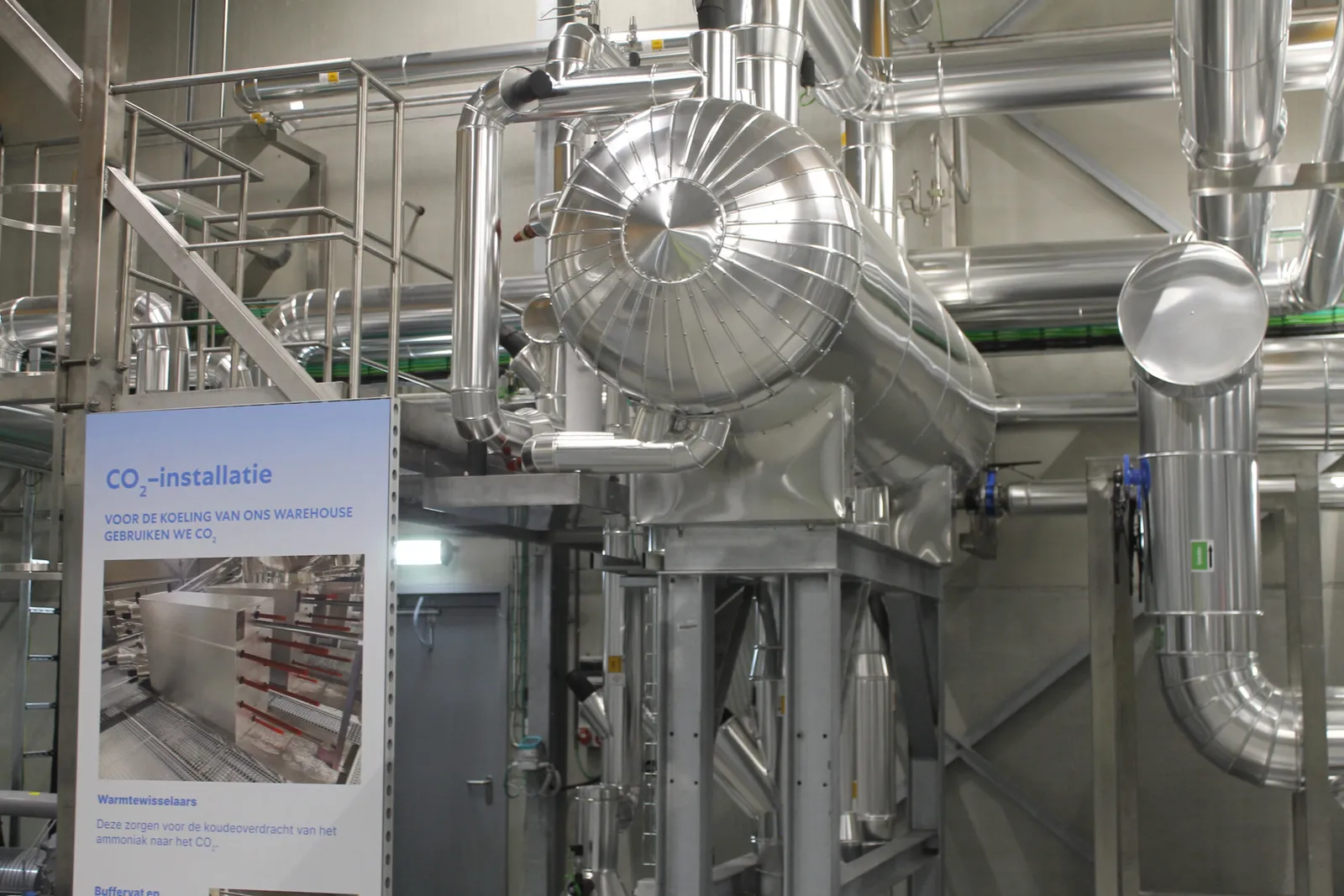
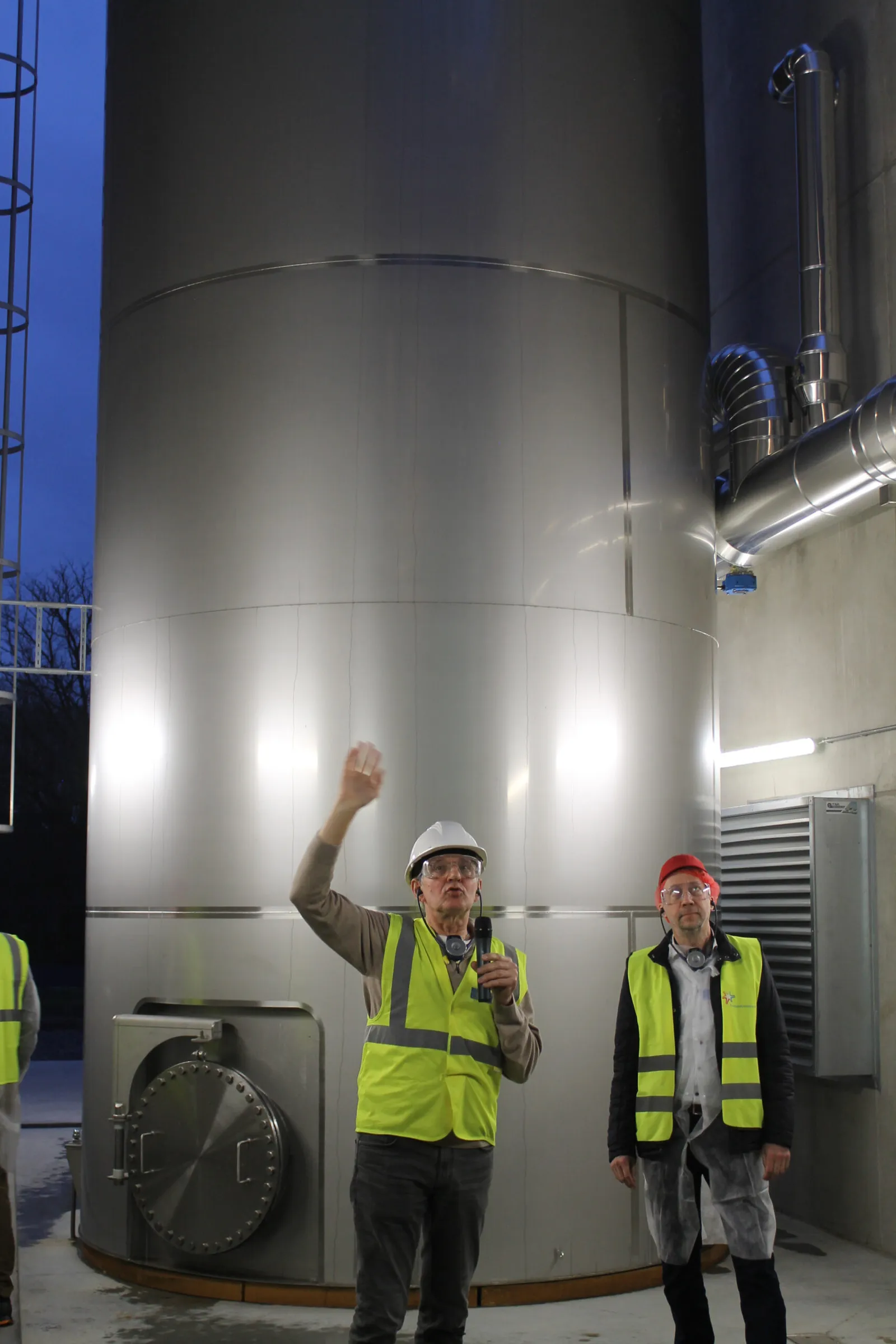
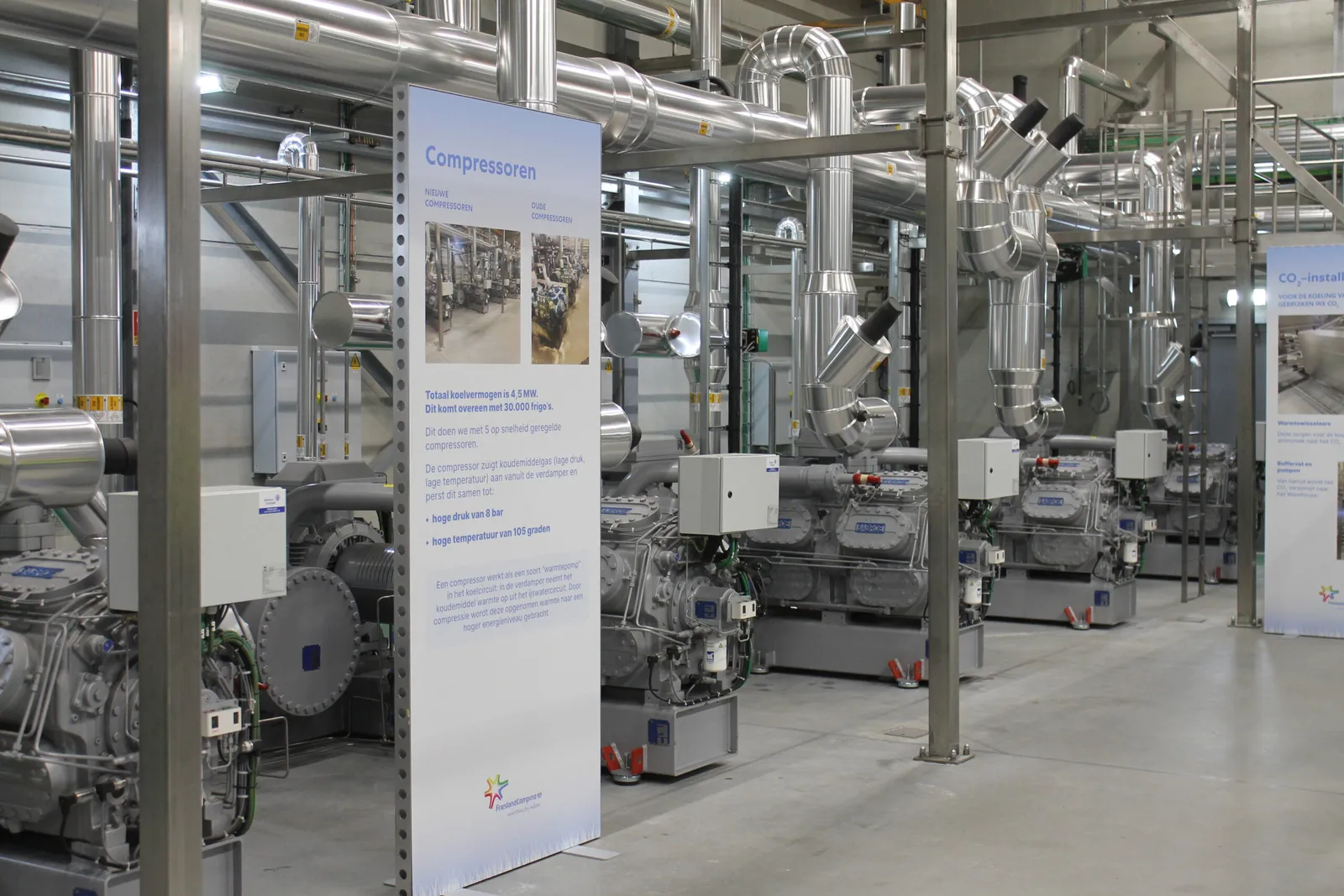
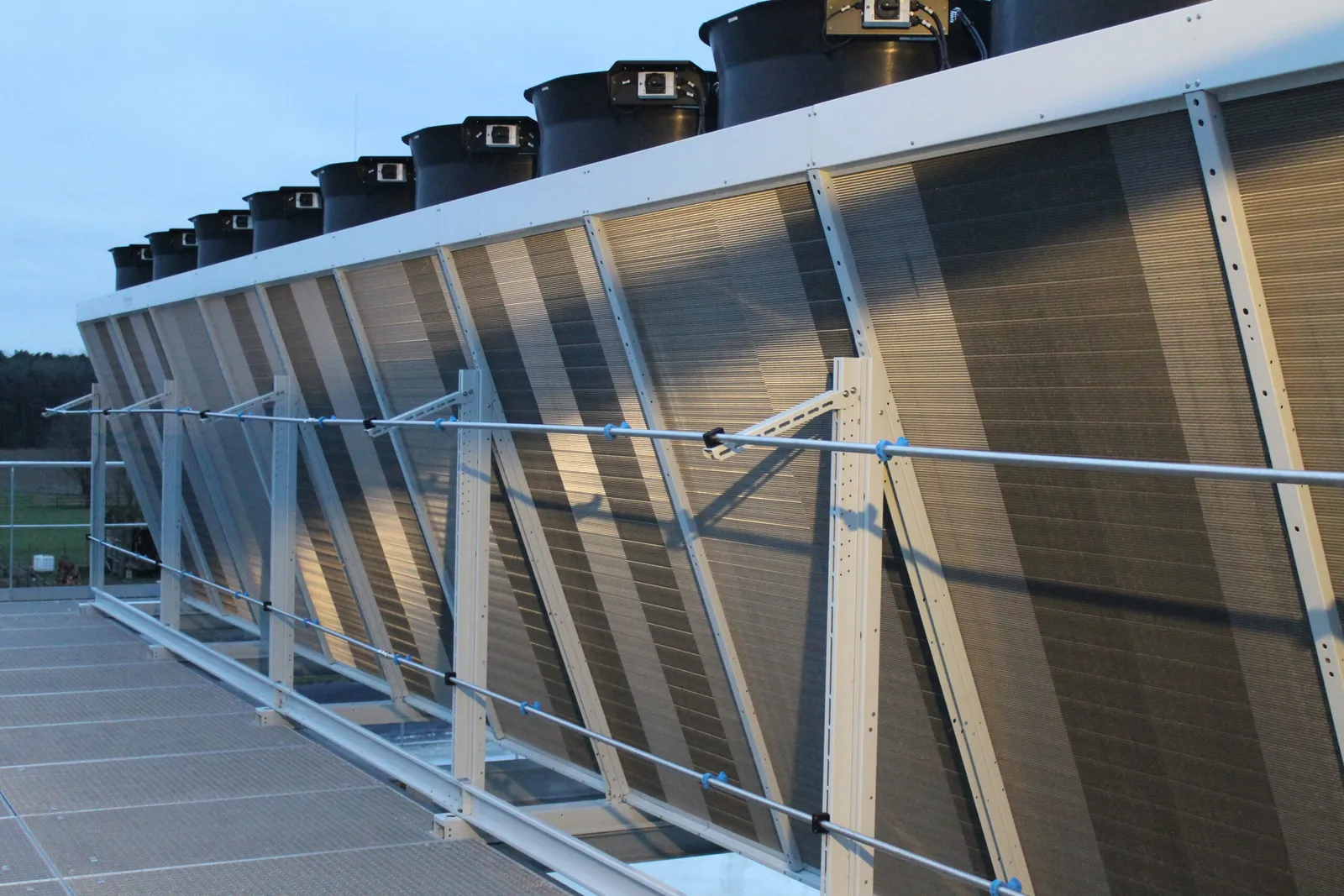
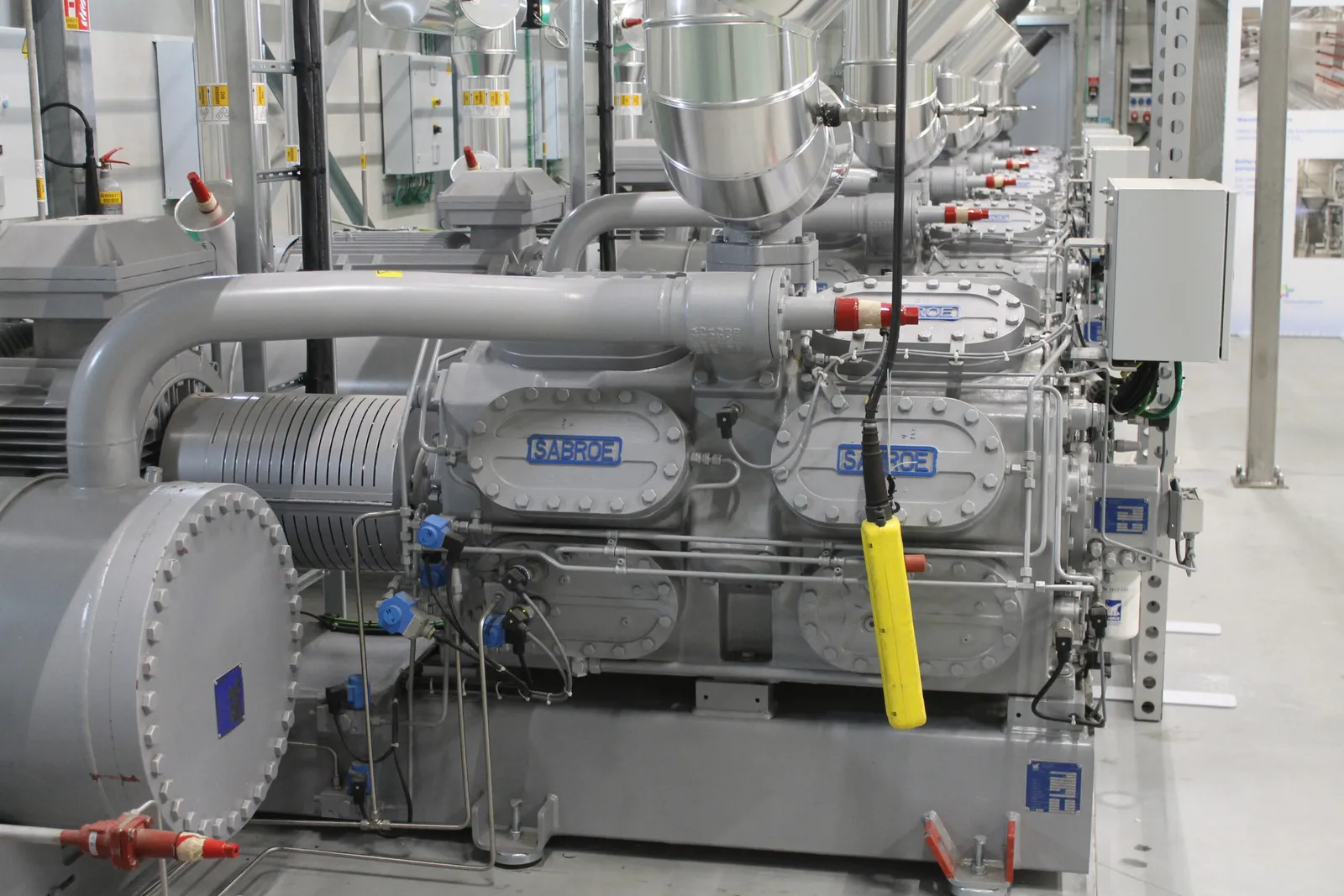
The fascinating tour of the new ice water installation, with technical explanations from Project Leader Fons Hoekx, highlighted the modern technology and engineering that define the project. All the familiar components of a standard refrigeration system are readily recognisable, although this one is on a very large scale. A bank of ammonia compressors supplies a combined cooling capacity of 4.5 MW, delivering ammonia in the gas phase at 105 °C and 8 bar to the condensers on the roof of the new building. These condense the ammonia into liquid form, which then feeds the evaporator. This cools the ‘warm’ return water from production, at 6 to 7 °C, to ice water at 1.5 to 2 °C. The same installation also provides cooling for the warehouse, although the ammonia circuit is kept entirely inside the new building. The warehouse is cooled using CO2 chilled to -8 °C, which extracts the cold from the ammonia via a separate heat exchanger.
The figures speak for themselves.
The installation has a total ice water circulation capacity of no less than 650 m³ per hour. It also achieves a COP of more than 6, which means that every kW of electricity consumed produces over 6 kW of cooling. By comparison, the old installation had a COP of 2.7. Hoekx explains: “We achieve much of this additional efficiency by reducing friction losses inside the compressors, among other things. The much better electric motors now available also make a major contribution.”
Heat recovery.
At present, all the waste heat from the cooling system is discharged into the outside air by the bank of condensers. However, the three-phase plan includes integrating a heat pump and a district heating network, both supplied by this and other sources of waste heat. This efficient heat recovery process will reduce the load on the condenser cooling system while also supplying heat for the various central heating systems, air conditioning, the HVRCs and the cleaning systems.
Question about this story? Ask your question
Keep following this
Get an email when a new story is published. No account needed.
- ThemeSaving energy and water
- SubjectSustainability