More risks, more pressure: why audits and training matter more than ever
Text Roeland Van Den DriesscheImage DNV

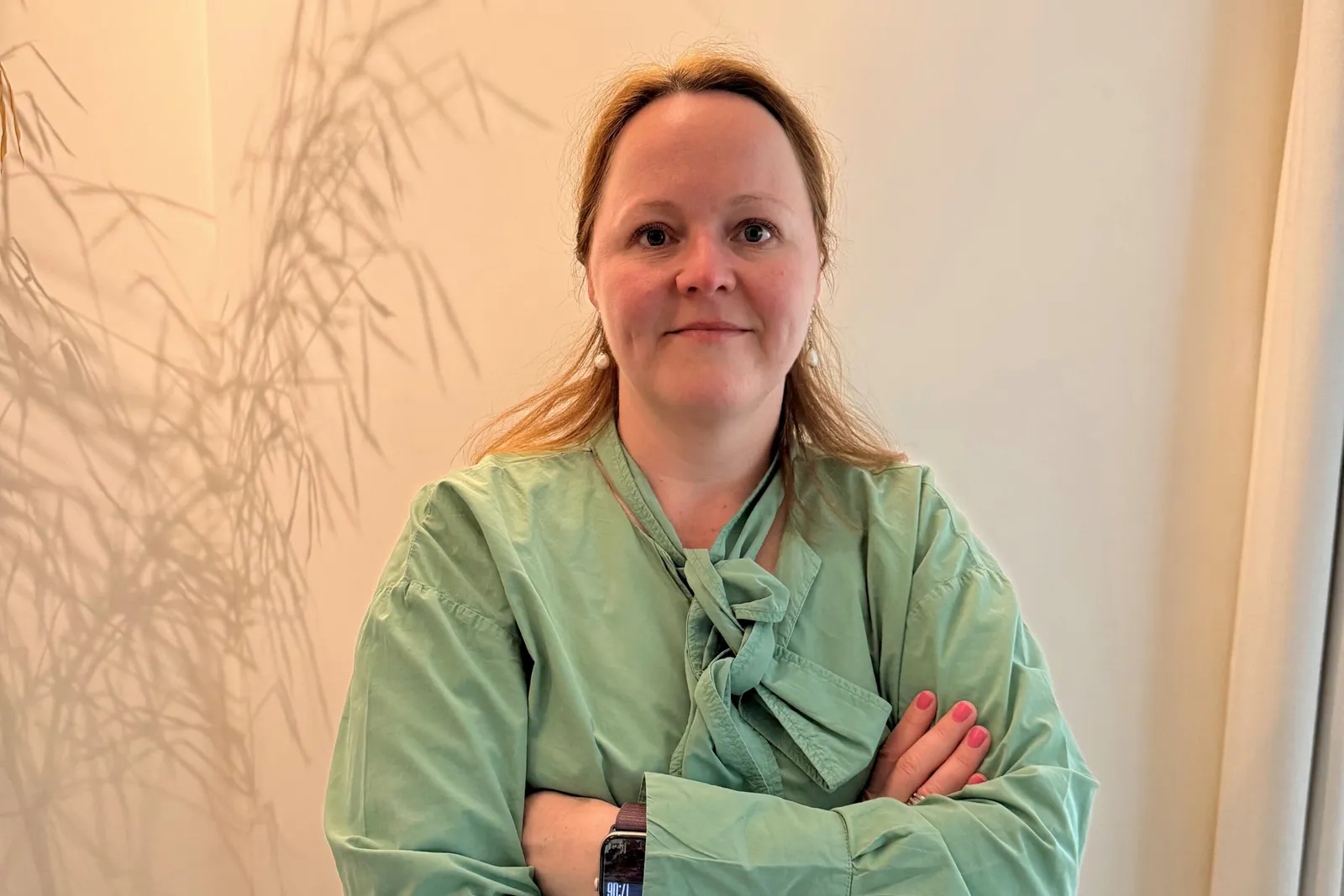
Economic uncertainty, geopolitical tensions and a supply chain under pressure: the food industry is not immune to the turbulence of the times. For businesses, the challenge is to control costs without compromising on quality and safety. “We know this is no easy task today. But it is precisely at times like these that you need to be willing to invest, especially in your people. That is what makes the difference in the long term,” says Jill Janssens, Senior Lead Auditor at DNV Business Assurance.
Food businesses are facing a host of challenges today. Disruptions to the logistics chain are extending delivery times, raw materials are becoming more expensive, and companies that export increasingly have to contend with additional duties. At the same time, the risk of fraud is also rising. “Over the years, things have become no easier for our businesses. They have to keep a lot of balls in the air at once, which means they are constantly having to decide how best to use their resources,” says Janssens.
Audits as a lever for improvement
Technology offers a solution to some of these challenges, but it also brings risks. Cybersecurity, for example, is high on the agenda for many food businesses. “And rightly so, because anyone who gains access to your systems can see your records, recipes, process parameters and product specifications. Naturally, you want to prevent that,” Janssens continues. That is why it is important to regularly identify vulnerabilities within your organisation. “Certification and auditing provide important support in this respect.” Yet many food businesses often see audits as a box-ticking exercise. “That is a shame, because they offer opportunities to do better. That is why, as an auditing and certification organisation, we not only identify areas for improvement, but also recognise what is working well and encourage everyone to take a critical look at all processes.” In DNV’s view, businesses still have opportunities to improve the way they put rules and procedures into practice on the shop floor. “Ultimately, it is the people on the shop floor who need to recognise deviations and respond appropriately. That is why education and training are so important.”

Training that works
In practice, however, many training courses are limited to an annual refresher, when it is interaction and recognisable scenarios that help knowledge stick. DNV’s training offer addresses this with targeted HACCP training for operators and more in-depth courses covering standards, auditing skills and audit reporting for internal auditors, quality staff and management. “Not everyone needs the same knowledge, and by tailoring each course to the job and the employee, you can genuinely bring about a change in mindset.” Taking food safety seriously therefore means being willing to invest in your people. “Often, it is not a lack of goodwill, but a lack of awareness of the impact certain actions can have. Moreover, many mistakes can still be traced back to poor communication,” says Janssens. Customer requirements that are not communicated properly, recipe changes, lost labelling information or departments that do not communicate sufficiently: there is still room for improvement. “With our expertise and tools, we can help businesses make real progress. That is precisely the role we want to play in the sector.”
Would you like more information about DNV’s training courses? Visit www.dnv.be/trainingen
Een zakelijke vraag aan DNV Business Assurance? Get in touch
Companies in this story
Keep following this
Get an email when a new story is published. No account needed.
- ThemePeople make the food industry
- SubjectPeople & training
- CompanyDNV Business Assurance