The energy transition starts with the production process
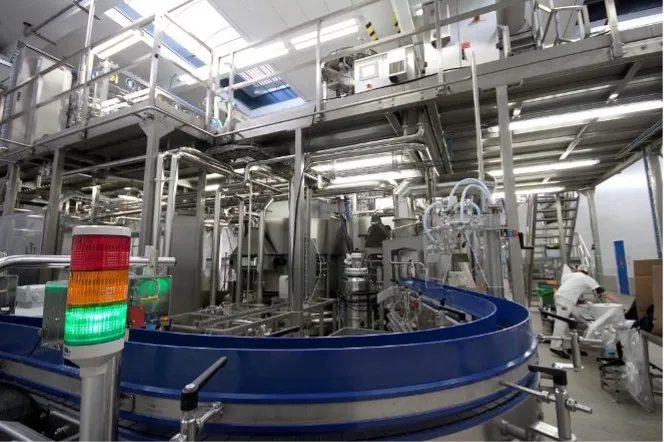
A food company looking to make its energy supply more sustainable makes important decisions during process design. How is the product made? What temperatures are required? And where can process steps exchange heat? According to Bert Vanhoutte of Haskoning, this analysis helps determine which energy technologies will make sense later on. Subsidies can support the investment, but the inherent opportunities stem from the choices made in the production process.
Bert Vanhoutte is a process engineer, senior consultant and leading professional in the Plant Engineering consultancy group. Based in Destelbergen, he works with a team of engineers on projects for the food industry. He has more than 25 years' experience at both engineering firms and food companies. Through Uticon, which was acquired by Haskoning, he helped develop an approach that closely links process expertise and energy design.
Energy as part of business operations
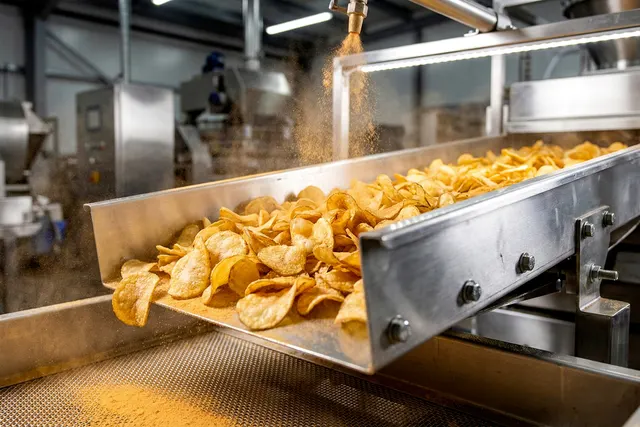
In discussions with Belgian food producers, Vanhoutte sees several challenges converging. Energy prices can fluctuate sharply, companies want to reduce their dependence on fossil fuels, and additional electrical connection capacity is not always readily available. The impact varies from one company to another. Energy supply weighs particularly heavily on investment decisions where a great deal of energy is needed to produce the finished product, such as in the food ingredients or chip industries.
In his view, the question is to what extent a company regards energy as a core business issue. This determines how much attention and resource it devotes to efficiency, heat integration and flexibility. An energy concept designed for the future must fit the production process and the capabilities of the site.
From product to energy demand
Haskoning Plant Engineering’s bottom-up approach starts with how a product is made. First, the team examines the individual process steps from an energy perspective. It then looks at heat and cooling exchange between those steps. Only afterwards does it determine the total remaining demand for heat, cooling, compressed air and electricity, and select the energy supply systems.
“We try to work upwards in stages, starting with the product and moving towards its energy demand,” Vanhoutte explains. Taking this perspective early makes a difference. Once the production process is fully fixed, certain energy optimisation opportunities are harder to exploit. The choice of process technology also determines the required temperature and which energy carriers are suitable.
Vanhoutte gives drying as an example. Choosing a lower-temperature process can open up opportunities for electrification with a heat pump. A different drying concept leads to a different energy demand and different technical options. The right approach depends on the product and the process as a whole. That is precisely why energy considerations need to be factored in during the design stage.
Making scenarios visible
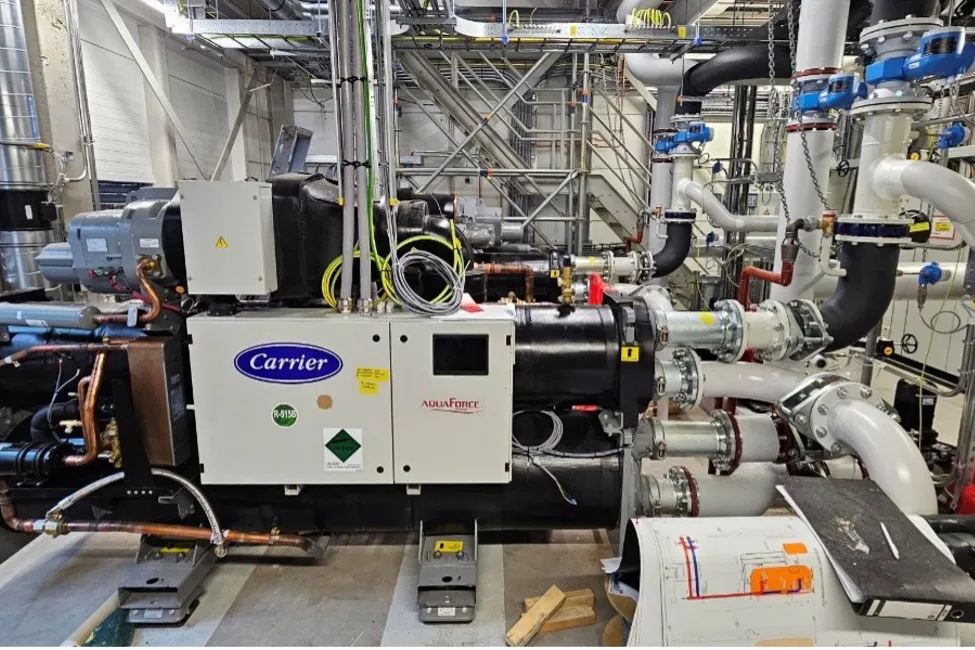
To inform decision-making, the team brings production processes together in an Excel-based model. This tool predicts the energy consumption of the various process steps and shows the installed capacity and annual gas and electricity consumption associated with a production line. This provides a basis for comparing alternatives and determining the required utilities.
The model also helps explain the added value of further investment. What changes, for example, if an additional hot-water circuit transfers energy between process steps? What annual saving would that deliver in relation to the investment? The payback period can then be calculated from a specific scenario. This shows how many years it will take for the expected savings to recoup the additional investment.
A heat pump needs a suitable system
When it comes to the technical design, Vanhoutte warns against an overly simplistic assessment of heat pumps. A heat demand alone is not enough to design a system that works well. The source from which the heat pump draws energy must also be available when the installation needs it. The relationship between source, temperature and demand therefore requires careful consideration.
The installation must also be suited to fluctuations in demand. Frequent switching on and off is unfavourable, according to Vanhoutte. Storage for the heat or cooling produced must therefore be sized appropriately. Without this alignment, the outcome of an investment may fall short of expectations, even when the technology itself appears suitable.
Including subsidies in the business case
Once the technical scenarios are clear, the team can explore which financial support might be appropriate. Vanhoutte cites projects in which clients also looked into subsidy opportunities through VLAIO for energy proposals. The technical design and assessment of support options complement one another.
Haskoning provides process expertise, energy scenarios and the rationale for the investment. Specialist consultancies can help identify and develop specific subsidy opportunities, Vanhoutte says. Subsidies can thus be included in the final business case, based on the specific investment and the applicable conditions.
Flexibility as an additional opportunity
Alongside reducing energy demand, flexibility in electricity consumption is becoming increasingly important. A company could, for example, combine an electric boiler with a gas-fired boiler, or explore a hybrid solution. This creates the option of switching between gas and electricity for heat production, taking availability and prices into account.
In this way, Vanhoutte says, industry can also help manage surpluses and shortages on the electricity grid. This requires an energy concept that is technically compatible with production. It reflects the same principle that underpins his approach: first understand what the process needs, then examine how its different elements interact, and invest on that basis. For food companies, the energy transition therefore begins with the first decisions about their production process.
Want to know what energy savings your production process could make possible? Discover how Uticon, now part of Haskoning, can help you turn process expertise into an energy supply that suits your needs
Een zakelijke vraag aan Haskoning (Consulting & Engineering Services)? Get in touch
Companies in this story

Keep following this
Get an email when a new story is published. No account needed.
- ThemeSaving energy and water
- SubjectSustainability
- CompanyHaskoning (Consulting & Engineering Services)