












Food companies are becoming the smart factories of the future
Text Björn CrulImage Louwers Mediagroep
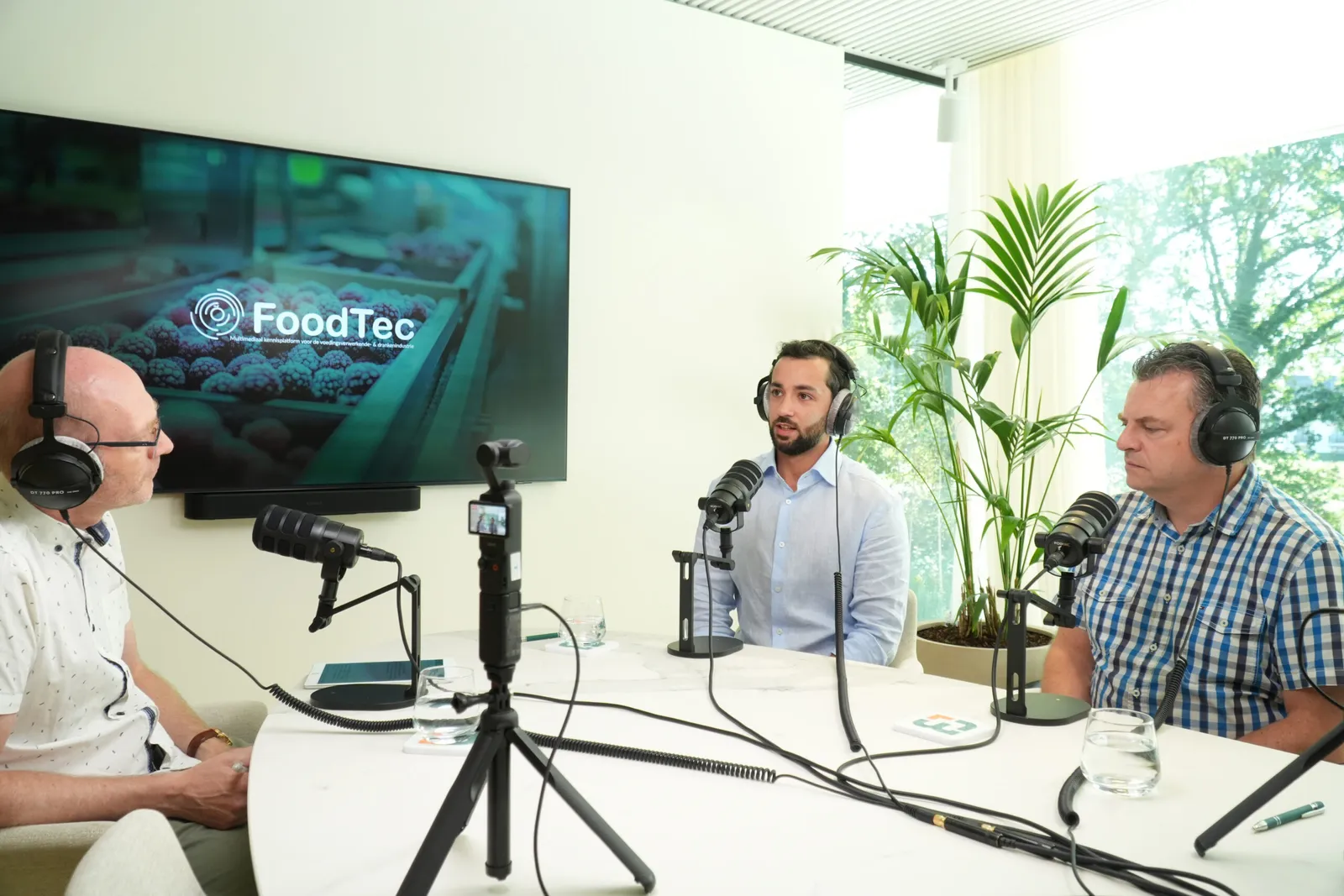
As in many sectors, food companies are facing increasing complexity. They have to produce more efficiently, flexibly and sustainably at the same time, without compromising on quality or food safety. Automation and digitalisation offer ways to achieve this, for example by using available production data to make improvements. But according to technology company Yitch, anyone who turns straight to AI is skipping a few crucial steps.
The factory of the future is much more than a high-tech shop floor. It is a production environment in which automation, digital processes and data are used purposefully to support business objectives. Werner Fransen, co-CEO of Yitch: “We use automation to control machines, production lines and process installations. Digitalisation helps manage business processes on the shop floor. Together, the two help manufacturers remain competitive and keep production close to their consumers.”
Process first, technology second
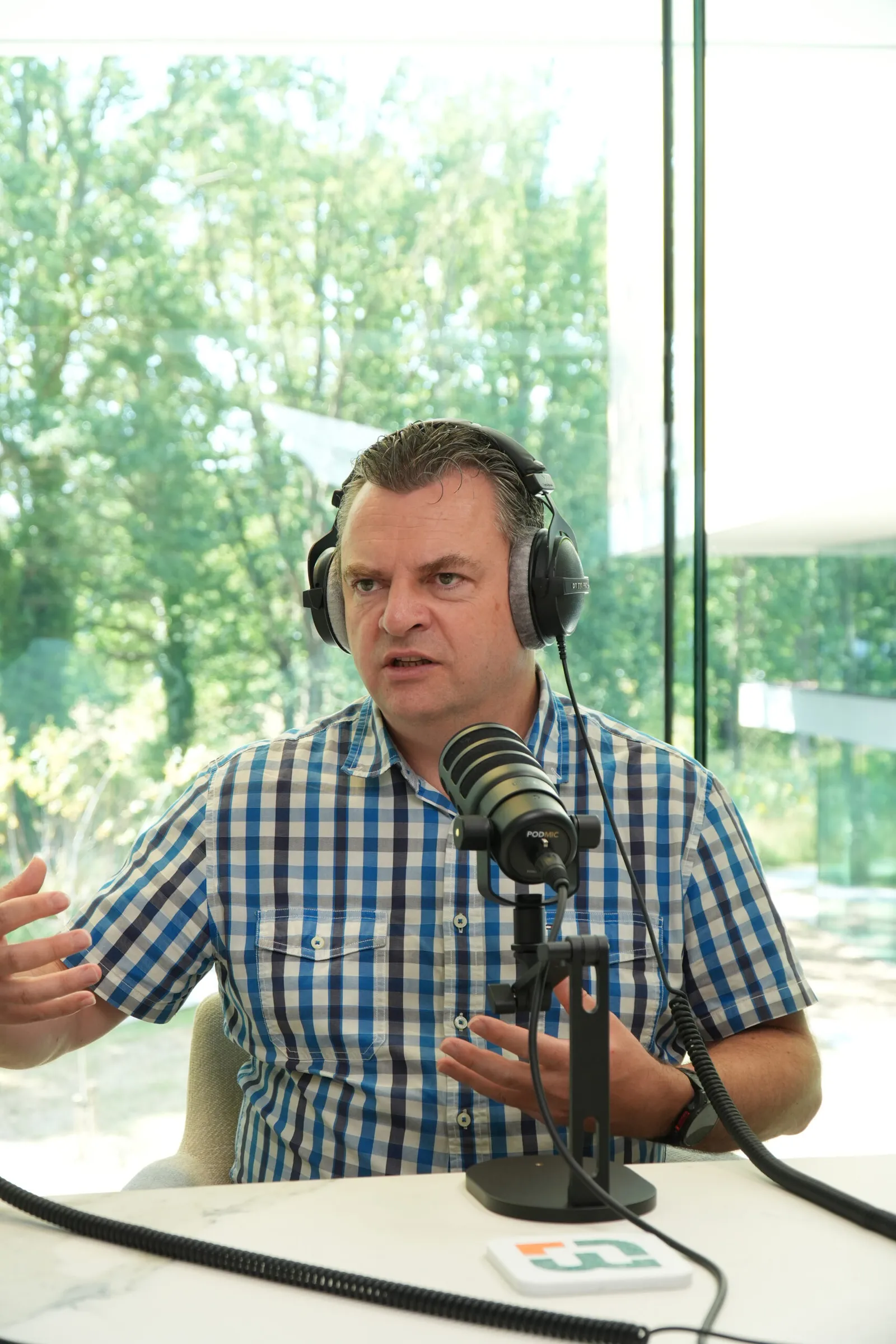
Many food companies have already automated their machines extensively, but a surprising number of manual processes remain. “We see operators recording information in Excel files or on paper, quality checks being tracked separately, or orders having to be transferred manually from one system to another,” says key account manager Samir Barrahmun. “Digitalising these processes creates a single central environment for production planning, traceability and quality monitoring. It also means companies can start making use of the data.” Food companies generate huge amounts of data, not only about production but also about traceability, food safety, labelling and sustainability, for example. “Often, all these elements are spread across different systems and silos,” says Fransen. “The first task is to unlock this data, bring it together centrally and structure it. Data must be available, high-quality and correctly contextualised before advanced applications can deliver reliable results.” According to Yitch, companies are too quick to look to artificial intelligence as a solution to problems. “If the digital foundations aren’t right, you won’t get good results. What’s more, conventional data analysis and statistics can already deliver surprisingly valuable insights. Historical process data can, for example, show the conditions under which a production line operates optimally and how much current production deviates from that. It doesn’t all have to be AI straight away,” says Barrahmun.

A thorough analysis as the starting point
When Yitch’s experts support a digitalisation or automation programme, they always start by analysing the existing production process. “We want to understand the client’s problem thoroughly,” says Fransen. “To do that, we talk to management, as well as the operations director and operators. The input of that last group shouldn’t be underestimated: they know the production lines and understand why certain processes work the way they do.” This is particularly important in existing factories. “If you automate without capturing that knowledge, you risk improving processes technically while making them more difficult to operate,” says Yitch’s co-CEO. After the analysis, the project team translates the requirements into a roadmap. “Every step is linked to a business case. That is important for building confidence in the project. We want to avoid a project getting started only to stall along the way because it lacks a sound business case.”
A business project, not an IT project
Implementation then deliberately starts on a small scale, for example with one production line. “It’s best to roll things out in phases, so the organisation can evolve along with them. This approach also makes it possible to learn from the initial experience, make adjustments and then move on to a wider rollout. What works well can be extended to the whole factory or even to other sites,” says Barrahmun. Smart systems offer several benefits. For instance, they can provide operators with better support when carrying out complex processes. Companies can produce more with the same number of employees, while giving workers more time for quality control and process improvement. That is why Yitch involves operators throughout the entire programme and provides training on new systems. “You can build the best technical solution in the world, but if people on the shop floor don’t want to use it, the project can never succeed,” says Barrahmun. “Companies that treat digitalisation and automation as a business project have the greatest chance of success,” adds Fransen. “Those who think it’s simply a software implementation are taking far more risks. Making a factory smart is a long-term undertaking: products change, customers’ requirements evolve and technology continues to advance. Systems therefore need to be monitored and optimised even after go-live. Manufacturers get the most out of digitalisation in the long run when they see it as an ongoing journey rather than a project with an end date.”
Find out how to make your factory smarter
How can you turn production data into tangible improvements on the shop floor? Meet Yitch on Thursday 8 October 2026 at ABISS at Kortrijk Xpo. The team will be happy to discuss how you can move from insight into your processes to a more efficient production environment.
You’ll find Yitch at stand 94, from 9 to 17 hours.
Find out more about Yitch at ABISS
Een zakelijke vraag aan Yitch? Get in touch
Companies in this story
Keep following this
Get an email when a new story is published. No account needed.
- ThemeSmart production with data
- SubjectTechnology
- CompanyYitch
- CompanyABISS







